*By Michael Teich*
Big-time media mergers have renewed a policy debate in Washington over how much corporate control in a few powerful hands is too much, said Axios tech reporter David McCabe.
By rejecting the Justice Department's antitrust argument against AT&T's $85 billion deal for Time Warner, a federal judge may have redefined the rules of competition in an age defined by broadband internet, streaming video, and a flood of new content. The government unsuccessfully argued that the combined companies would unfairly hurt video competitors. Instead, the judge's approval of the merger may pave the way for AT&T to better defend against new content players such as Facebook, Google, and Netflix.
"Over time we may see an internet experience controlled by a shrinking number of companies," McCabe said Wednesday in an interview with Cheddar.
AT&T's acquisition of Time Warner is expected to lead to an increase in media mergers and acquisitions. McCabe said the deal is the "green light," especially for vertical deals combining companies that are not direct competitors.
"It’s an extra jolt of confidence to executives who are looking to make a deal in this space without the regulatory friction," McCabe said.
For the full interview, [click here](https://cheddar.com/videos/at-and-t-deal-raises-worries-of-internet-oligarchy-2).
Electronic Arts, the video game maker of “Madden NFL,” “The Sims,” and other popular titles, is being acquired and taken private for about $52.5 billion in what could become the largest-ever buyout funded by private-equity firms.
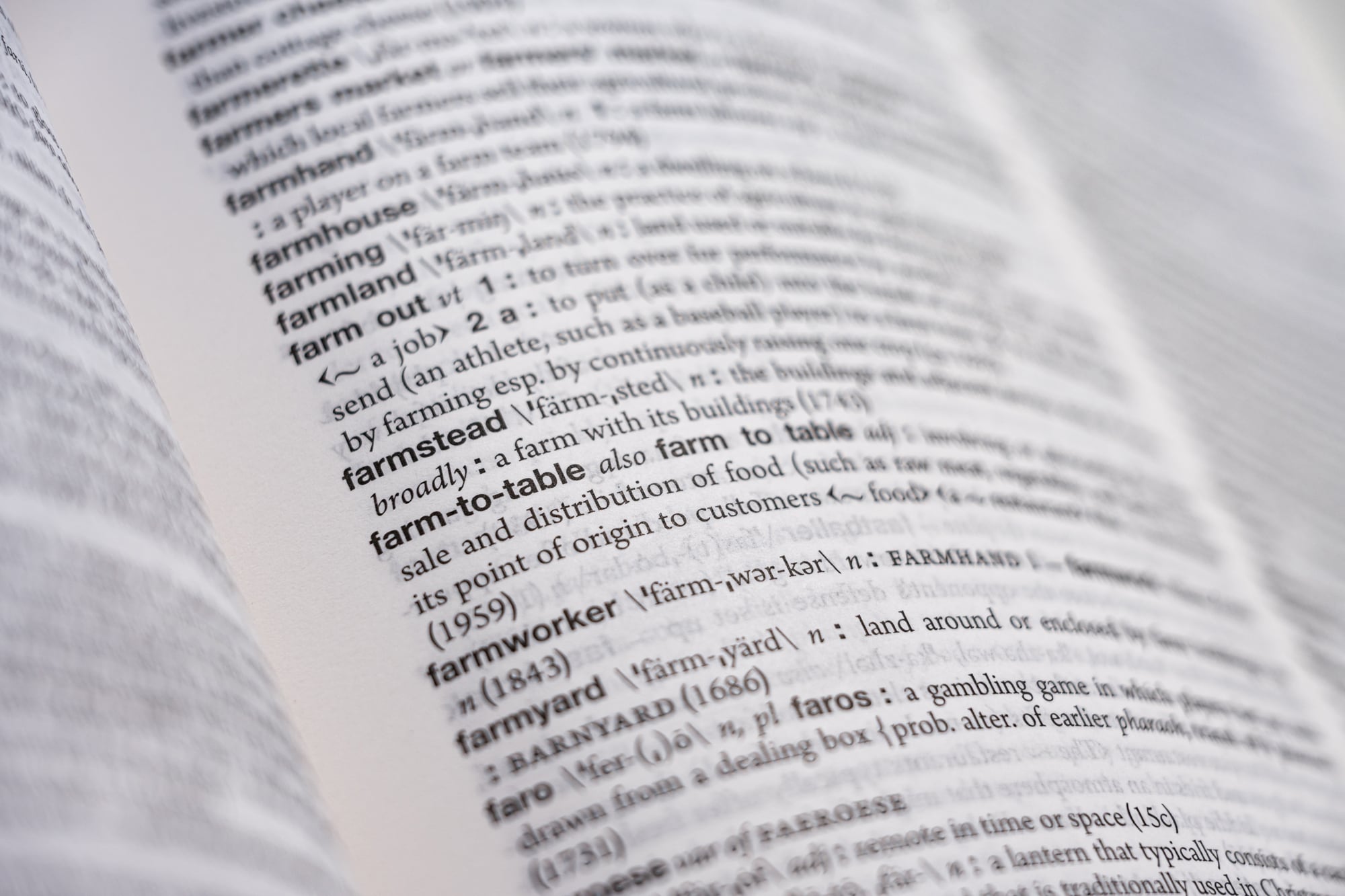
Merriam-Webster has fully revised its popular “Collegiate” dictionary with over 5,000 new words. They include “petrichor,” “dumbphone” and “ghost kitchen.” Also “cold brew,” “rizz,” “dad bod,” “hard pass,” “cancel culture” and more.
YouTube will offer creators a way to rejoin the streaming platform if they were banned for violating COVID-19 and election misinformation policies that are no longer in effect.
Lukas Alpert of MarketWatch explores how networks, brands, and ad buyers absorb the shockwaves when late‑night show hosts are suddenly cut — and brought back.