ASUS USA CMO Wants to Make Gaming More Inclusive for Women
*By Chloe Aiello*
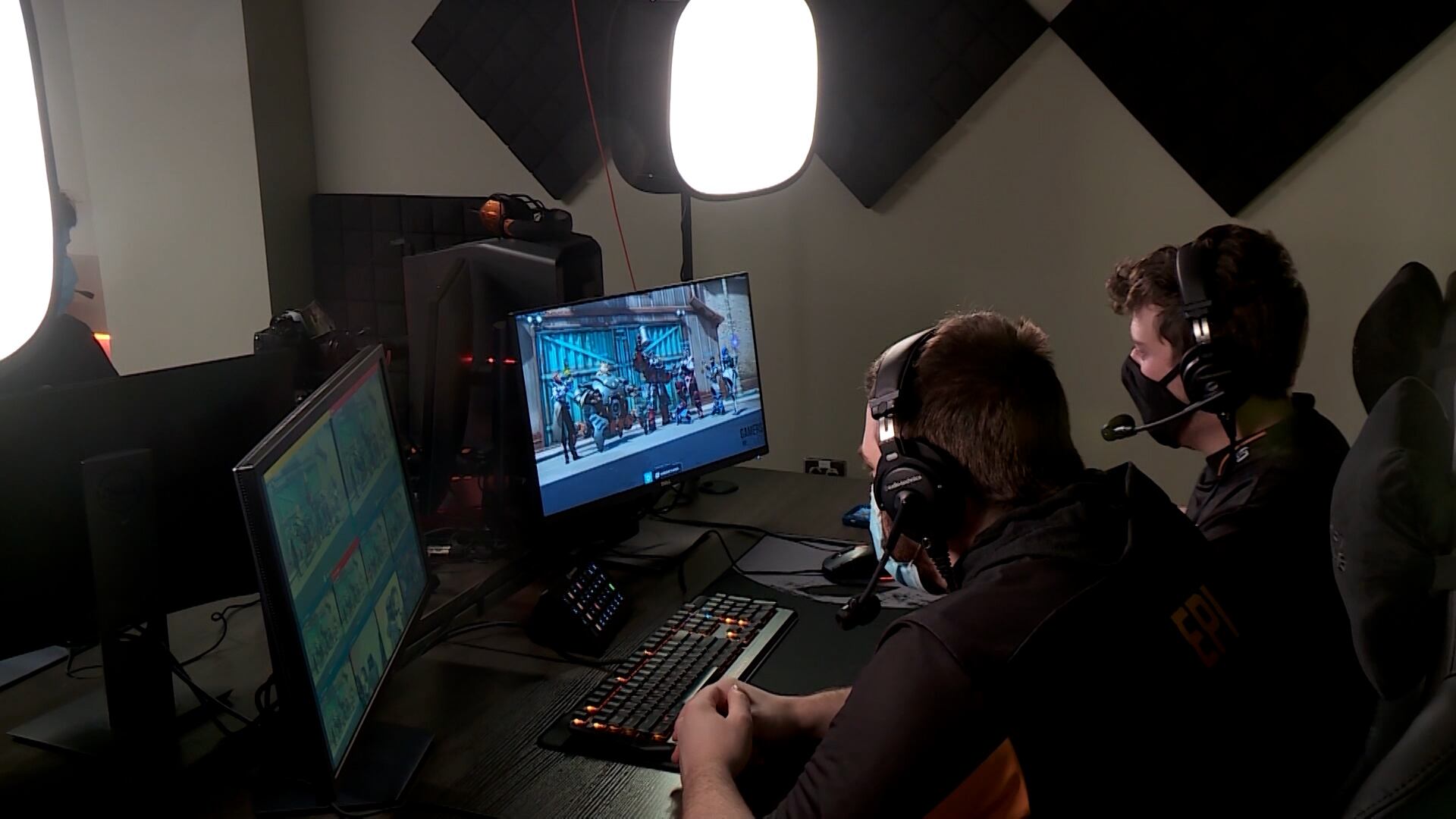
About half of U.S. gamers are women, but you wouldn't necessarily know it by looking at hardware design.
"Color as representation ー that's not something that people talk about. But when it comes to hardware design, it used to be very monochromatic and monotone and just with one audience, you know, the guy, in mind. Now you have different choices," Vivian Lien, chief marketing officer at ASUS North America, told Cheddar Friday.
But gaming hardware maker ASUS USA wants to change that by including more female voices in all stages of product design, and by creating more inclusive workplaces.
"We are always looking for ways to make gaming entertaining, and also as a safe place for women, and so we are looking at everywhere from the actual product design in terms of the hardware, the PC hardware, as well as the games, so that as a female gamer you feel you are \[included in\] the community," Lien said.
Lien said she's had plenty of experience being one of few female voices in the room, but she's also seen a lot of progress toward more gender diversity in the industry over the past few years. It starts with companies, like ASUS ー and then game publishers start to take notes and action.
"Then it comes to the actual games, the software. I think the software makers, the game makers, they are also putting a lot of thoughts into, you know, 'when I have both males and females interacting in the game, how do I bring that experience in a holistic way?'" Lien said.
For women looking to carve out a career in gaming, Lien has some advice: Be confident and be bold. If an opportunity presents itself, take it on, and take it on with ambition.
For full interview [click here](https://cheddar.com/videos/women-take-control-ler-in-gaming).
HSBC announced that it is buying a plot of virtual land in decentralized gaming virtual world The Sandbox. Mathieu Nouzareth, U.S CEO of The Sandbox, joins Cheddar News' Closing Bell, where he elaborates on what his platform is providing to HSBC and how his company is helping companies across different sectors embrace Web3.
Deepwell Digital Therapeutics is a game development company looking to transform the way we look at video games — this time to improve health outcomes. Its goal is to create software to aid those who deal with conditions such as depression and ADHD. Company co-founder and co-CEO Ryan Douglas and co-founder Kate Edwards joined Cheddar News to talk about the technology is being used to help patients. "From a research perspective, the game industry itself has been well aware for many, many years of the kind of inherent, kind of anecdotal therapeutic value of playing games," said Edwards.
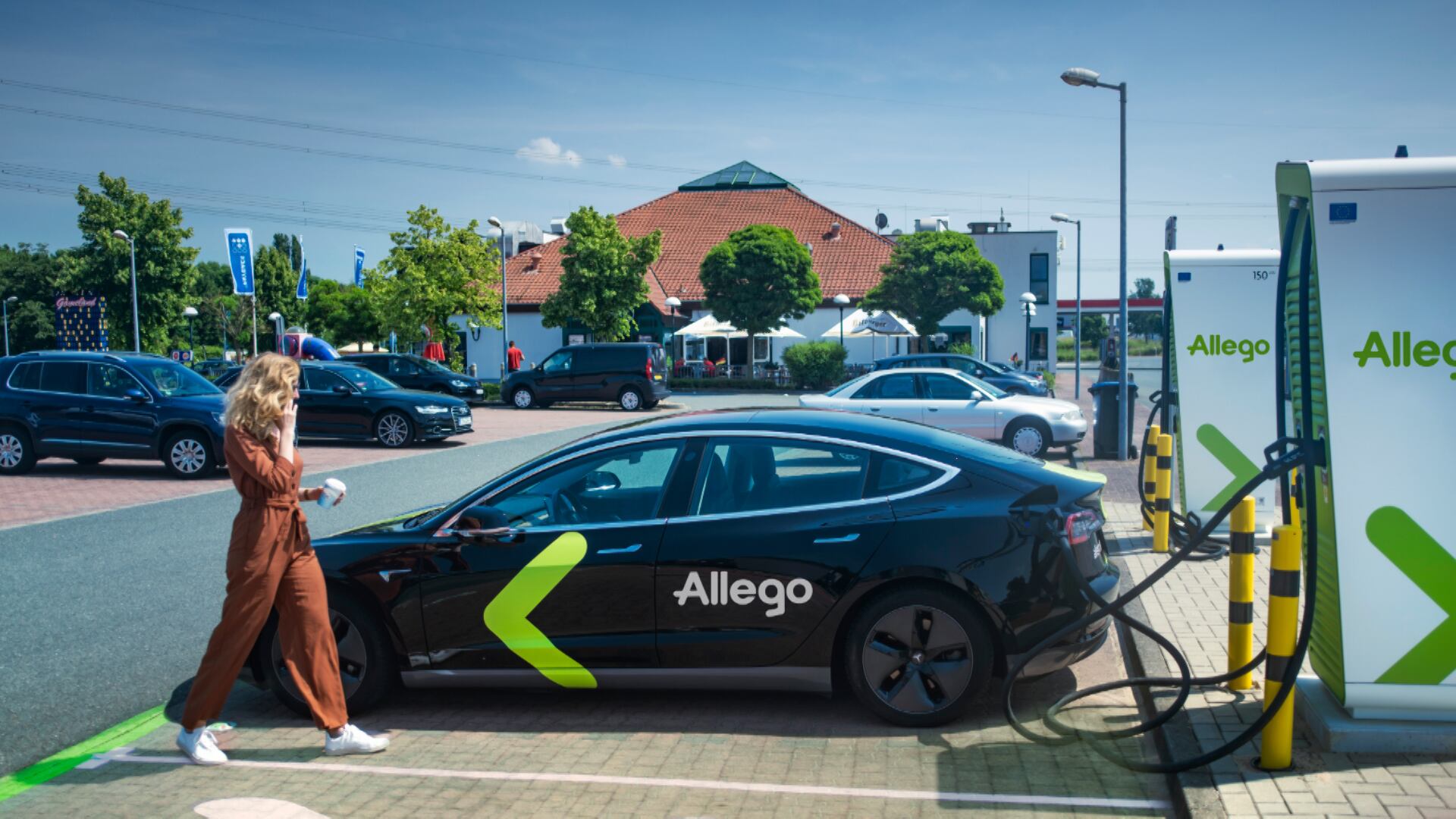
Allego, a European electric vehicle charging company, is officially public. With charging stations in 16 European countries and counting, Allego will play a strong supporting role in Europe's transition to clean energy, as its stations pull exclusively from renewable sources. Mathieu Bonnet, CEO of Allego, spoke with Cheddar's Opening Bell about its recent listing, the future of the EV industry, and what the Russia-Ukraine war means for the adoption of electric vehicles.
Neonvest is a platform connecting startups and entrepreneurs with experts in the VC space. The startup says it's in the process of raising a seed round of approximately $2.5 million from a mix of angel and institutional investors. Aakash Shah, co-founder of NeonVest, joins Cheddar News' Closing Bell to discuss.
The Bill Gates-founded Breakthrough Energy company invested $80 million in Verdox Inc. to facilitate efficient, lower-cost technolog to remove carbon from the air and emission sources. CEO of Verdox, Brian Baynes, joined Cheddar News to discuss the investment, how the company's tech works, and where he sees it going. "We anticipate that with technologies like ours, we potentially can get to the scale of about a million tons per year within 5-10 years," he said. "And then ultimately we need to be doing this at the scales of billions of tons per year and ultimately about 10 billion tons per year in the year 2050."