Twitter's second quarter earnings report brought with it plenty of good news. It beat earnings and revenue estimates, growing revenue 18 percent year-over-year. The company's shares have been up more than 45 percent since January.
And of particular importance: the number of monetizable daily active usage is up.
As Twitter continues to grow, the company sees potential areas for growth outside of advertising. More users tweeting means more information on trends and topics — valuable data that can be turned into revenue.
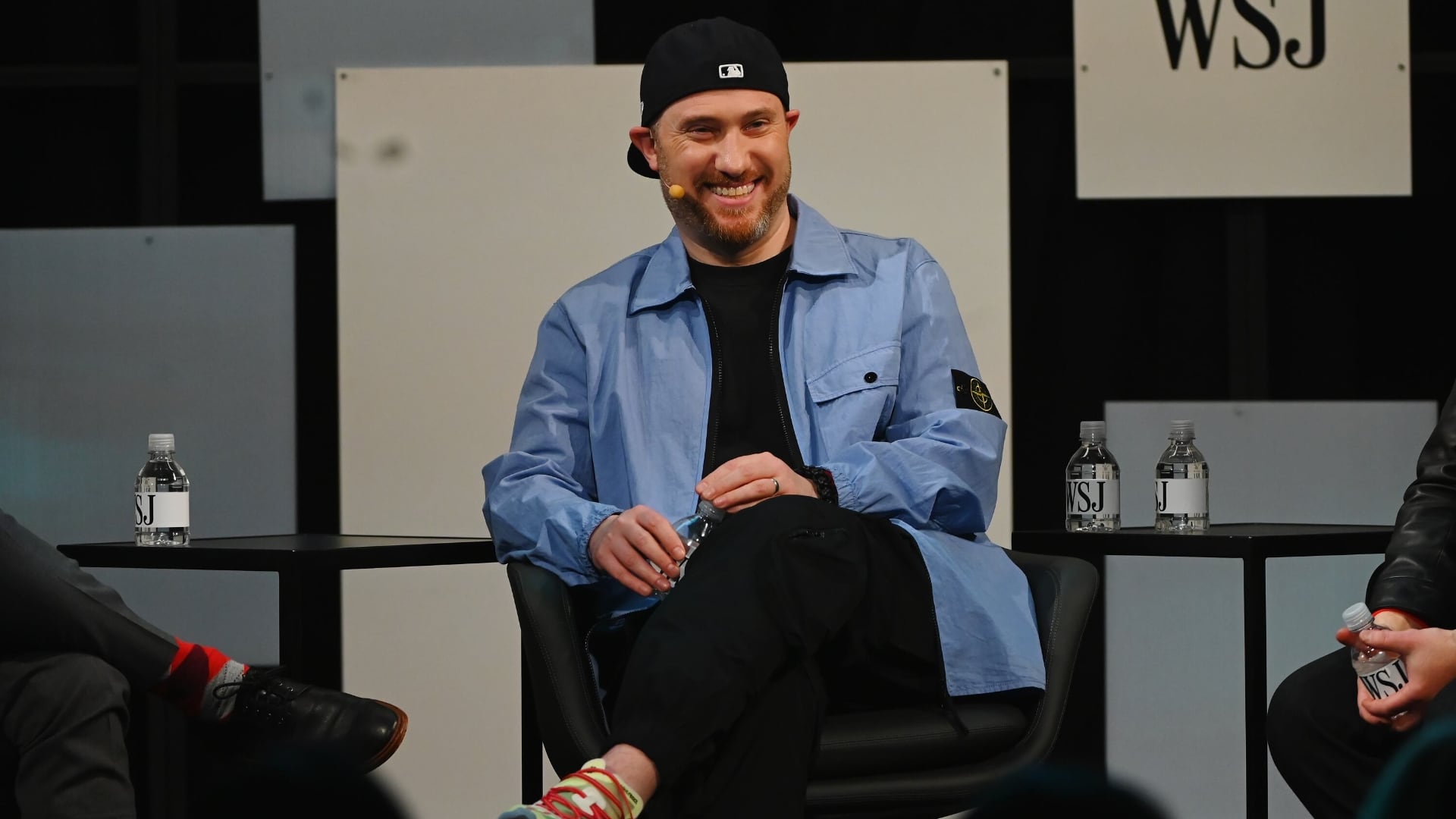
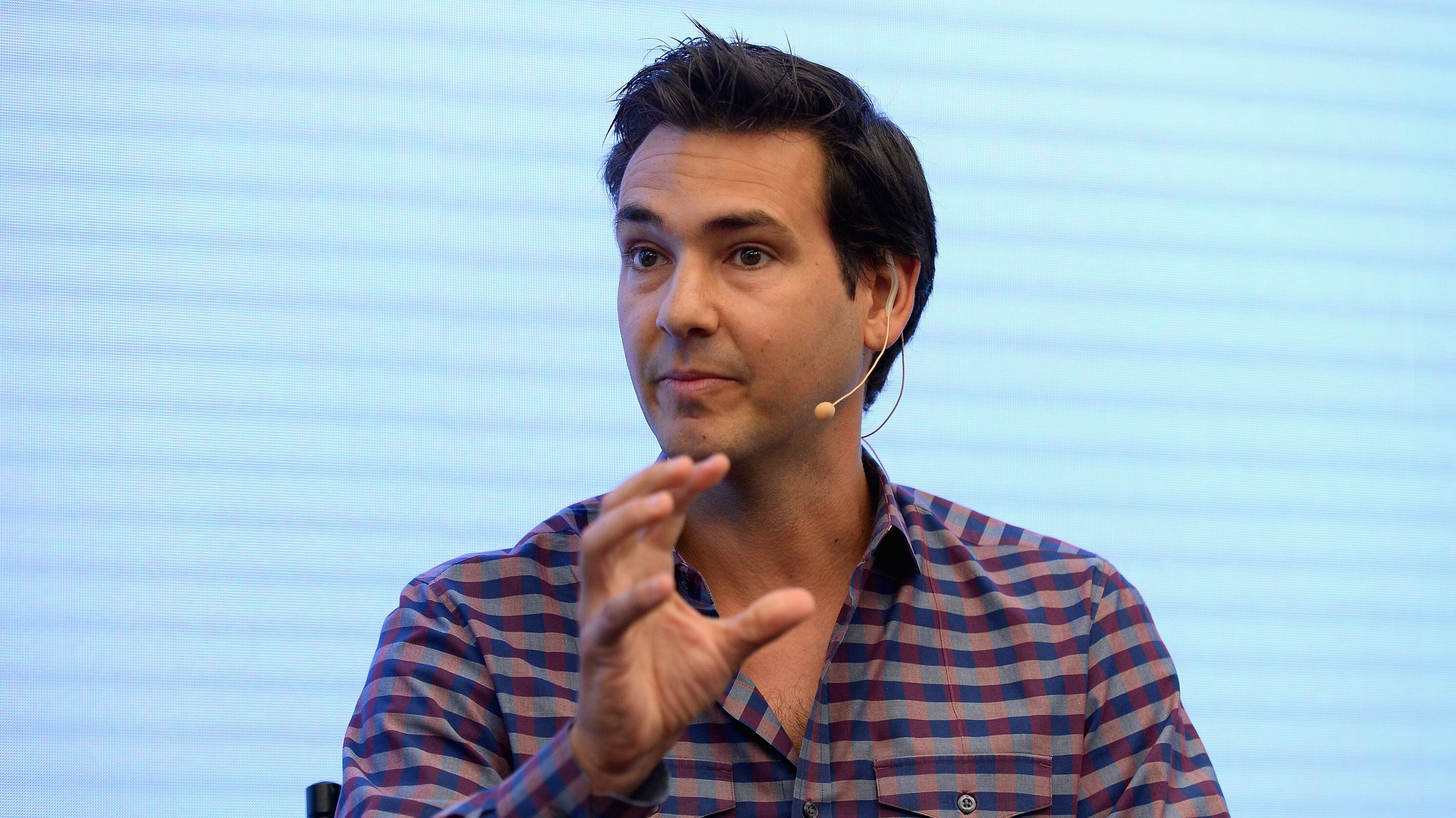
Cheddar spoke to Twitter's head of global operations and emerging businesses Yannis Dosios about its future businesses, including data licensing and mobile monetization. He also addressed how Twitter looks at safety and privacy on its platform, and how the company feels about potential regulation.
Twitter's growth potential in data licensing
The majority of Twitter's revenue — about 85 percent — comes from advertising. However, the remaining portion comes from a segment called "data licensing and other." More than one million developers, academics, and journalists use Twitter data for free through its open API platform. About 95 percent of Fortune 500 companies use Twitter data.
While data licensing and other revenue only grew 4 percent this past quarter compared to the previous one, Twitter believes it can be a big source of revenue going forward. Overall, the data licensing and other business has been increasing 20 percent-year-over-year, Dosios said.
"One of the things were trying to do is we're trying to expand the use cases of Twitter data, and hopefully helping the world figure out Twitter can be a powerful business intelligence tool, whether it's for advertising or even for building new products," Dosios said. "For example, Twitter can help you figure out trends around ingredients or products you should be building. Or help you think about your inventory and how you should manage your inventory, or helping you think about your strategy."
Mobile marketing and monetization
The other part of "data licensing and other" consists mostly of revenue derived through monetization solutions for mobile app developers, Dosios said.
In 2014, Twitter purchased MoPub, a platform that allows mobile developers to sell ad space directly on their apps or put different ad spots on different networks. Developers can also sell their ads on MoPub's ad exchange, which works similarly to the stock exchange. More than 40,000 app developers put their advertising supply on MoPub's ad exchange where hundreds of marketers can bid on ad space in real-time.
While mobile is a smart place to be, Twitter does face stiff competition from companies like Google, Facebook, and mobile monetization companies like ironSource. However, with the vast majority of users moving to mobile and specifically mobile apps, Dosios is hopeful the MoPub business will continue to grow.
Building products for the future
While data licensing and mobile monetization are existing businesses that already bring revenue to Twitter, Dosios is interested in what his team calls "new jobs to get hired and paid for." He's most excited about how Twitter's data can be used to help companies figure out what products to build in the future — and how Twitter can be involved in the process.
"I think a large part of that resides in how we can unlock more value around our data," Dosios said. "The data licensing fees could give rise to new product innovation that we can power."
Cultural trends may be able to tell entertainment companies what movies to make or types of music to put out. Or Twitter's data can be used to help governments respond to areas hit by natural disasters.
Learning from others' mistakes
While Twitter hoped to make data monetization a powerful revenue stream, it also realizes that can make it vulnerable to abuse. Facebook is already facing the fallout from data management issues it encountered during the 2016 election.
However, Dosios says Twitter has made safety and privacy their priorities. Brands are allowed control over where their ads are shown and which audiences get to see them.
There are signs it may be working. A GumGum study of brand executives in November 2018 found that Twitter was considered to be the most brand-safe platform, followed by Facebook and Instagram. YouTube and Snapchat were at the bottom of the list with just 0.38 percent finding those platforms to be the safest for marketing.
Cleaning up toxicity
On the user side, there's a lot of investment in machine learning and human moderation to make it a place people want to be.
"The other thing we are trying to do is try and use machine learning to take content already that could be suspicious, and automatically get it deprioritized in where it shows up in someone's feed, so by the time we view it, it hasn't been viewed too much, it hasn't caused a lot of damage," Dosios said. "Of the content we took down, 80 percent of those replies were made less visible because of machine learning solution."
In an effort to avoid some of the mental health and ethical issues other companies like Facebook have faced when hiring human moderators, Twitter's people reviewer team is much smaller. The company has also allocated more of its monetary resources towards machine learning and automated processes.
"We ensure that people who do review content have a proper or humane experience," he said.
The number of reported accounts that have been taken down has increased times 10 over the last year, and 40 percent of the content was flagged by artificial intelligence before a user found it, compared to just 20 percent the year before.
"I think that some of the investments I mentioned, machine learning but also people reviewing content, can go a very long way in identifying patterns," he said. "[It helps in] identifying a conversation that is toxic or a conversation that can be damaging, flagging it for potential review, or deprioritizing it so that people do not get exposed to it, so you can minimize the negative impact."
One thing that may alter Twitter's growth potential is pending government regulation on social companies. Twitter supports privacy legislation, and is actively involved with lawmakers and advocacy groups when it comes to those discussions, Dosios said.
"The ideal thing would be for Congress to decide on a nationwide, federal legislation around privacy," he explained. "I think that will create consistency not only for users by the international community. We're very supportive of that, and we're very engaged in conversations."