*By Hope King* CUPERTINO, Calif. ーThe big takeaways for Apple's iPhone [event](https://cheddar.com/videos/apple-unveils-3-new-iphones-higher-prices) this year? Price and color matter, and the Apple Watch may finally be a must-have. When Apple released the iPhone X last year, critics said it would be too expensive for customers, with a base price of $999. Now, the priciest iPhone, the new XS Max, comes with a base price of $1,099 and will set you back $1,449 with the maximum available capacity of 512 gigs. At its much-anticipated annual fall event, Apple announced three new iPhone X devices: an iPhone XS, XS Max, and XR, all with the edge-to-edge display and Face ID that once differentiated the X model. Overall, the phones look and feel quite similar ー but again, the biggest differences are price and color. With the iPhone XS Max starting at $1,099, Apple is selling its largest iPhone ever with a 6.5-inch screen. Compare that to the iPhone XS at 5.8-inch screen for a $999 starting price, and the iPhone XR with a 6.1-inch screen for $749. That's more than the base price for the original iPhone 8 when it was released last year. Now a $749 price tag is the "bargain" option. To make the iPhone XR even more appealing, Apple introduced several vibrant colors unique to the model. There is a coral, pink, yellow, and blue version in addition to the classic black, white, and PRODUCT(RED) iterations. What Apple seems to be saying here is, "We've got a phone for everyone." And that's likely a welcome message for investors, who worry about a smartphone market that is slowing down. In addition, Apple will continue to sell the iPhone 8, starting at $599 and the iPhone 7, starting at $449. One quick thing about the Apple Watch Series 4: I think Apple finally may have built a smartwatch that I've been waiting for. The new models sport a larger screen and haptic feedback in the digital crown, both of which make scrolling around on the small device somewhat easier. Apple also added an electrocardiogram feature, which earned FDA approval. It's a game-changer that transforms the watch from a mobile device into a medical one. Good luck, Fitbit. Okay, the stuff of business settled. Onto the event itself. From my vantage point covering the event from the "Spaceship," a.k.a. Apple's headquarters, many more journalists than last year were present. All the mainstream U.S. networks ー ABC, CBS, NBC, CNN, Fox Business, Bloomberg, CNBC ー were with us on the risers; the press center was filled with digital outlets from all around the world, and the demo area was swarmed (as it always is) with familiar faces from the YouTube tech scene. I spotted [Marques Brownlee](https://www.youtube.com/user/marquesbrownlee) and iJustine, just to name two. I asked Brownlee what impressed him most (and least). Unsurprisingly ー at least to those who know and follow him ー Brownlee said he loved the iPhone XR in red and was a little mixed about the coral. Shrug. I didn't get a chance to talk to iJustine but she, like many others, was glued to the gold Apple Watch and iPhone XS. There's just something about the color that resembles liquid gold. All in all, compared to last year's event, Wednesday's announcement felt very different, mostly because this was an "S" year ー an in-between year for big model and design changes. But if Apple can replicate the success of the iPhone X with more related devices, I think X marks the spot.
Share:
More In Business
Lime Scooter CEO Talks Going Public, Fleet Revamp Following $523 Million Fundraise
E-scooter company Lime is gearing up to launch an IPO after raising $523 million in debt financing. CEO Wayne Ting joined Cheddar to talk about the decision behind the future public offering citing the fundraise as a sign of investor confidence, despite a massive drop-off in ridership amid the pandemic. He noted that some of the funds will not only be used to pay down debts but to also upgrade the company's fleet of e-bikes and scooters. "We're going to be investing $20 million of this funding towards our mission to get to net-zero on carbon by 2030," he said.
Grocery Delivery Startup MilkRun CEO on Expanding Amid Food Supply Chain Issues
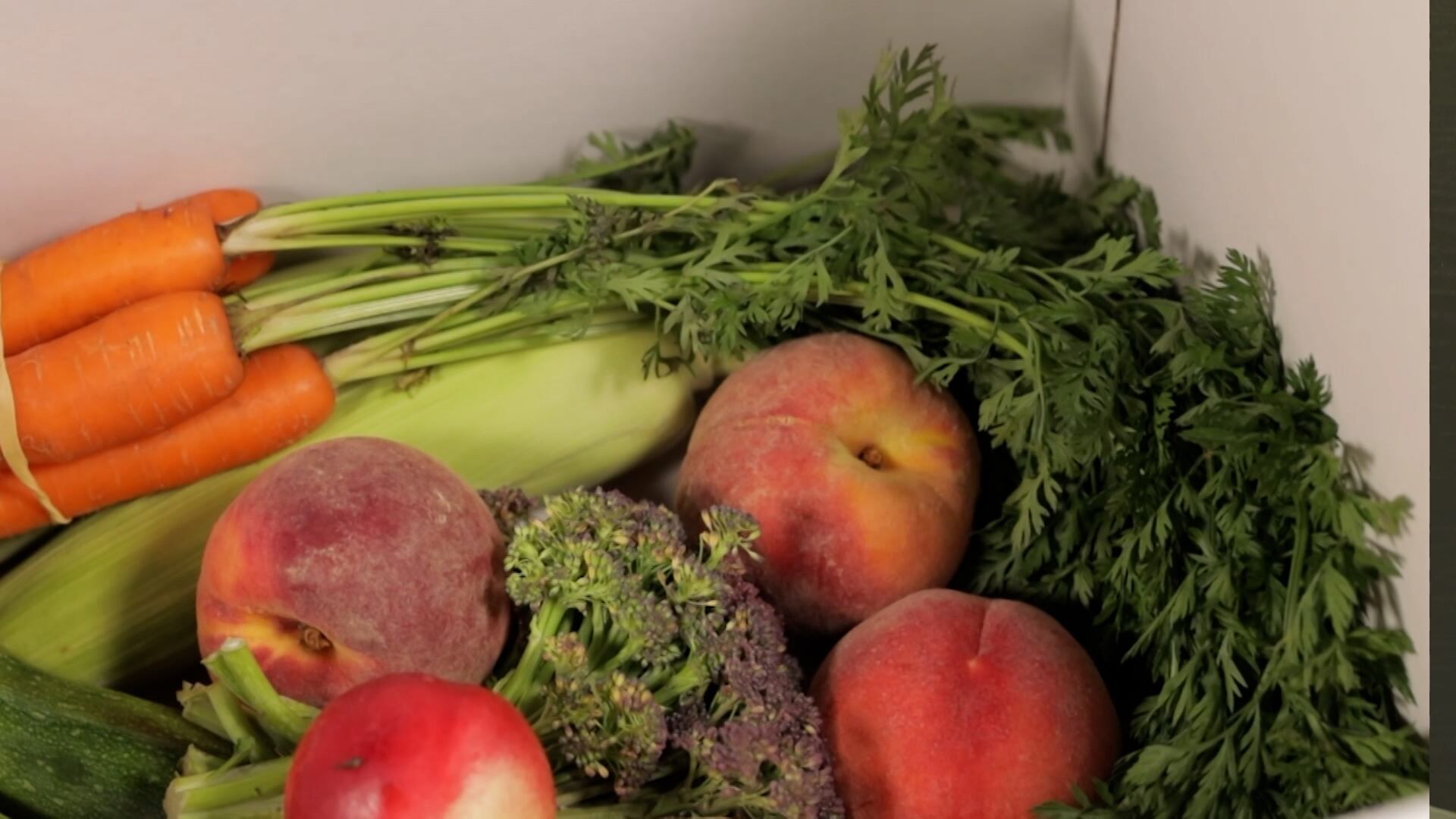
Weekly grocery delivery startup MilkRun raised $6 million in Series A funding on Friday, and Julia Niiro, CEO and founder, joined Cheddar to discuss what distinguishes MilkRun's grocery delivery model from the competition, explaining the service connects customers with local farmers being able to provide items not found in the typical stores. Niiro also talked about the impact that supply chain bottlenecks have had on the business. "This was a moment when people needed local food production," she said of MilkRun seizing the opportunity to expand to other markets amid the global food distribution issues.
Hospitality Sector Sees Occupancy Rebound as International Travelers Come Back
With vaccinated international travelers being admitted into the United States, the service and hospitality industry could experience a boom. John Geller, president of Marriott Vacations Worldwide, joined Cheddar to talk about the gradual increase in stays at Marriott properties and noted that occupancy has reached near pre-pandemic levels. Regarding the holiday season, he said, "people love to travel, so I wouldn't be surprised if, in most of our resorts, we're not pushing close to a high 90 percent occupancy."
Wedding Industry Bogged Down by Supply Chain Issues After Year of Postponed Ceremonies
The pandemic caused chaos in the wedding industry after ceremonies were postponed last year. But now couples face a new problem as they look toward their big day: supply chain issues. Tim Chi, CEO at The Knot, joined Cheddar to provide some additional details about the supply constraints affecting everything from venues to flowers. Chi also talked about The Knot celebrating its 25th anniversary and how the business has transformed over the years.
Elon Musk Asks Twitter: Should I Sell Tesla Stock?
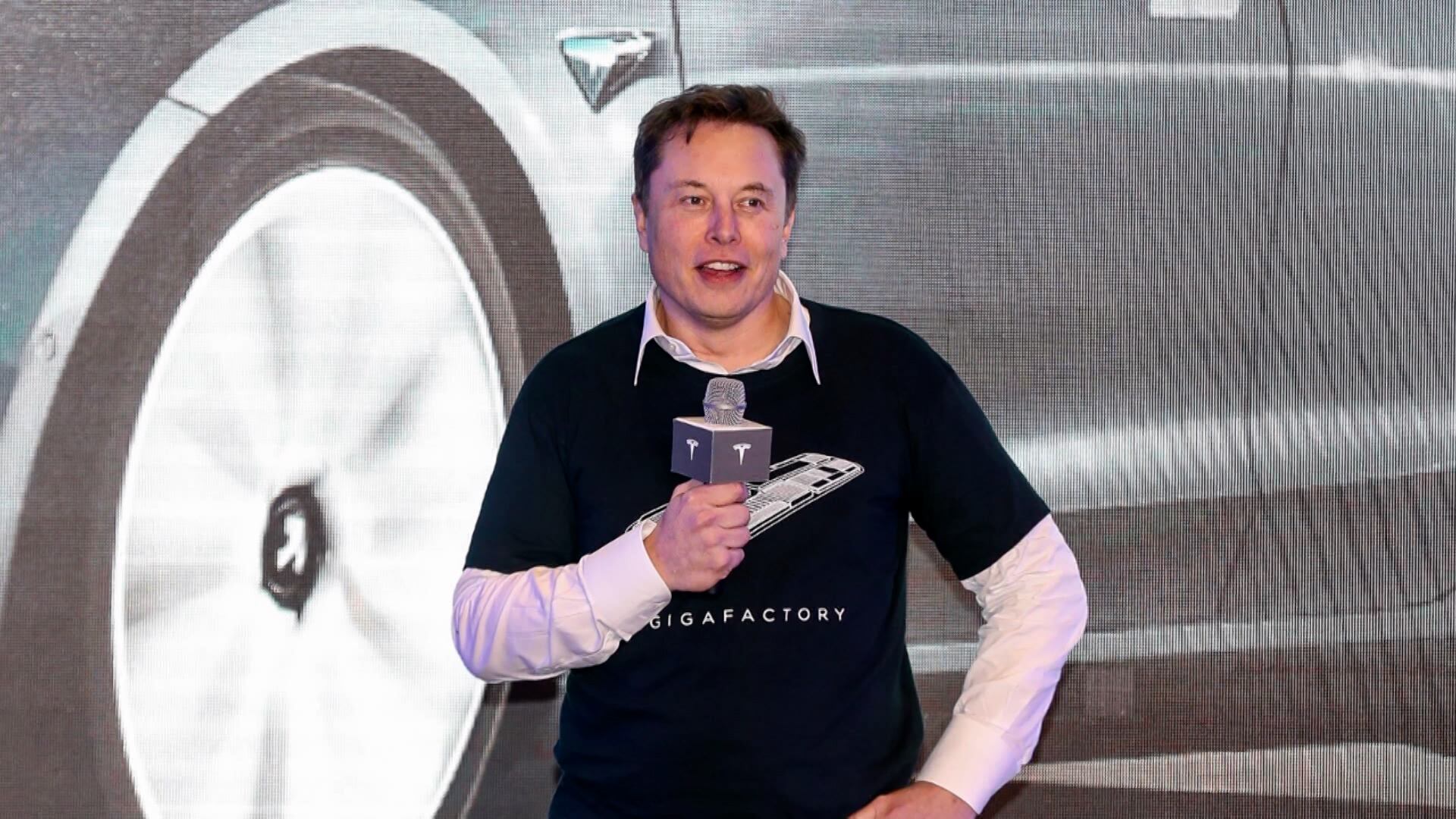
Elon Musk asked Twitter if he should sell about $20 billion worth of his Tesla stock and about 58 percent of those who answered said yes. The Tesla CEO pledged to abide by the results of the poll, whichever way it went. Arun Sundararajan, NYU Stern professor & author of "The Sharing Economy: The End of Employment and the Rise of Crowd-Based Capitalism," joined Cheddar to discuss what the Twitter poll says about America's attitude towards billionaires and the nation's tax system.
Social Network Nextdoor 'Growing the Neighborhood' by Going Public
Hyperlocal social networking platform Nextdoor made its public debut on the NYSE via a SPAC merger with Khosla Ventures Acquisition Co. II on Monday. CEO Sarah Friar joined Cheddar's "Opening Bell" to talk about what drove the company to a public offering and growing the platform on a global scale. "This allows us to not go back after investing and growing the neighborhood," Friar said. She also talked about the app's pandemic success and the fact that people have stuck around as businesses reopened on a larger scale.
Load More