Apple on Tuesday unveiled its next generation of iPhones — a line-up that will boast better cameras, faster processors, a new charging system and a price hike for the fanciest model.
The showcase at Apple's headquarters in Cupertino, Calif., comes as the company tries to reverse a mild slump that has seen its sales drop from last year in three consecutive quarters. The malaise is a key reason Apple's stock price has dipped by nearly 10% since mid-July, dropping the company's market value below the $3 trillion threshold it reached for the first time earlier this summer.
Investors apparently were not impressed with what Apple rolled out Tuesday. The company's shares were down by nearly 2% during afternoon trading.
As has been the case with Apple and other smartphone makers, the four types of iPhone 15 models aren't making any major leaps in technology. But Apple added enough new bells and whistles to the top-of-the-line model — the iPhone 15 Pro Max — to boost its price by $100, or 9%, from last year's version to $1,200.
Apple is holding the line on prices for the rest of the line-up, with the basic iPhone 15 selling for $800, the iPhone 15 Plus for $900 and the iPhone 15 Pro for $1,000.
All the new models will be available in stores Sept. 22, with pre-orders beginning this Friday.
One of the biggest changes that Apple announced is a new way to charge the iPhone 15 models and future generations. The company is switching over to the USB-C standard that is already widely used on many devices, including its Mac computers and many of its iPads.
Apple is being forced to phase out the Lightning port cables it rolled out in 2012 because of a mandate that European regulators plan to impose in 2024.
Although consumers often don't like change, the transition to USB-C ports may not be that inconvenient. That’s because the standard is already widely used on a range of computers, smartphones and other devices people already own. The shift to USB-C may even be a popular move since that standard typically charges devices more quickly and also offers faster data transfer speeds.
The basic iPhone 15 models have been redesigned to include a shape-shifting cutout on the display screen that Apple calls its “Dynamic Island” for app notifications — a look that was introduced with last year's Pro and Pro Max devices. The basic models are also getting a faster chip used in last year's Pro and Pro Max models, while the next generation of the premium iPhone 15s will run on an even more advanced processor.
The iPhone 15 Pro and Pro Max also will be equipped with what Apple maintains is the equivalent of seven camera lenses. They will include a periscope-style telephoto lens that will improve the quality of photos taken from far distances. The telephoto lens boasts a 5x optical zoom, which lags the 10x optical zoom on Samsung's premium Galaxy S22 Ultra, but represents an upgrade from the 3x optical zoom on the iPhone 14 Pro and Pro Max.
Apple is encasing the premium models in titanium that the company says is the same alloy used on some spaceships.
Besides its new iPhones, Apple also announced its next generation of smartwatches — a product that made its debut nearly a decade ago. The Series 9 Apple Watch, available in stores September 22, will include a new gesture control that will enable users to control alarms and answer phone calls by double snapping their thumbs with a finger.
World leaders are currently dealing with a handful of pressing issues, including Russia's invasion of Ukraine, inflation, and not to mention the COVID-19 pandemic; but it could be argued that the most pressing issue is one that has experienced its fair share of neglect in the past -- climate change. As tensions escalate between Russia and Ukraine, there is fear the focus on climate will once again be pushed aside. However, the White House appears to be making some effort to prevent that from happening. The White House Office of Science and Technology held a first-of-its-kind roundtable discussion with some of the nation's leading climate scientists on Thursday. Michael Mann, Director of the Earth System Science Center at Pennsylvania State University, and author of the book 'The New Climate War' joins Cheddar News' Closing Bell to discuss his experience as one of the climate scientists at the White House event.
U.S. stocks rebounded to end higher on Thursday after President Biden announced new sanctions against Russia following the country's attack on Ukraine. The Dow was down 859 points at its lowest point of the session, before ultimately finishing the day in the green. Melissa Armo, founder and owner of the Stock Swoosh, joins Cheddar News' Closing Bell to discuss.
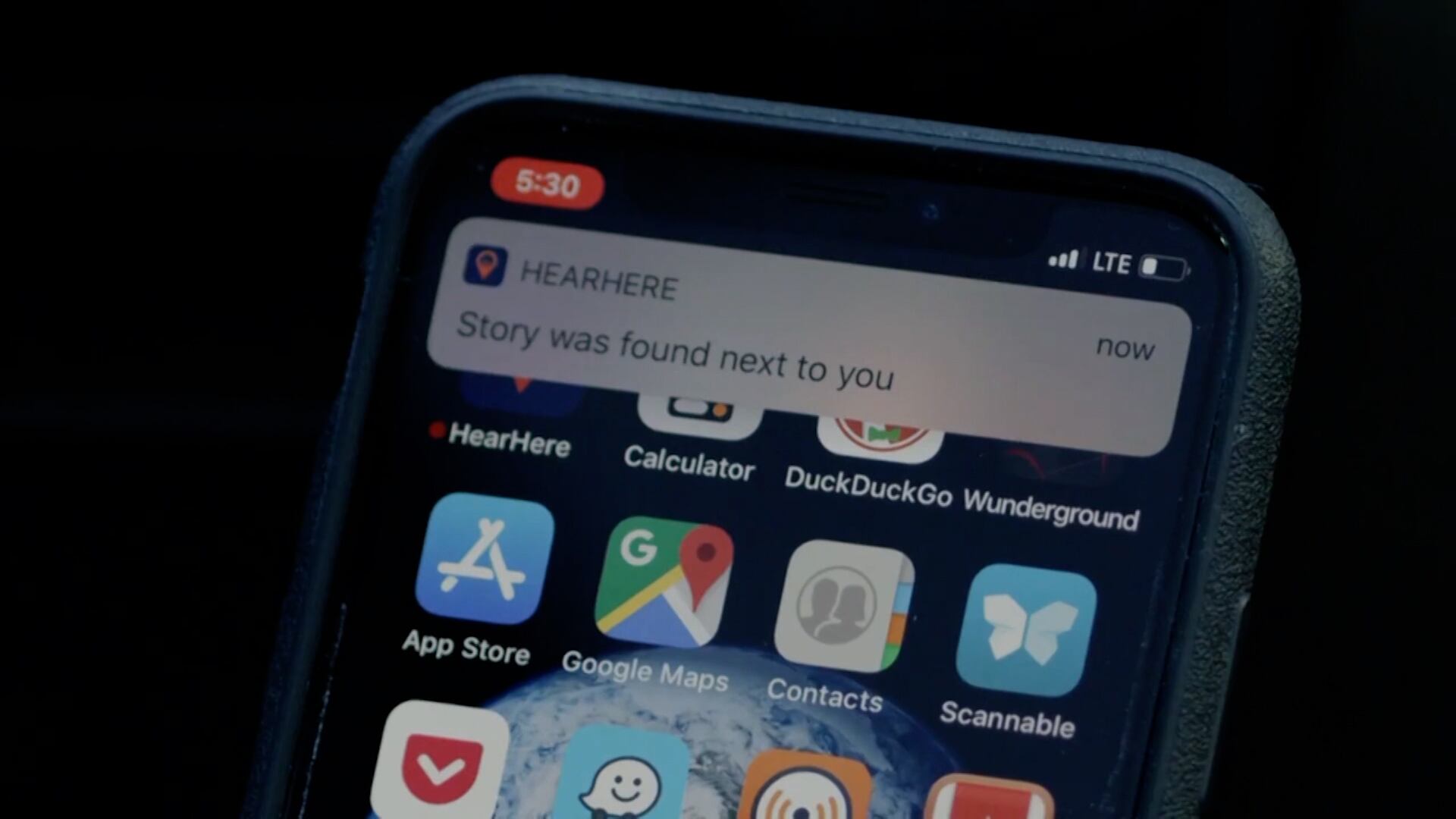
HearHere bills itself as a mobile audio entertainment app for road trips. The company just announced $3.2 million in seed funding led by Camping World, a retail company that sells recreational vehicles and camping supplies. HearHere's GPS-powered app offers over 8,880 stories across the continental U.S. and serves up the stories based on a users' geographic location and interests. The stories are narrated by some big-name celebrities including actor Kevin Costner, who is a co-founder of the company. Woody Sears, co-founder and CEO of HearHere, joins Cheddar News' Closing Bell to discuss.
On December 25, 2021, NASA got into the holiday spirit by launching the James Webb Space Telescope, the largest and most powerful space science observatory in history.
It is intended to succeed the Hubble Space Telescope as NASA's flagship mission in astrophysics and is able to view objects too old and distant for Hubble. Gregory Robinson, director of NASA's James Webb Space Telescope program, joins Cheddar News' Closing Bell to discuss the mission. "I think a lot of what we don't know today is what I'm expecting to find and certainly really understand what took place more than 13.5 billion years ago and see the formation of some of the first galaxies in our universe," said Robinson.
YouTube creator platform Spotter recently announced $200 million in Series D financing at a valuation of $1.7 billion, led by SoftBank Vision Fund 2. Spotter allows YouTubers to license the rights to their video catalogs in exchange for large sums of cash paid upfront. The company's clients include some of YouTube's most popular personalities, with a combined total of more than 1.2 billion subscribers. Aaron Debevoise, founder and CEO of Spotter, joins Cheddar News' Closing Bell to discuss.
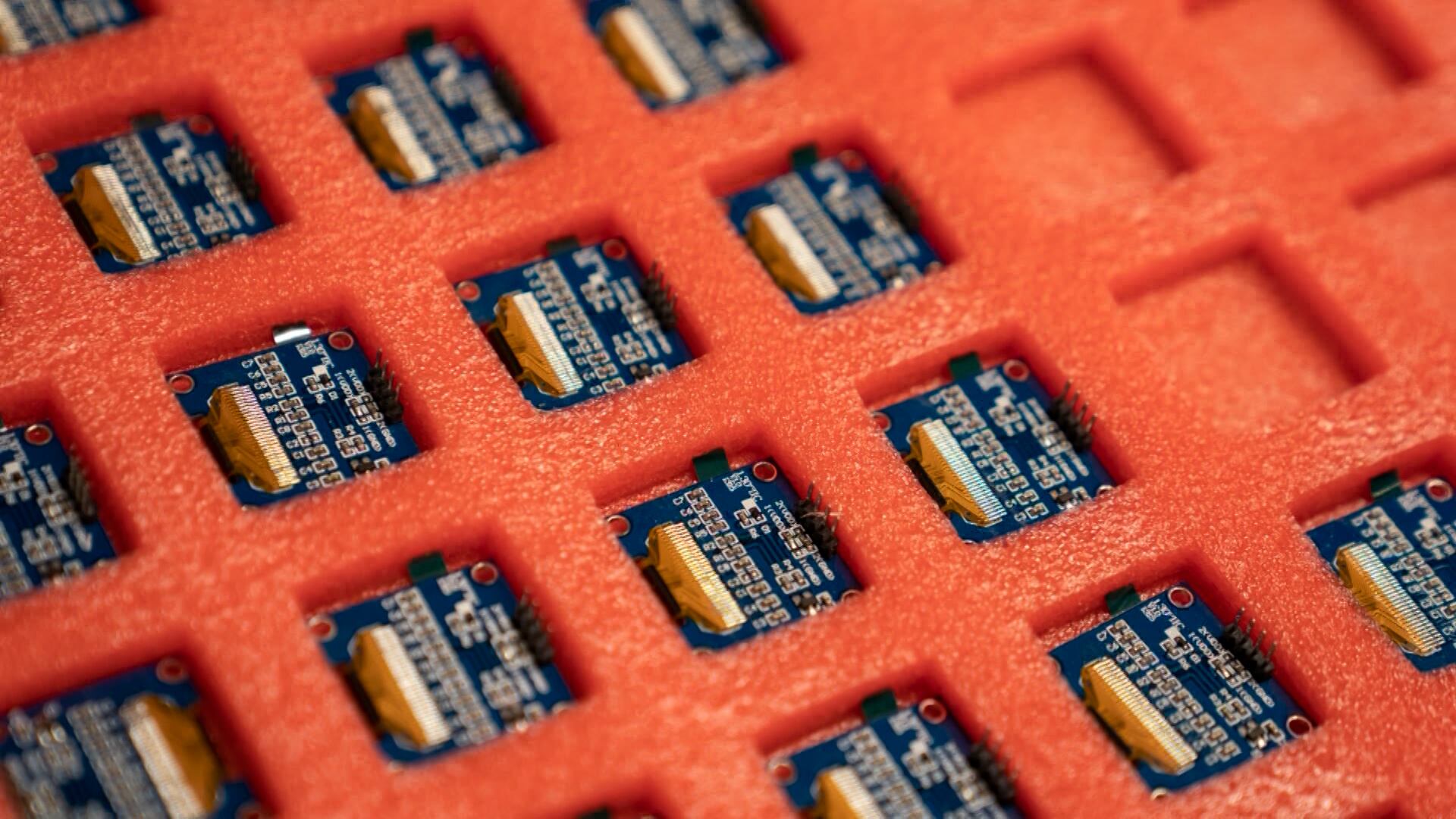
The Russia-Ukraine conflict drags on — and global economies could see pandemic-era prices and supply chain issues come back full force. Both countries supply key commodities and materials, including semiconductor production. That sector, in particular, was hit hard by the pandemic and was just beginning to see a recovery when the invasion began. What happens next? Do companies have enough to fall back on and can they rely on pandemic-era measures to stay afloat? Everett Millman, Chief Market Analyst at Gainesville Coins, joins Closing Bell to discuss which sectors are being hit the hardest, rising prices, how consumers could feel the impact, and more.
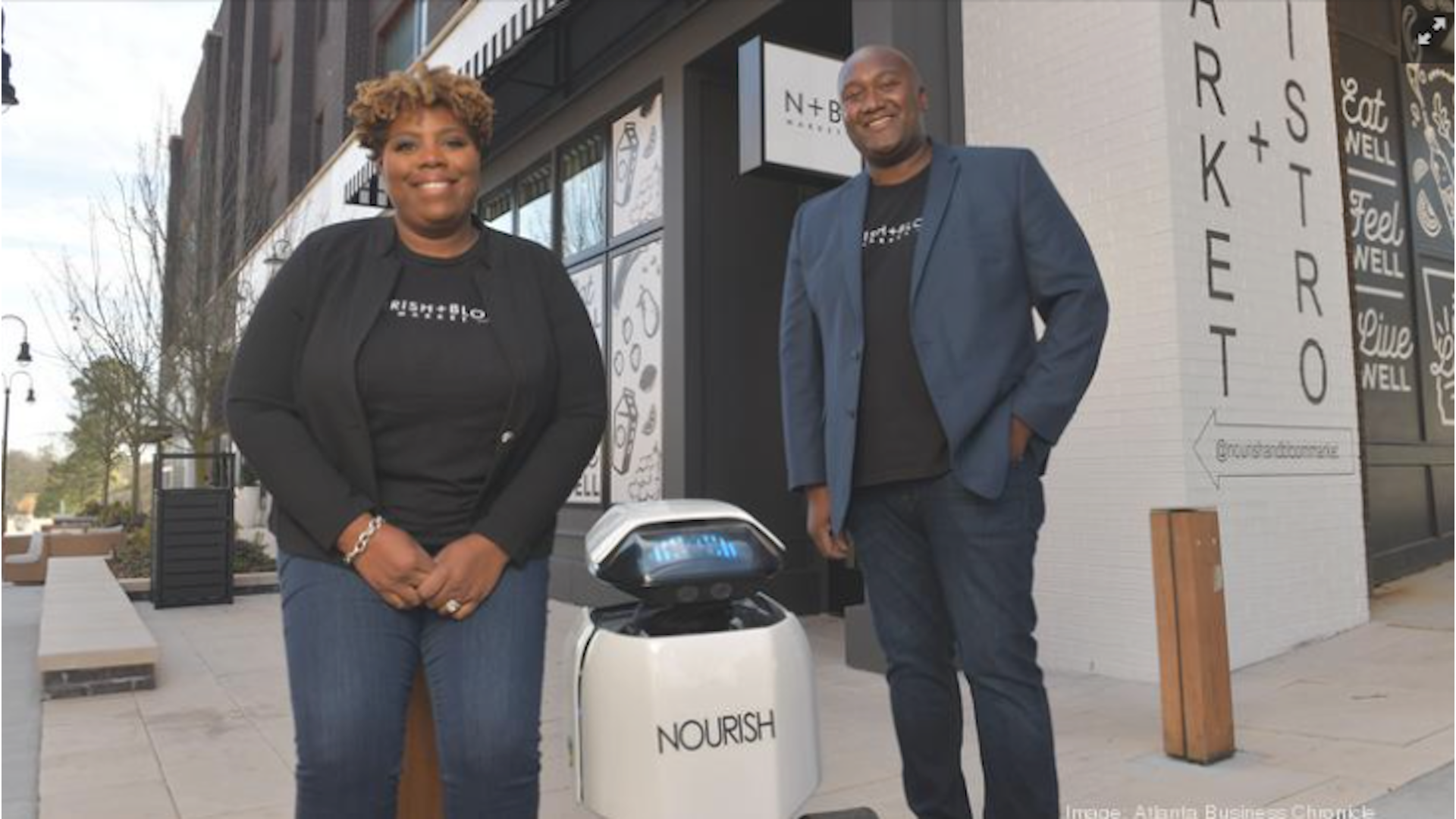
Jamie Hemmings and Jilea Hemmings, owners and founders of Nourish + Bloom Market, join Cheddar News to talk about the inspiration behind creating their cashierless grocery store.