Apple on Tuesday unveiled its next generation of iPhones — a line-up that will boast better cameras, faster processors, a new charging system and a price hike for the fanciest model.
The showcase at Apple's headquarters in Cupertino, Calif., comes as the company tries to reverse a mild slump that has seen its sales drop from last year in three consecutive quarters. The malaise is a key reason Apple's stock price has dipped by nearly 10% since mid-July, dropping the company's market value below the $3 trillion threshold it reached for the first time earlier this summer.
Investors apparently were not impressed with what Apple rolled out Tuesday. The company's shares were down by nearly 2% during afternoon trading.
As has been the case with Apple and other smartphone makers, the four types of iPhone 15 models aren't making any major leaps in technology. But Apple added enough new bells and whistles to the top-of-the-line model — the iPhone 15 Pro Max — to boost its price by $100, or 9%, from last year's version to $1,200.
Apple is holding the line on prices for the rest of the line-up, with the basic iPhone 15 selling for $800, the iPhone 15 Plus for $900 and the iPhone 15 Pro for $1,000.
All the new models will be available in stores Sept. 22, with pre-orders beginning this Friday.
One of the biggest changes that Apple announced is a new way to charge the iPhone 15 models and future generations. The company is switching over to the USB-C standard that is already widely used on many devices, including its Mac computers and many of its iPads.
Apple is being forced to phase out the Lightning port cables it rolled out in 2012 because of a mandate that European regulators plan to impose in 2024.
Although consumers often don't like change, the transition to USB-C ports may not be that inconvenient. That’s because the standard is already widely used on a range of computers, smartphones and other devices people already own. The shift to USB-C may even be a popular move since that standard typically charges devices more quickly and also offers faster data transfer speeds.
The basic iPhone 15 models have been redesigned to include a shape-shifting cutout on the display screen that Apple calls its “Dynamic Island” for app notifications — a look that was introduced with last year's Pro and Pro Max devices. The basic models are also getting a faster chip used in last year's Pro and Pro Max models, while the next generation of the premium iPhone 15s will run on an even more advanced processor.
The iPhone 15 Pro and Pro Max also will be equipped with what Apple maintains is the equivalent of seven camera lenses. They will include a periscope-style telephoto lens that will improve the quality of photos taken from far distances. The telephoto lens boasts a 5x optical zoom, which lags the 10x optical zoom on Samsung's premium Galaxy S22 Ultra, but represents an upgrade from the 3x optical zoom on the iPhone 14 Pro and Pro Max.
Apple is encasing the premium models in titanium that the company says is the same alloy used on some spaceships.
Besides its new iPhones, Apple also announced its next generation of smartwatches — a product that made its debut nearly a decade ago. The Series 9 Apple Watch, available in stores September 22, will include a new gesture control that will enable users to control alarms and answer phone calls by double snapping their thumbs with a finger.
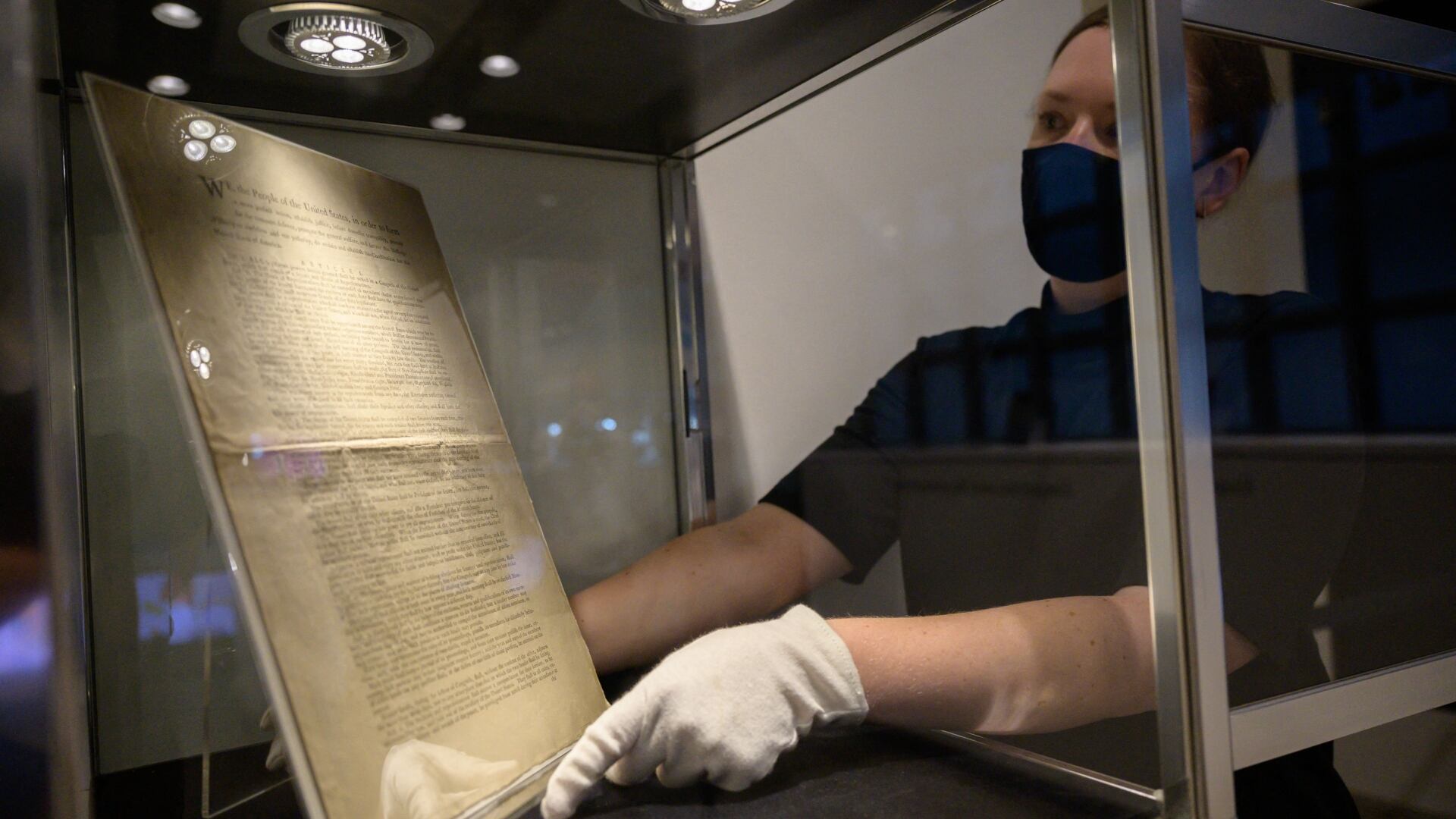
A group of crypto investors has come together to raise millions of dollars in the hopes of owning a rare piece of the U.S. Constitution. According to the crypto group, "Constitution DAO" It is time to put the constitution in the hands of the people. CEO and Founder of Metaversal Yossi Hasson, joined Cheddar to discuss more.
Over the weekend, Russia fired a missile at one of its own satellites, triggering an explosion that launched thousands of pieces of shrapnel through space and forced the astronauts aboard the International Space Station to shelter in place. Senior Writer from Space.com Chelsea 'Foxanne' Gohd, joined Cheddar to discuss more.
Twitter announced a partnership with S&P Dow Jones Indices on Thursday to build the S&P 500 Sentiment Index for monitoring the performance of 200 S&P members based on tweets with company $cashtags. Jared Podnos, strategic market development lead at Twitter, and Peter Roffman, global head of innovation and strategy at S&P Dow Jones Indices, joined Cheddar to provide some background on the partnership and to explain exactly how monitoring companies through public opinion will work. "[The S&P] taps into this conversation. They understand the real-time conversation as well as the historical trends, and then we can analyze that and understand the consumer sentiment and really build these innovative products around that conversation," Podnos added.
Cognitive healthcare platform BrainCheck recently raised $10 million in a Series B round. The platform offers neurologists a new way to detect and care for brain disorders like Alzeheimer's, and brain injuries like concussions. BrainCheck CEO Yael Katz joined Cheddar News' Closing Bell to discuss.
Jean-Denis Mariani, the chief digital officer at COTY, the parent company for major brands like Bottega Veneta, Burberry, and Kylie Skin, joined Cheddar to talk about the impact of the pandemic on the beauty industry and the rapid shift to e-commerce sales. "There is no digital strategy anymore, only strategy in a digital world," he said. Mariani also talked about personalized makeup selection for consumers as the beauty sector begins to incorporate technology like artificial intelligence.
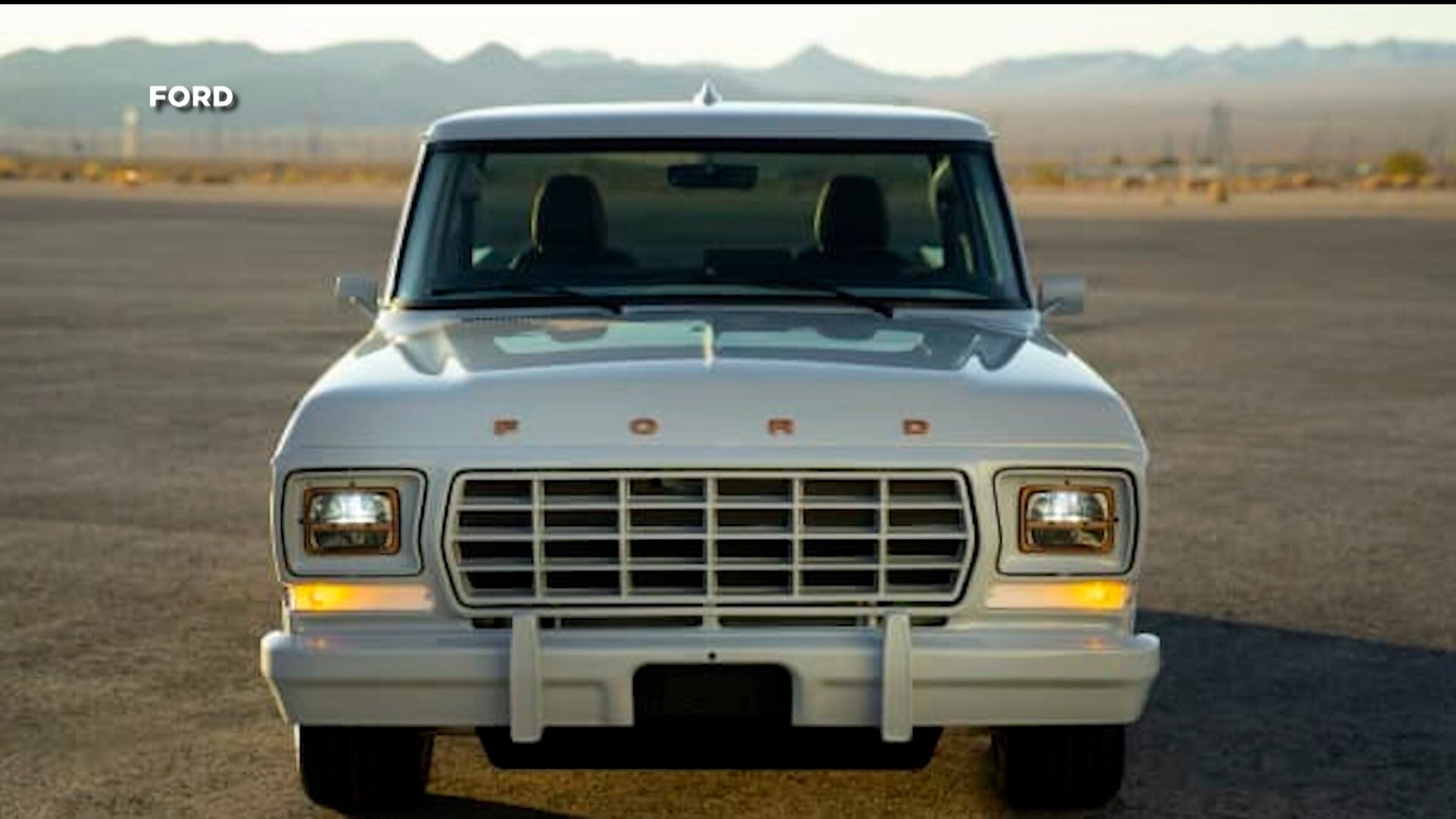
Amid an ongoing global semiconductor chip shortage, American automaker Ford has decided to open up supply chains of its own. Karl Brauer, an executive analyst at iSeeCars.com, joined Cheddar to discuss Ford's new partnership with multinational semiconductor maker GlobalFoundries to build those chips domestically. Brauer praised Ford for the move both for ongoing supply woes and the future of automobile manufacturing. "It's not just the supply chain," he said. "It's not just about getting chips, but maybe getting chips that are more customized and specific to your needs."
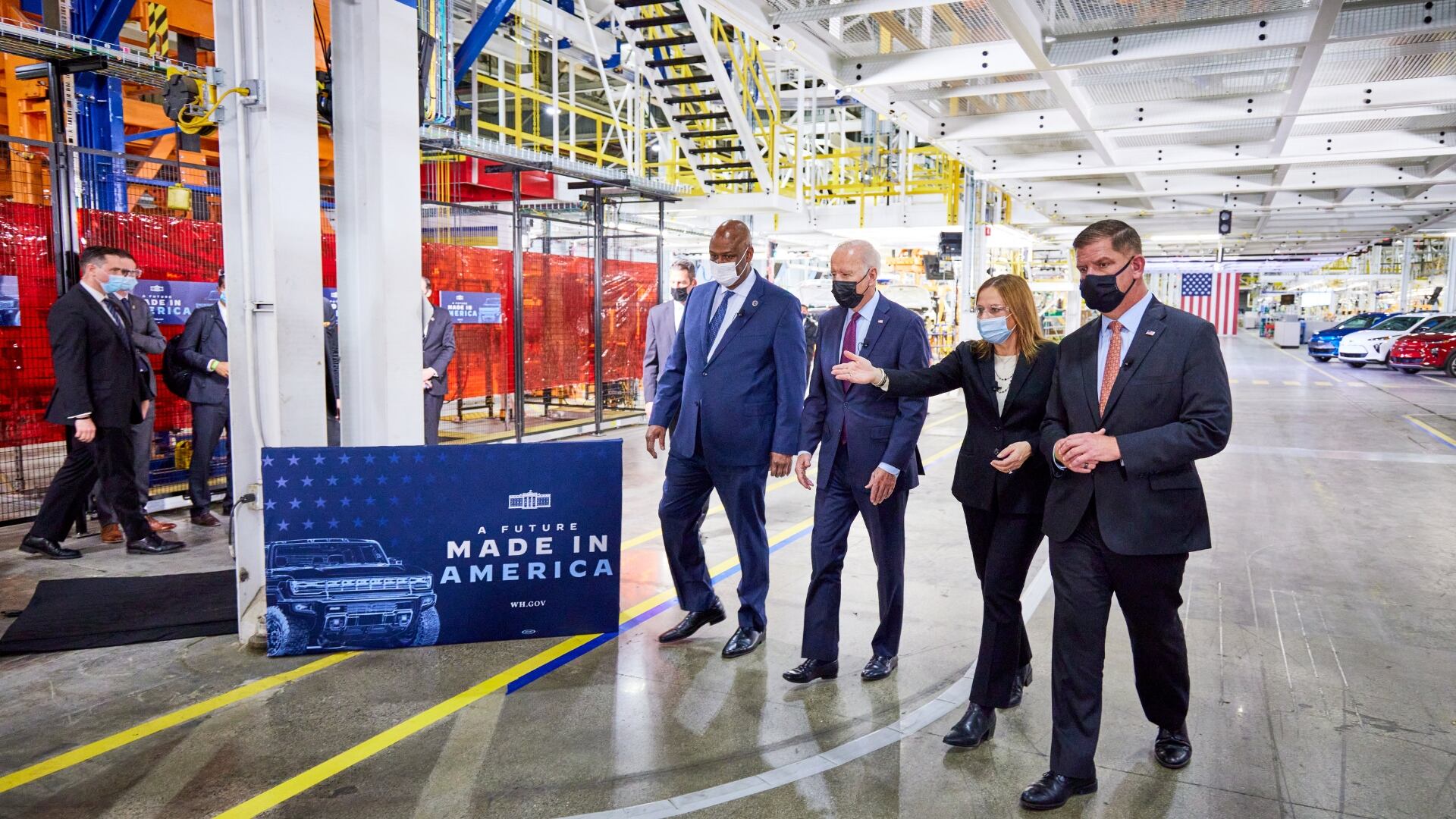
Gerald Johnson, Executive VP, Global Manufacturing and Sustainability at General Motors, joins Cheddar News to break down what Factory ZERO signifies for GM's all-electric future and why the auto manufacturer will be a leader in the growing EV industry.
Airlines are gearing up for a busy winter season as they continue to rebound from the pandemic. But jet fuel prices combined with the ongoing labor shortage could put a damper on those holiday gains. Christian Vernet, president of La Compagnie, the only all business class airline in the world, joined Cheddar for an update on the state of the airline industry and how it's dealing with the surge in demand after the U.S. reopened its border to international visitors.
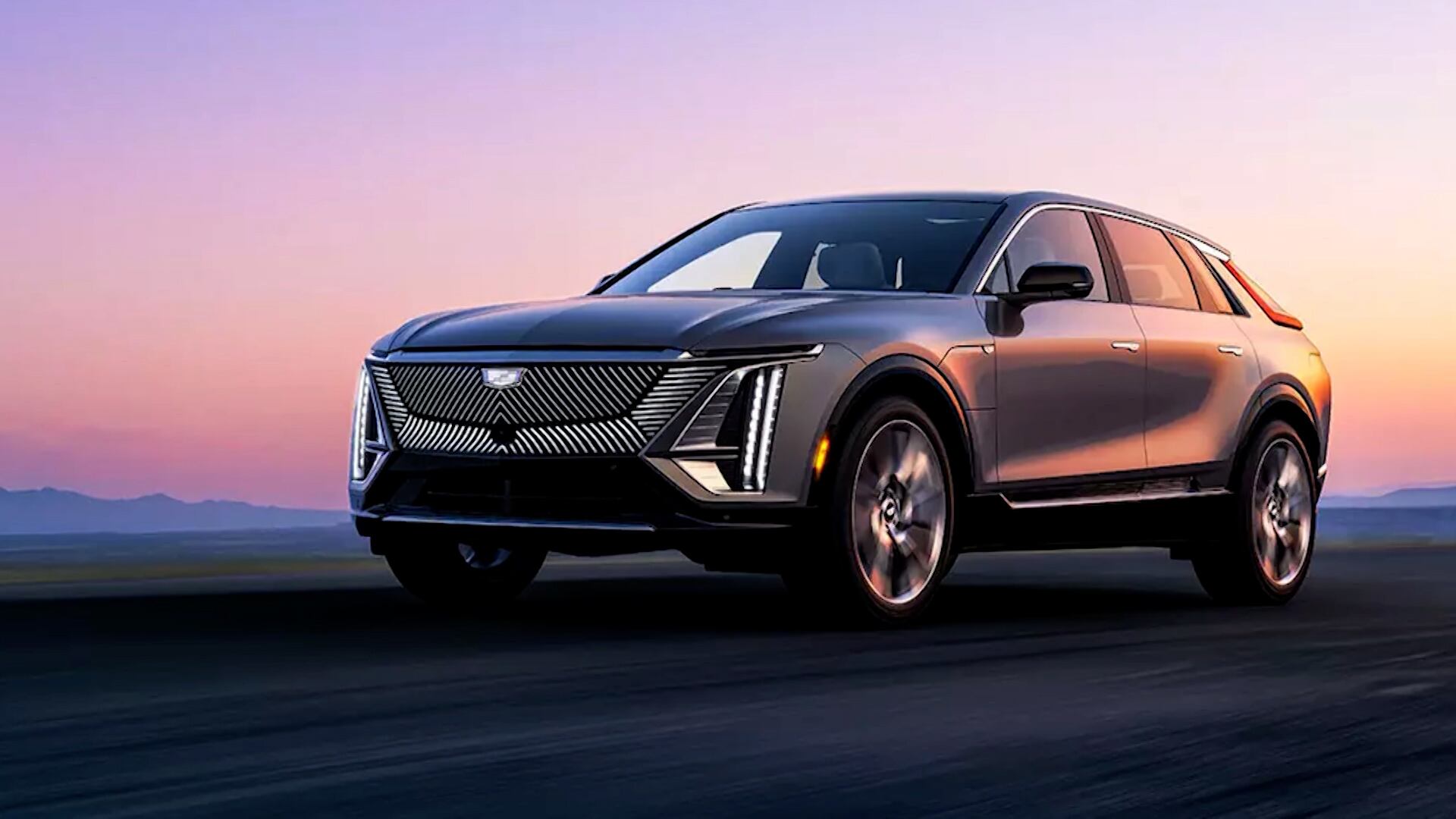
Cadillac is launching its first ever all-electric vehicle. The 2023 Lyriq boasts an estimated 300 mile range, $60,000 dollar starting price, a 33-inch advanced LED display, among many other features. The rollout comes as Cadillac has posted record third quarter global sales and plans to become all-electric by 2030. Rory Harvey, vice president of Cadillac, joined Cheddar to discuss what drivers can expect from the Lyriq, and how the brand has been able to deal with the ongoing chip shortage.