*By Alisha Haridasani*
Apple plans to introduce software that will reportedly help habitual iPhone users spend less time glued to their smartphones, a shift away from the company’s efforts to keep people more reliant on its hardware.
The company is expected to unveil its Digital Health initiative at the annual Worldwide Developers Conference next week in San Jose, [Bloomberg reported](https://www.bloomberg.com/news/articles/2018-05-31/apple-to-tout-digital-health-ar-features-at-software-conference). The tools, bundled with the new iOS mobile operating system, help monitor how much time people spend on their phones.
The Digital Health tools are likely a response to concerns raised by two of the company's shareholders in January about the possibly addictive nature of some smartphone apps, particularly among children. “We believe there is a clear need for Apple to offer parents more choices and tools to help them ensure that young consumers are using their products in an optimal manner,” the shareholders said in an [open letter](https://thinkdifferentlyaboutkids.com/).
Apple’s decision to encourage people to put down the company’s most popular product may seem counterintuitive, but it may also point towards a future business strategy for Apple that is more reliant on its services business, which includes Apple Music and iCloud.
The iPhone accounted for more than 60 percent of Apple's revenue in [Q2](https://www.apple.com/newsroom/pdfs/Q2_FY18_Data_Summary.pdf), but growth in sales have slowed in the past few years. Apple’s services, however, are starting to generate more revenue, surpassing revenue from iPads, Macs, and other accessories, such as Apple Watch and Apple TV.
Apple has tried to boost subscriptions for its Music service and has invested in producing original content, as competition with Spotify and Netflix heats up.
Mike Liebhold, Distinguished Fellow and Senior Technology Researcher, Institute for the Future, joins Cheddar Reveals to discuss what the future of the internet holds and why cell phones could give way to glasses and headsets as the most common way to access the Internet.
Catching you up on what you need to know on April 26, 2022, with Elon Musk’s purchase of Twitter for $44 billion, Russia warning of a possible threat of World War III, the FDA approving a COVID treatment for children under 12, and more.
The annual Edison Awards dive into the latest in the world of technology and innovation. Each year at the ceremony, the Edison Lifetime achievement is awarded to select individuals who have made a difference in the space. Cheddar News sat down with the 2022 honoree, Carmichael Roberts, co-founder and managing partner at Material Impact, to discuss.
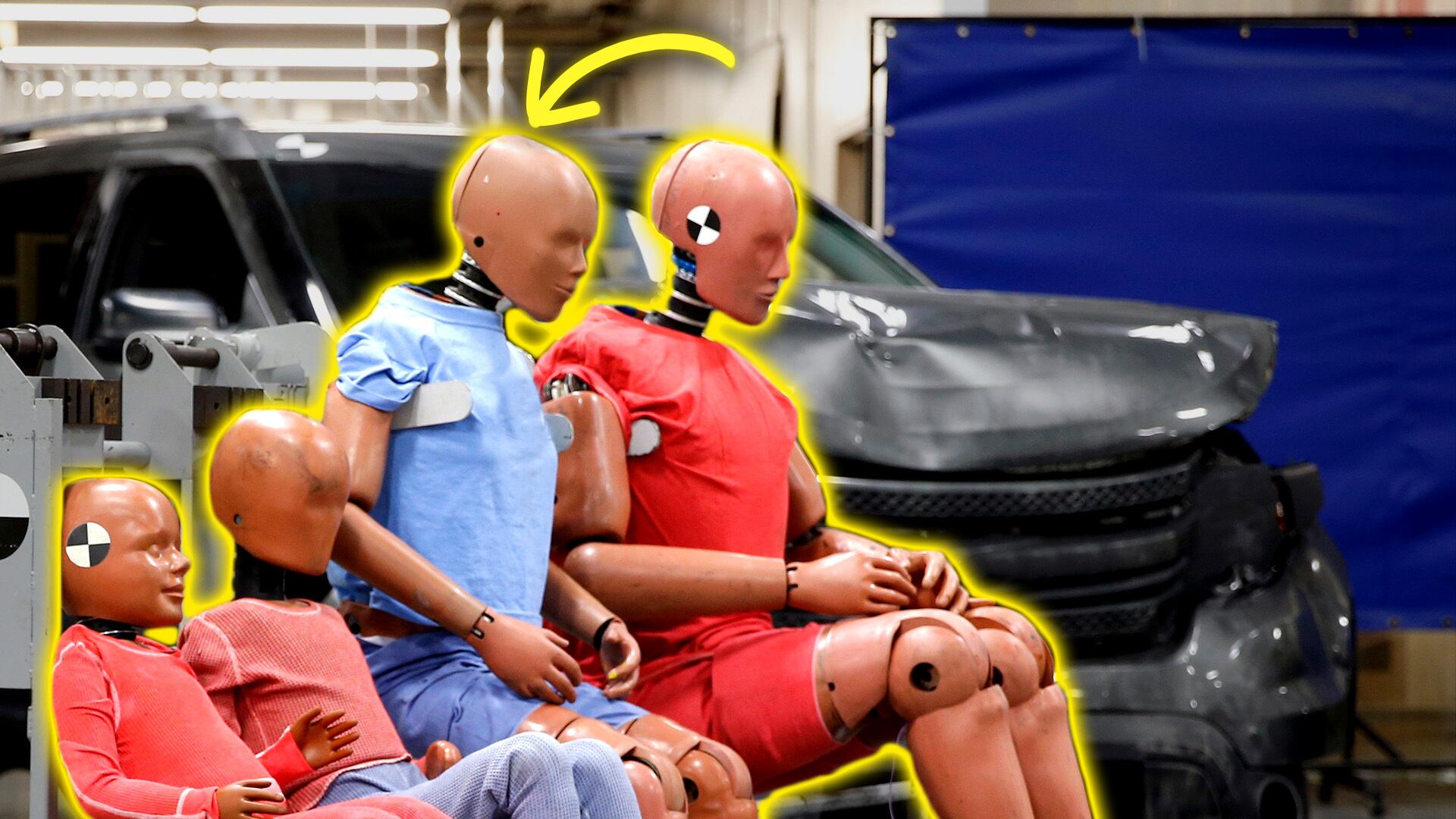
In February 2022, over 65 congressional members sent a letter to Secretary Buttigieg and the Department of Transportation urging the agency to update certain safety standards when it comes to crash testing. So, what exactly are advocates calling for and why do they say our crash tests need a major update?
Amid a spate of Big Tech earnings reports on the horizon, social media giant Twitter accepted Elon Musk’s $44 billion offer to buy the platform. Musk has already signaled his intention to take the company private, and Angelo Zino, a senior equity analyst for CFRA, joined Cheddar News to talk about tech-related business news and what taking Twitter private could mean for the company. "His kind of vision is clearly on softening his stance on content moderation. You're going to see him do it, and we'll kind of see what else he has in store in terms of the pipeline of enhancing the product out there," Zino said about Musk's plans. "But there's a lot more he can do as a private company than he can do as a public company."