*By Alisha Haridasani*
Apple plans to introduce software that will reportedly help habitual iPhone users spend less time glued to their smartphones, a shift away from the company’s efforts to keep people more reliant on its hardware.
The company is expected to unveil its Digital Health initiative at the annual Worldwide Developers Conference next week in San Jose, [Bloomberg reported](https://www.bloomberg.com/news/articles/2018-05-31/apple-to-tout-digital-health-ar-features-at-software-conference). The tools, bundled with the new iOS mobile operating system, help monitor how much time people spend on their phones.
The Digital Health tools are likely a response to concerns raised by two of the company's shareholders in January about the possibly addictive nature of some smartphone apps, particularly among children. “We believe there is a clear need for Apple to offer parents more choices and tools to help them ensure that young consumers are using their products in an optimal manner,” the shareholders said in an [open letter](https://thinkdifferentlyaboutkids.com/).
Apple’s decision to encourage people to put down the company’s most popular product may seem counterintuitive, but it may also point towards a future business strategy for Apple that is more reliant on its services business, which includes Apple Music and iCloud.
The iPhone accounted for more than 60 percent of Apple's revenue in [Q2](https://www.apple.com/newsroom/pdfs/Q2_FY18_Data_Summary.pdf), but growth in sales have slowed in the past few years. Apple’s services, however, are starting to generate more revenue, surpassing revenue from iPads, Macs, and other accessories, such as Apple Watch and Apple TV.
Apple has tried to boost subscriptions for its Music service and has invested in producing original content, as competition with Spotify and Netflix heats up.
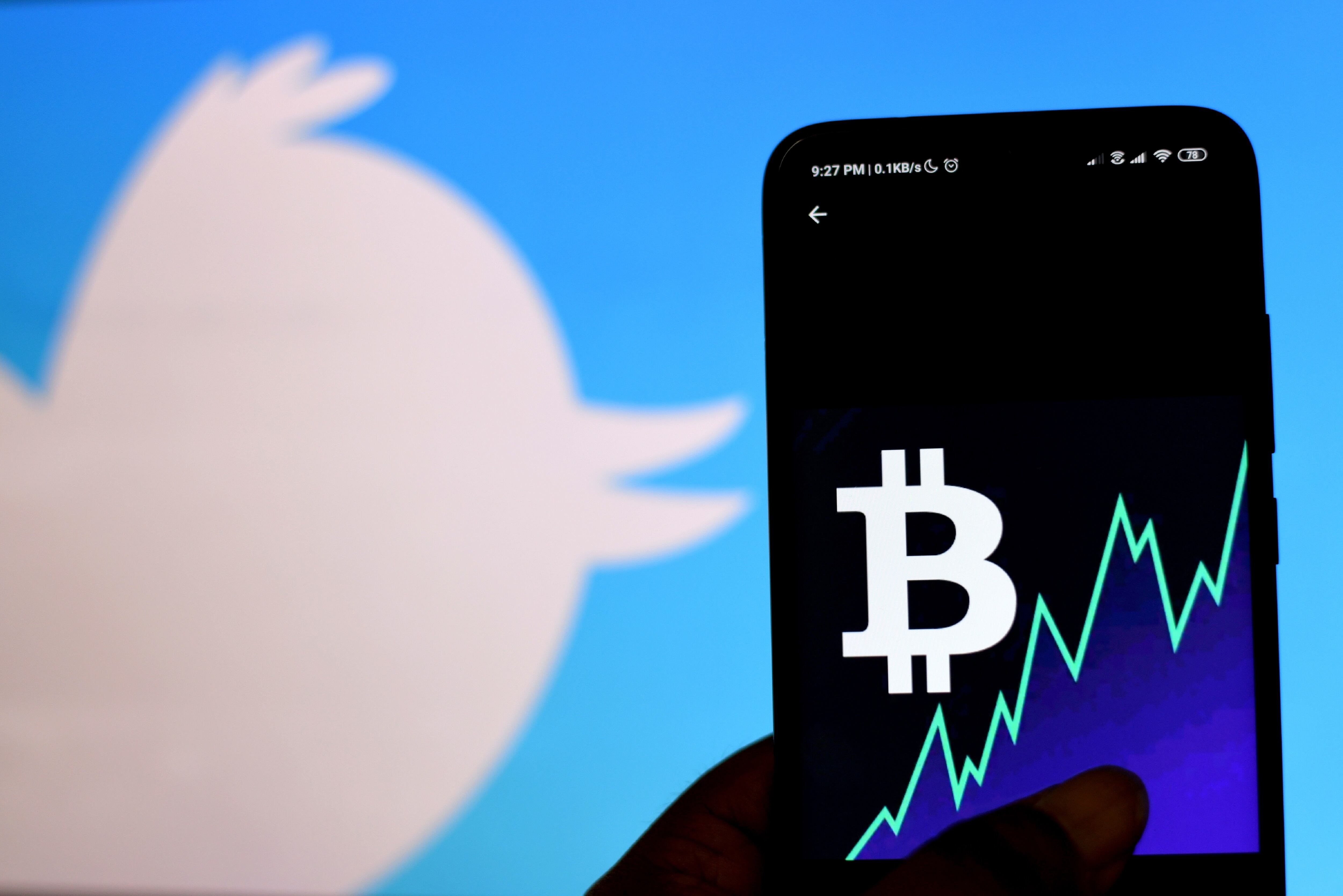
Catching you up on what you need to know on April 27, 2022, with Tesla stocks absorbing an initial hit following Elon Musk's purchase of Twitter, Russia pausing its natural gas supplies to Poland and Bulgaria, NASA's SpaceX Crew-4 mission taking off, and more.
General Motors reported a Q1 net income of $2.9 billion and a raise in their full-year guidance. This comes as the auto giant steps up production of its electric vehicles amid production headwinds. Paul Jacobson joined Cheddar News to talk about the earnings report and its ongoing electric vehicle strategy. "One of the things I'm most proud of is the fact that we're continuing to lean in and accelerate on our electric vehicle journey," he said. "When you think about it, we're going to produce 400,000 vehicles over the next two years by the end of 2023, and we'll have production capabilities up and will produce more than a million vehicles in North America alone in 2025."
Members-only home swapping network Kindred recently announced its launch alongside a $7.75 million seed round led by Andreessen Horowitz. Homeowners and renters can exchange homes on Kindred's platform, which the company says allows members to travel and take advantage of remote-work flexibility at the fraction of the cost of a hotel or rental home. Justin Palefsky and Tas Amina, co-founders of Kindred, join Cheddar News' Closing Bell to discuss.
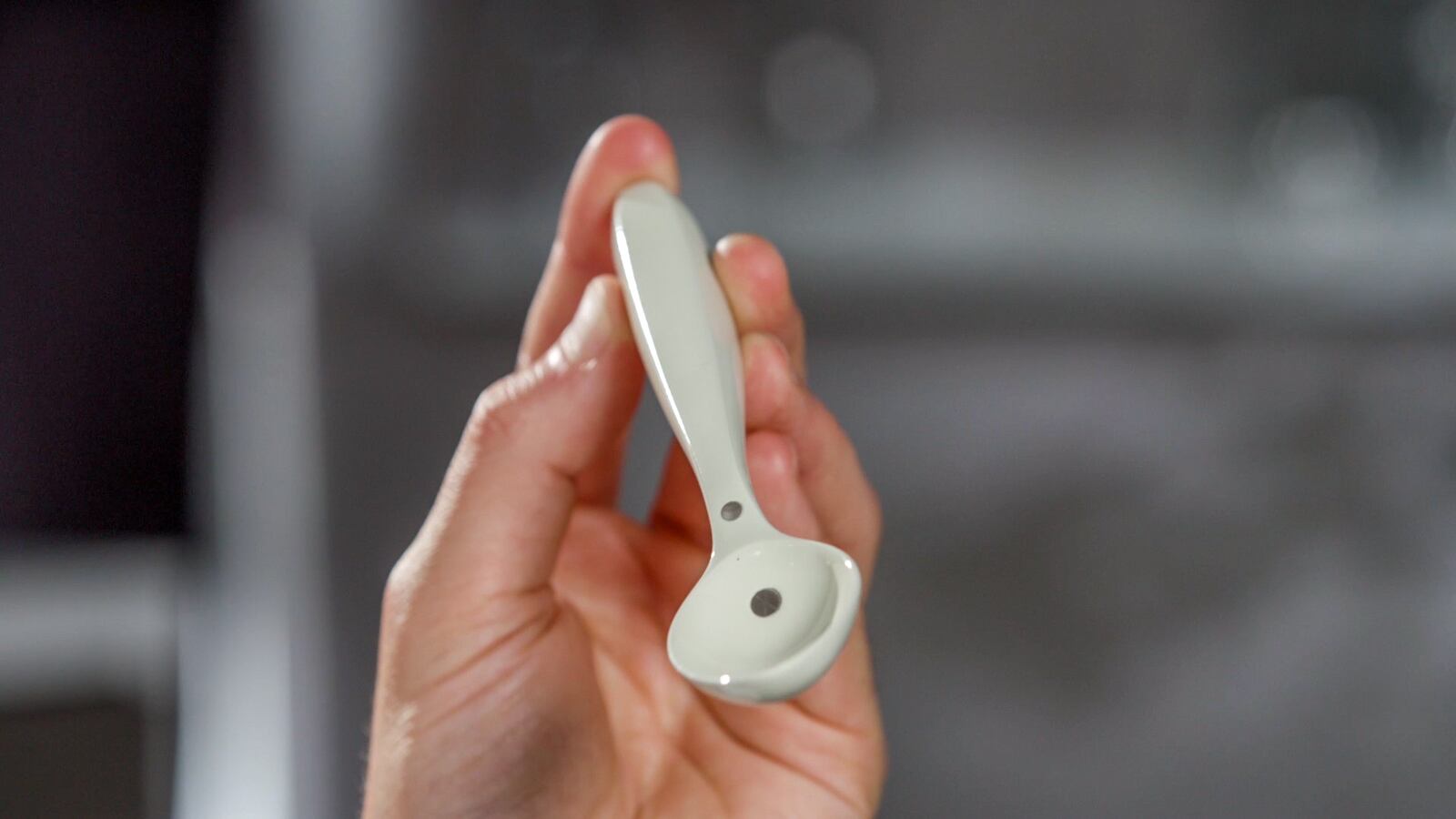
SpoonTEK is an eating utensil that uses new technology to enhance flavors. Co-founders Ken and Cameron Davidov join Cheddar News to explain how the high-tech silverware can not only boost taste but also the health of its user.
Judith Donath, Fellow at Harvard's Berkman Center, and the founder of the Sociable Media Group at the MIT Media Lab, joins Cheddar Reveals to take a trip back through the origins of the Internet and how it's shaped human behavior over decades.