*By Alisha Haridasani*
Apple plans to introduce software that will reportedly help habitual iPhone users spend less time glued to their smartphones, a shift away from the company’s efforts to keep people more reliant on its hardware.
The company is expected to unveil its Digital Health initiative at the annual Worldwide Developers Conference next week in San Jose, [Bloomberg reported](https://www.bloomberg.com/news/articles/2018-05-31/apple-to-tout-digital-health-ar-features-at-software-conference). The tools, bundled with the new iOS mobile operating system, help monitor how much time people spend on their phones.
The Digital Health tools are likely a response to concerns raised by two of the company's shareholders in January about the possibly addictive nature of some smartphone apps, particularly among children. “We believe there is a clear need for Apple to offer parents more choices and tools to help them ensure that young consumers are using their products in an optimal manner,” the shareholders said in an [open letter](https://thinkdifferentlyaboutkids.com/).
Apple’s decision to encourage people to put down the company’s most popular product may seem counterintuitive, but it may also point towards a future business strategy for Apple that is more reliant on its services business, which includes Apple Music and iCloud.
The iPhone accounted for more than 60 percent of Apple's revenue in [Q2](https://www.apple.com/newsroom/pdfs/Q2_FY18_Data_Summary.pdf), but growth in sales have slowed in the past few years. Apple’s services, however, are starting to generate more revenue, surpassing revenue from iPads, Macs, and other accessories, such as Apple Watch and Apple TV.
Apple has tried to boost subscriptions for its Music service and has invested in producing original content, as competition with Spotify and Netflix heats up.
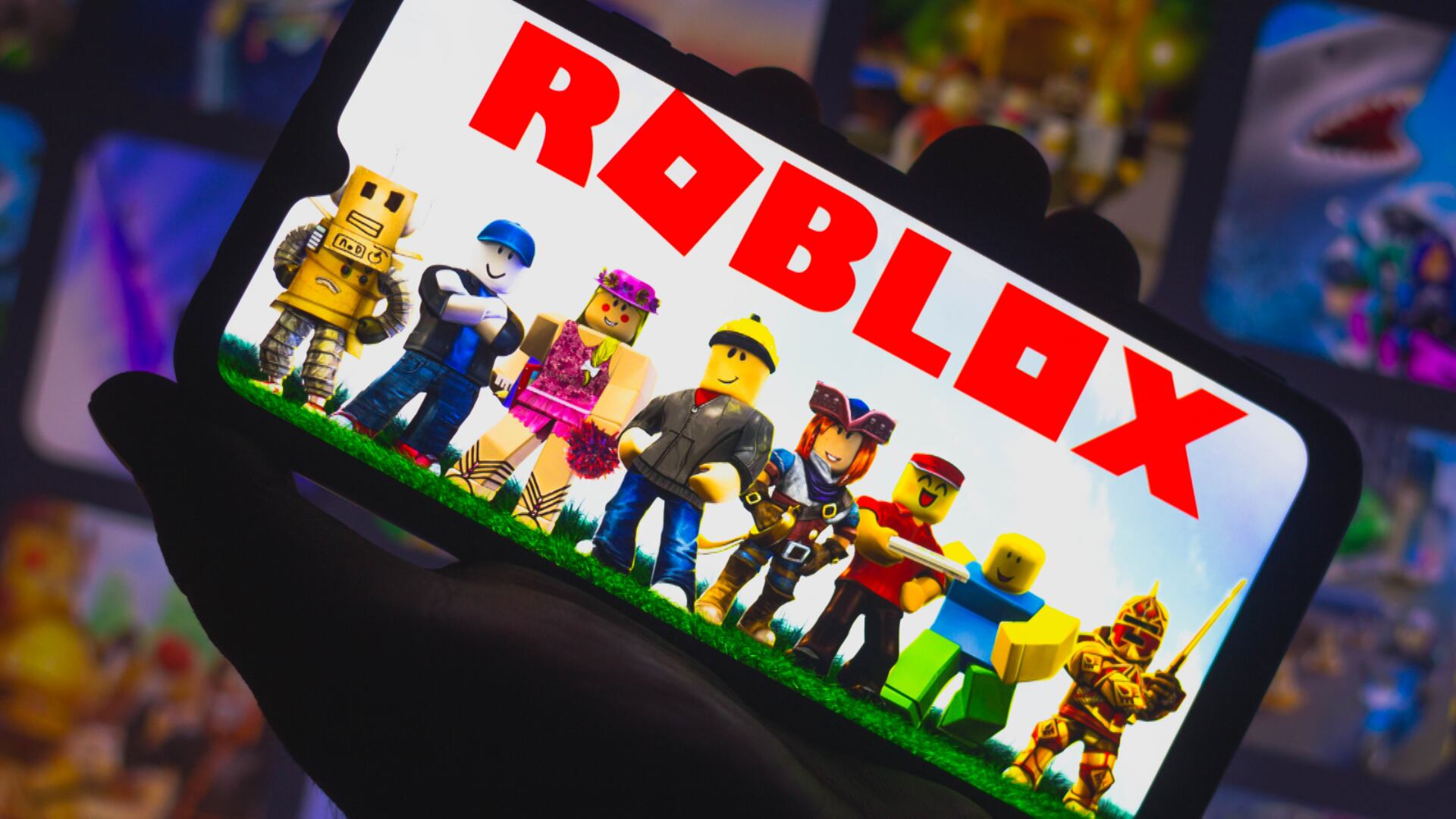
The popular online gaming platform for kids, Roblox, is reportedly expanding its offerings into the educational space. Ayal Shmilovich, managing partner at Gerber Kawasaki Wealth Investment Management, joined Cheddar to provide some insight into the report from the Wall Street Journal and how Roblox plans to incorporate the metaverse concept into schools. "I definitely think it helps them expand their market to a much broader audience," Shmilovich added. He also noted that Minecraft has 35 million users on its educational platform and was even more optimistic about Roblox's prospects.
President Biden is under some pressure from members of his own party over rising gas prices. Senate Majority Leader Chuck Schumer has called for the president to utilize oil reserves to lower gas prices ahead of the holiday season, as gas prices are currently at a seven-year high. Energy Workforce & Technology Council CEO Leslie Beyer joins Cheddar News' Closing Bell to discuss.
Roblox is getting into education. The gaming platform is investing $10 million into developing educational video games for middle schools, high schools, and colleges across the country. This marks the first time Roblox is putting money into developing games for the platform, and it comes as Roblox also plans to build a stake in the metaverse. Sarah Needleman, technology reporter for The Wall Street Journal, breaks it all down for Cheddar.
Russia is being blamed for putting the International Space Station and its crew at risk after it fired a missile during a weapons test at a non-functional satellite. NASA has said that the debris from the explosion could potentially orbit the Earth for decades.
The collaboration platform Slack is launching a massive revamp at its annual customer conference, aimed at creating a more flexible and connected work experience. CEO and co-founder Stewart Butterfield joined Cheddar to provide some additional details about the digital HQ upgrade.
Bob Sutor, the chief quantum exponent at IBM, joined Cheddar to break down what the tech giant's new 127 qubit quantum processor, dubbed Eagle, will mean for computing. "We've broken through the way to scale these quantum devices to be bigger and bigger and therefore to be more useful," he explained. According to Sutor, quantum computing breakthroughs will provide faster or entirely novel solutions to complex, real-world problems in medicine, the creation of new materials, and even optimizing financial services.