*By Alisha Haridasani*
Apple plans to introduce software that will reportedly help habitual iPhone users spend less time glued to their smartphones, a shift away from the company’s efforts to keep people more reliant on its hardware.
The company is expected to unveil its Digital Health initiative at the annual Worldwide Developers Conference next week in San Jose, [Bloomberg reported](https://www.bloomberg.com/news/articles/2018-05-31/apple-to-tout-digital-health-ar-features-at-software-conference). The tools, bundled with the new iOS mobile operating system, help monitor how much time people spend on their phones.
The Digital Health tools are likely a response to concerns raised by two of the company's shareholders in January about the possibly addictive nature of some smartphone apps, particularly among children. “We believe there is a clear need for Apple to offer parents more choices and tools to help them ensure that young consumers are using their products in an optimal manner,” the shareholders said in an [open letter](https://thinkdifferentlyaboutkids.com/).
Apple’s decision to encourage people to put down the company’s most popular product may seem counterintuitive, but it may also point towards a future business strategy for Apple that is more reliant on its services business, which includes Apple Music and iCloud.
The iPhone accounted for more than 60 percent of Apple's revenue in [Q2](https://www.apple.com/newsroom/pdfs/Q2_FY18_Data_Summary.pdf), but growth in sales have slowed in the past few years. Apple’s services, however, are starting to generate more revenue, surpassing revenue from iPads, Macs, and other accessories, such as Apple Watch and Apple TV.
Apple has tried to boost subscriptions for its Music service and has invested in producing original content, as competition with Spotify and Netflix heats up.
Jill and Carlo cover the latest on Omicron, another school shooting in America and more. Plus, bidding farewell to 'transitory' inflation, and the controversy surrounding 'Lovely Bones' author Alice Sebold.
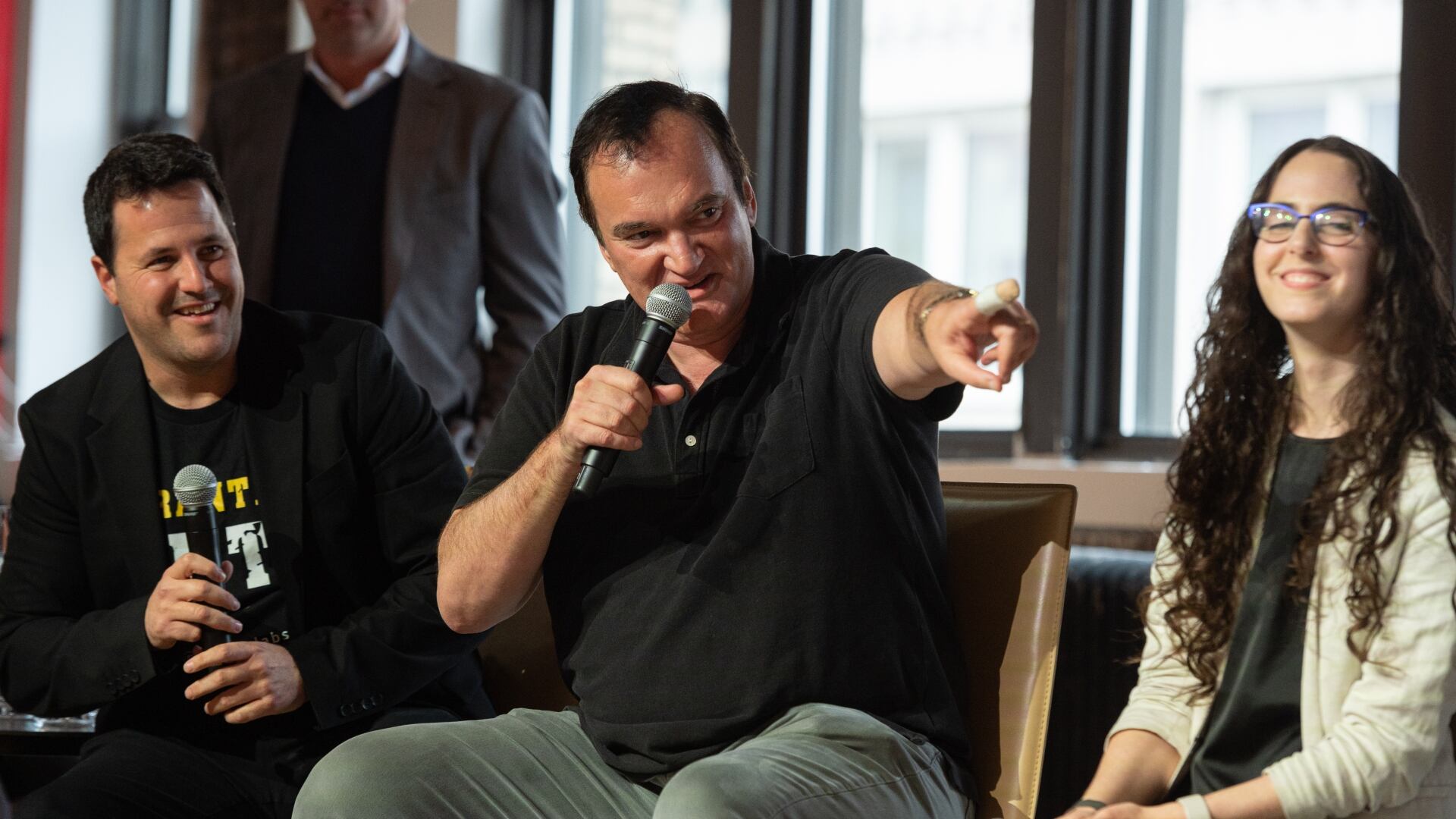
Capitalizing on the NFT hype while riding the rush to all things '90s, tarantino announced earlier this month a planned sale of NFTs based off his hand-written, original script of 'Pulp Fiction.' Days after the announcement, the studio that produced the iconic film, Miramax, filed suit against Tarentino. Kal Raustiala, Professor of comparative and international law at UCA joins Cheddar News.
Sam Burd, president of Dell Technologies Client Solutions Group, joined Cheddar to talk about the firm's Q3 earnings beat and what consumers can expect from the tech company in the future. He noted a return to offices alongside the overall change to how people work as sources for the earnings beat. Burd also discussed how the company has been able to navigate the ongoing global semiconductor chip shortage.
Sarav Arunachalam, air pollution scientist at the University of North Carolina at Chapel Hill, joins Cheddar Climate, where he discusses what he needs to happen when it comes to EV production on a global level to help reduce the effects of climate change.
In recent years, extreme weather events like flooding and wildfires have become more frequent, and more severe - and scientists say global warming is to blame. Climate crises could leave people in need of help, and that's where Global Rescue steps in. The crisis response firm employs former Navy Seals and Army Rangers to rescue travelers from climate-related emergencies. Global Rescue CEO Dan Richards joins Cheddar Climate to discuss.