*By Alisha Haridasani*
Apple plans to introduce software that will reportedly help habitual iPhone users spend less time glued to their smartphones, a shift away from the company’s efforts to keep people more reliant on its hardware.
The company is expected to unveil its Digital Health initiative at the annual Worldwide Developers Conference next week in San Jose, [Bloomberg reported](https://www.bloomberg.com/news/articles/2018-05-31/apple-to-tout-digital-health-ar-features-at-software-conference). The tools, bundled with the new iOS mobile operating system, help monitor how much time people spend on their phones.
The Digital Health tools are likely a response to concerns raised by two of the company's shareholders in January about the possibly addictive nature of some smartphone apps, particularly among children. “We believe there is a clear need for Apple to offer parents more choices and tools to help them ensure that young consumers are using their products in an optimal manner,” the shareholders said in an [open letter](https://thinkdifferentlyaboutkids.com/).
Apple’s decision to encourage people to put down the company’s most popular product may seem counterintuitive, but it may also point towards a future business strategy for Apple that is more reliant on its services business, which includes Apple Music and iCloud.
The iPhone accounted for more than 60 percent of Apple's revenue in [Q2](https://www.apple.com/newsroom/pdfs/Q2_FY18_Data_Summary.pdf), but growth in sales have slowed in the past few years. Apple’s services, however, are starting to generate more revenue, surpassing revenue from iPads, Macs, and other accessories, such as Apple Watch and Apple TV.
Apple has tried to boost subscriptions for its Music service and has invested in producing original content, as competition with Spotify and Netflix heats up.
2021 saw markets continue to be impacted by the onslaught of the coronavirus pandemic -most recently in the form of the Omicron variant- in addition to the global supply chain shortage, and increased inflation. But it wasn't all bad news, as crypto soared throughout the year, and meme stocks continued to have a moment. With the year coming to a close, investors are keeping an eye out to see if they should expect more of the same in the new year. Chris Vecchio, Senior Analyst, at DailyFX tells us what market trends to be on the watch for in 2022.
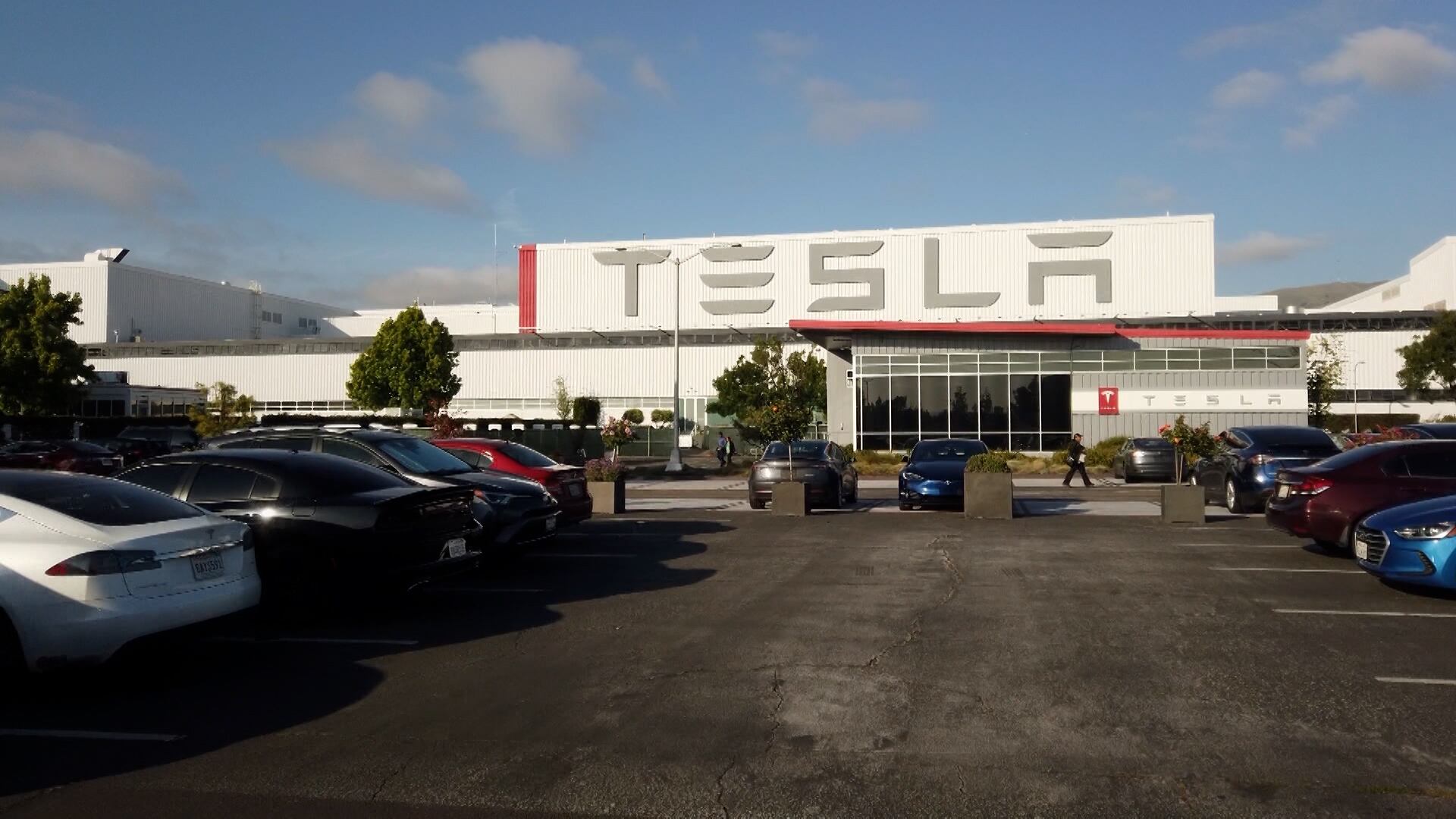
2021 proved to be yet another formidable year for Tesla. In a year that saw electric vehicles carve out their own space in the transportation world, the company made further strides, keeping its spot on top even as new companies threatened competition. Tesla was able to hit the trillion dollar valuation mark, increase vehicle deliveries even as the world grappled with supply chain and delivery issues and sign a major deal with Hertz this year. And of course, you can't talk about Tesla without talking about Elon Musk, CEO and founder of the company, richest man in the world and Time Magazine Person of the Year, who saw plenty of successes in 2021 as well. Al Root, Senior Writer at Barron’s, explains just how good a year it was for Tesla.
David Ewalt, Editor-in-Chief at Gizmodo joins Cheddar News to discuss a TikTok moderator suing the platform over mental trauma caused by graphic videos
Daniel Newman, Founding Partner and Principal Analyst at Futurum Research, joins Cheddar News' Closing Bell, where he says the markets are going to feel very uncomfortable receiving news of more potential setbacks for chip manufacturers after already enduring a lengthy chip shortage.