If the reports are true, Apple ($AAPL) will be testing out a new strategy for its all-important fall hardware event. Traditionally, this year would be what's come to be known in Apple parlance as a "mid-cycle" upgrade year: some feature and processor refreshing, but no major overhauls of its core iPhone, iPad, and MacBook lines.
But reading the tea leaves from a Bloomberg report published Thursday, Apple's plans this year go further than what would be typical of a mid-cycle refresh.
In addition to iPad and MacBook refreshes, Apple plans to unveil three new iPhones, according to Bloomberg, including a "Pro" line to replace the XS. The upgraded iPhone Pro will reportedly include a major overhaul to the camera to include a third, wide-angle sensor that will essentially take three photos and use A.I. to stitch them together into one image. Samsung has made huge strides in its phone camera tech, and the Galaxy S10's ultrawide camera is increasingly seen as the smartphone camera to beat.
The new line of iPhones are said to also include reverse wireless charging, enhanced Face ID, increased water-resistance, faster chips for A.R. ー though no 5G capability.
Dan Ives, managing director of equity research for Wedbush Securities and a full-time Apple watcher, told Cheddar that Apple is leaning into the mid-upgrade cycle in a bid to offer just enough new features to convince customers who may be on the fence about upgrading to pull the trigger.
"Apple realizes there's 350 million iPhones in upgrade opportunity," Ives said. "That's what the focus is going to be."
After a disastrous holiday quarter last year, a successful fall hardware launch needs to show investors that Apple is still capable of driving demand for iPhone even in off years, especially overseas. Ives said he expects Apple could sell 75 million to 80 million new iPhones in the first few months, but it will be dependent on China, which accounts for 20 percent of the iPhone upgrade market.
"This will not be successful if iPhone demand in China has not shown growth," he said.
Apple is taking a calculated risk by not waiting until 2020, when it has said it expects to be able to provide 5G technology in new devices. The hope, according to Ives, is that the average iPhone user, who hasn't purchased a new device in three years, will be swayed by the camera technology and faster processor that are expected to be revealed in the next month. "I do not believe many can wait until 5G," Ives said.
It will be a busy fall for the Cupertino-based company. Apple's subscription streaming service TV+, rumored to be priced at $10/month, is also expected to launch before the holidays. Ives is more bullish than some on the success of TV+, predicting it could reach 100 million consumers in three to four years. "But they're going to need more content," he said. "They significantly have to step up their game." Ives predicts Apple will ink major acquisition deals with big studios in the coming years when it becomes apparent it can't possibly produce enough high-end content on its own to catch up to Disney, HBO, or Netflix.
With the resurgence in COVID cases and the uncertainty of the Omicron variant, many companies, like Apple, Ford, Google, and countless others, are delaying their return-to-office dates. This means employees will continue to work from home full time or continue a hybrid approach, which can cause some challenges. Executive coach Stefania Romeo joined Cheddar to discuss how companies can best manage the difficulties of hybrid work.
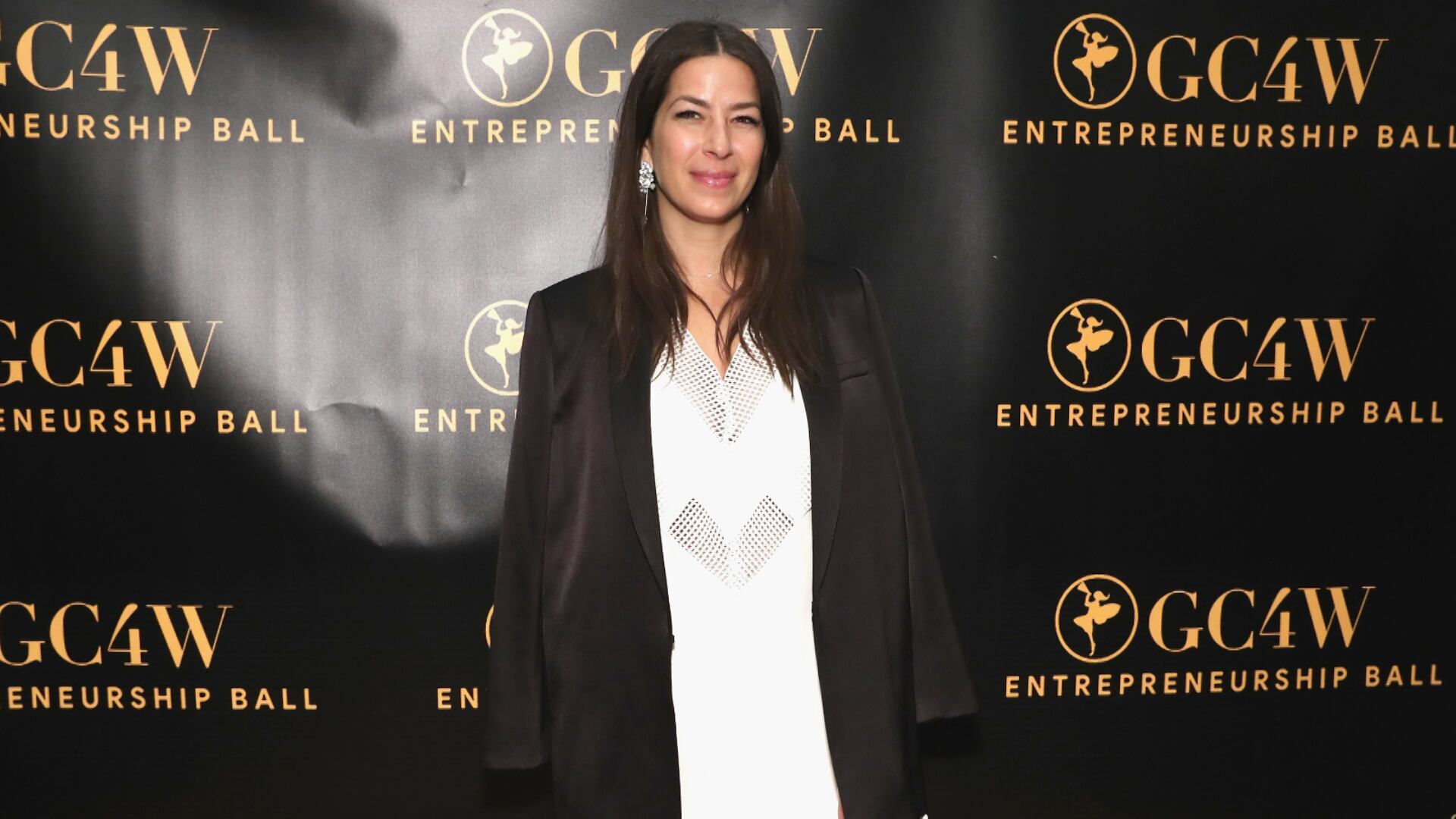
Rebecca Minkoff is launching a new initiative through her non-profit, Female Founder Collective. A former Wall Street analyst and financial strategist will be coaching new founders to focus on their financial transformation, from getting their business financially organized to uncovering opportunities to increase revenue. The renowned founder and fashion designer joined Cheddar to discuss this new program and the advice she gives to female founders hoping to get their business off the ground.
Omicron is on course to become the dominant COVID strain in the U.S., even as Delta is causing another spike in cases. According to Johns Hopkins University data, cases across the country are up 40% from last month, with New York City as a major hotspot. Outbreaks are now causing Broadway performances to be canceled, colleges and universities to shift to online classes, sports leagues to postpone games, and more. Dr. Jen Caudle, family physician and associate professor at Rowan University, joined Cheddar to discuss the surge in cases and how we can best protect ourselves against the new variant.
As supply chain issues continue to impact holiday shopping, many consumers are discovering that certain items are harder to find and are more expensive than in past years. However, secondary market platforms are one solution to that problem, offering shoppers an alternative place to find their favorite gifts. Jesse Einhorn, StockX senior economist, joined Cheddar to discuss how are platforms like StockX are a viable way for shoppers to avoid supply chain delays this holiday season.
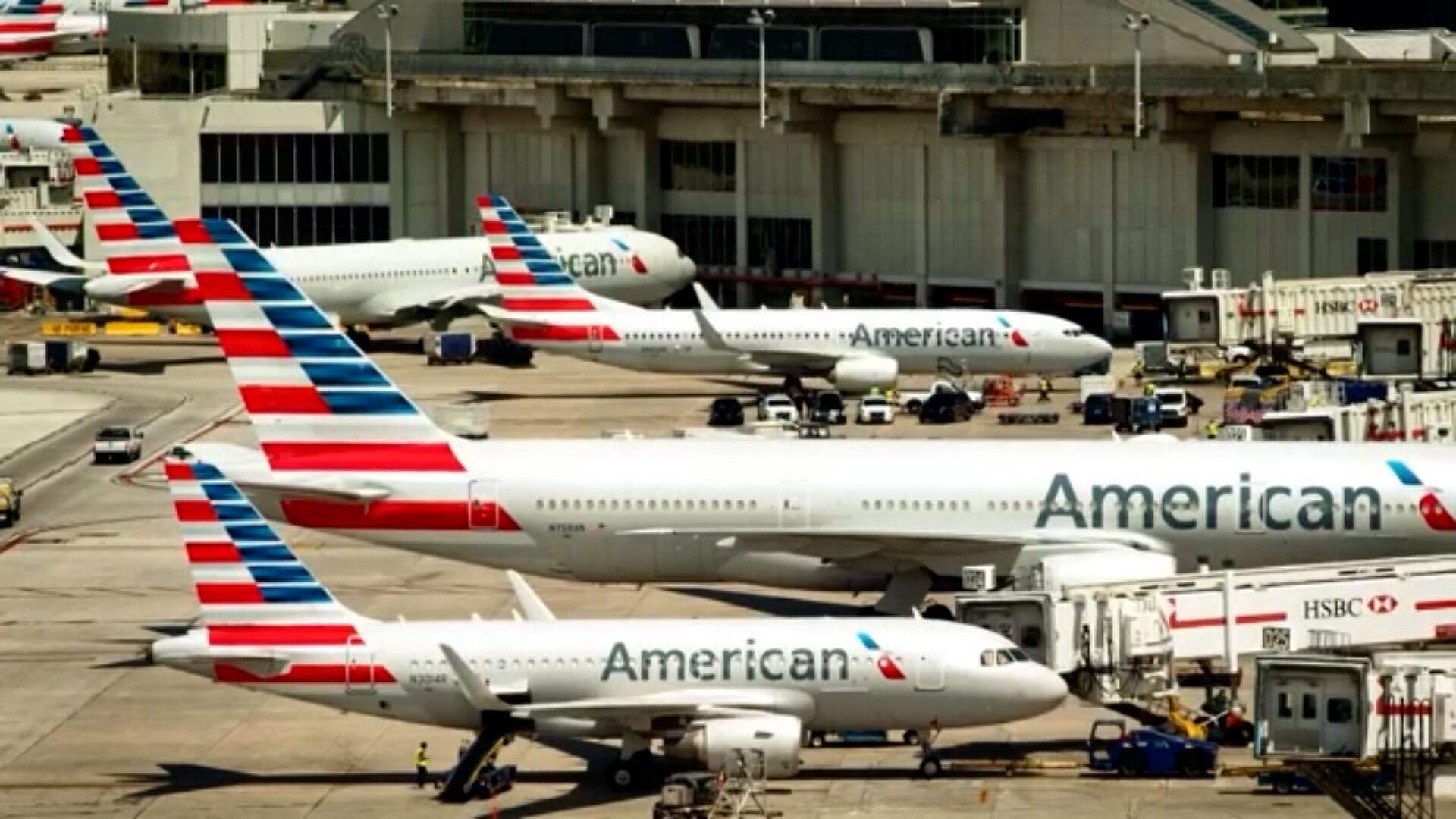
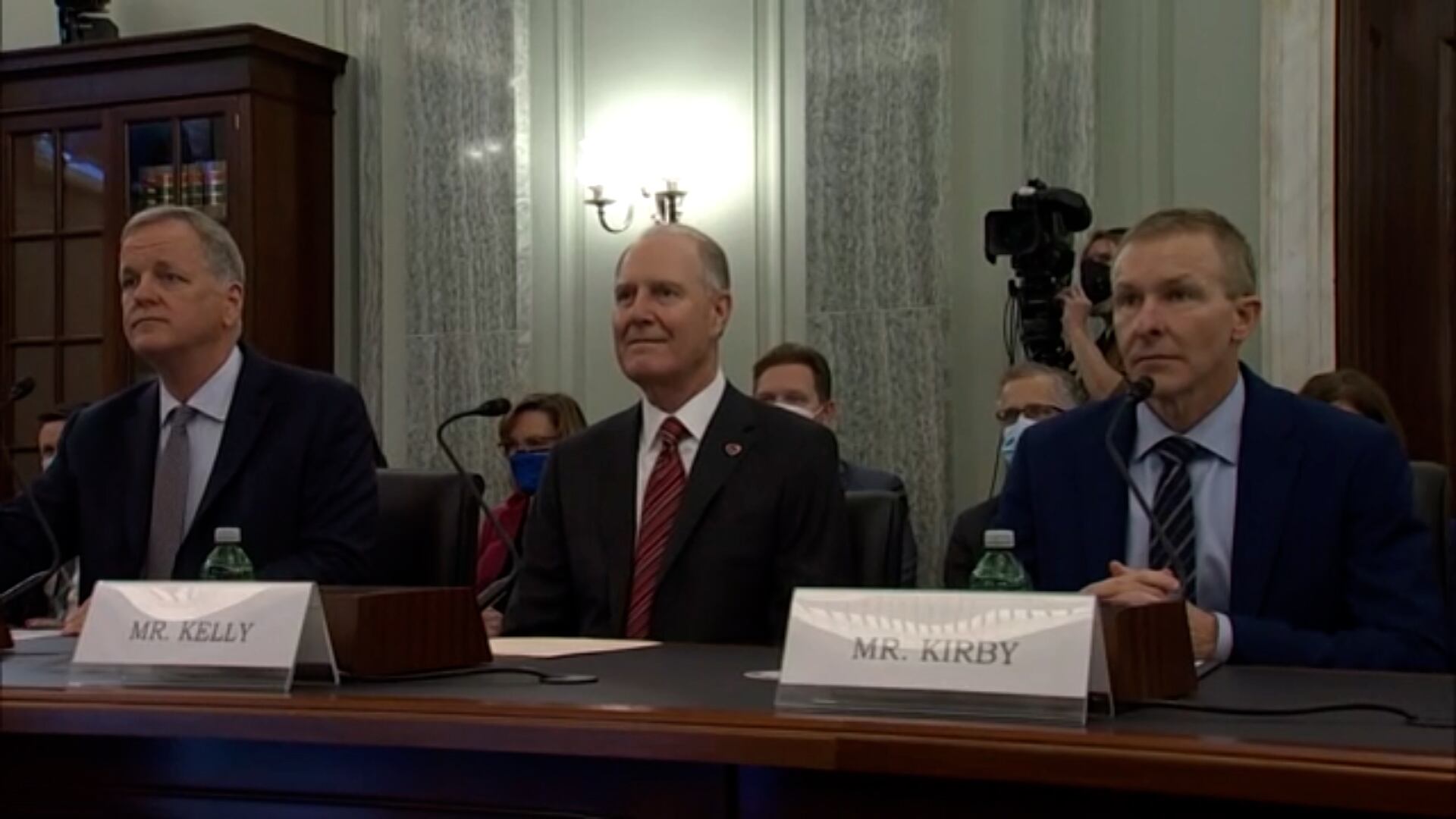
Airline executives faced tough questions from Congress on Wednesday, with the Senate panel grilling top CEOs on how they used that $54 billion Covid-19 government lifeline.
This hearing comes as airlines continue to face staffing shortages and widespread delays. Jason Ader, Leisure Analyst and CEO of SpringOwl Asset Management joined Cheddar's Opening Bell to discuss.
Cockroach Labs Chief Product Officer Nate Stewart joined Wake Up With Cheddar to break down the company's Series F funding and the opportunities for growth it helps open up.
Airline executives faced tough questions from a Senate panel on Wednesday after receiving a $54 billion dollar Covid-19 government lifeline. Congress approved the fund in three rounds covering much of US airlines’ payroll costs for 18 months. During the hearing lawmakers asked CEO’s how they used the federal bailout funds, about staffing issues, flight cancellations, and delays. U.S. airlines reported a record $35 billion dollar loss last year when travel came to an abrupt halt because of the pandemic. Michael Boyd, CEO at the Boyd Group International explains why customers may not be returning to the skies quite so soon.