If the reports are true, Apple ($AAPL) will be testing out a new strategy for its all-important fall hardware event. Traditionally, this year would be what's come to be known in Apple parlance as a "mid-cycle" upgrade year: some feature and processor refreshing, but no major overhauls of its core iPhone, iPad, and MacBook lines.
But reading the tea leaves from a Bloomberg report published Thursday, Apple's plans this year go further than what would be typical of a mid-cycle refresh.
In addition to iPad and MacBook refreshes, Apple plans to unveil three new iPhones, according to Bloomberg, including a "Pro" line to replace the XS. The upgraded iPhone Pro will reportedly include a major overhaul to the camera to include a third, wide-angle sensor that will essentially take three photos and use A.I. to stitch them together into one image. Samsung has made huge strides in its phone camera tech, and the Galaxy S10's ultrawide camera is increasingly seen as the smartphone camera to beat.
The new line of iPhones are said to also include reverse wireless charging, enhanced Face ID, increased water-resistance, faster chips for A.R. ー though no 5G capability.
Dan Ives, managing director of equity research for Wedbush Securities and a full-time Apple watcher, told Cheddar that Apple is leaning into the mid-upgrade cycle in a bid to offer just enough new features to convince customers who may be on the fence about upgrading to pull the trigger.
"Apple realizes there's 350 million iPhones in upgrade opportunity," Ives said. "That's what the focus is going to be."
After a disastrous holiday quarter last year, a successful fall hardware launch needs to show investors that Apple is still capable of driving demand for iPhone even in off years, especially overseas. Ives said he expects Apple could sell 75 million to 80 million new iPhones in the first few months, but it will be dependent on China, which accounts for 20 percent of the iPhone upgrade market.
"This will not be successful if iPhone demand in China has not shown growth," he said.
Apple is taking a calculated risk by not waiting until 2020, when it has said it expects to be able to provide 5G technology in new devices. The hope, according to Ives, is that the average iPhone user, who hasn't purchased a new device in three years, will be swayed by the camera technology and faster processor that are expected to be revealed in the next month. "I do not believe many can wait until 5G," Ives said.
It will be a busy fall for the Cupertino-based company. Apple's subscription streaming service TV+, rumored to be priced at $10/month, is also expected to launch before the holidays. Ives is more bullish than some on the success of TV+, predicting it could reach 100 million consumers in three to four years. "But they're going to need more content," he said. "They significantly have to step up their game." Ives predicts Apple will ink major acquisition deals with big studios in the coming years when it becomes apparent it can't possibly produce enough high-end content on its own to catch up to Disney, HBO, or Netflix.
Christopher Wolfe, CIO at First Republic Private Wealth Management, joins Cheddar News' Closing Bell, where he says he is surprised that the first quarter was the first down period in a long time, but adds that the second quarter could be difficult with a lot of volatility expected.
Jeffrey Small, President of Arbor Financial, joins Chedar News' Closing Bell, where he breaks down why stocks closed near session lows on Wednesday and tells viewers what to expect ahead of next earnings season.
Almost every industry now uses online shopping and ordering, but some products require a different packing material, and many times, shipping products can be wasteful. TemperPack aims to solve both issues with its ClimaCell liners, which you might recognize if you have ever ordered a meal subscription kit. Brian Powers, co-founder and Chief Growth Officer at TemperPack, joins Closing Bell to discuss TemperPack's ClimaCell liners, the company's sustainability mission, its corporate customer base, and more.
Uber and Lyft drivers are cruising in Washington State, the first U.S. state to set an earnings standard for drivers for the ride-hailing companies. Governor Jay Inslee signed the new minimum pay standard into law Thursday, which also gives drivers access to perks like paid sick time and family medical leave. John Logan, Director of Labor and Employment Studies at San Francisco State University, joins Cheddar News' Closing Bell to discuss.
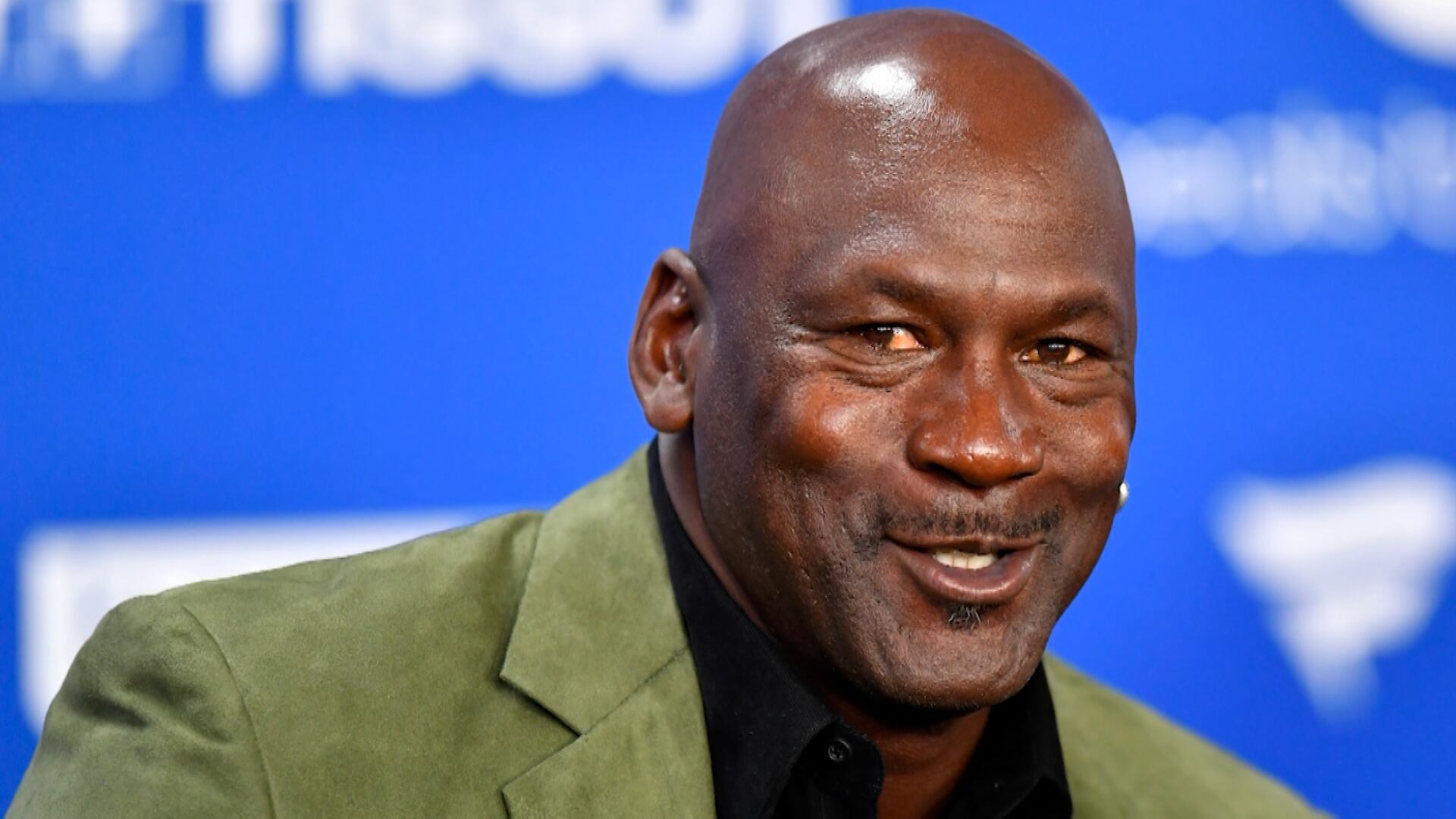
Carsten Koerl, CEO of Sportradar, joins Cheddar News' Closing Bell, where he explains how his company is bolstering the platforms of sports betting and streaming networks, and discusses basketball legend and Sportradar investor Michael Jordan's role in helping the company grow.
A new NFT network claims it is disrupting the art market, and is doing so by following in the footsteps of art legends Andy Warhol and Jean-Michel Basquiat. Tripsters says it is creating a new and revolutionary concept in the NFT space, by allowing users to combine two NFTs in order to create a new third NFT. Tripsters says the feature will be compatible with multiple NFT collections in the future, but the first Tripsters' airdrop will be compatible with the Bored Ape Yacht Club collection. Jayson Winer, co-founder of Tripsters, and Oskar Kowalski, a senior advisor for the startup, join Cheddar News' Closing Bell to discuss.
Dimitri Dadiomov, CEO and Co-Founder of Modern Treasury, joins Cheddar News' Closing Bell, where he elaborates on how his firm plans to deploy its latest dose of funding and how Modern Treasury is working with banking giants like JPMorgan and Citi to help businesses move money more confidently.
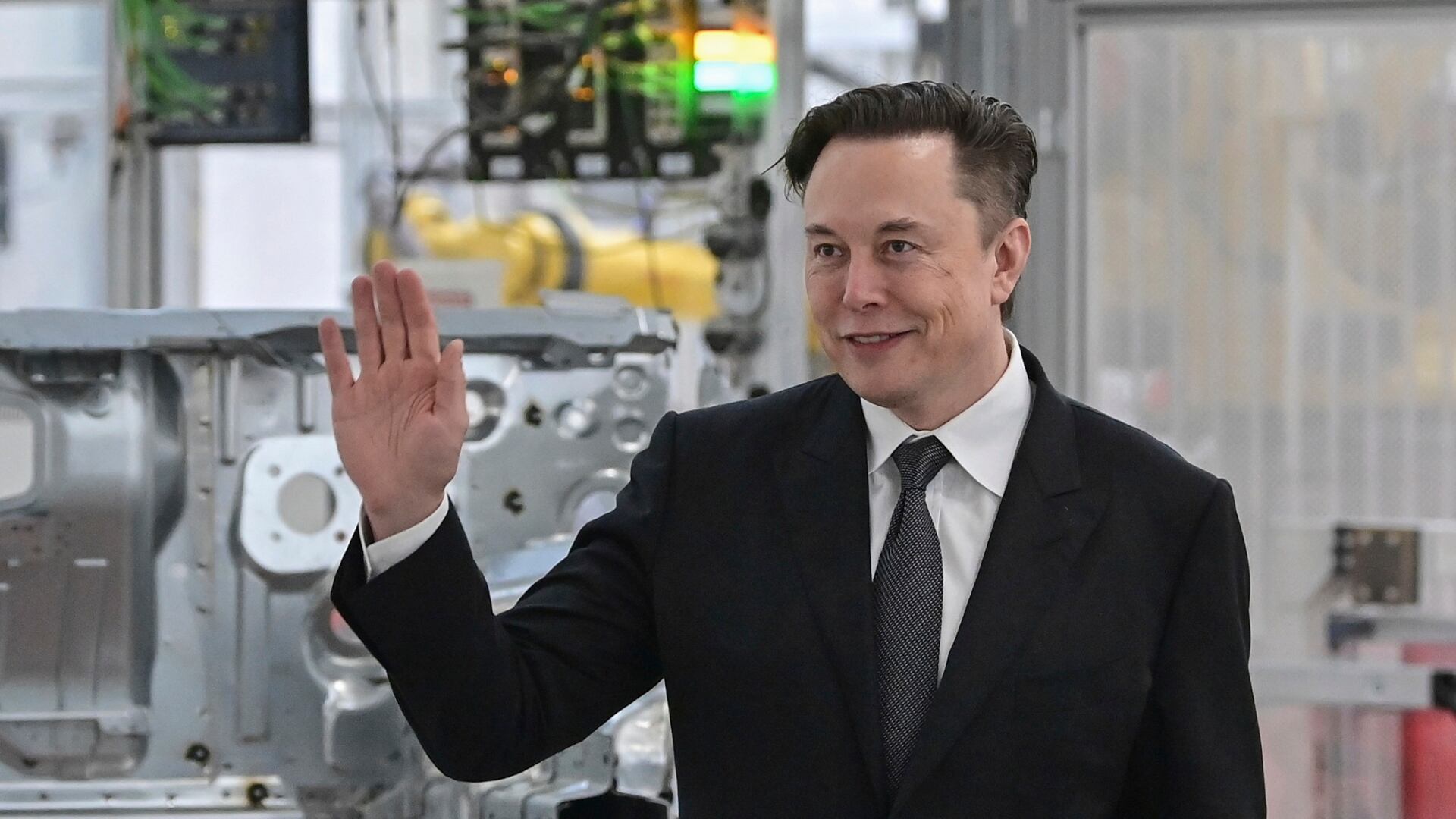
Just a week after talks of him starting his own social media platform, Tesla CEO Elon Musk purchased a 9.2 percent stake in Twitter. The stock by resulted in a price surge for both Twitter and Tesla stocks, but questions are swirling about how much of an active stake this will be for the controversial figure who's had a fraught relationship with the platform over the years. Dan Ives, the managing director of equity research at Wedbush, joined Cheddar News to discuss. "I think this is a start of what's gonna really be a soap opera with Musk, either getting on the board or forcing significant strategic changes at Twitter," he noted.
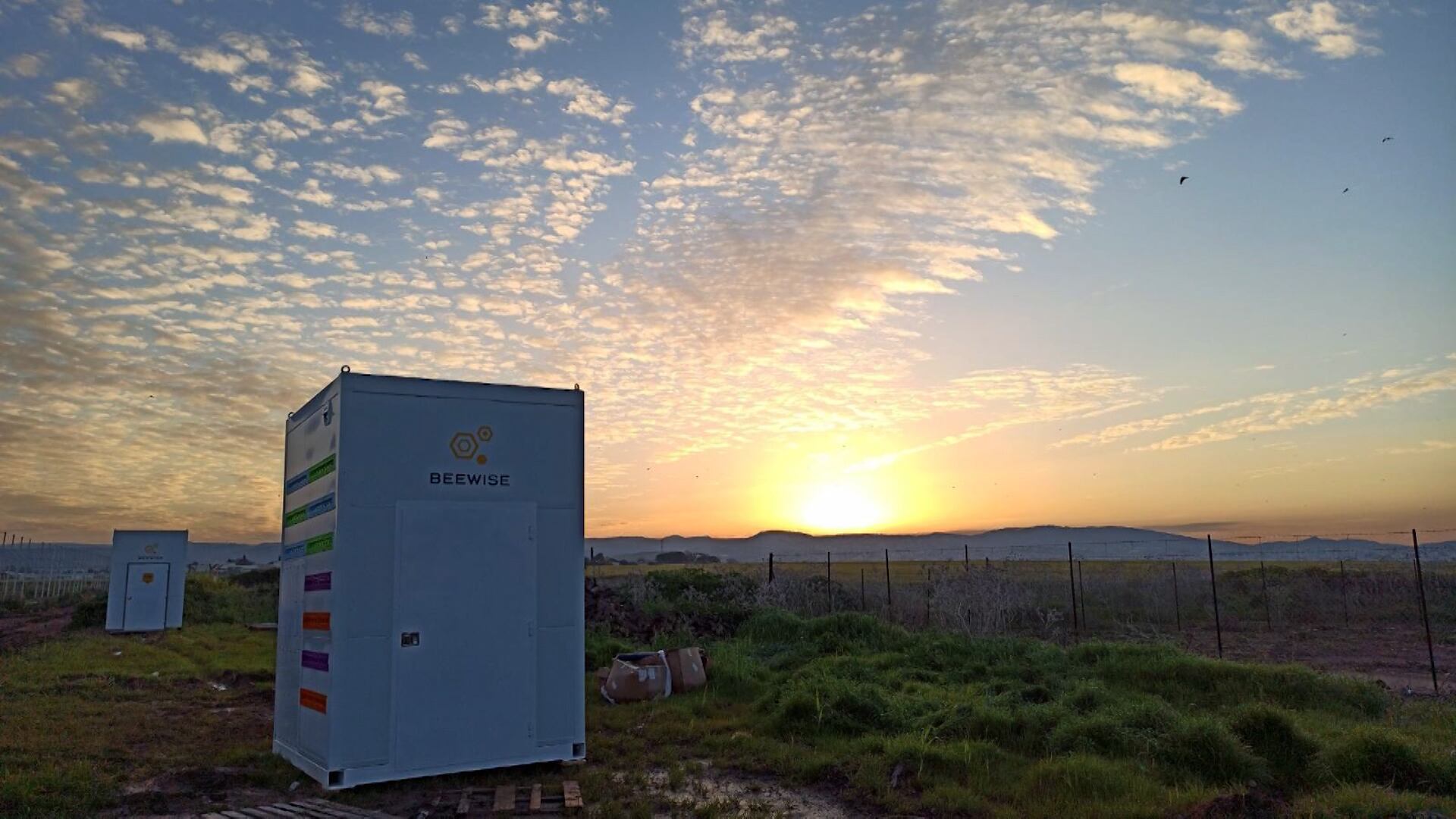
Bees are responsible for the bulk of fruit and vegetable pollination — and they're negatively being affected by climate change. Tech startup Beewise is offering a solution with artificial intelligence to create robotic, autonomous hives to help the vulnerable bee populations. Saar Safra, co-founder & CEO, joined Cheddar News to talk about the company's recent $80 million to help make this project possible. "Our solution is not only hardware," he said. "Its software and biology all in one device. That's the challenge, and that's what sets us apart."