If the reports are true, Apple ($AAPL) will be testing out a new strategy for its all-important fall hardware event. Traditionally, this year would be what's come to be known in Apple parlance as a "mid-cycle" upgrade year: some feature and processor refreshing, but no major overhauls of its core iPhone, iPad, and MacBook lines.
But reading the tea leaves from a Bloomberg report published Thursday, Apple's plans this year go further than what would be typical of a mid-cycle refresh.
In addition to iPad and MacBook refreshes, Apple plans to unveil three new iPhones, according to Bloomberg, including a "Pro" line to replace the XS. The upgraded iPhone Pro will reportedly include a major overhaul to the camera to include a third, wide-angle sensor that will essentially take three photos and use A.I. to stitch them together into one image. Samsung has made huge strides in its phone camera tech, and the Galaxy S10's ultrawide camera is increasingly seen as the smartphone camera to beat.
The new line of iPhones are said to also include reverse wireless charging, enhanced Face ID, increased water-resistance, faster chips for A.R. ー though no 5G capability.
Dan Ives, managing director of equity research for Wedbush Securities and a full-time Apple watcher, told Cheddar that Apple is leaning into the mid-upgrade cycle in a bid to offer just enough new features to convince customers who may be on the fence about upgrading to pull the trigger.
"Apple realizes there's 350 million iPhones in upgrade opportunity," Ives said. "That's what the focus is going to be."
After a disastrous holiday quarter last year, a successful fall hardware launch needs to show investors that Apple is still capable of driving demand for iPhone even in off years, especially overseas. Ives said he expects Apple could sell 75 million to 80 million new iPhones in the first few months, but it will be dependent on China, which accounts for 20 percent of the iPhone upgrade market.
"This will not be successful if iPhone demand in China has not shown growth," he said.
Apple is taking a calculated risk by not waiting until 2020, when it has said it expects to be able to provide 5G technology in new devices. The hope, according to Ives, is that the average iPhone user, who hasn't purchased a new device in three years, will be swayed by the camera technology and faster processor that are expected to be revealed in the next month. "I do not believe many can wait until 5G," Ives said.
It will be a busy fall for the Cupertino-based company. Apple's subscription streaming service TV+, rumored to be priced at $10/month, is also expected to launch before the holidays. Ives is more bullish than some on the success of TV+, predicting it could reach 100 million consumers in three to four years. "But they're going to need more content," he said. "They significantly have to step up their game." Ives predicts Apple will ink major acquisition deals with big studios in the coming years when it becomes apparent it can't possibly produce enough high-end content on its own to catch up to Disney, HBO, or Netflix.
Tensions from the Russia-Ukraine war have spilled into space. The head of Russia's space agency has threatened to pull the country out of the International Space Station if sanctions aren't lifted on the country — but that doesn't seem to be happening any time soon. What would it mean if Russia really did leave the ISS, who would it harm the most, and what would the consequences be both for the other ISS partners, and private space travel? Casey Dreier, Chief Advocate & Senior Space Policy Adviser at The Planetary Society, joins Closing Bell to discuss.
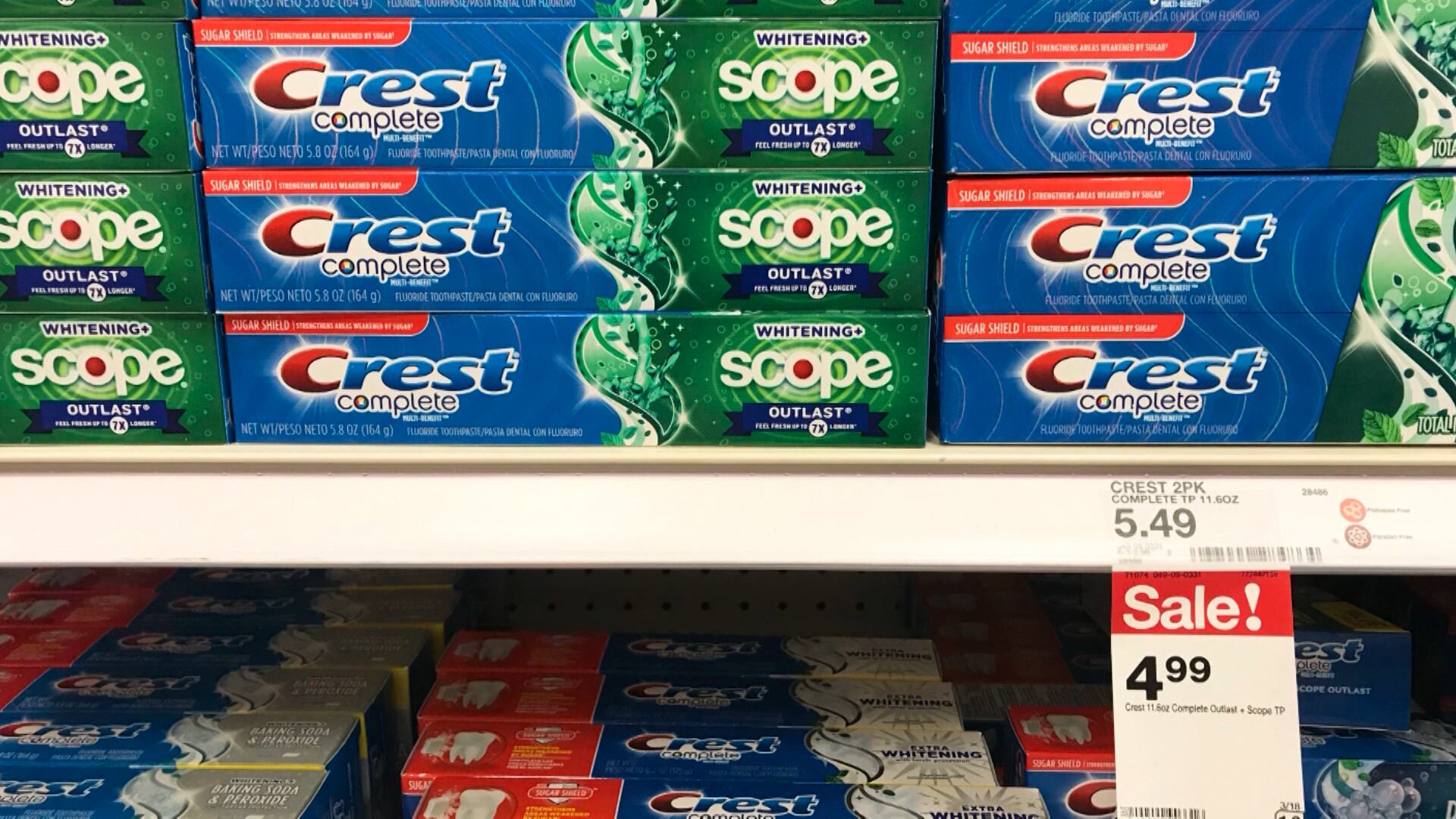
If you've purchased groceries or ordered at a restaurant, you know that prices are going up across the board. You've probably made the switch to cheaper versions of the same products you'd normally buy in an effort to save a few dollars — but did you know that a consumer shift away from brand loyalty is closely followed by grocery chains and big brands? Both need to know where consumers are looking so they can stock shelves, lower prices, and market their products. Brian Mandelbaum, CEO of Klover, joins Closing Bell to discuss how inflation seems to be making brand loyalty disappear, why consumers aren't inclined to be loyal to certain brands or products, how this pattern impacts stores, and more.
Stocks closed near session lows Tuesday as investors digest potentially aggressive rate hikes, and a potential recession.
Both consumers and big banks are starting to think similarly on one topic: both groups think a recession is on the horizon. What does this mean for an American economy still struggling to gain its footing, and for the Federal Reserve which is just starting to implement rate hikes in an attempt to cool inflation? Sam Stovall, Chief Investment Strategist at CFRA, joined Closing Bell to discuss today's close, earnings season, whether a recession is on the horizon, and more.
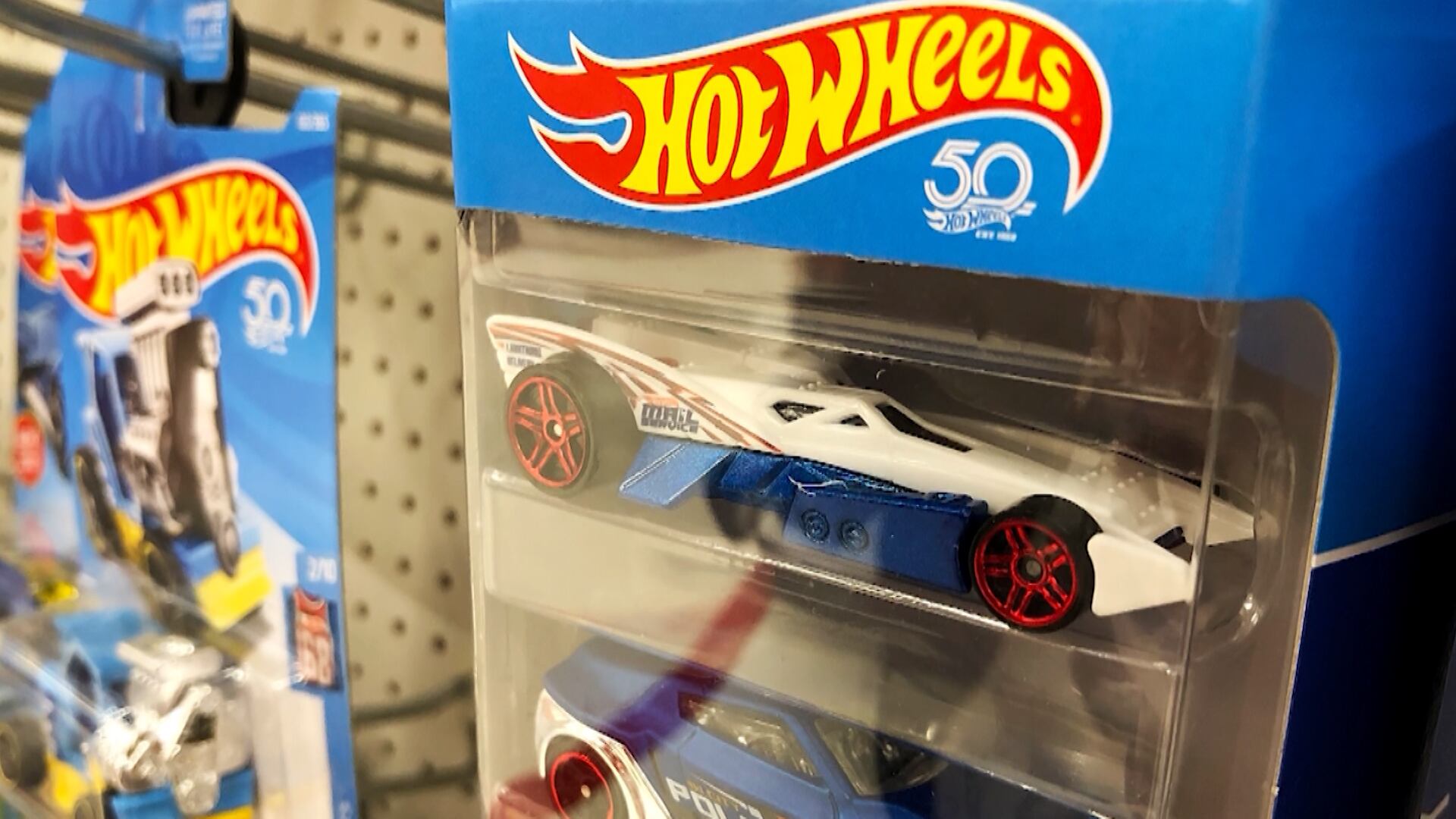
Mattel’s Hot Wheels 2022 Legend Tour will be coming to New York City after a tour of 14 countries and five continents. The company is also launching Hot Wheels into the NFT space with the Hot Wheels Garage allowing users to customize digital cars. Richard Dickson, president and COO of Mattel, joined Cheddar News to talk about the tour and the efforts the iconic brand is taking to stay relevant in the digital age. "I think as you look at what's successful brands and toy brands in particular in this particular chapter are going to be about nostalgic brands that have longevity," he said. "We're generational in the context of our portfolio."
Ghost Financial emerged from stealth to raise $2.5M from investors to provide financial tools to the growing ghost kitchens space. CEO and founder John Meyer joined Cheddar News to discuss the company's future plans as well as potentially getting former Uber CEO Travis Kalanick on board. "The one thing I can say about my time spent with Travis Kalanick is that he definitely believes in the future of Ghost kitchens, given that, he's gone all-in on Cloud Kitchens as a company," Meyer said. "So he's not an investor in us yet. We welcome it, and I'll probably reach out to him today and ask."
The pandemic has seen a historic shift in brand loyalty.
Since the beginning of COVID-19, more than 75% of shoppers have changed their buying habits, and 39% have switched brands or retailers entirely, as inflation and supply shortages have forced them to rethink their purchases, according to McKinsey. Barbara Connors, VP of Commercial Insights at 84.51°, breaks down this shift in brand loyalty and how brands are adapting to it.
Despite headwinds from COVID-19, Omni Hotels and Resorts has been able to stay on track, with many new properties in the works. The hotel and resorts chain has also seen a 50% uptick in revenue across all of its locations compared to its levels in 2019. Peter Strebel, President & CEO of Omni Hotels & Resorts, joined Cheddar to talk about how Omni was able to emerge from the pandemic stronger than ever, and give insight into the expected summer travel surge.
Keri Miller, HOA Treasurer at Mallard Creek, and Mike Hunter, Attorney at Offit Kurman, discuss how residents feel about the rise in corporate rentals and what is being done to curtail the short-term rentals trend.
Rick Tumlinson, Founding Partner of SpaceFund, discusses the industries driving the space economy and what should investors look for when investing in space companies.