If the reports are true, Apple ($AAPL) will be testing out a new strategy for its all-important fall hardware event. Traditionally, this year would be what's come to be known in Apple parlance as a "mid-cycle" upgrade year: some feature and processor refreshing, but no major overhauls of its core iPhone, iPad, and MacBook lines.
But reading the tea leaves from a Bloomberg report published Thursday, Apple's plans this year go further than what would be typical of a mid-cycle refresh.
In addition to iPad and MacBook refreshes, Apple plans to unveil three new iPhones, according to Bloomberg, including a "Pro" line to replace the XS. The upgraded iPhone Pro will reportedly include a major overhaul to the camera to include a third, wide-angle sensor that will essentially take three photos and use A.I. to stitch them together into one image. Samsung has made huge strides in its phone camera tech, and the Galaxy S10's ultrawide camera is increasingly seen as the smartphone camera to beat.
The new line of iPhones are said to also include reverse wireless charging, enhanced Face ID, increased water-resistance, faster chips for A.R. ー though no 5G capability.
Dan Ives, managing director of equity research for Wedbush Securities and a full-time Apple watcher, told Cheddar that Apple is leaning into the mid-upgrade cycle in a bid to offer just enough new features to convince customers who may be on the fence about upgrading to pull the trigger.
"Apple realizes there's 350 million iPhones in upgrade opportunity," Ives said. "That's what the focus is going to be."
After a disastrous holiday quarter last year, a successful fall hardware launch needs to show investors that Apple is still capable of driving demand for iPhone even in off years, especially overseas. Ives said he expects Apple could sell 75 million to 80 million new iPhones in the first few months, but it will be dependent on China, which accounts for 20 percent of the iPhone upgrade market.
"This will not be successful if iPhone demand in China has not shown growth," he said.
Apple is taking a calculated risk by not waiting until 2020, when it has said it expects to be able to provide 5G technology in new devices. The hope, according to Ives, is that the average iPhone user, who hasn't purchased a new device in three years, will be swayed by the camera technology and faster processor that are expected to be revealed in the next month. "I do not believe many can wait until 5G," Ives said.
It will be a busy fall for the Cupertino-based company. Apple's subscription streaming service TV+, rumored to be priced at $10/month, is also expected to launch before the holidays. Ives is more bullish than some on the success of TV+, predicting it could reach 100 million consumers in three to four years. "But they're going to need more content," he said. "They significantly have to step up their game." Ives predicts Apple will ink major acquisition deals with big studios in the coming years when it becomes apparent it can't possibly produce enough high-end content on its own to catch up to Disney, HBO, or Netflix.
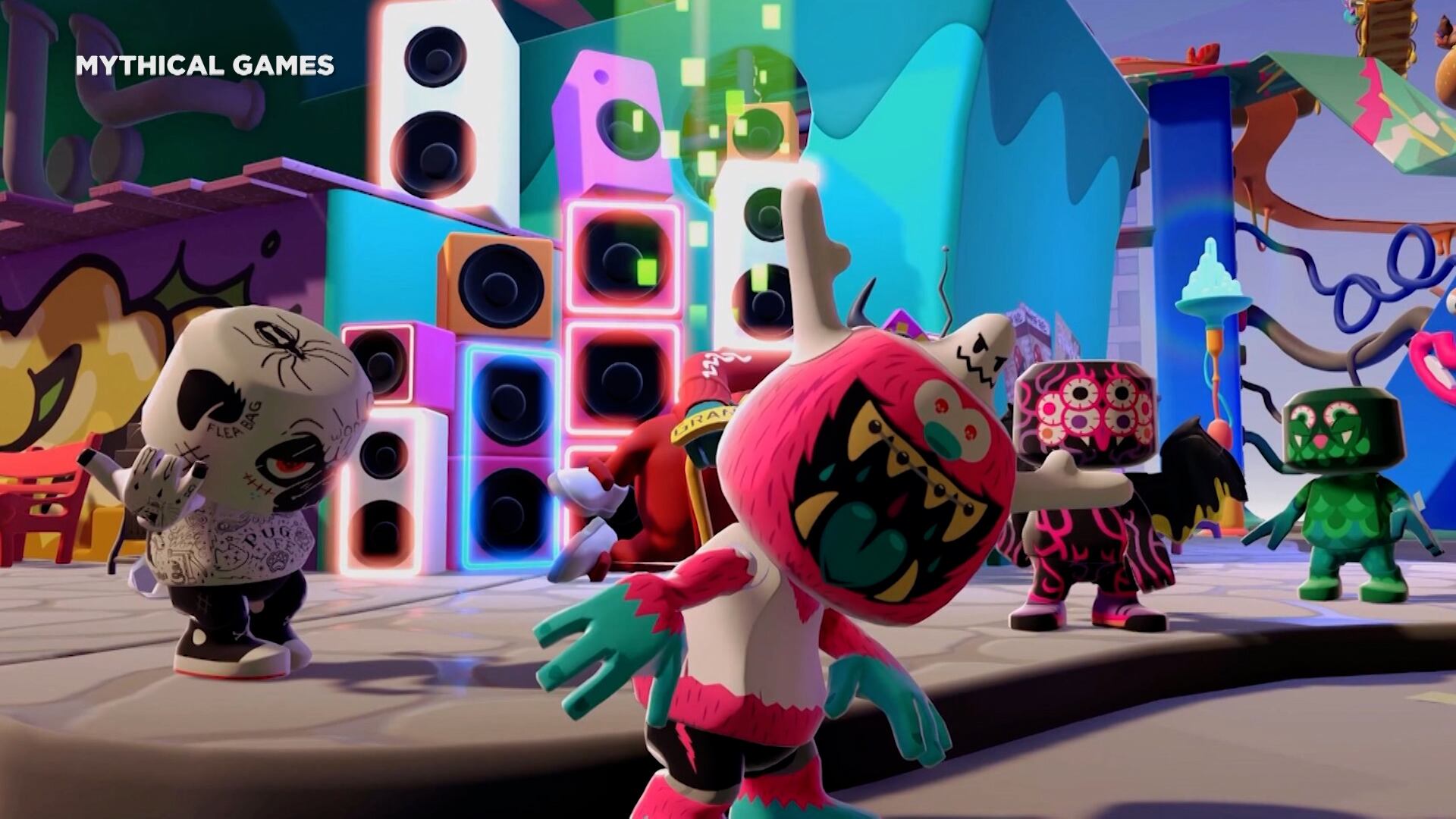
Gaming technology studio Mythical Games recently raised $150 million in a round led by Andreesen Horowitz, bringing Mythical's valuation to above unicorn status at $1.2 billion. Mythical Games' mission is to create a new generation of gaming with play-to-earn games that allow players to play to win actual cryptocurrency. Now the company is taking it to another level with NFT technology, allowing players to play with characters they can truly own. Mythical Games CEO John Linden joined Cheddar News' Closing Bell to discuss.
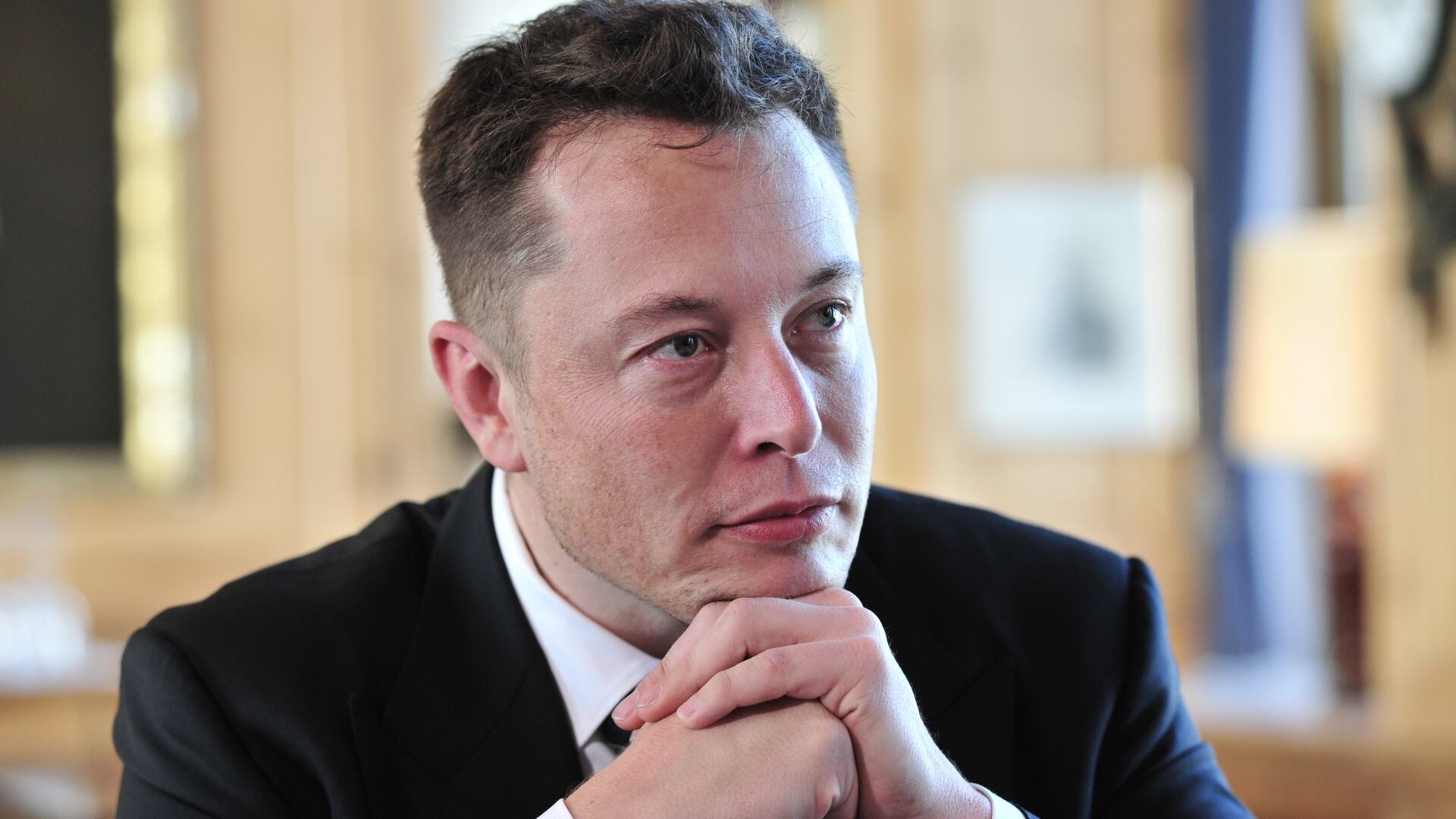
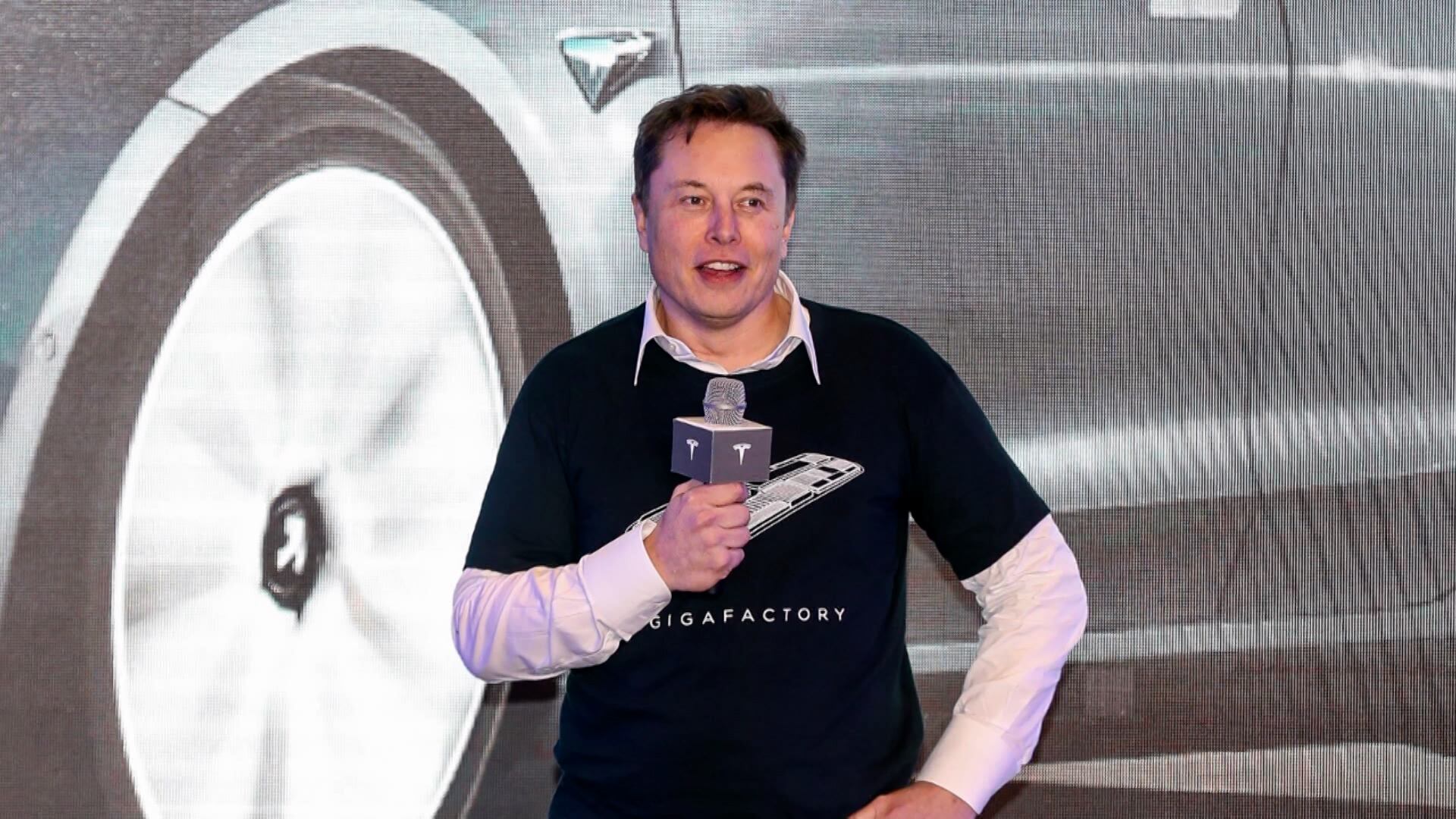
Tesla CEO Elon Musk posed a question to his Twitter followers over the weekend: 'Should I sell 10% of my Tesla shares in order to pay off a looming $15 billion tax bill?' Shares plummeted after he posed the question, and just over half of 3.5 million Twitter voters said Musk should sell a fraction of his shares. Dan Ives, Managing Director of Equity Research at Wedbush Securities, joins Cheddar News' Closing Bell to discuss whether or not Musk's Twitter poll was significant amid his looming tax bill, and how investors are feeling after yet another controversial tweet from the Tesla chief.
E-scooter company Lime is gearing up to launch an IPO after raising $523 million in debt financing. CEO Wayne Ting joined Cheddar to talk about the decision behind the future public offering citing the fundraise as a sign of investor confidence, despite a massive drop-off in ridership amid the pandemic. He noted that some of the funds will not only be used to pay down debts but to also upgrade the company's fleet of e-bikes and scooters. "We're going to be investing $20 million of this funding towards our mission to get to net-zero on carbon by 2030," he said.
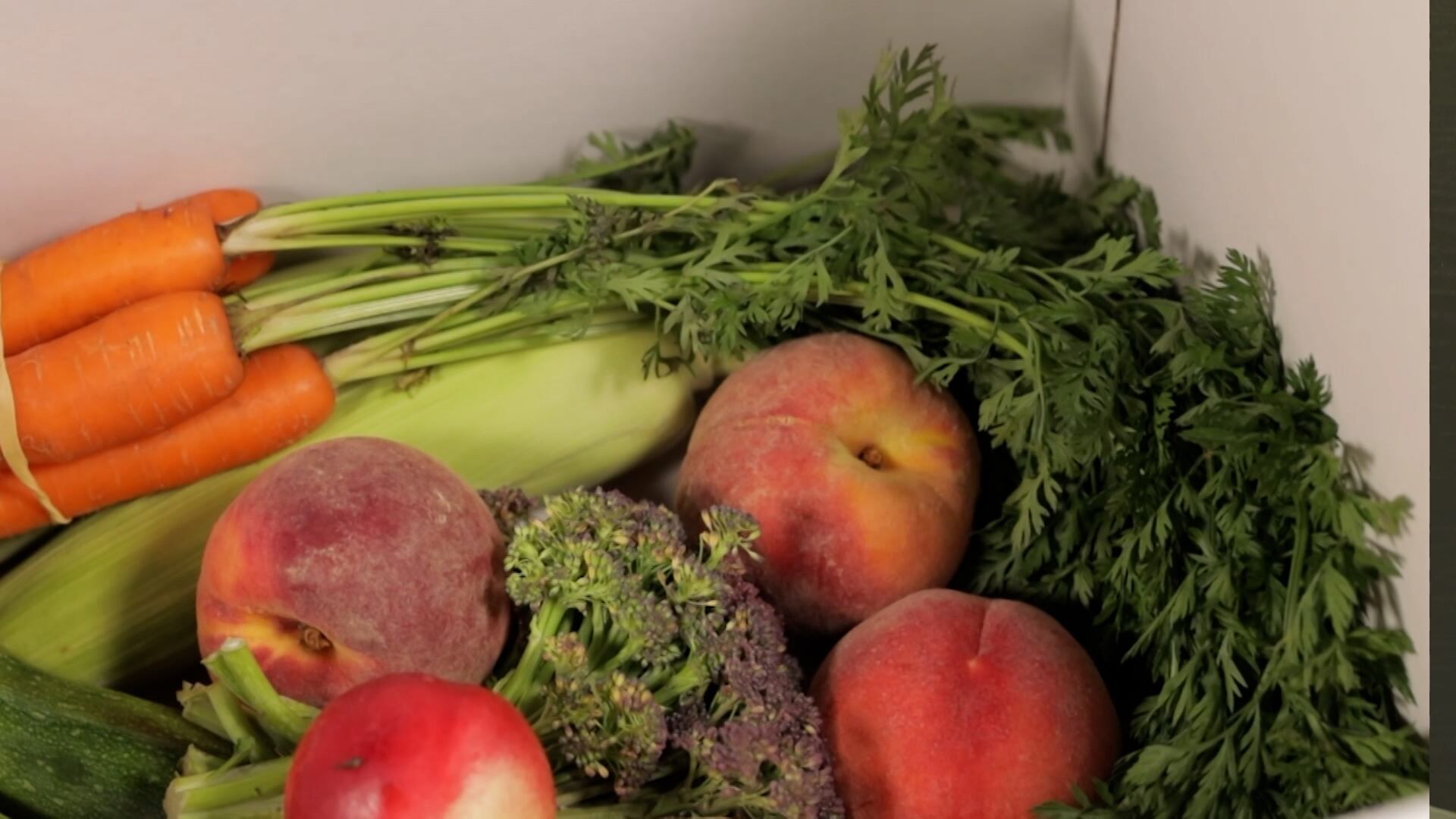
Weekly grocery delivery startup MilkRun raised $6 million in Series A funding on Friday, and Julia Niiro, CEO and founder, joined Cheddar to discuss what distinguishes MilkRun's grocery delivery model from the competition, explaining the service connects customers with local farmers being able to provide items not found in the typical stores. Niiro also talked about the impact that supply chain bottlenecks have had on the business. "This was a moment when people needed local food production," she said of MilkRun seizing the opportunity to expand to other markets amid the global food distribution issues.
With vaccinated international travelers being admitted into the United States, the service and hospitality industry could experience a boom. John Geller, president of Marriott Vacations Worldwide, joined Cheddar to talk about the gradual increase in stays at Marriott properties and noted that occupancy has reached near pre-pandemic levels. Regarding the holiday season, he said, "people love to travel, so I wouldn't be surprised if, in most of our resorts, we're not pushing close to a high 90 percent occupancy."
The pandemic caused chaos in the wedding industry after ceremonies were postponed last year. But now couples face a new problem as they look toward their big day: supply chain issues. Tim Chi, CEO at The Knot, joined Cheddar to provide some additional details about the supply constraints affecting everything from venues to flowers. Chi also talked about The Knot celebrating its 25th anniversary and how the business has transformed over the years.
Elon Musk asked Twitter if he should sell about $20 billion worth of his Tesla stock and about 58 percent of those who answered said yes. The Tesla CEO pledged to abide by the results of the poll, whichever way it went. Arun Sundararajan, NYU Stern professor & author of "The Sharing Economy: The End of Employment and the Rise of Crowd-Based Capitalism," joined Cheddar to discuss what the Twitter poll says about America's attitude towards billionaires and the nation's tax system.
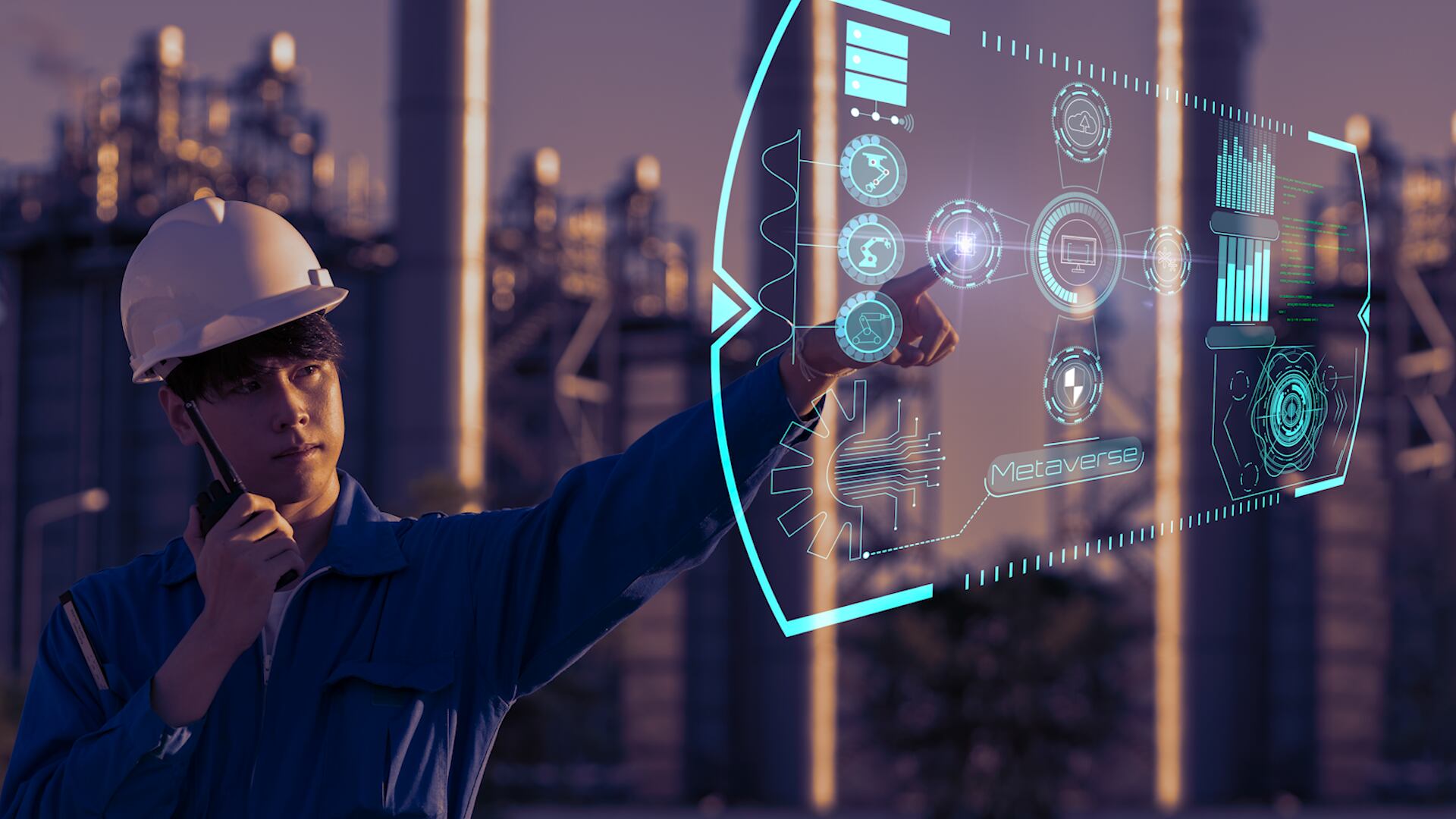
David Ewalt, Editor in Chief of Gizmodo, joins 'Fast Forward' to paint a picture of what a metaverse-driven future looks like, and how it will propel the future of work and education.
Hyperlocal social networking platform Nextdoor made its public debut on the NYSE via a SPAC merger with Khosla Ventures Acquisition Co. II on Monday. CEO Sarah Friar joined Cheddar's "Opening Bell" to talk about what drove the company to a public offering and growing the platform on a global scale. "This allows us to not go back after investing and growing the neighborhood," Friar said. She also talked about the app's pandemic success and the fact that people have stuck around as businesses reopened on a larger scale.