If the reports are true, Apple ($AAPL) will be testing out a new strategy for its all-important fall hardware event. Traditionally, this year would be what's come to be known in Apple parlance as a "mid-cycle" upgrade year: some feature and processor refreshing, but no major overhauls of its core iPhone, iPad, and MacBook lines.
But reading the tea leaves from a Bloomberg report published Thursday, Apple's plans this year go further than what would be typical of a mid-cycle refresh.
In addition to iPad and MacBook refreshes, Apple plans to unveil three new iPhones, according to Bloomberg, including a "Pro" line to replace the XS. The upgraded iPhone Pro will reportedly include a major overhaul to the camera to include a third, wide-angle sensor that will essentially take three photos and use A.I. to stitch them together into one image. Samsung has made huge strides in its phone camera tech, and the Galaxy S10's ultrawide camera is increasingly seen as the smartphone camera to beat.
The new line of iPhones are said to also include reverse wireless charging, enhanced Face ID, increased water-resistance, faster chips for A.R. ー though no 5G capability.
Dan Ives, managing director of equity research for Wedbush Securities and a full-time Apple watcher, told Cheddar that Apple is leaning into the mid-upgrade cycle in a bid to offer just enough new features to convince customers who may be on the fence about upgrading to pull the trigger.
"Apple realizes there's 350 million iPhones in upgrade opportunity," Ives said. "That's what the focus is going to be."
After a disastrous holiday quarter last year, a successful fall hardware launch needs to show investors that Apple is still capable of driving demand for iPhone even in off years, especially overseas. Ives said he expects Apple could sell 75 million to 80 million new iPhones in the first few months, but it will be dependent on China, which accounts for 20 percent of the iPhone upgrade market.
"This will not be successful if iPhone demand in China has not shown growth," he said.
Apple is taking a calculated risk by not waiting until 2020, when it has said it expects to be able to provide 5G technology in new devices. The hope, according to Ives, is that the average iPhone user, who hasn't purchased a new device in three years, will be swayed by the camera technology and faster processor that are expected to be revealed in the next month. "I do not believe many can wait until 5G," Ives said.
It will be a busy fall for the Cupertino-based company. Apple's subscription streaming service TV+, rumored to be priced at $10/month, is also expected to launch before the holidays. Ives is more bullish than some on the success of TV+, predicting it could reach 100 million consumers in three to four years. "But they're going to need more content," he said. "They significantly have to step up their game." Ives predicts Apple will ink major acquisition deals with big studios in the coming years when it becomes apparent it can't possibly produce enough high-end content on its own to catch up to Disney, HBO, or Netflix.
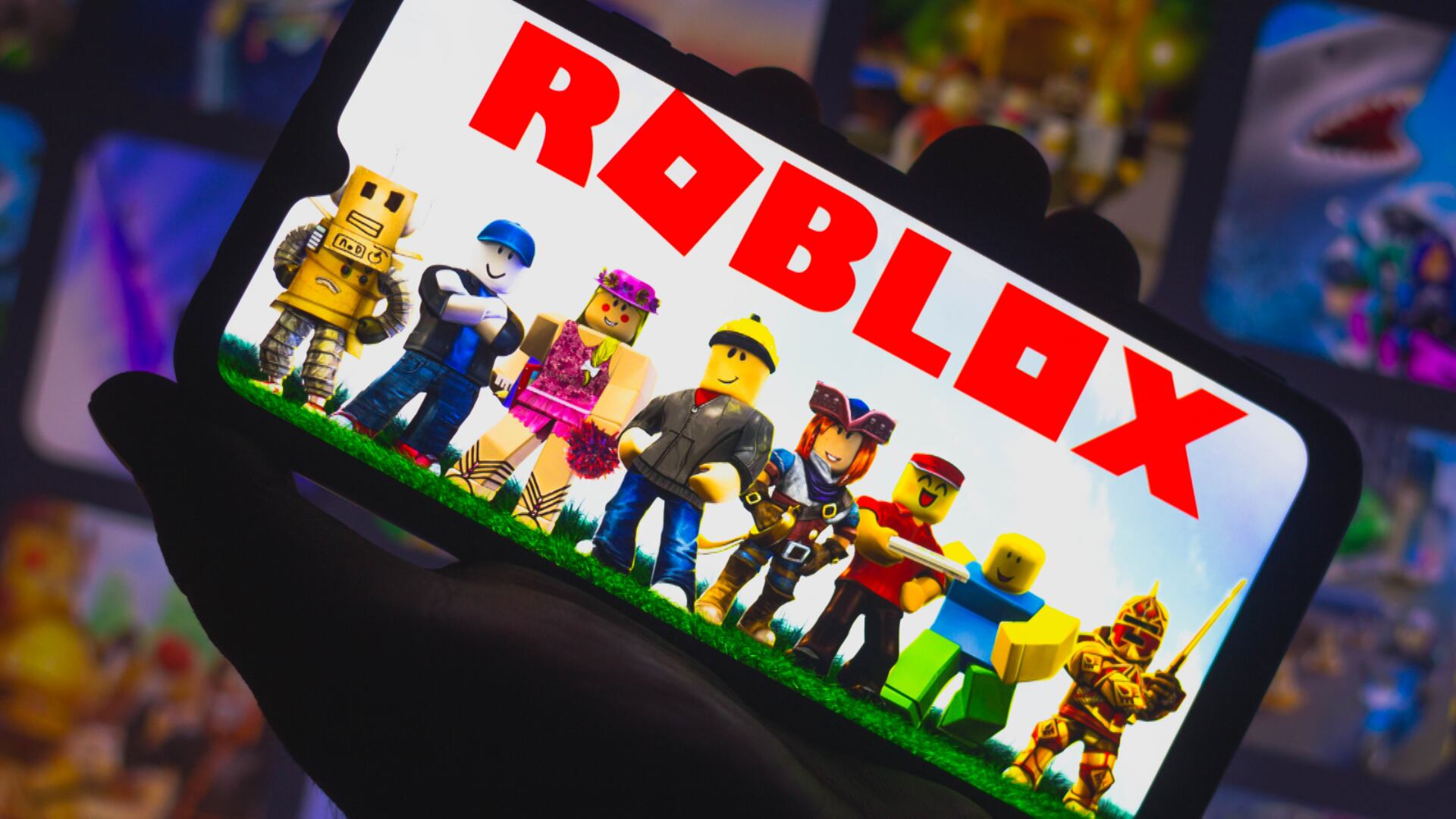
The popular online gaming platform for kids, Roblox, is reportedly expanding its offerings into the educational space. Ayal Shmilovich, managing partner at Gerber Kawasaki Wealth Investment Management, joined Cheddar to provide some insight into the report from the Wall Street Journal and how Roblox plans to incorporate the metaverse concept into schools. "I definitely think it helps them expand their market to a much broader audience," Shmilovich added. He also noted that Minecraft has 35 million users on its educational platform and was even more optimistic about Roblox's prospects.
Stocks closed higher as the retail sector showed continued strength - including higher retail sales data in October and strong earnings for big-box retailers Walmart and Home Depot, which lifted the Dow. Lance Ippolito, head trader at the Future Of Wealth, joins Cheddar News' Closing Bell to discuss today's close, where investors should look for growth, and how the electric vehicle space will drive markets.
Bitcoin hit a new high last week, rising above $68,000. But the coin has tumbled since, and it's not the only coin under pressure. Crypto is down today across the board. Bobby Zagotta, CEO of Bitstamp USA, joins Cheddar News' Closing Bell to discuss the possible reasons why Bitcoin has slumped, how President Joe Biden's new crypto tax clause will impact investors, and more.
The Green Bay Packers are selling shares of their stock for just the sixth time in its 102-year history. The Packers are the only major professional sports team in the U.S. that is publicly owned and not-for-profit. Now, it is offering 300,000 shares at $300 apiece; however, fans who become shareholders will not have much power, as the Packers' stock is not technically a stock. Washington Post sports reporter Des Bieler joins Cheddar News' Closing Bell to discuss.
Katie Thomas, lead at Kearney Consumer Institute, joined Cheddar to talk about Walmart's Q3 earnings beat and what it means for the larger retail industry ahead of the gift-giving season. "Getting strong numbers from Walmart and from the retail sector overall is good news going into the holiday season. It shows that even though despite some of the news around supply constraints, consumers are still getting out there and shopping," she said. With the holiday rush nearly setting in, Thomas said a clearer view of the economy will be found after Q4 results are posted, giving some time to account for how well businesses were able to maintain amid supply constraints.
Inflation has risen to its highest level in 31 years, sending consumer prices on everything from groceries to gas to rent surging. For many businesses, that's good news as inflation typically means better profit margins. According to data from FactSet, nearly two out of three of the biggest U.S. publicly traded companies have reported fatter profit margins so far this year compared to the same stretch of 2019, before the pandemic. Gregory Daco, chief U.S. economist for Oxford Economics, breaks down how the top businesses are reaping the benefits of inflation, and when consumers can expect inflation to ease.
As the U.S. opens its borders to vaccinated international travelers after months of restrictions, the hospitality industry is preparing for a comeback. Radha Arora, President and Co-Chief Development Officer, Rosewood Hotel Group joined Cheddar's Opening Bell to discuss his outlook for the broader travel industry.
Dominick Reuter, Senior Reporter at Insider, breaks down the challenges within the labor market, and how unionization and inflation are impacting the future of work.
Roblox is getting into education. The gaming platform is investing $10 million into developing educational video games for middle schools, high schools, and colleges across the country. This marks the first time Roblox is putting money into developing games for the platform, and it comes as Roblox also plans to build a stake in the metaverse. Sarah Needleman, technology reporter for The Wall Street Journal, breaks it all down for Cheddar.