If the reports are true, Apple ($AAPL) will be testing out a new strategy for its all-important fall hardware event. Traditionally, this year would be what's come to be known in Apple parlance as a "mid-cycle" upgrade year: some feature and processor refreshing, but no major overhauls of its core iPhone, iPad, and MacBook lines.
But reading the tea leaves from a Bloomberg report published Thursday, Apple's plans this year go further than what would be typical of a mid-cycle refresh.
In addition to iPad and MacBook refreshes, Apple plans to unveil three new iPhones, according to Bloomberg, including a "Pro" line to replace the XS. The upgraded iPhone Pro will reportedly include a major overhaul to the camera to include a third, wide-angle sensor that will essentially take three photos and use A.I. to stitch them together into one image. Samsung has made huge strides in its phone camera tech, and the Galaxy S10's ultrawide camera is increasingly seen as the smartphone camera to beat.
The new line of iPhones are said to also include reverse wireless charging, enhanced Face ID, increased water-resistance, faster chips for A.R. ー though no 5G capability.
Dan Ives, managing director of equity research for Wedbush Securities and a full-time Apple watcher, told Cheddar that Apple is leaning into the mid-upgrade cycle in a bid to offer just enough new features to convince customers who may be on the fence about upgrading to pull the trigger.
"Apple realizes there's 350 million iPhones in upgrade opportunity," Ives said. "That's what the focus is going to be."
After a disastrous holiday quarter last year, a successful fall hardware launch needs to show investors that Apple is still capable of driving demand for iPhone even in off years, especially overseas. Ives said he expects Apple could sell 75 million to 80 million new iPhones in the first few months, but it will be dependent on China, which accounts for 20 percent of the iPhone upgrade market.
"This will not be successful if iPhone demand in China has not shown growth," he said.
Apple is taking a calculated risk by not waiting until 2020, when it has said it expects to be able to provide 5G technology in new devices. The hope, according to Ives, is that the average iPhone user, who hasn't purchased a new device in three years, will be swayed by the camera technology and faster processor that are expected to be revealed in the next month. "I do not believe many can wait until 5G," Ives said.
It will be a busy fall for the Cupertino-based company. Apple's subscription streaming service TV+, rumored to be priced at $10/month, is also expected to launch before the holidays. Ives is more bullish than some on the success of TV+, predicting it could reach 100 million consumers in three to four years. "But they're going to need more content," he said. "They significantly have to step up their game." Ives predicts Apple will ink major acquisition deals with big studios in the coming years when it becomes apparent it can't possibly produce enough high-end content on its own to catch up to Disney, HBO, or Netflix.
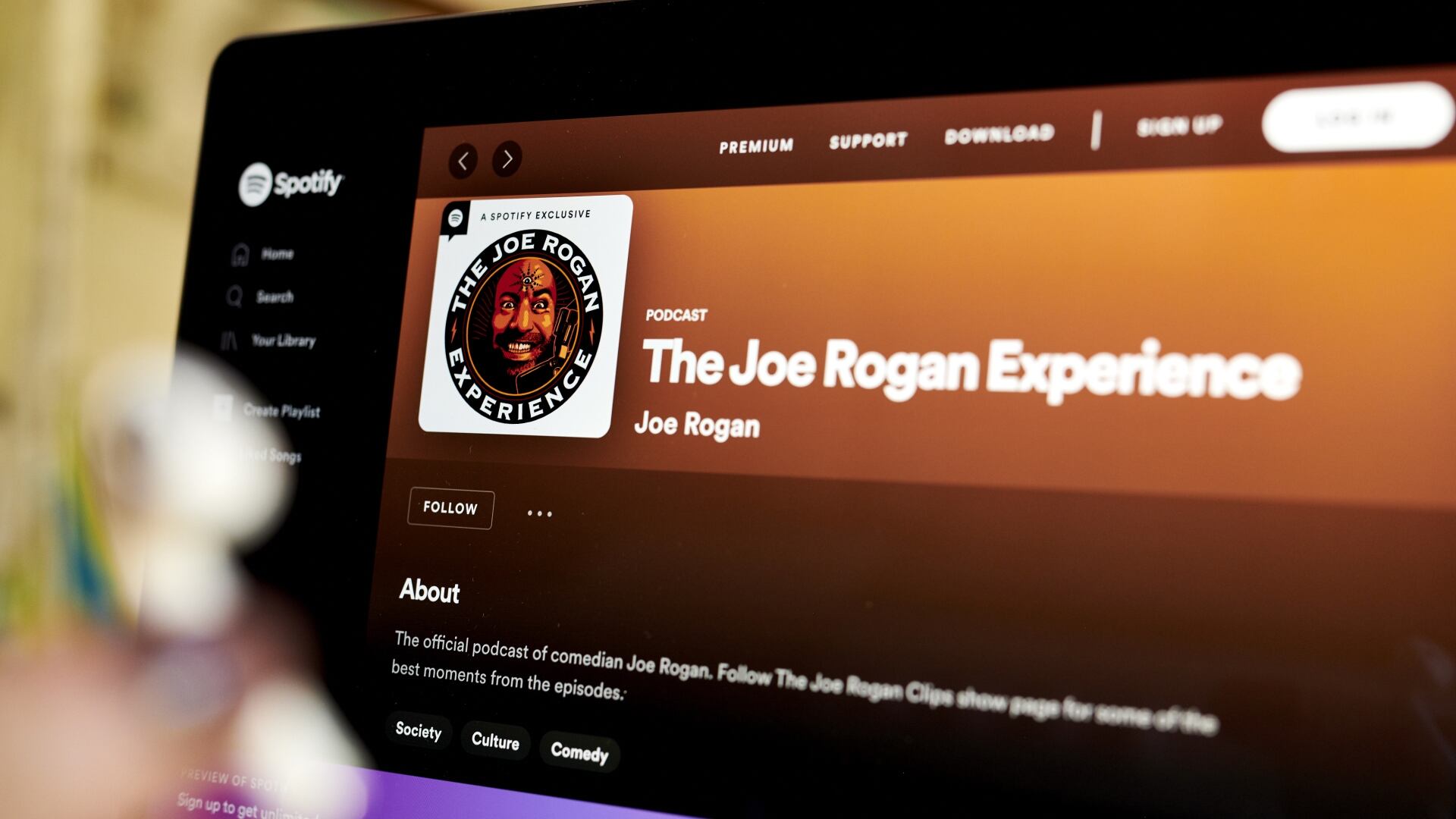
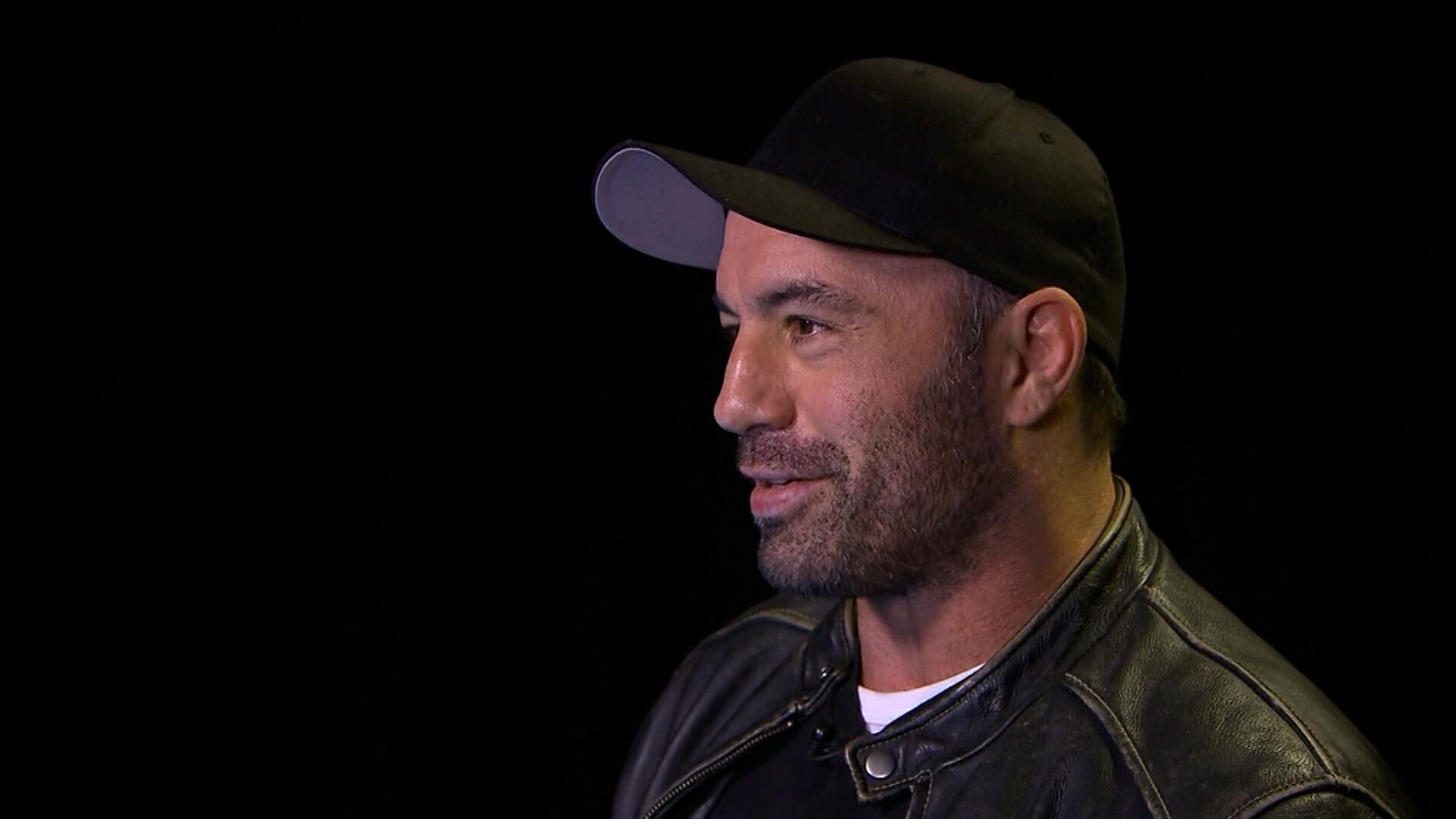
Is Spotify a platform for content creators, or is it a media company? The streaming giant may have to find an answer sooner rather than later amid a controversy involving its most popular podcast host, Joe Rogan. Rogan has hosted guests who have made false claims about COVID-19 vaccines, and in turn, some musicians like Neil Young and Joni Mitchell have removed their discographies from Spotify in protest. Rogan says he welcomes content advisories, and will balance out his guests going forward, but is it enough? And is Spotify liable in any way? John Freeman, Vice President of CFRA Research, joins Closing Bell to discuss Rogan's response to the controversy, whether Spotify should be considered a media company with responsibility for its content, and more.
Michael Mitchell, senior director of brand at Mailchimp, joins Cheddar News to discuss the launch of Bloom Season and what every BIPOC entrepreneur needs to know to succeed.
Pax Labs, a leading electronic vaporizer company, plans to release its very first cannabis pod venture, of which different strands of cannabis will be available. COO Steven Jung spoke with Cheddar’s Chloe Aiello to talk about the release of the companies own line of 100 percent cannabis pods for use with its vaporizers. "I think this is the direction that most products are going," Jung noted. "If you look at the data, it would actually show you that most consumers are in fact looking for this kind of delivery mechanism in the product itself."
The gaming industry has seen multiple large scales deals this month alone, including Microsoft's megadeal for Activision Blizzard. And, seemingly in response, rival Sony, picked up Bungie for $3.6 billion, a studio once owned by both Microsoft and Activision. The sector is reportedly on track to spend $150 billion on mergers and acquisitions just this year alone, a record-breaking total, according to investment firm Drake Star Partners. Michael Metzger, a partner at the firm specializing in technology, media, and communications, joined Cheddar to discuss the flurry of deals in the gaming space and what might be behind the hot M&A activity.
Ari Redbord, head of legal and government affairs and TRM Labs, joins Cheddar News to discuss why Facebook is ditching its crypto project and what that means for the space.
Natalie Fertig, federal cannabis policy reporter at Politico Pro, joins Cheddar News to discuss a new YouGov poll that looks at how Americans feel about marijuana and politics.
After classic rocker Neil Young demanded removal of his music from Spotify over vaccine misinformation coming from The Joe Rogan Experience podcast, the platform made the decision to take down Young's songs and continue supporting Rogan with whom they have an exclusive contract. The move touched off a firestorm of controversy, leading to responses from both the streaming service and the podcasting host. Evan Nierman, CEO of Red Banyan Crisis PR, joined Cheddar to break down the latest on the fracas. "I think when [Spotify] initially said, we're not going to be commenting on that, that was a silly move because guess what? They did end up commenting about it, and nine times out of 10, when an organization says they're not going to be issuing a comment, they ultimately do," Nierman noted.