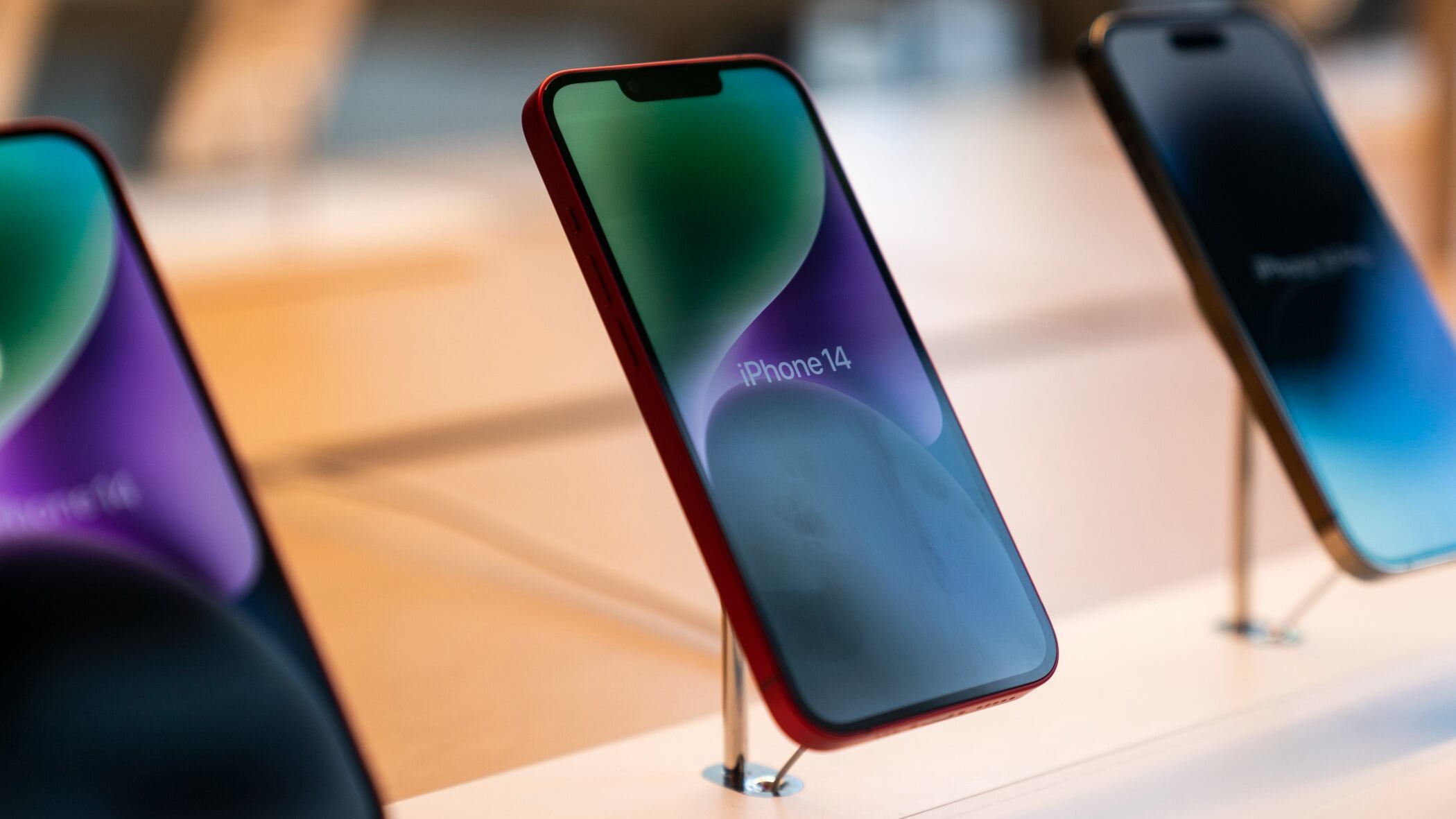
On March 1, Apple will start charging an extra $20 for battery replacements on out-of-warranty iPhones, according to an update on the AppleCare+ webpage.
The new price will be $99 for the iPhone 14, and while these models are currently under warranty, they won't be after the one-year anniversary of their release in September 2023.
At that point, the higher price point could encourage customers with broken batteries to simply buy a new phone rather than shell out nearly $100 for a replacement part.
Apple has adjusted prices multiple times in recent years, as supply chain issues have raised production costs. Just last month, labor unrest at an iPhone supplier in China led to a production shortfall. The company struggled with similar disruptions throughout the pandemic.
There is also a history of consumers pushing back against Apple's practices around batteries. The company in 2020 was forced to pay $113 million in fines to settle consumer fraud lawsuits around a controversy known as "batterygate," in which iPhone users discovered that Apple installed new software that made devices with older batteries operate slower.
In addition, CEO Tim Cook in 2019 wrote in a letter to investors that "some customers taking advantage of significantly reduced pricing for iPhone battery replacements" was partly behind a lower-than-expected iPhone sales.
Ford's luxury line, Lincoln, announced plans to release an electric pickup truck in partnership with Rivian.
Apple's fiscal first-quarter results released Tuesday provided the latest proof that the fears hanging over the consumer electronics icon might have been unfounded. The company's profits and revenue topped analyst projections.
The human resources tech platform company brings its total funding to $143 million with the investment led by Union Square Ventures and FirstMark Capital.
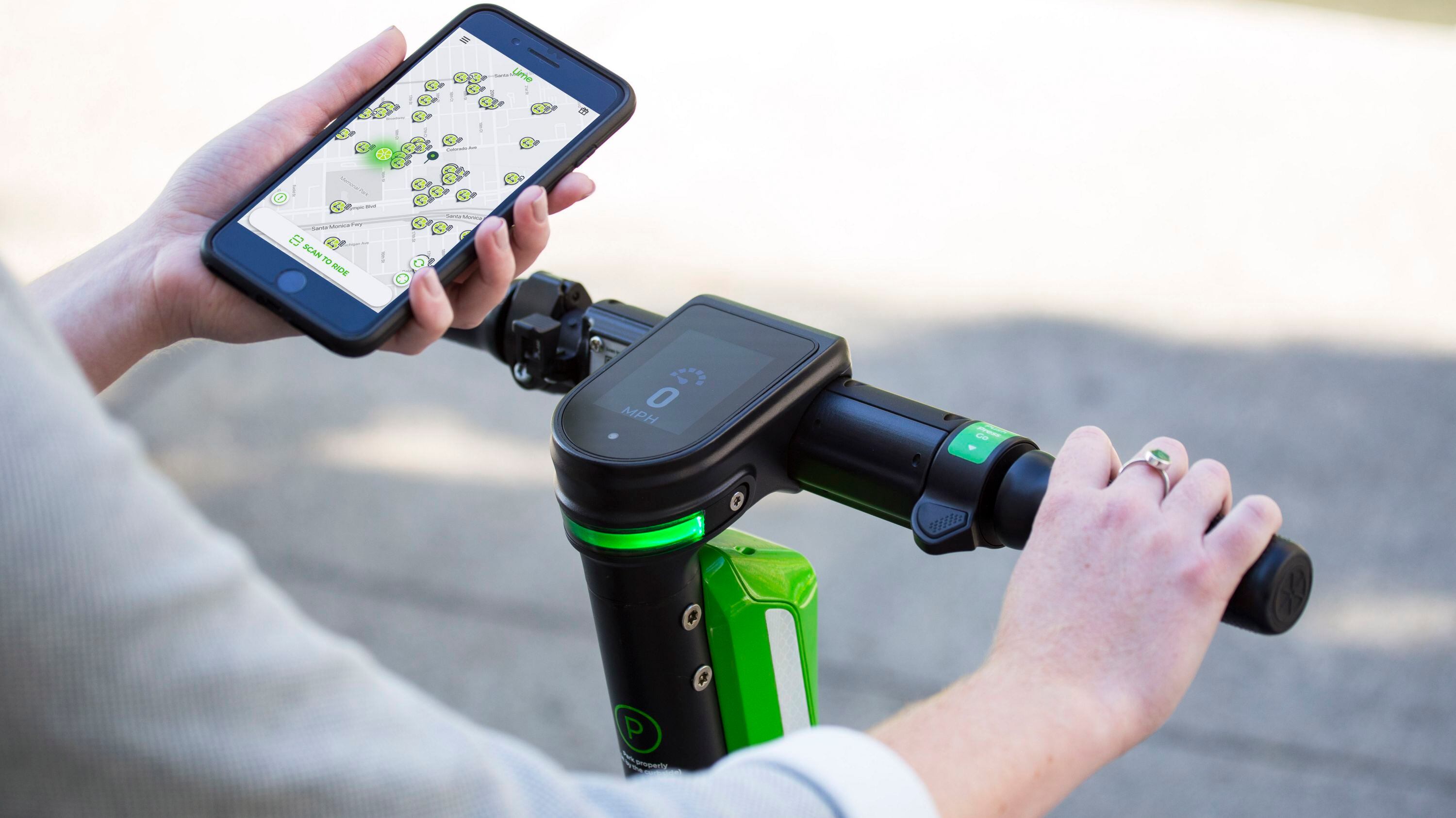
The pilot program, rolled out in San José, aims to deter what has become a major source of side-eye – and safety concerns – for Lime and similar micromobility offerings.
The company raised the Series B funding led by the real estate arm of Mitsubishi to build out its three-pronged business model: a subscription service for brokers, an analytics service for tracking real estate trends, and an auction service.
General Motors on Monday announced that it plans to open its first assembly plant dedicated entirely to electric vehicles – and that it’s doing so in the United States.
From Wall Street to Silicon Valley, these are the top stories that moved markets and had investors, business leaders, and entrepreneurs talking this week on Cheddar.
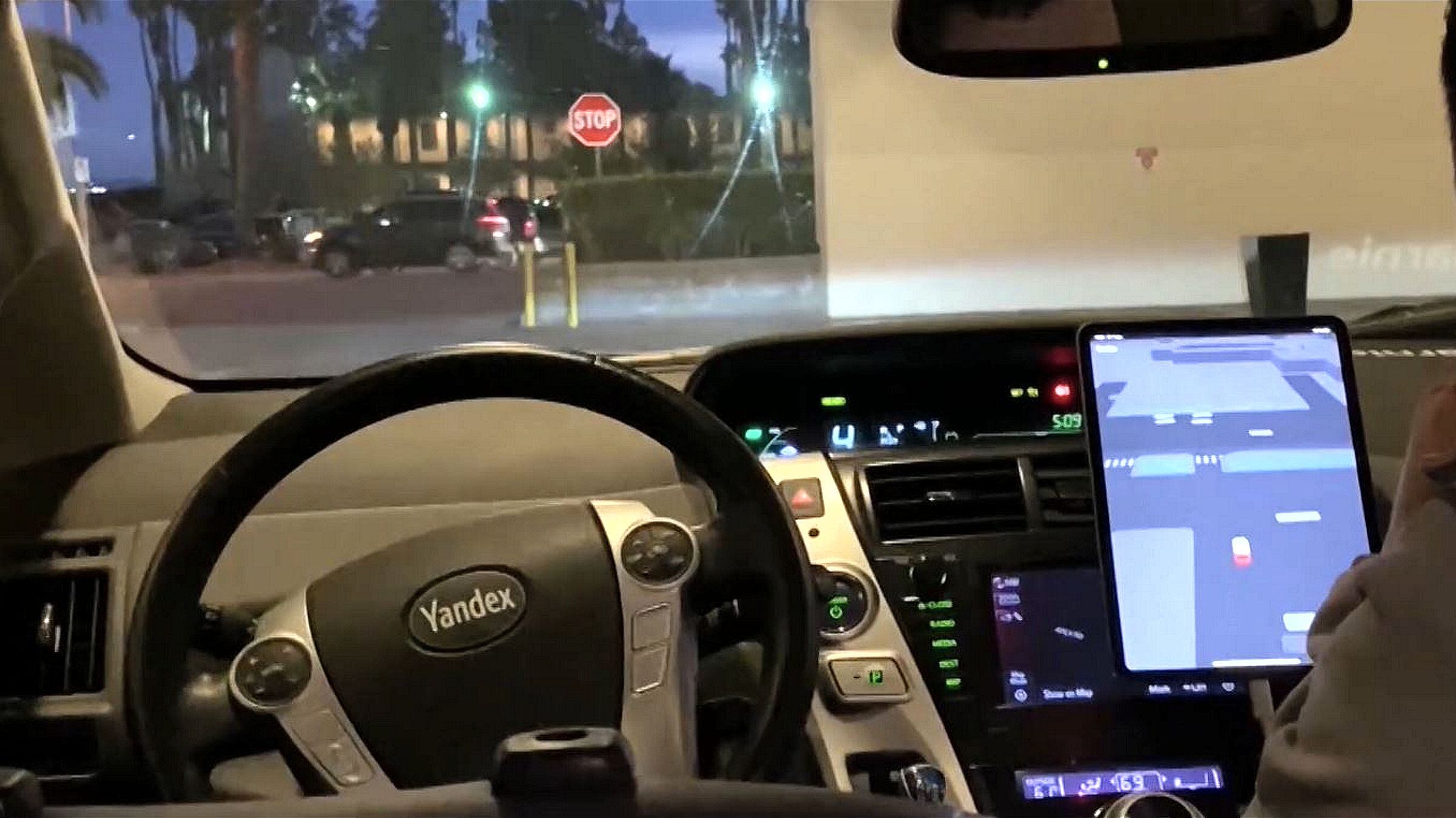
Cheddar's Hope King took a spin in the Yandex driverless car during the Consumer Electronics Show.
The company is offering a “concierge-style” service that delivers virtually any EV and plug-in hybrid available in the U.S. straight to customers’ driveways
The IRS wants to get tougher on the 8 percent of Americans who have ever invested in cryptocurrency.