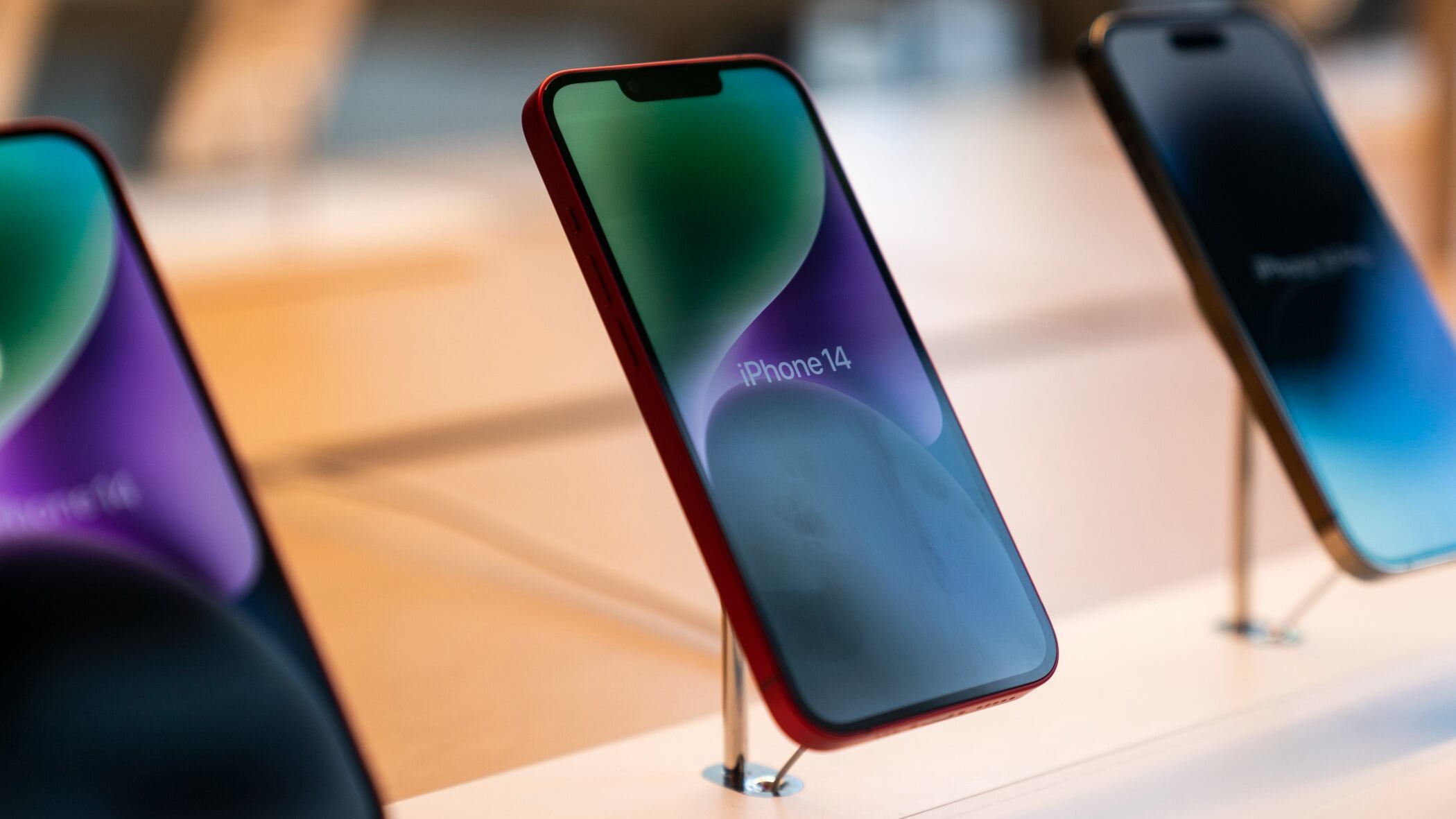
On March 1, Apple will start charging an extra $20 for battery replacements on out-of-warranty iPhones, according to an update on the AppleCare+ webpage.
The new price will be $99 for the iPhone 14, and while these models are currently under warranty, they won't be after the one-year anniversary of their release in September 2023.
At that point, the higher price point could encourage customers with broken batteries to simply buy a new phone rather than shell out nearly $100 for a replacement part.
Apple has adjusted prices multiple times in recent years, as supply chain issues have raised production costs. Just last month, labor unrest at an iPhone supplier in China led to a production shortfall. The company struggled with similar disruptions throughout the pandemic.
There is also a history of consumers pushing back against Apple's practices around batteries. The company in 2020 was forced to pay $113 million in fines to settle consumer fraud lawsuits around a controversy known as "batterygate," in which iPhone users discovered that Apple installed new software that made devices with older batteries operate slower.
In addition, CEO Tim Cook in 2019 wrote in a letter to investors that "some customers taking advantage of significantly reduced pricing for iPhone battery replacements" was partly behind a lower-than-expected iPhone sales.
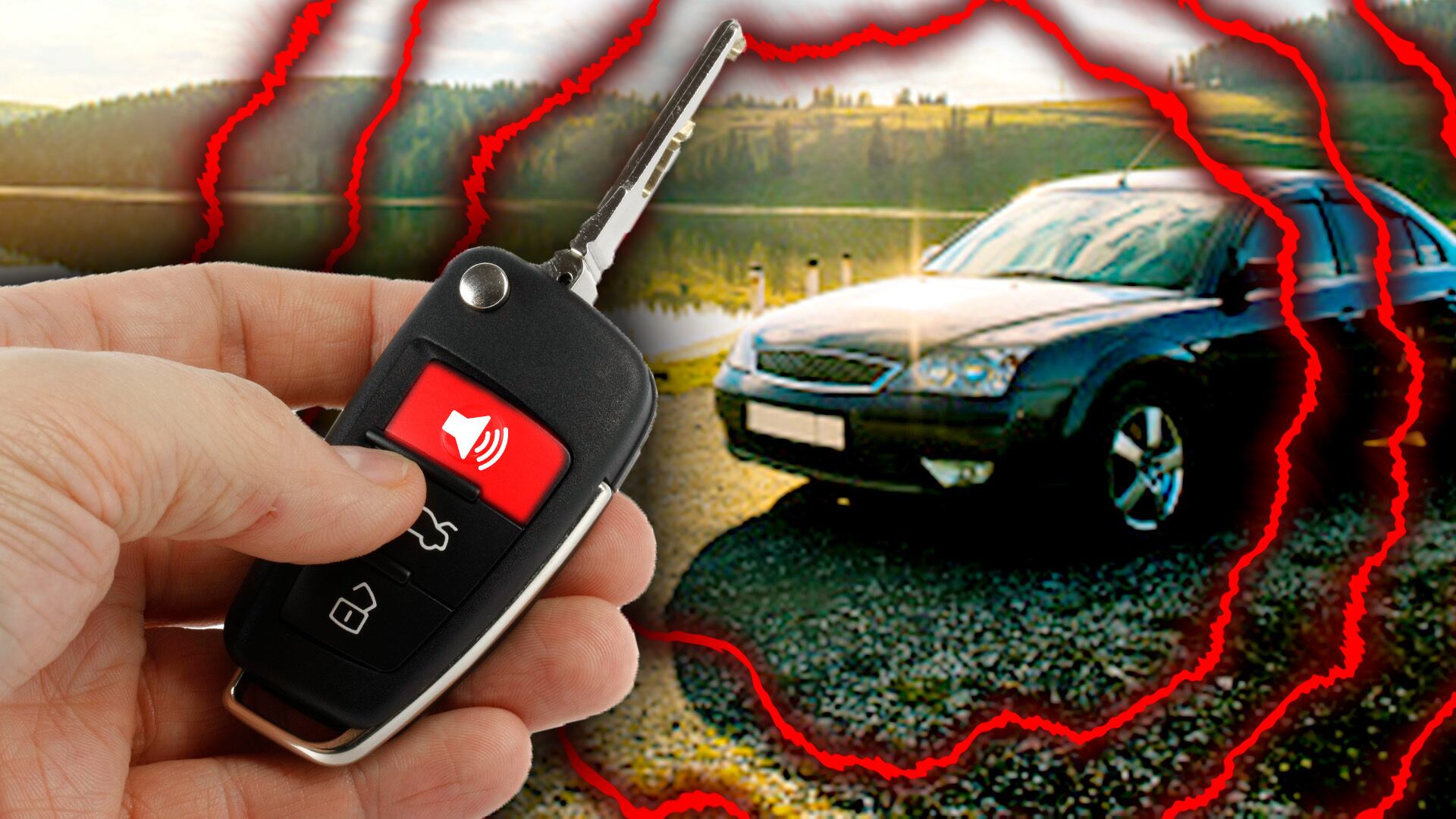
If you lived in a big city in the 90s, you're probably one of the unlucky people who was kept up at night on a regular basis by errant car alarms. But today, those in that same big city hear alarms far less often than you did. So where did car alarms go? How have they evolved, and did we ever need them to begin with?
The online used-car marketplace, Vroom, began trading on Nasdaq on Tuesday, doubling its IPO price.
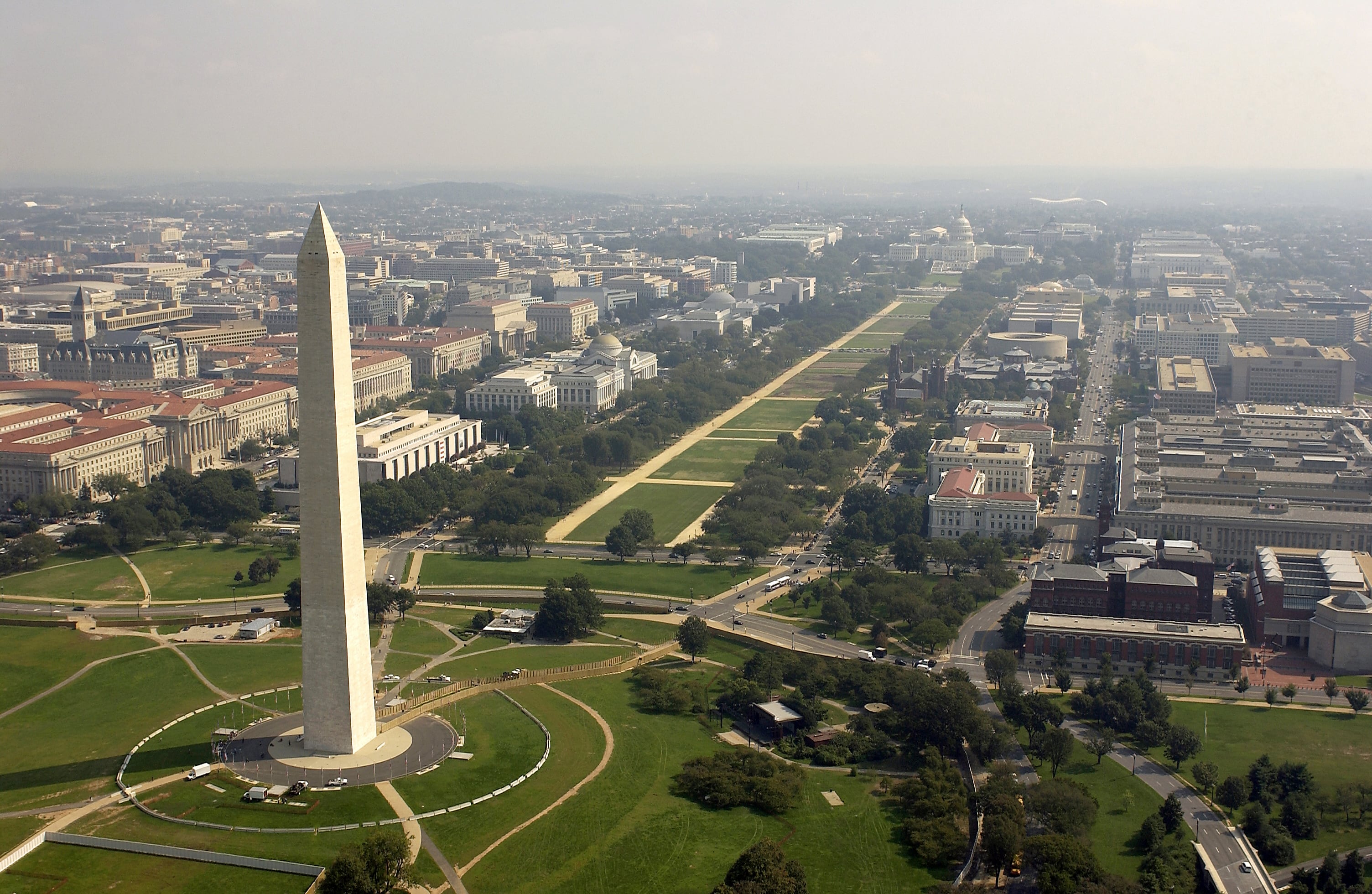
The skyline of Washington D.C. is stunted. You've probably heard that D.C. can't build skyscrapers taller than the U.S. Capital Building or the Washington Monument. But those are both myths from a bygone era. Cheddar tells the real story.
IBM says it is getting out of the facial recognition business over concern about how it can be used for mass surveillance and racial profiling.
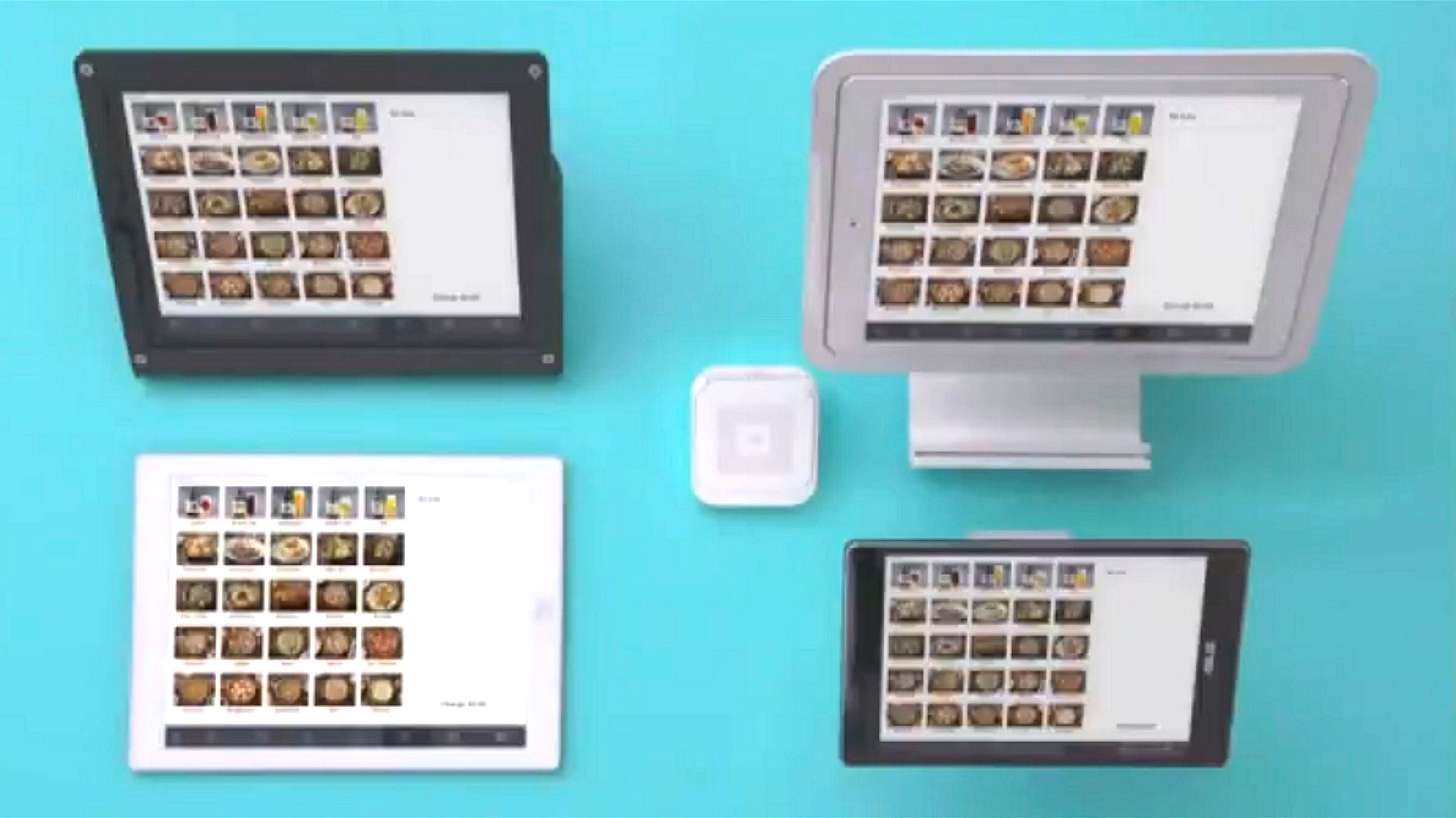
Contactless payments company Square has seen its clients forced to adapt to social distancing and stay-at-home orders with new technology.
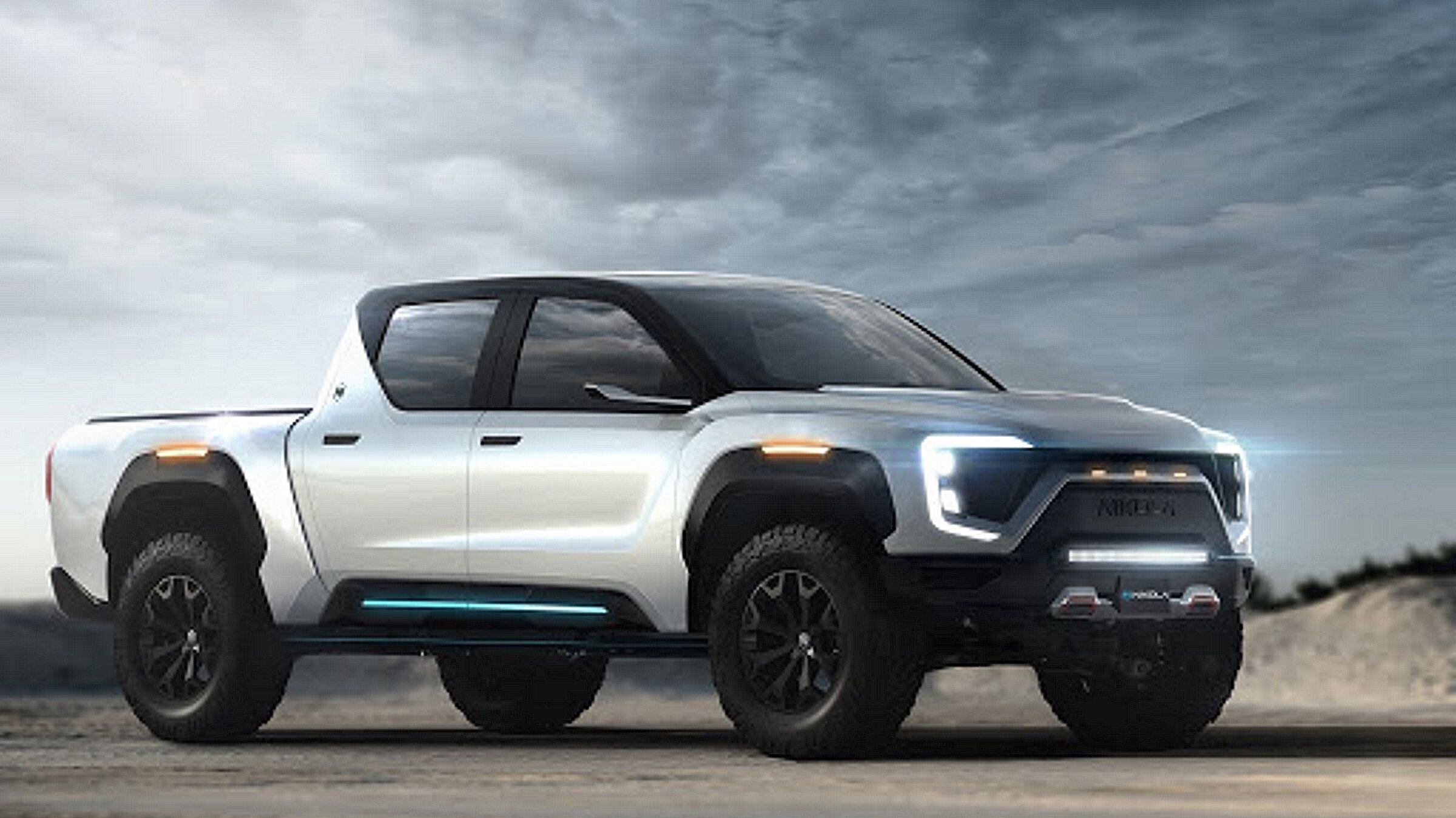
Nikola motors goes public after developing zero emissions hydrogen and battery electric powered semi-trucks. A fleet of Nikola trucks are set to be manufactured in 2021 out of Germany.
Facebook employees are using Twitter to register their frustration over CEO Mark Zuckerberg’s decision to leave up posts by President Donald Trump that suggested protesters in Minneapolis could be shot.
A growing number of writers, performers, musicians, and podcasters who have turned to fan-direct services such as Patreon, Substack, and OnlyFans to make a living. This trend has only been amplified under quarantine, as media consumption has increased dramatically worldwide.
From Wall Street to Silicon Valley, these are the top stories that moved markets and had investors, business leaders, and entrepreneurs talking this week on Cheddar.
Autotune was a staple in pop hits throughout the 2000s. T-Pain, Nelly, Daft Punk, and almost every major pop artist embraced the technology. But most of these famous tunes were actually using Autotune incorrectly. So who started this trend and how did something so despised become so popular?