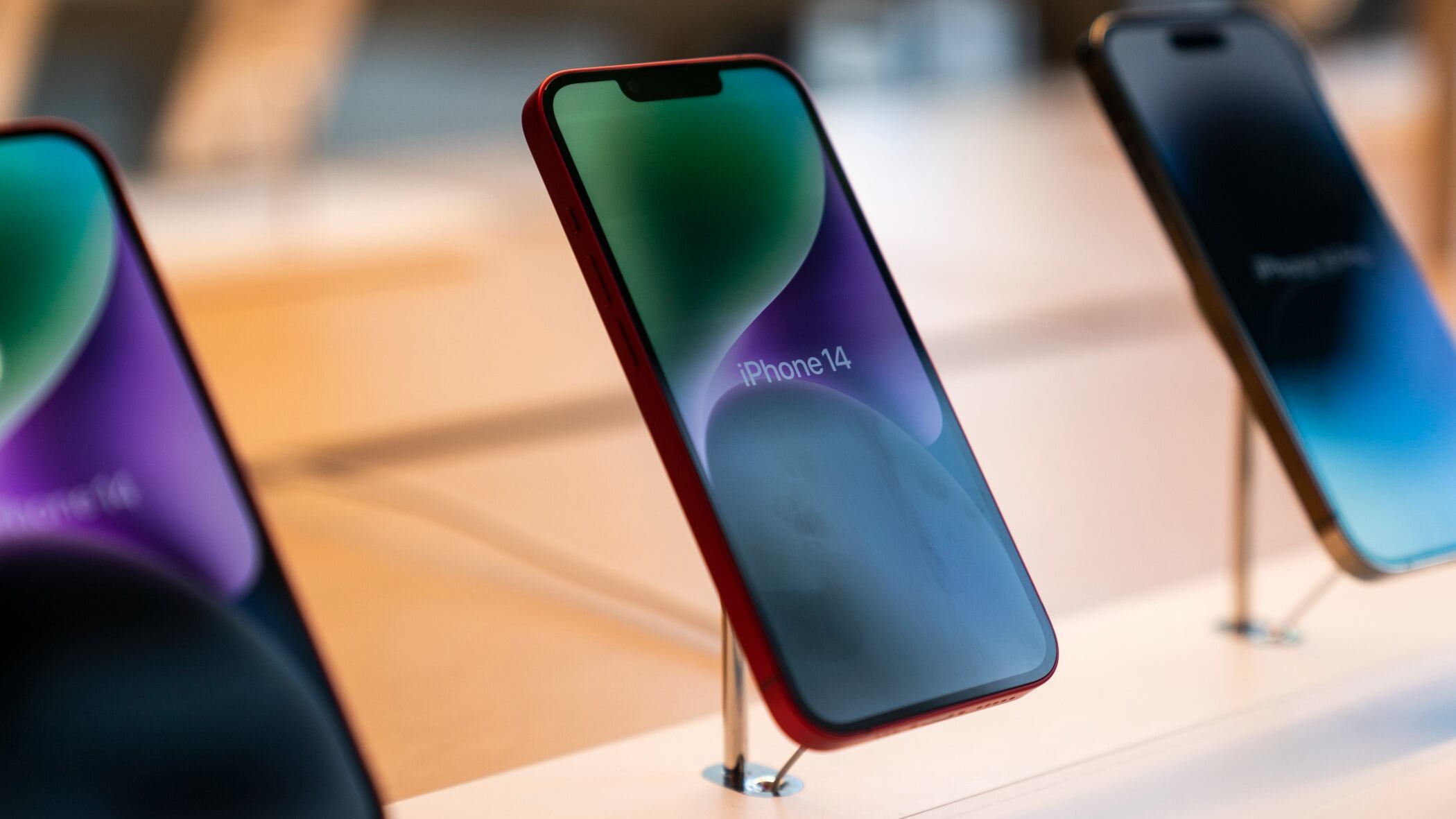
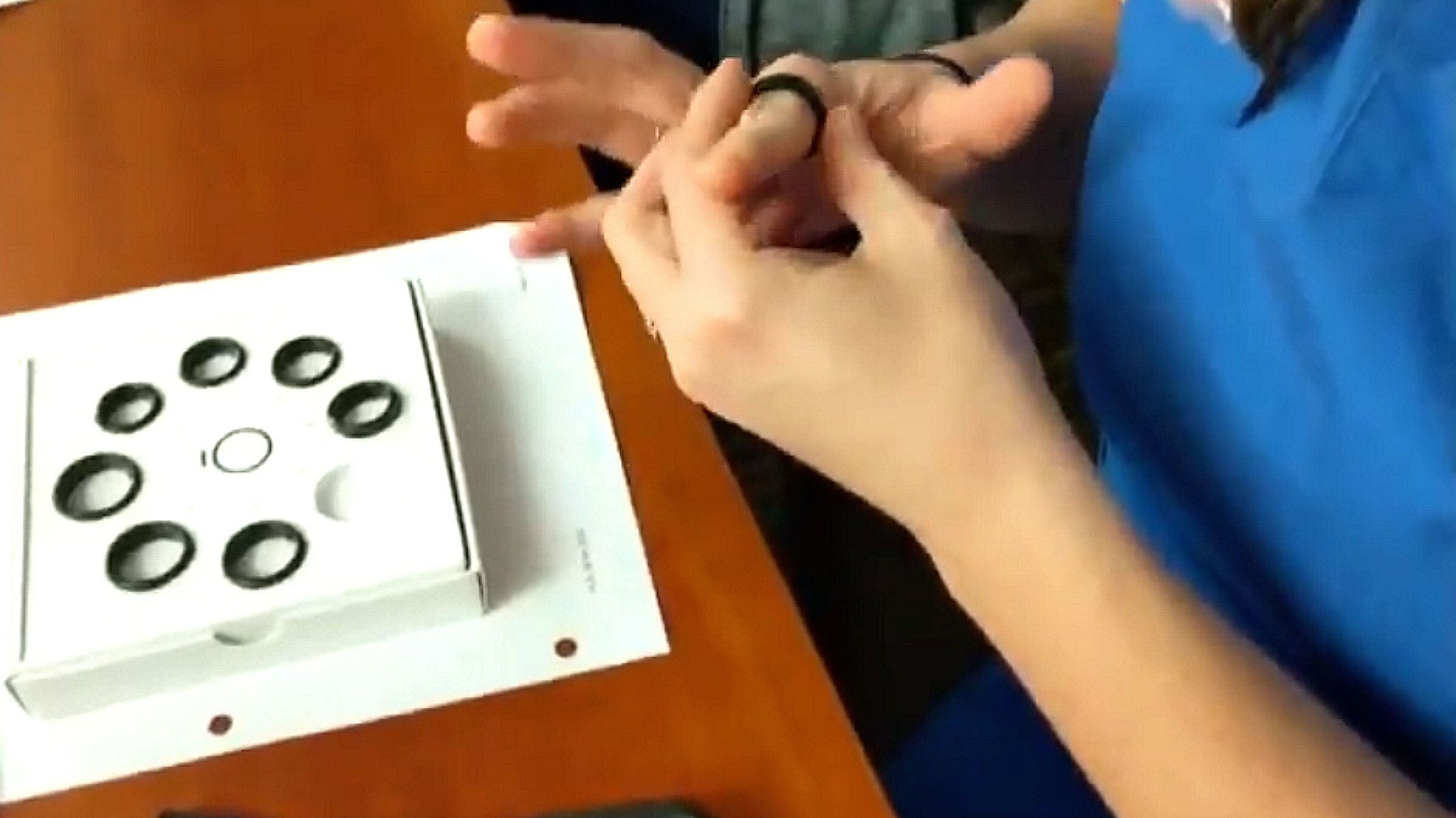
On March 1, Apple will start charging an extra $20 for battery replacements on out-of-warranty iPhones, according to an update on the AppleCare+ webpage.
The new price will be $99 for the iPhone 14, and while these models are currently under warranty, they won't be after the one-year anniversary of their release in September 2023.
At that point, the higher price point could encourage customers with broken batteries to simply buy a new phone rather than shell out nearly $100 for a replacement part.
Apple has adjusted prices multiple times in recent years, as supply chain issues have raised production costs. Just last month, labor unrest at an iPhone supplier in China led to a production shortfall. The company struggled with similar disruptions throughout the pandemic.
There is also a history of consumers pushing back against Apple's practices around batteries. The company in 2020 was forced to pay $113 million in fines to settle consumer fraud lawsuits around a controversy known as "batterygate," in which iPhone users discovered that Apple installed new software that made devices with older batteries operate slower.
In addition, CEO Tim Cook in 2019 wrote in a letter to investors that "some customers taking advantage of significantly reduced pricing for iPhone battery replacements" was partly behind a lower-than-expected iPhone sales.
Patreon has been valued at over $1.2 billion as the coronavirus pandemic forces creators find new outlets. CEO Jack Conte joined Cheddar to discuss the company's vision.
Altice USA, Cheddar's parent company, has made an offer to purchase the rest of Cogeco, which owns Atlantic Broadband. Altice USA will sell the Canadian assets to Rogers Communications.
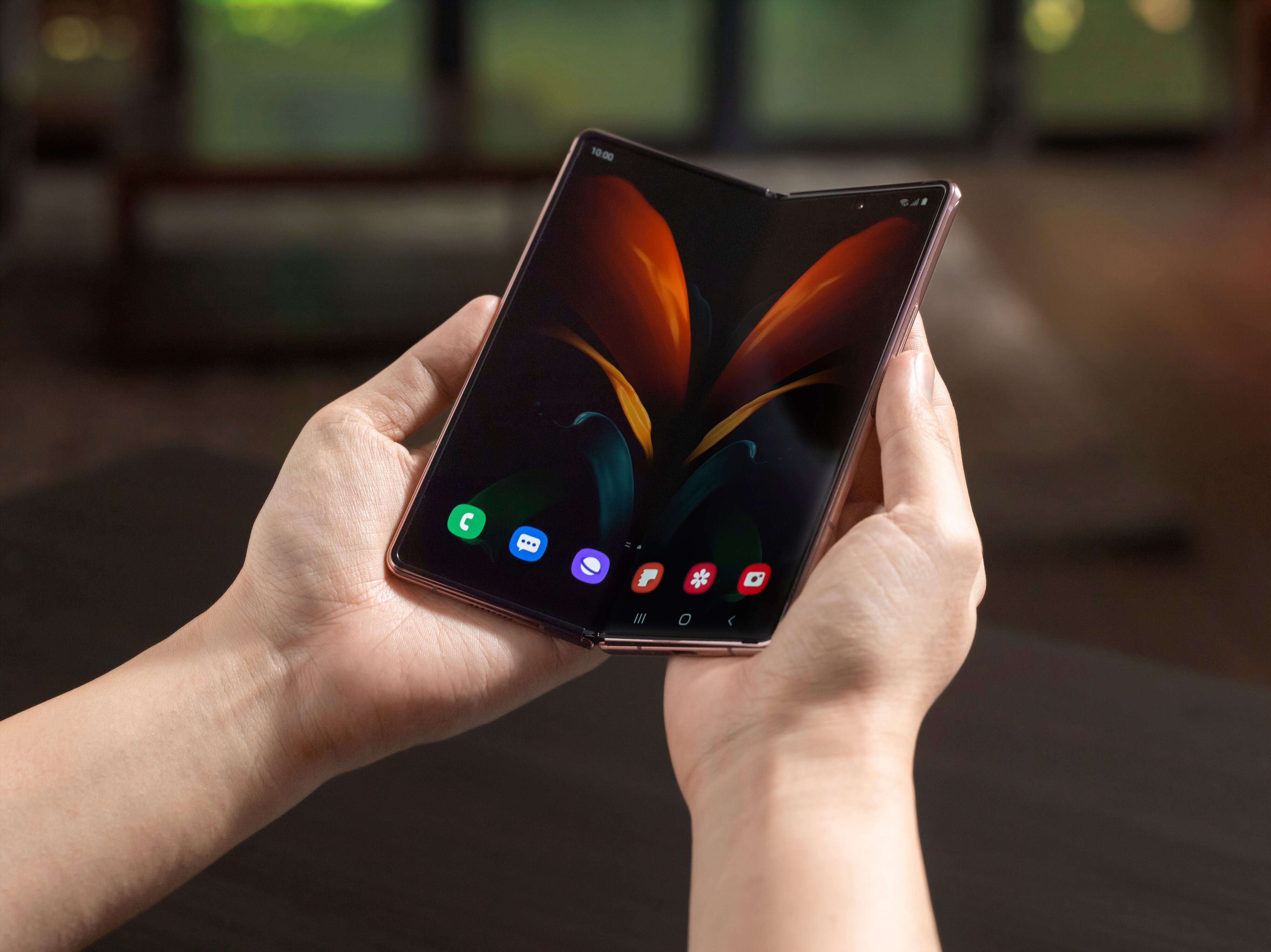
Samsung’s second attempt at a foldable smartphone will come with a $2,000 price tag and a few elite perks aimed at affluent consumers still able to afford the finer things in life during tough times.
Facebook said Tuesday that it removed a small network of accounts and pages linked to Russia's Internet Research Agency, the “troll factory" that has used social media accounts to sow political discord in the U.S. since the 2016 presidential election.
West Virginia University has developed technology that can predict coronavirus outbreaks with 90 percent accuracy. Dr. Ali Rezai, executive chair of WVU's Rockefeller Neuroscience Institute, joined Cheddar to discuss the technology and protocols the university will implement to mitigate the spread of COVID-19.
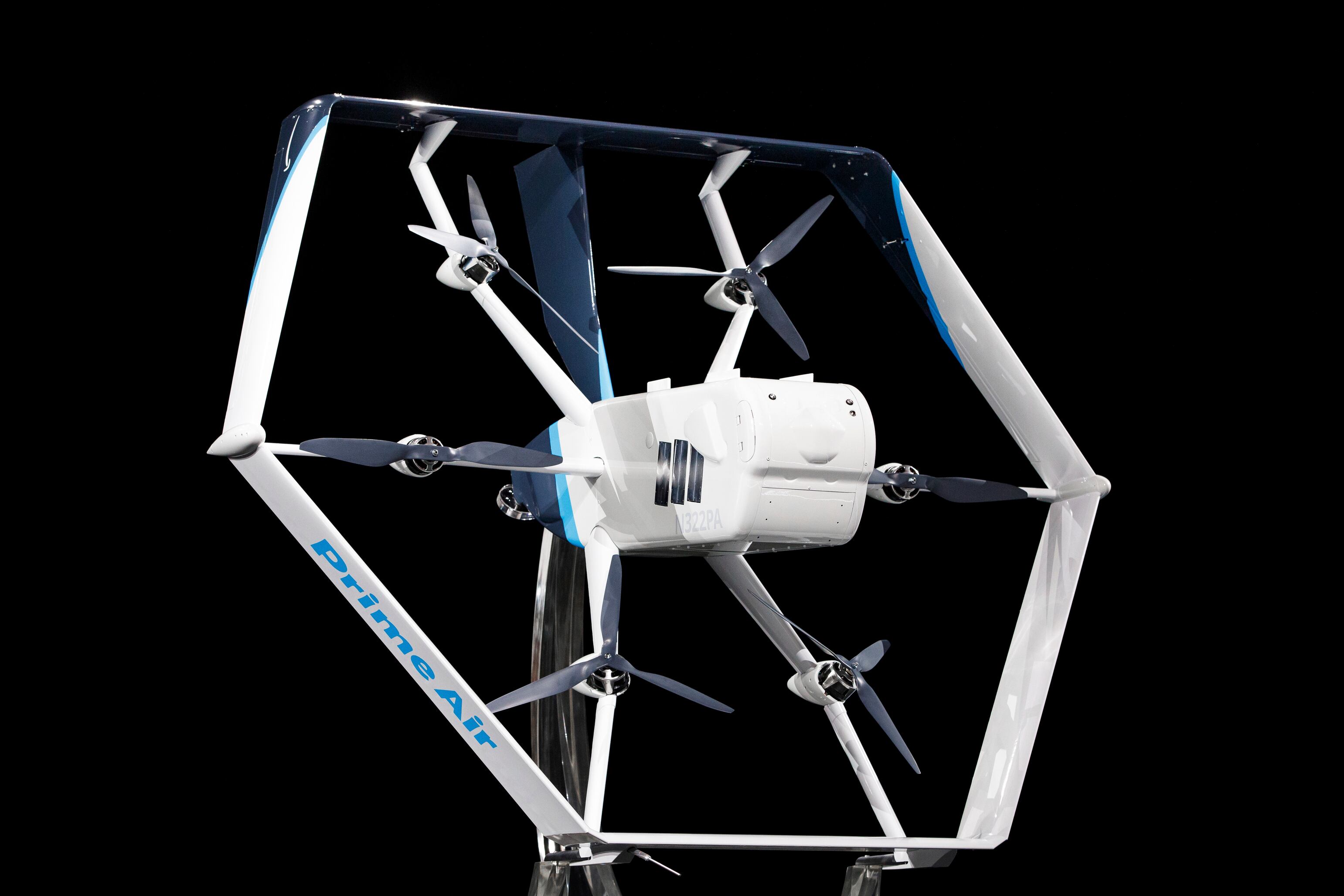
Getting an Amazon package delivered from the sky is closer to becoming a reality..
China on Friday introduced export restrictions on artificial intelligence technology, including the type that TikTok uses to choose which videos to spool up to its users.
From Wall Street to Silicon Valley, these are the top stories that moved markets and had investors, business leaders, and entrepreneurs talking this week on Cheddar.
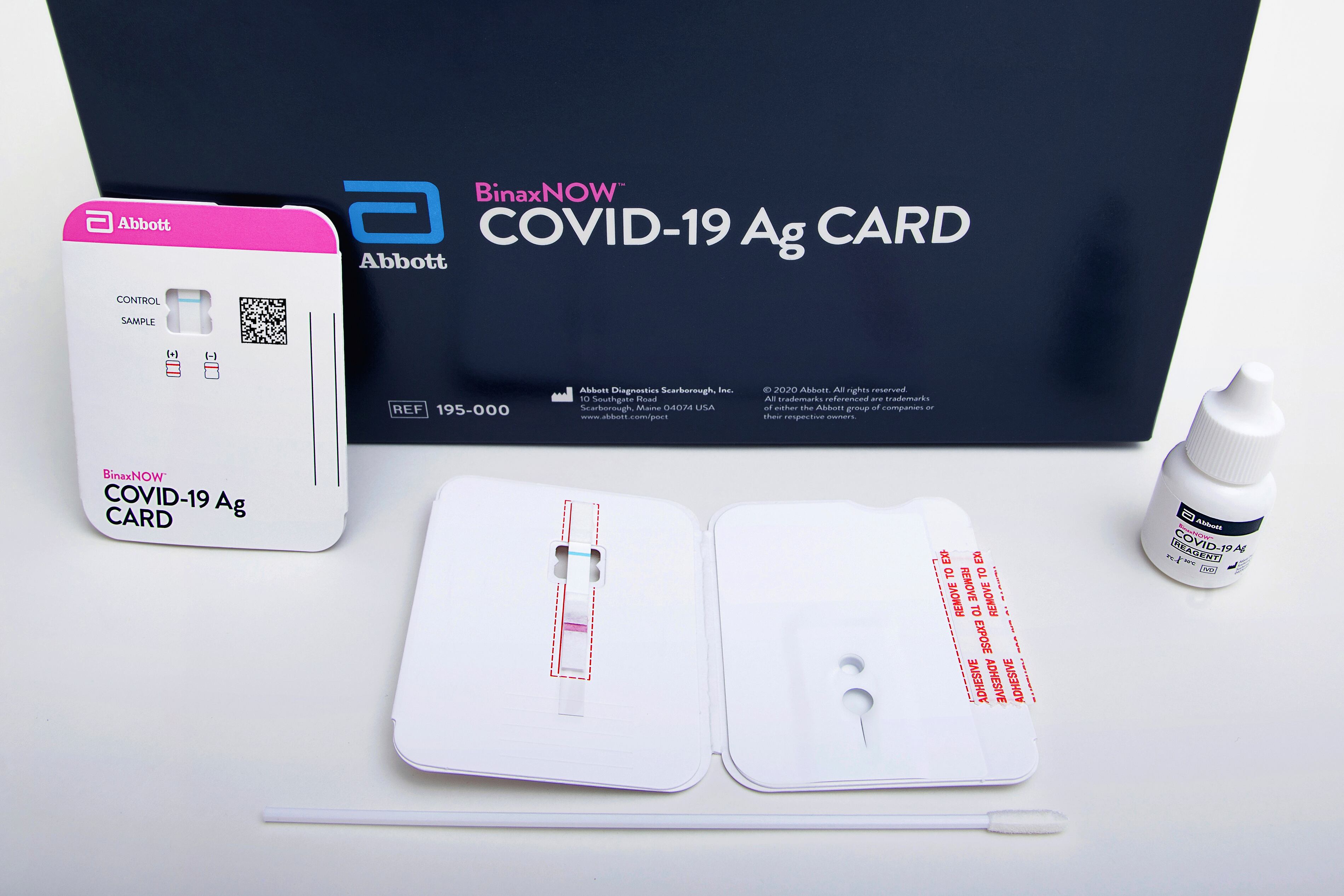
Abbott has announced a new FDA approved rapid COVID-19 test. Dr. John Hackett, divisional vice president of applied research and technology for Abbott's diagnostics business, joined Cheddar to discuss how the test works and its accuracy.
Unity Technologies is set to go public as it becomes one of the most successful game developing platforms with over two billion active users. Cheddar's Michelle Castillo reports.