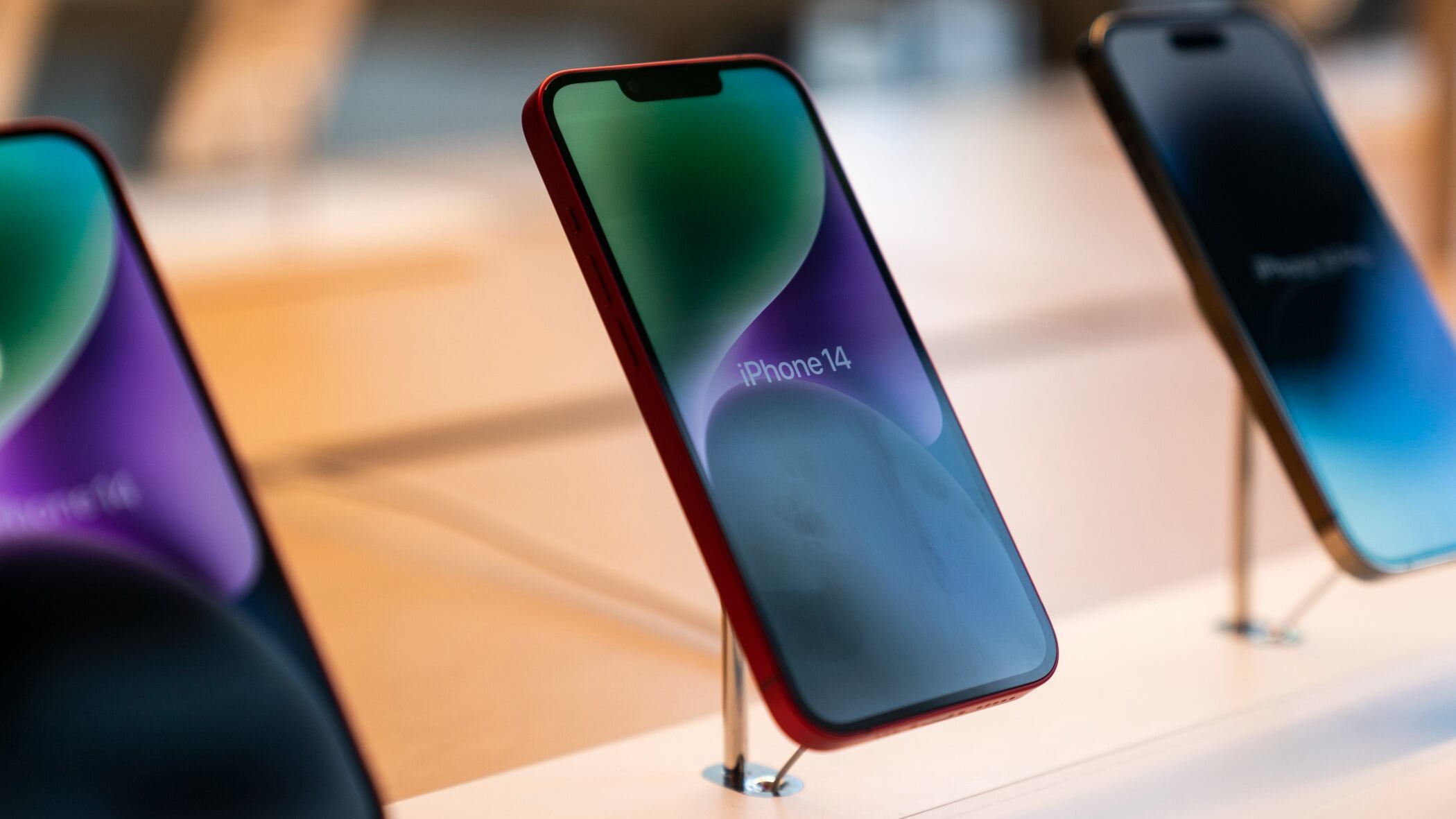
On March 1, Apple will start charging an extra $20 for battery replacements on out-of-warranty iPhones, according to an update on the AppleCare+ webpage.
The new price will be $99 for the iPhone 14, and while these models are currently under warranty, they won't be after the one-year anniversary of their release in September 2023.
At that point, the higher price point could encourage customers with broken batteries to simply buy a new phone rather than shell out nearly $100 for a replacement part.
Apple has adjusted prices multiple times in recent years, as supply chain issues have raised production costs. Just last month, labor unrest at an iPhone supplier in China led to a production shortfall. The company struggled with similar disruptions throughout the pandemic.
There is also a history of consumers pushing back against Apple's practices around batteries. The company in 2020 was forced to pay $113 million in fines to settle consumer fraud lawsuits around a controversy known as "batterygate," in which iPhone users discovered that Apple installed new software that made devices with older batteries operate slower.
In addition, CEO Tim Cook in 2019 wrote in a letter to investors that "some customers taking advantage of significantly reduced pricing for iPhone battery replacements" was partly behind a lower-than-expected iPhone sales.
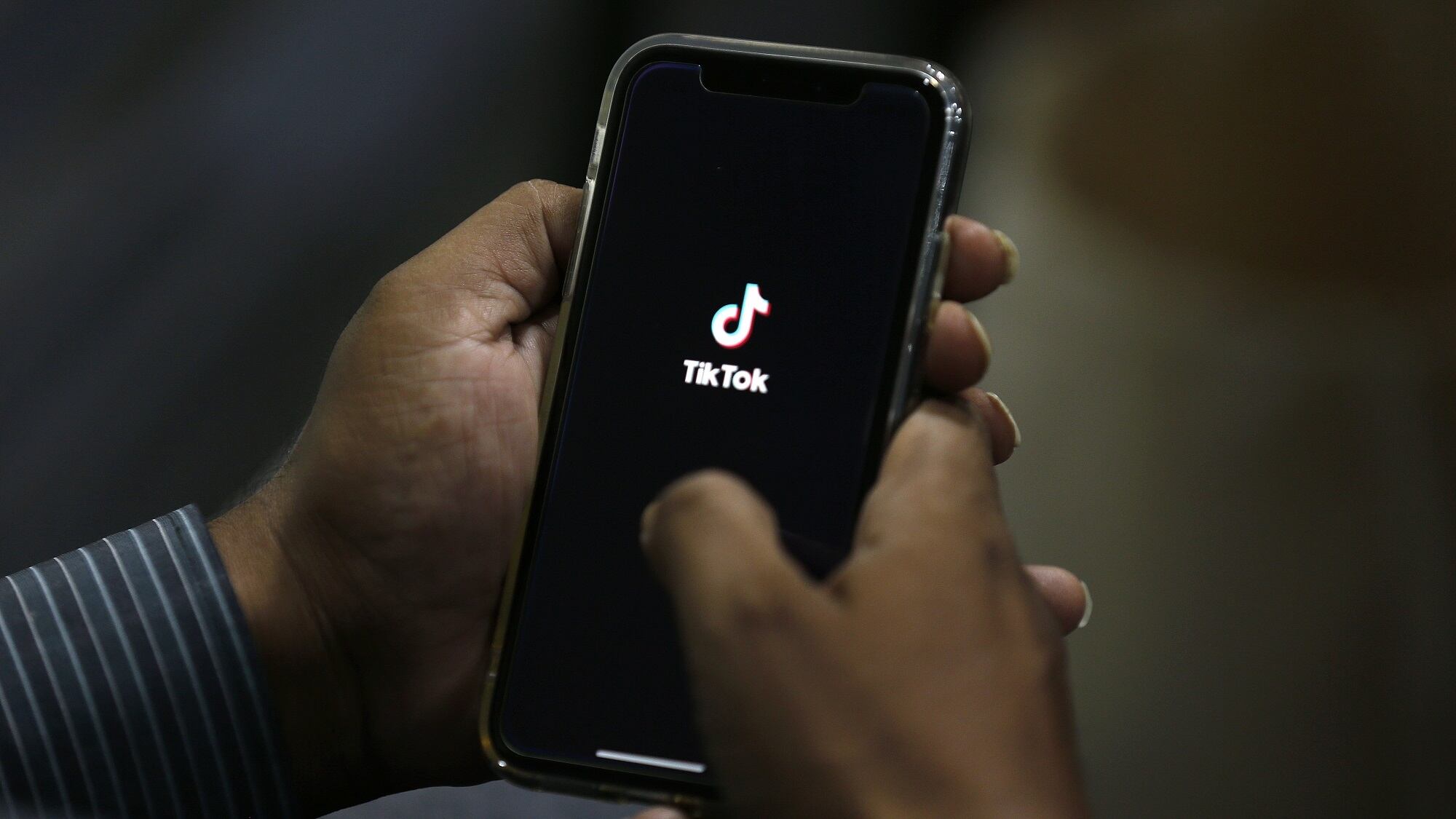
Oracle said Monday that the Chinese owner of TikTok has picked the U.S. company to be its “trusted technology provider,” beating out rival Microsoft in a deal that could help keep the popular video-sharing app running in the U.S.
As more people stay indoors and work from home amid the pandemic, home upkeep is surging. Chairish co-founder Anna Brockway joined Cheddar to discuss the surge in home decor and hot items people are buying.
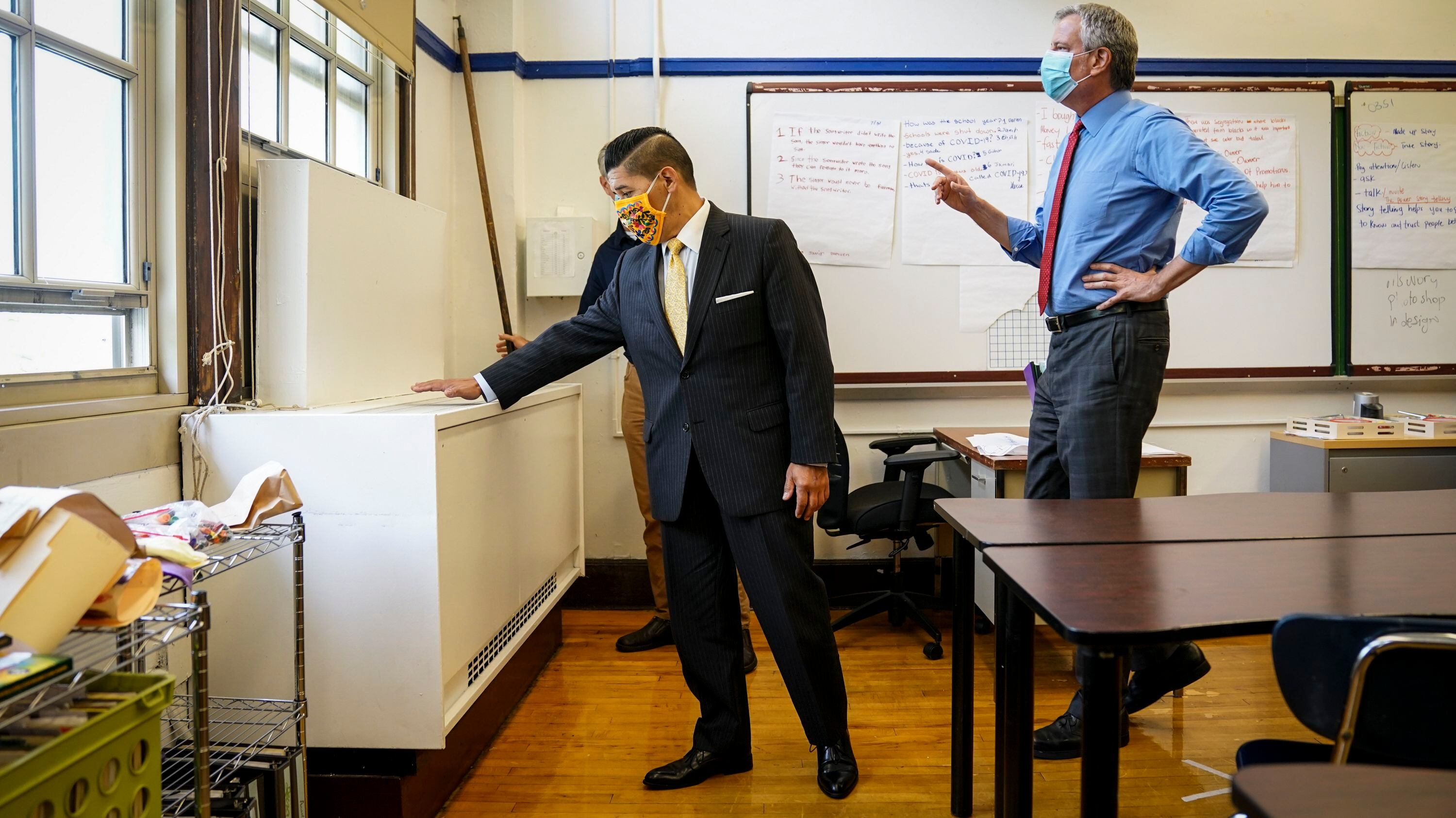
Figuring out best practices when it comes to preventing airborne transmission is inherently challenging though, especially when it comes to the technical aspects of retrofitting ventilation systems.
Peloton reported a substantial jump in revenue, raking in more than $600 million in the fourth quarter
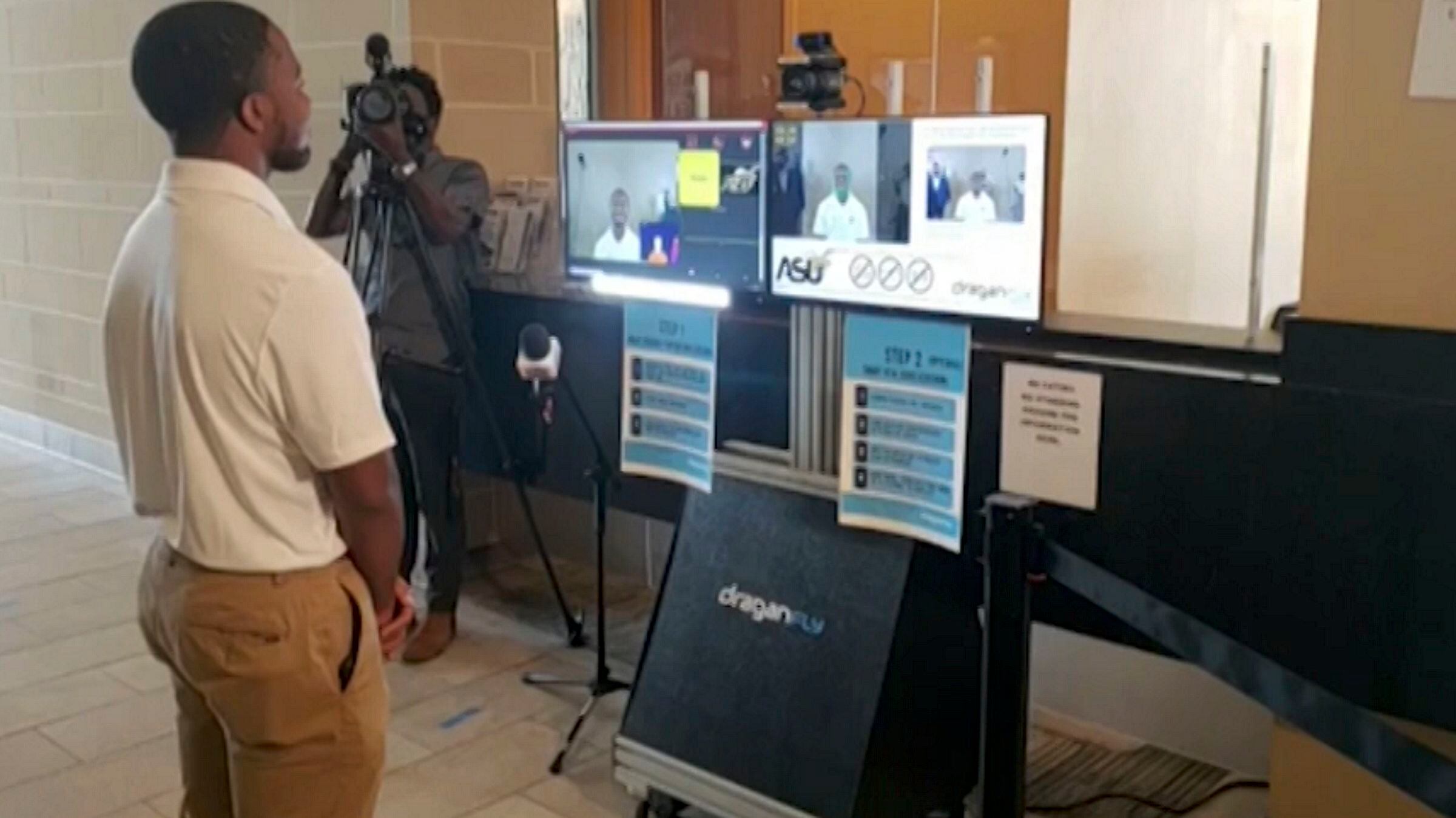
Alabama State University has managed to keep COVID-19 infections at zero despite rising cases on college campuses. University president, Quinton Ross, Jr, joined Cheddar to discuss new technology that scans for coronavirus symptoms.
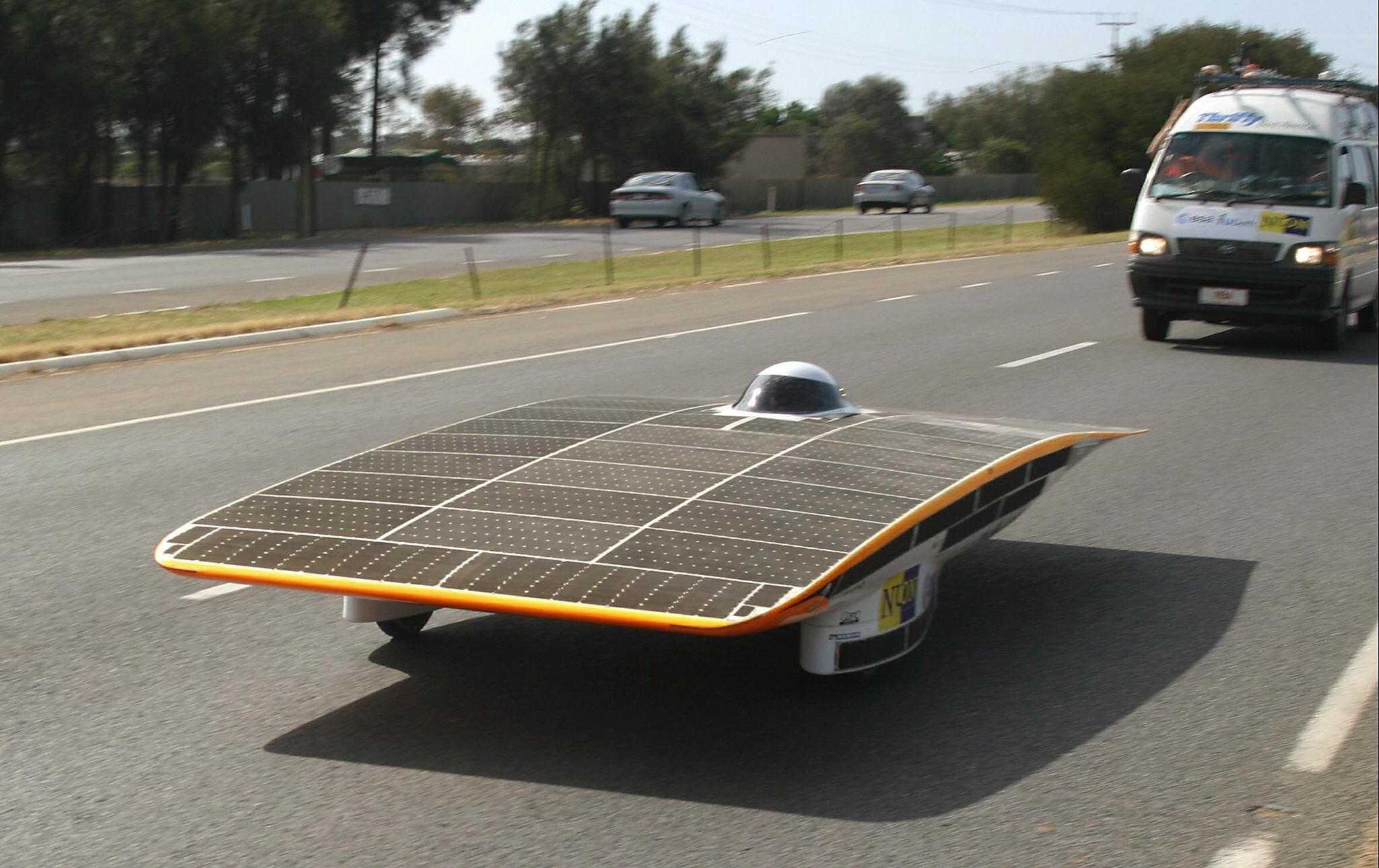
In the 1980's and 90's, the solar car was deemed the future of transportation. Yet, just as quickly as it arrived, the solar car disappeared. But today, as the problems caused by our reliance on fossil fuels have grown, so has a demand for alternative sources of energy for our vehicles. While electric cars are rapidly gaining a larger share of the automotive market, this technology still relies on electricity from a grid often fueled by petroleum or coal. And this is why some companies today are again trying to harness the most powerful energy source we know: the sun.
Electric vehicle maker, Nikola, announced a partnership with General Motors to construct its electric pick up truck, the Badger. Founder and executive chairman, Trevor Milton, joined Cheddar to production timeline and benefits of joining GM.
From Wall Street to Silicon Valley, these are the top stories that moved markets and had investors, business leaders, and entrepreneurs talking this week on Cheddar.
Stocks fell sharply on Wall Street Thursday as high-flying technology companies took a tumble after months of spectacular gains.
With just two months left until the U.S. presidential election, Facebook says it is taking additional steps to encourage voting, minimize misinformation and reduce the likelihood of post-election “civil unrest.”