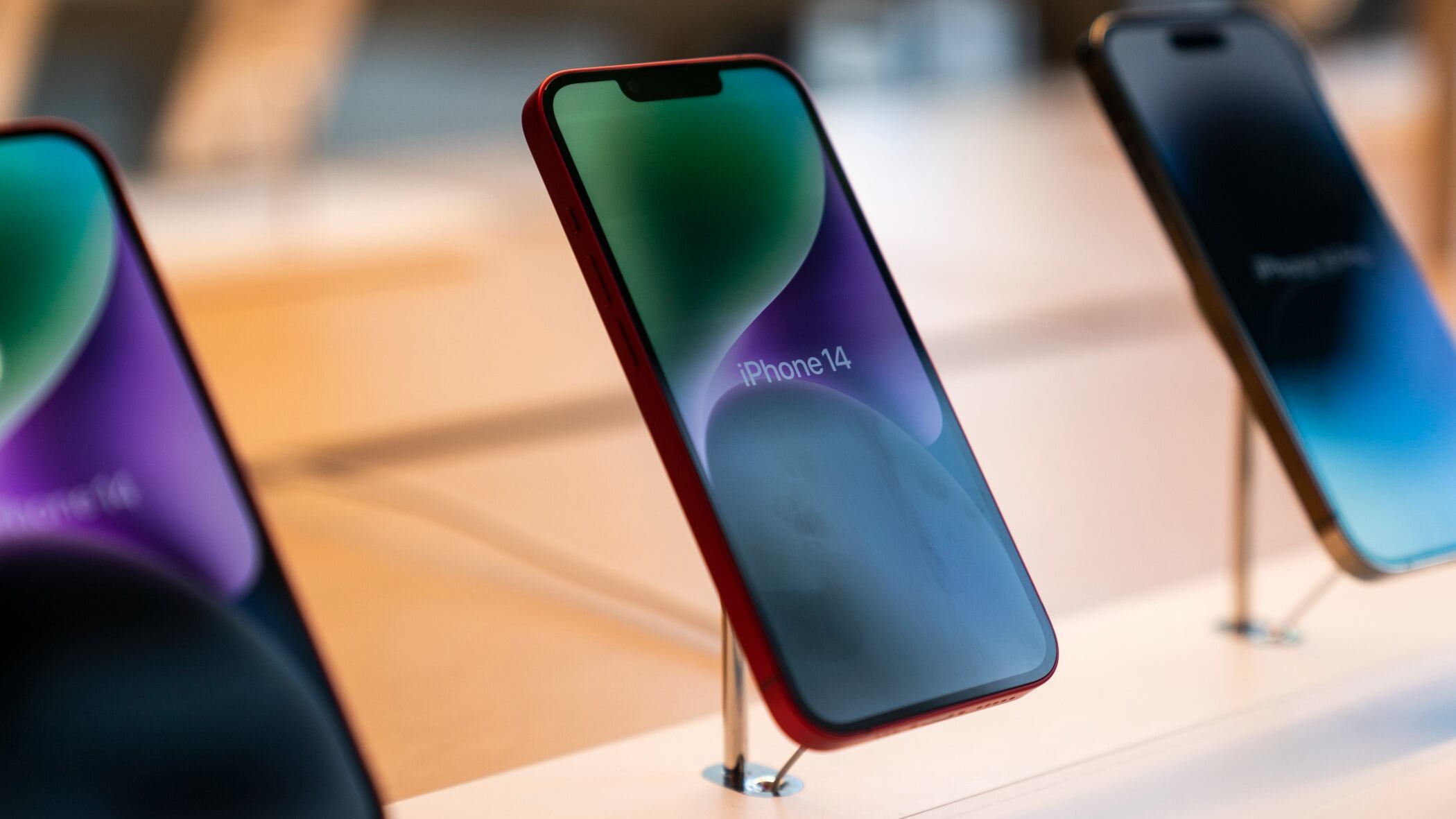
On March 1, Apple will start charging an extra $20 for battery replacements on out-of-warranty iPhones, according to an update on the AppleCare+ webpage.
The new price will be $99 for the iPhone 14, and while these models are currently under warranty, they won't be after the one-year anniversary of their release in September 2023.
At that point, the higher price point could encourage customers with broken batteries to simply buy a new phone rather than shell out nearly $100 for a replacement part.
Apple has adjusted prices multiple times in recent years, as supply chain issues have raised production costs. Just last month, labor unrest at an iPhone supplier in China led to a production shortfall. The company struggled with similar disruptions throughout the pandemic.
There is also a history of consumers pushing back against Apple's practices around batteries. The company in 2020 was forced to pay $113 million in fines to settle consumer fraud lawsuits around a controversy known as "batterygate," in which iPhone users discovered that Apple installed new software that made devices with older batteries operate slower.
In addition, CEO Tim Cook in 2019 wrote in a letter to investors that "some customers taking advantage of significantly reduced pricing for iPhone battery replacements" was partly behind a lower-than-expected iPhone sales.
A small air leak at the International Space Station has finally been traced to the Russian side, following a middle-of-the-night search by astronauts.
Pinterest CRO, Jon Kaplan, joined Cheddar to discuss the surge in activity on the app amid the pandemic. Kaplan also talks new features coming to the social media app.
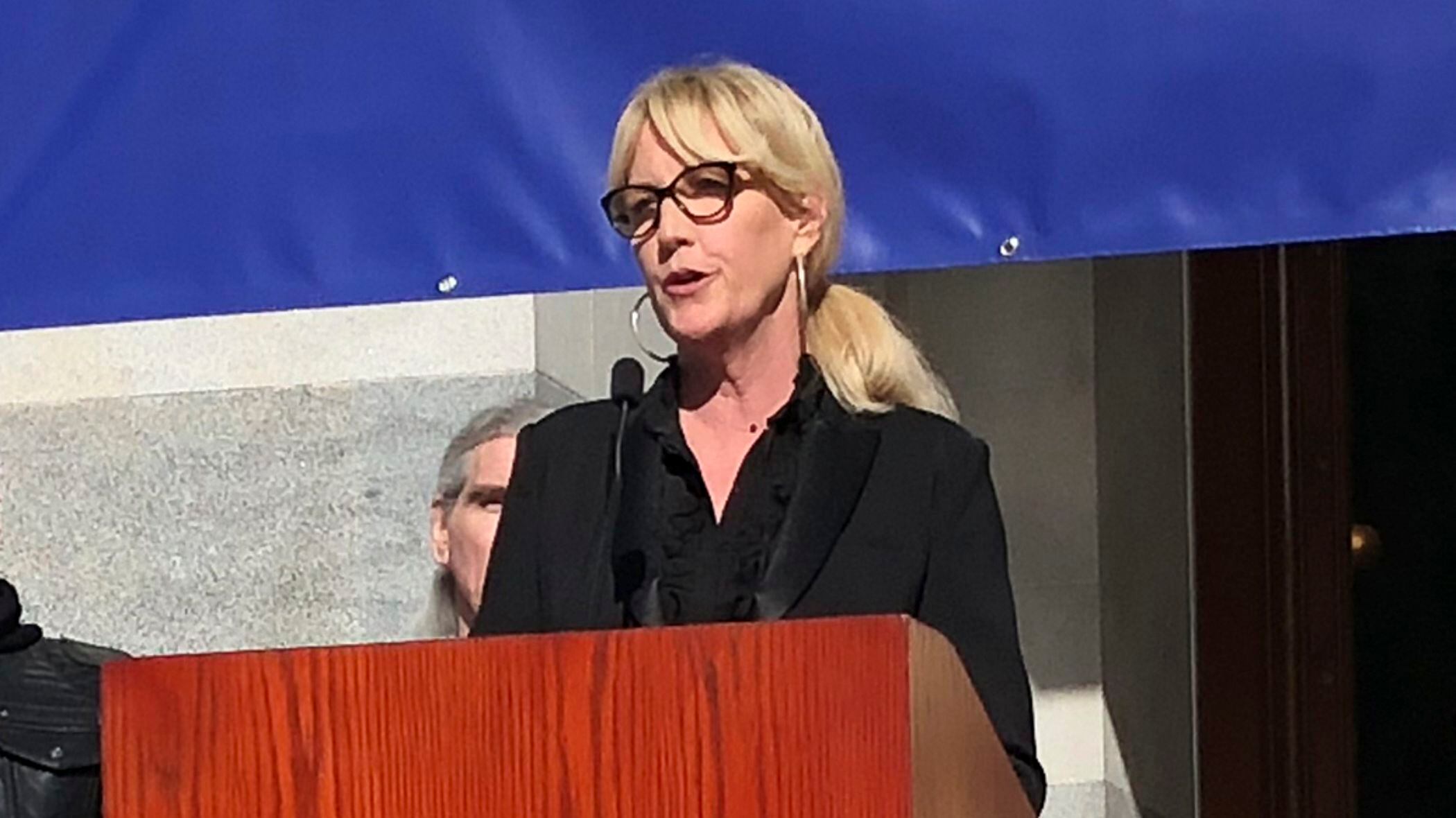
Activist, Erin Brockovich joined Cheddar to advocate for 911 operators to be classified as first responders and address problems plaguing the water supply in U.S. communities.
A federal judge has halted a ban on TikTok's U.S. operations until at least November 12th when President Trump called for a complete ban of the social media platform. Cheddar's Michelle Castillo reports on the turbulent timeline of Trump's intervention with the social media app.
Kyle Malady, chief technology officer at Verizon, joined Cheddar to discuss the new MEC technology that he said would allow the development of "new and exciting products."
Uber can keep operating in London after it won its appeal of a decision by the British capital’s transit regulator not to renew its license.
Future moon explorers will face ultrahazardous radiation levels. That's the conclusion of a new study published by Chinese and German scientists Friday.
From Wall Street to Silicon Valley, these are the top stories that moved markets and had investors, business leaders, and entrepreneurs talking this week on Cheddar.
VIA optronics is making its debut on the NYSE after the company raised $93.8 million. Jurgen Eichner, CEO, joined Cheddar to discuss taking the company public and the company's success amid the pandemic.
Ohio Rep. Bob Latta joined Cheddar to discuss new safety legislation he's introduced for autonomous vehicles. The Self-Drive Act will create a national standard for operation of self-driving cars.