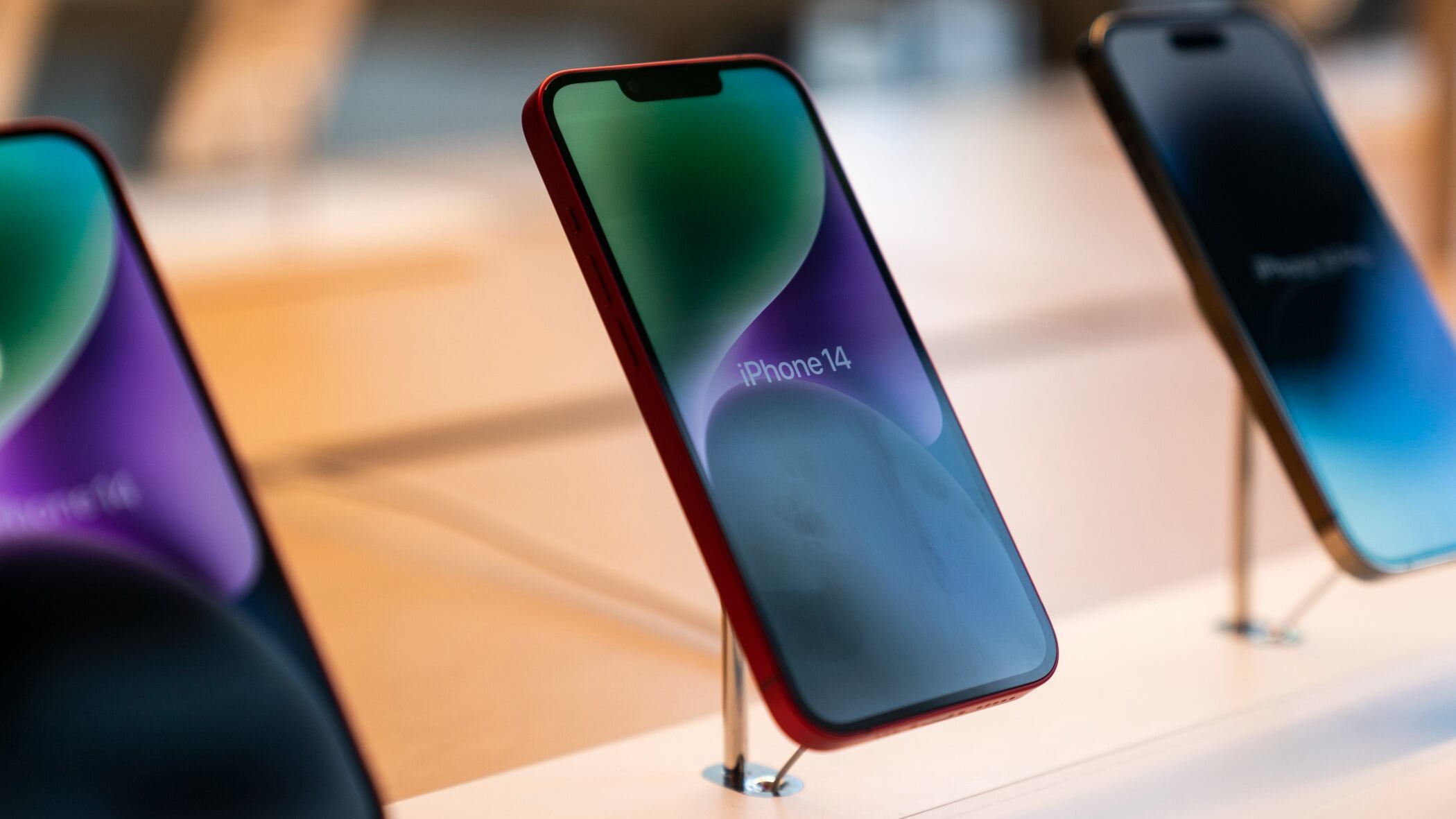
On March 1, Apple will start charging an extra $20 for battery replacements on out-of-warranty iPhones, according to an update on the AppleCare+ webpage.
The new price will be $99 for the iPhone 14, and while these models are currently under warranty, they won't be after the one-year anniversary of their release in September 2023.
At that point, the higher price point could encourage customers with broken batteries to simply buy a new phone rather than shell out nearly $100 for a replacement part.
Apple has adjusted prices multiple times in recent years, as supply chain issues have raised production costs. Just last month, labor unrest at an iPhone supplier in China led to a production shortfall. The company struggled with similar disruptions throughout the pandemic.
There is also a history of consumers pushing back against Apple's practices around batteries. The company in 2020 was forced to pay $113 million in fines to settle consumer fraud lawsuits around a controversy known as "batterygate," in which iPhone users discovered that Apple installed new software that made devices with older batteries operate slower.
In addition, CEO Tim Cook in 2019 wrote in a letter to investors that "some customers taking advantage of significantly reduced pricing for iPhone battery replacements" was partly behind a lower-than-expected iPhone sales.
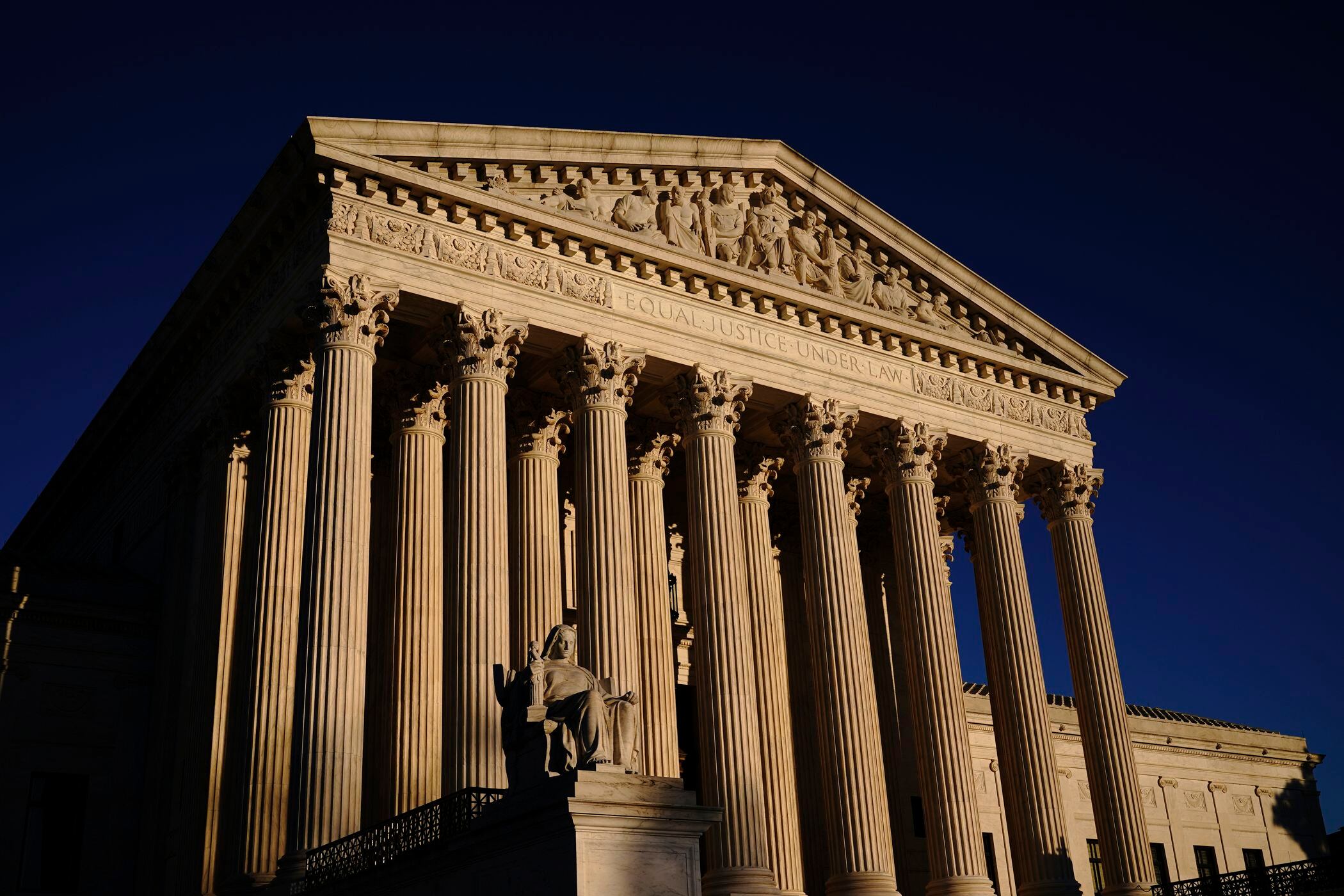
The Supreme Court is siding with Google in an $8 billion copyright dispute with Oracle.
Two months after a market phenomenon took shares of GameStop to the moon, the video game retailer says that it will sell up to 3.5 million of its shares.
Details from more than 500 million Facebook users have been found available on a website for hackers.
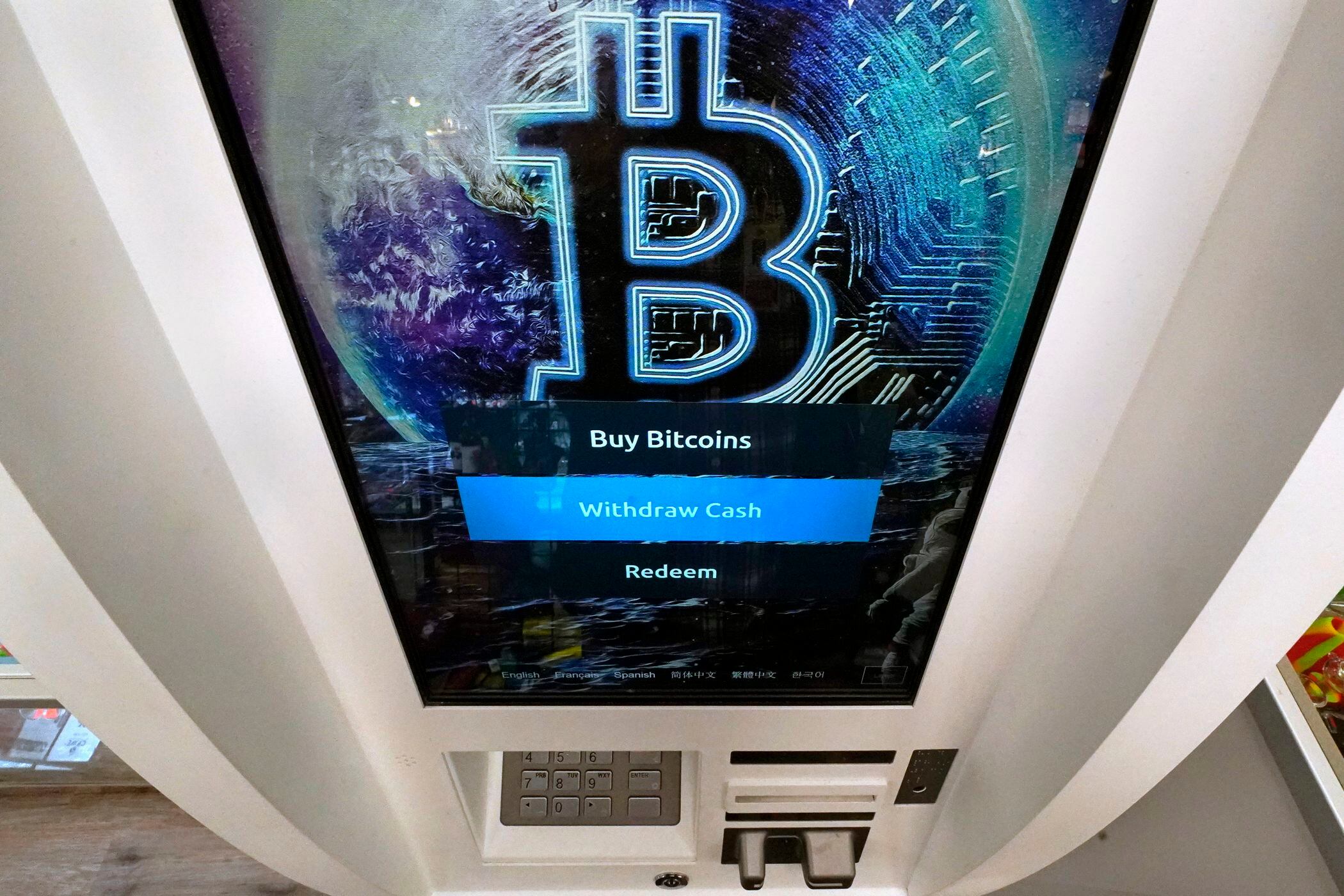
Several fintech companies this year plan to release credit cards that offer a percentage back in bitcoin on every purchase.
From Wall Street to Silicon Valley, these are the top stories that moved markets and had investors, business leaders, and entrepreneurs talking this week on Cheddar.
Tesla delivered nearly 185,000 electric vehicles in the first quarter despite a shortage of computer chips that has hit the global auto industry.
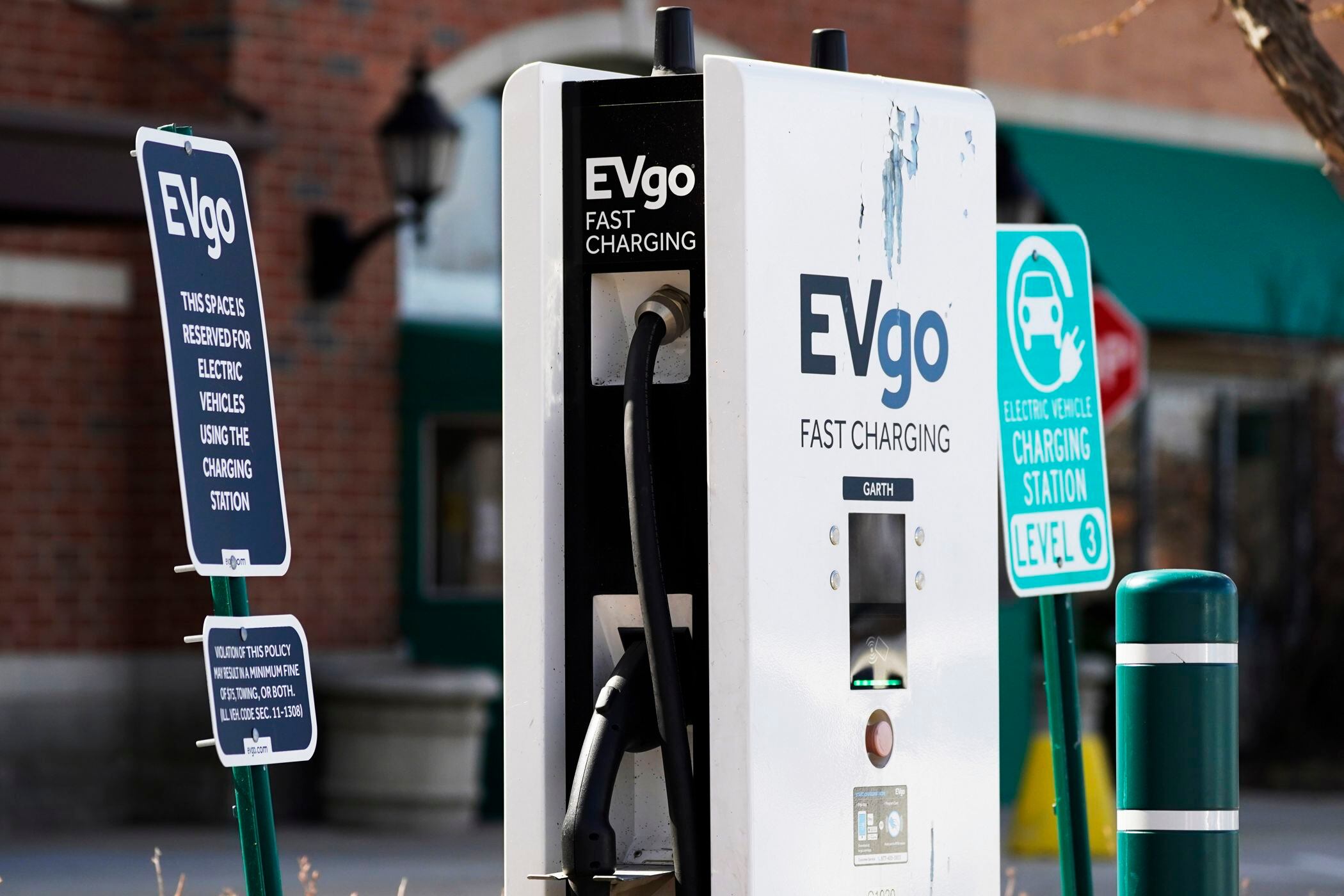
With President Biden unveiling a $2.9 trillion infrastructure plan, the old gas tax formula may not be able to serve as a matching revenue source, especially with the consistent drumbeat of growing the electric vehicle market.
Shyam Gidumal, WeWork president and COO of the Americas, talked about the latest partnership with a city to help guide more businesses back into shared workspaces.
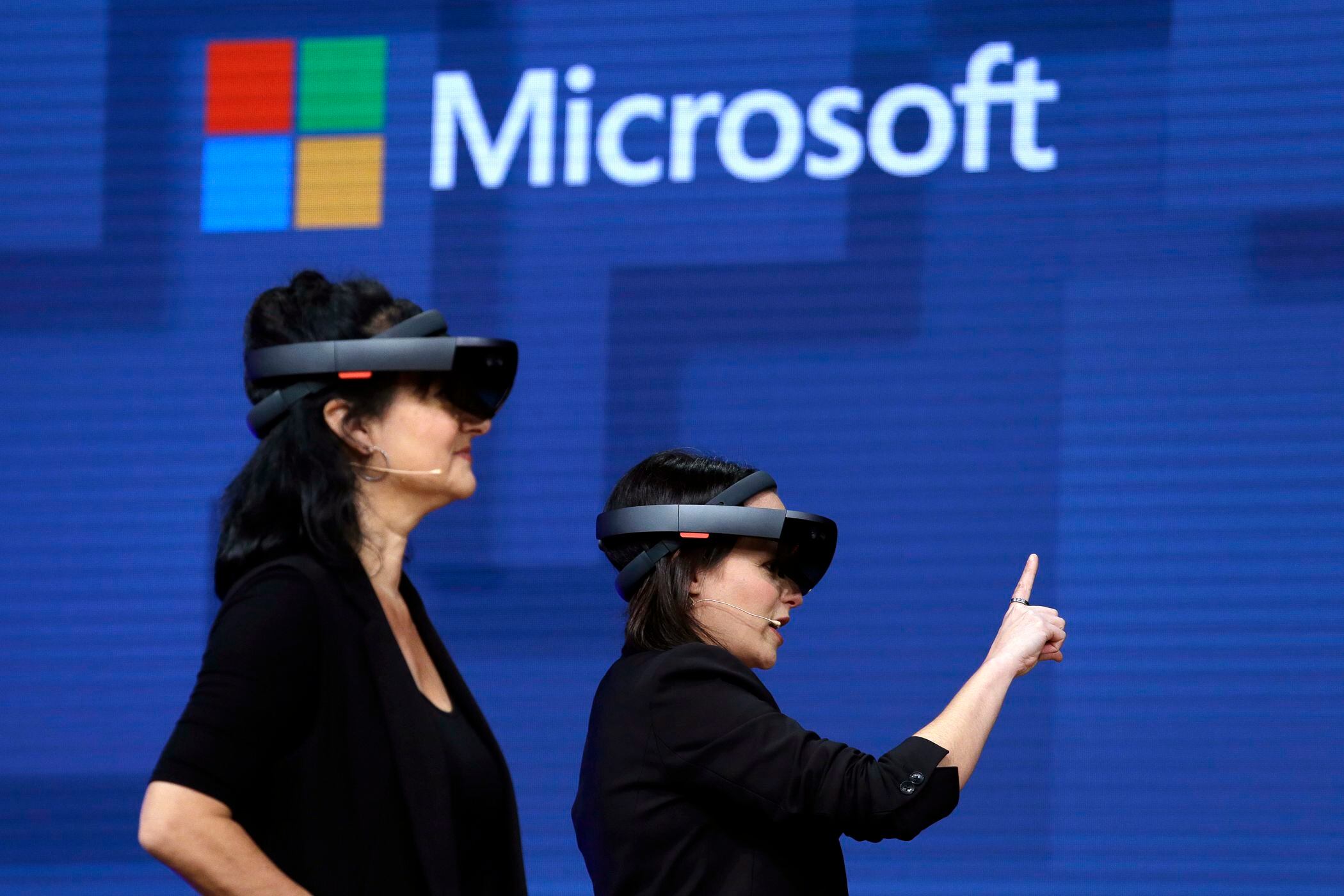
Microsoft won a nearly $22 billion contract to supply U.S. Army combat troops with its virtual reality headsets.
Andrew Williamson, vice president of global government affairs and economic adviser for Huawei, spoke to Cheddar about the Chinese telecom company's lack of communication with President Biden regarding ongoing trade tensions with the U.S.