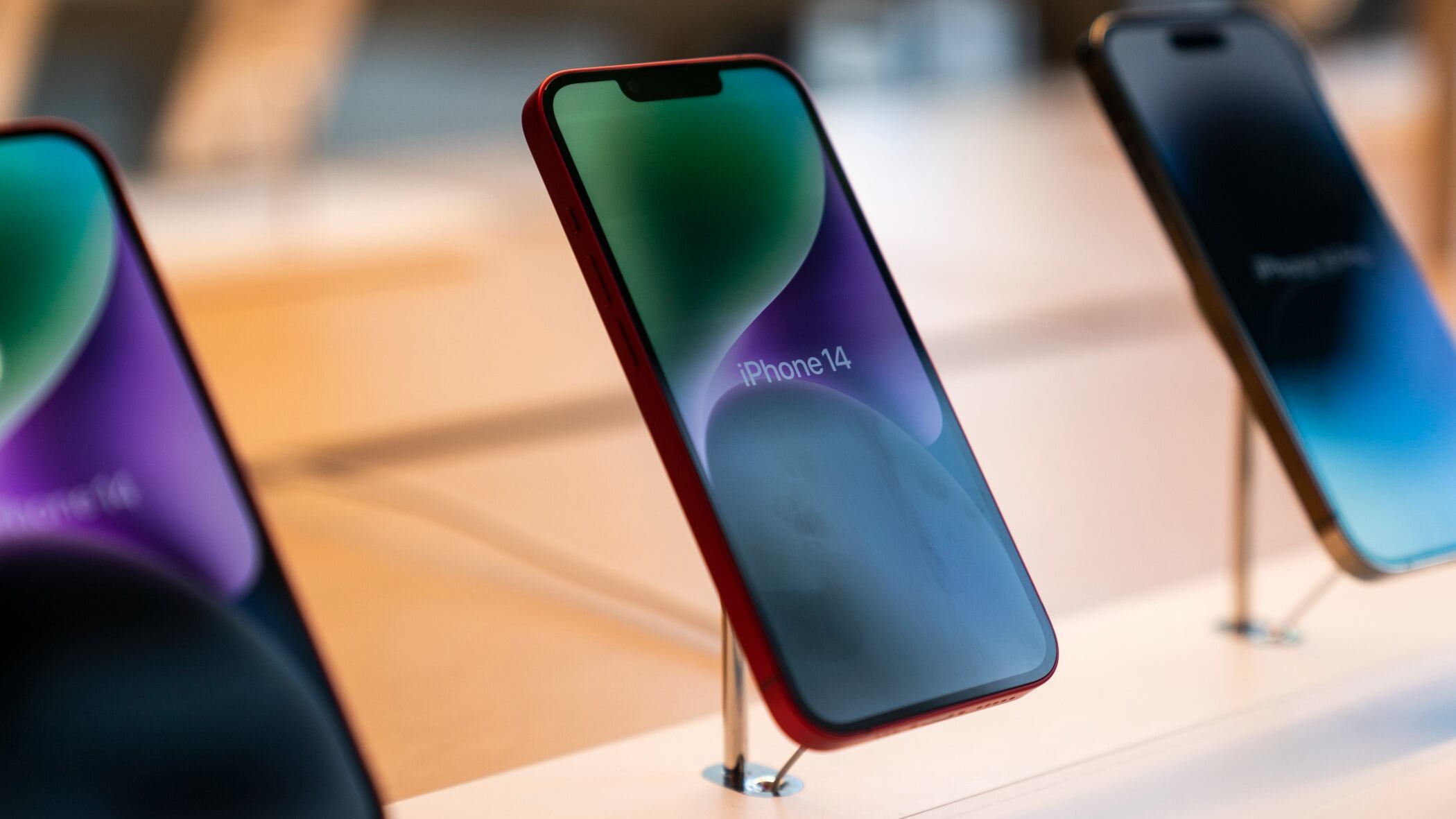
On March 1, Apple will start charging an extra $20 for battery replacements on out-of-warranty iPhones, according to an update on the AppleCare+ webpage.
The new price will be $99 for the iPhone 14, and while these models are currently under warranty, they won't be after the one-year anniversary of their release in September 2023.
At that point, the higher price point could encourage customers with broken batteries to simply buy a new phone rather than shell out nearly $100 for a replacement part.
Apple has adjusted prices multiple times in recent years, as supply chain issues have raised production costs. Just last month, labor unrest at an iPhone supplier in China led to a production shortfall. The company struggled with similar disruptions throughout the pandemic.
There is also a history of consumers pushing back against Apple's practices around batteries. The company in 2020 was forced to pay $113 million in fines to settle consumer fraud lawsuits around a controversy known as "batterygate," in which iPhone users discovered that Apple installed new software that made devices with older batteries operate slower.
In addition, CEO Tim Cook in 2019 wrote in a letter to investors that "some customers taking advantage of significantly reduced pricing for iPhone battery replacements" was partly behind a lower-than-expected iPhone sales.
J&J Contamination, New Israeli Government, Djokovic wins. Here are the headlines you Need2Know for Monday, June 14, 2021:
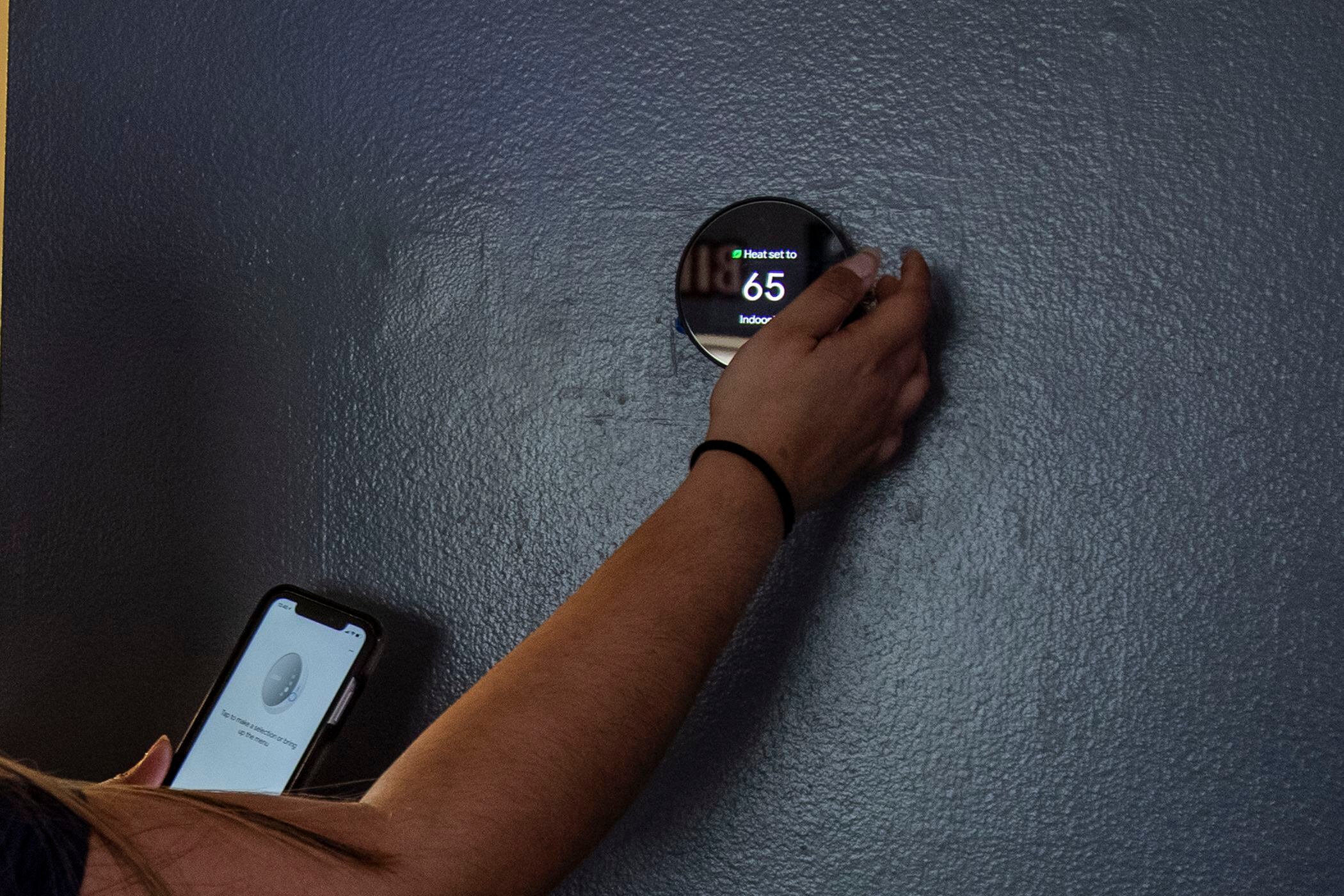
OhmConnect, an Oakland-based company, is offering a demand-side solution that could end up playing a crucial role in helping California avoid rolling blackouts this summer.
J&J Shelf Life, Pulse Nightclub Memorial, Consumer Prices Rise. Here is all the news you need to know for Friday, June 11, 2021.
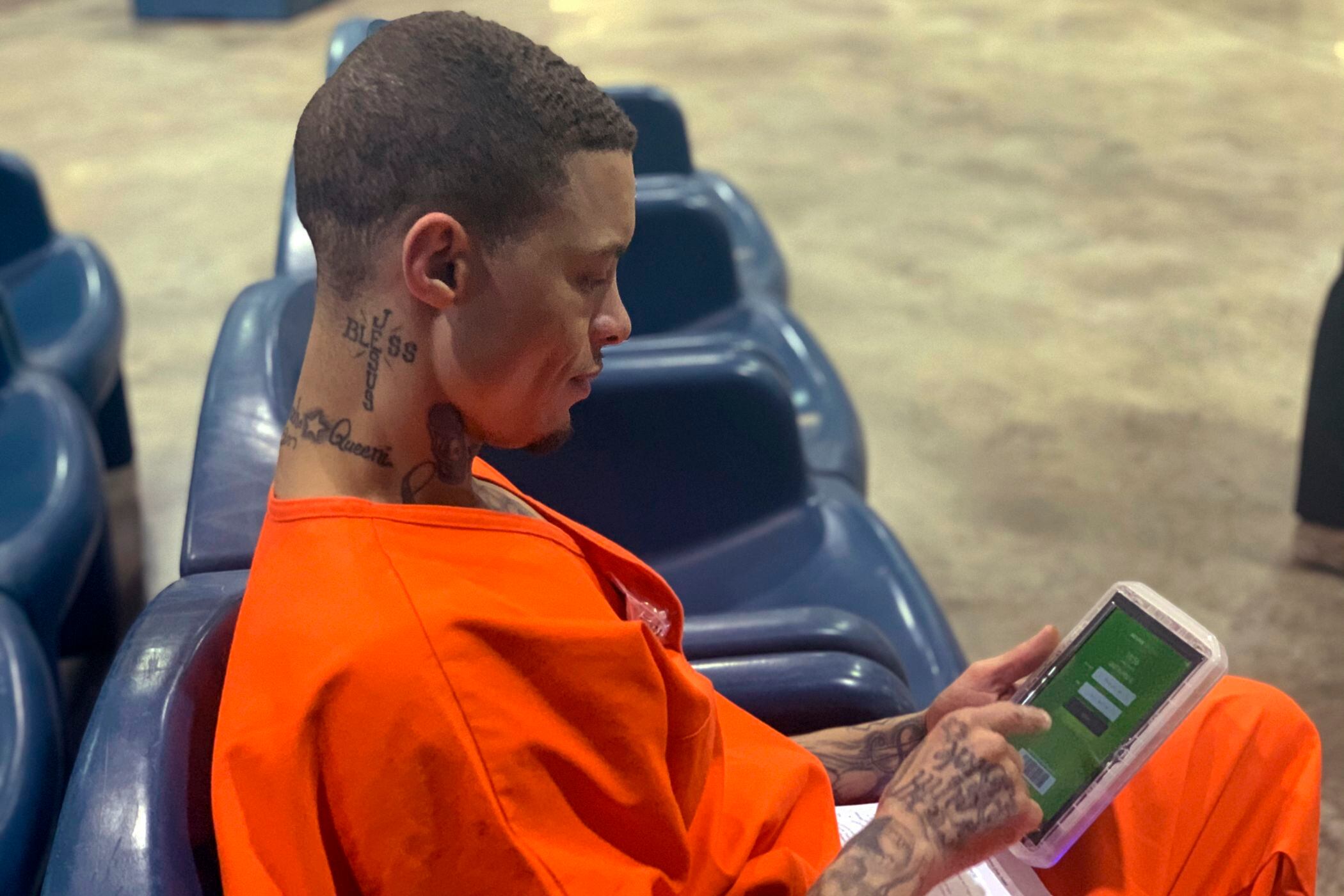
Inmates at an Oklahoma prison began receiving special computer tablets this week.
The world’s largest meat processing company says it paid the equivalent of $11 million to hackers who broke into its computer system late last month.
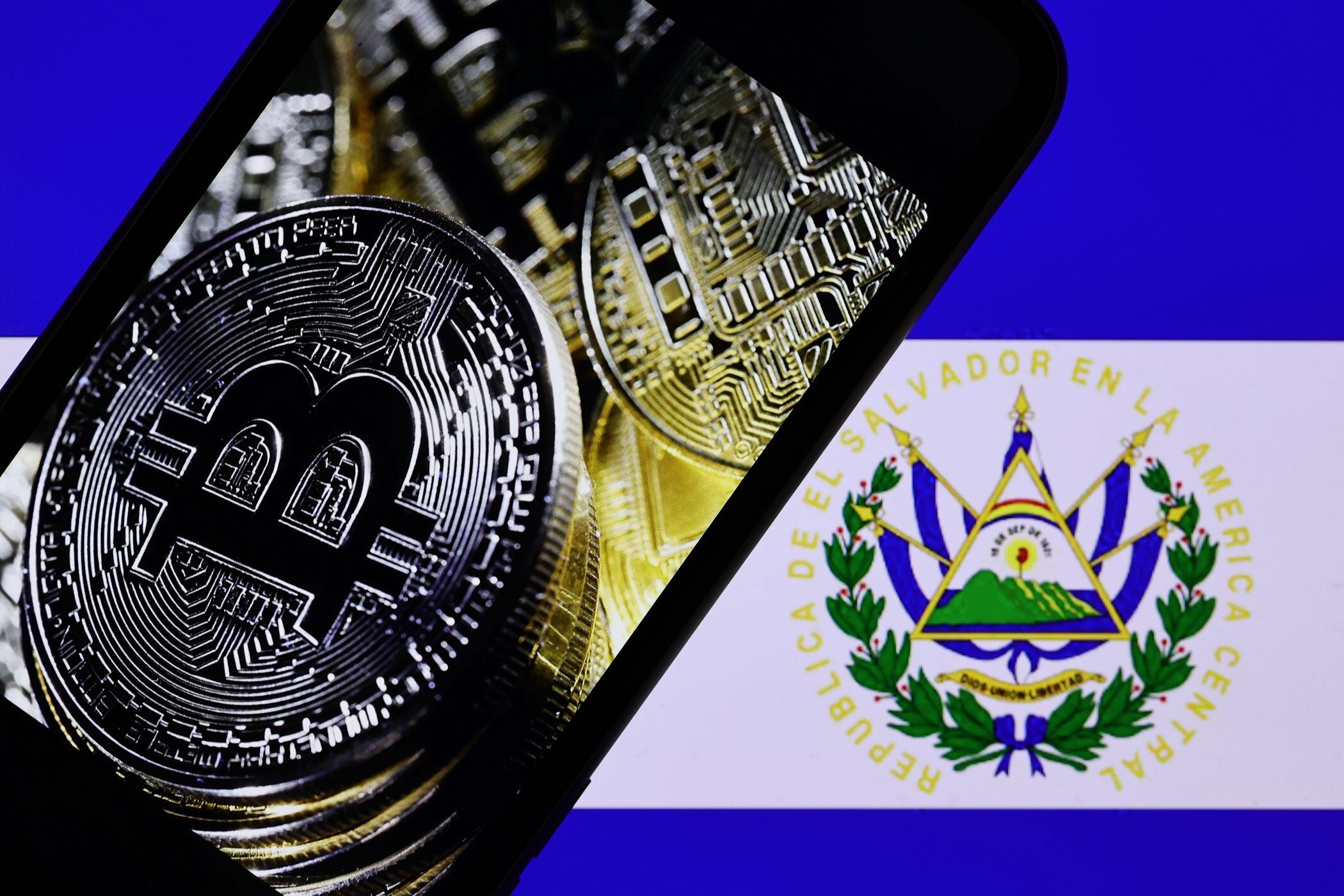
Now that El Salvador is taking bitcoin nationwide, other Central and South American countries are coming forward with their own proposals in what's shaping up to be a regional race to become the next bitcoin hub.
The White House dropped Trump-era executive orders that attempted to ban the popular apps TikTok and WeChat and will conduct its own review.
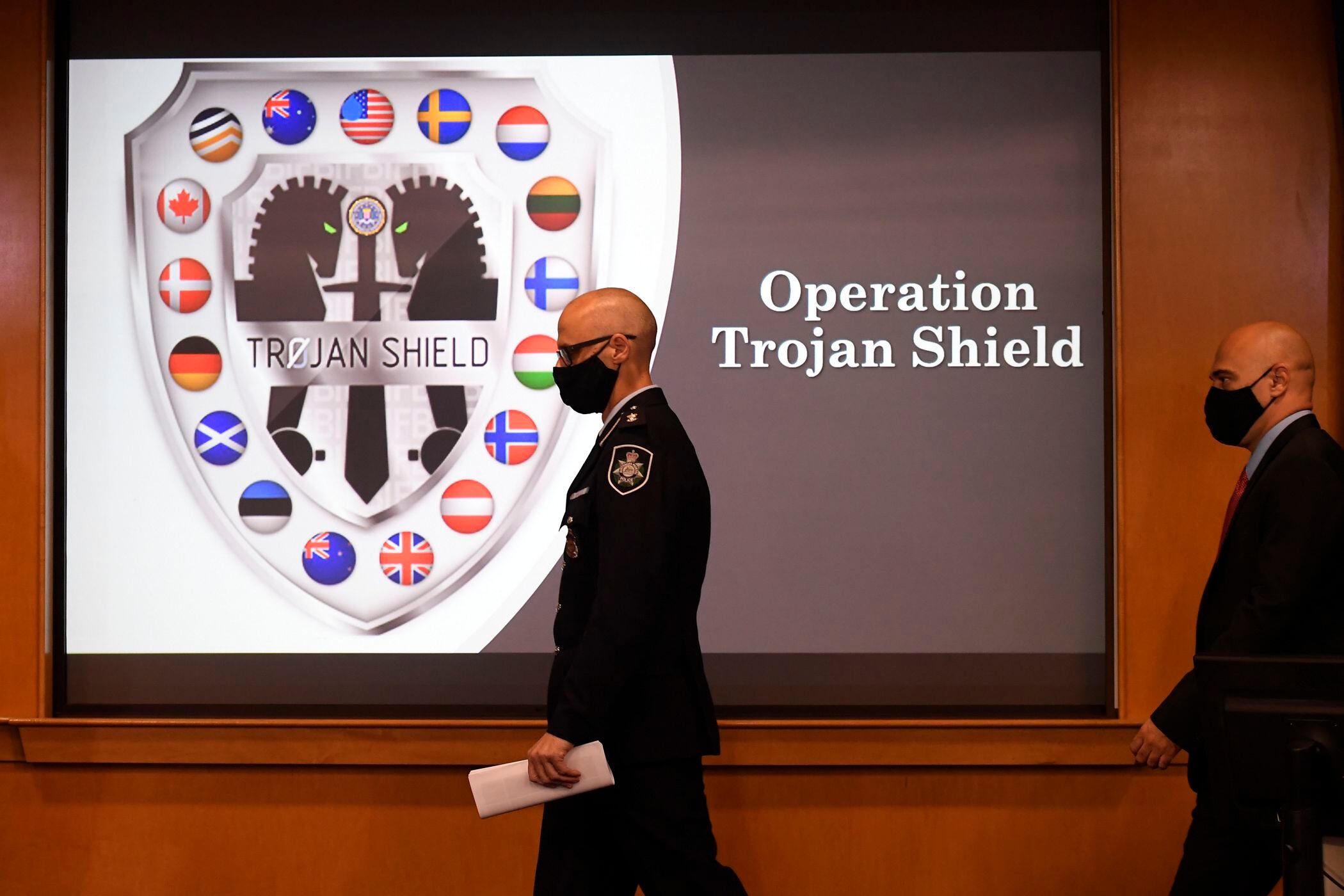
Criminal gangs that used a secure-messaging app called ANOM unwittingly allowed the FBI and other law enforcement agencies to eavesdrop on their conversations.
Jeff Bezos will be aboard for Blue Origin's first human space flight next month.
Twitter is rolling out a subscription service, starting in Canada and Australia, that offers perks like an undo button for subscribers.