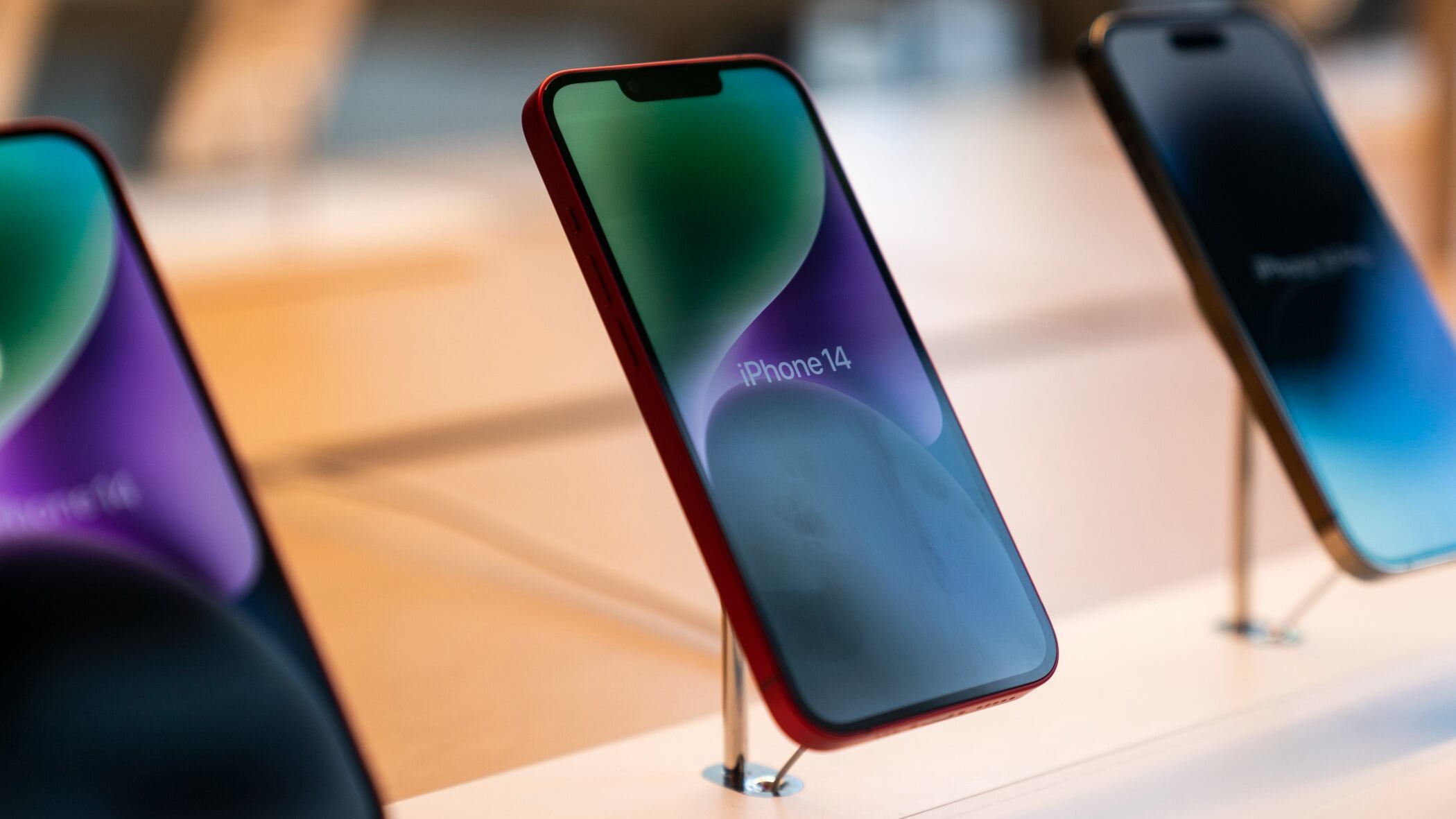
On March 1, Apple will start charging an extra $20 for battery replacements on out-of-warranty iPhones, according to an update on the AppleCare+ webpage.
The new price will be $99 for the iPhone 14, and while these models are currently under warranty, they won't be after the one-year anniversary of their release in September 2023.
At that point, the higher price point could encourage customers with broken batteries to simply buy a new phone rather than shell out nearly $100 for a replacement part.
Apple has adjusted prices multiple times in recent years, as supply chain issues have raised production costs. Just last month, labor unrest at an iPhone supplier in China led to a production shortfall. The company struggled with similar disruptions throughout the pandemic.
There is also a history of consumers pushing back against Apple's practices around batteries. The company in 2020 was forced to pay $113 million in fines to settle consumer fraud lawsuits around a controversy known as "batterygate," in which iPhone users discovered that Apple installed new software that made devices with older batteries operate slower.
In addition, CEO Tim Cook in 2019 wrote in a letter to investors that "some customers taking advantage of significantly reduced pricing for iPhone battery replacements" was partly behind a lower-than-expected iPhone sales.
Swashbuckling entrepreneur Richard Branson hurtled into space aboard his own winged rocket ship Sunday in his boldest adventure yet, beating out fellow billionaire Jeff Bezos.
From Wall Street to Silicon Valley, these are the top stories that moved markets and had investors, business leaders, and entrepreneurs talking this week on Cheddar.
President Joe Biden has signed an executive order that targets what he says are anticompetitive practices in tech, health care and other parts of the economy.
As China gets out of the bitcoin mining business entirely, at least one North America-based mining pool, Foundry USA Pool, is reaping the benefits.
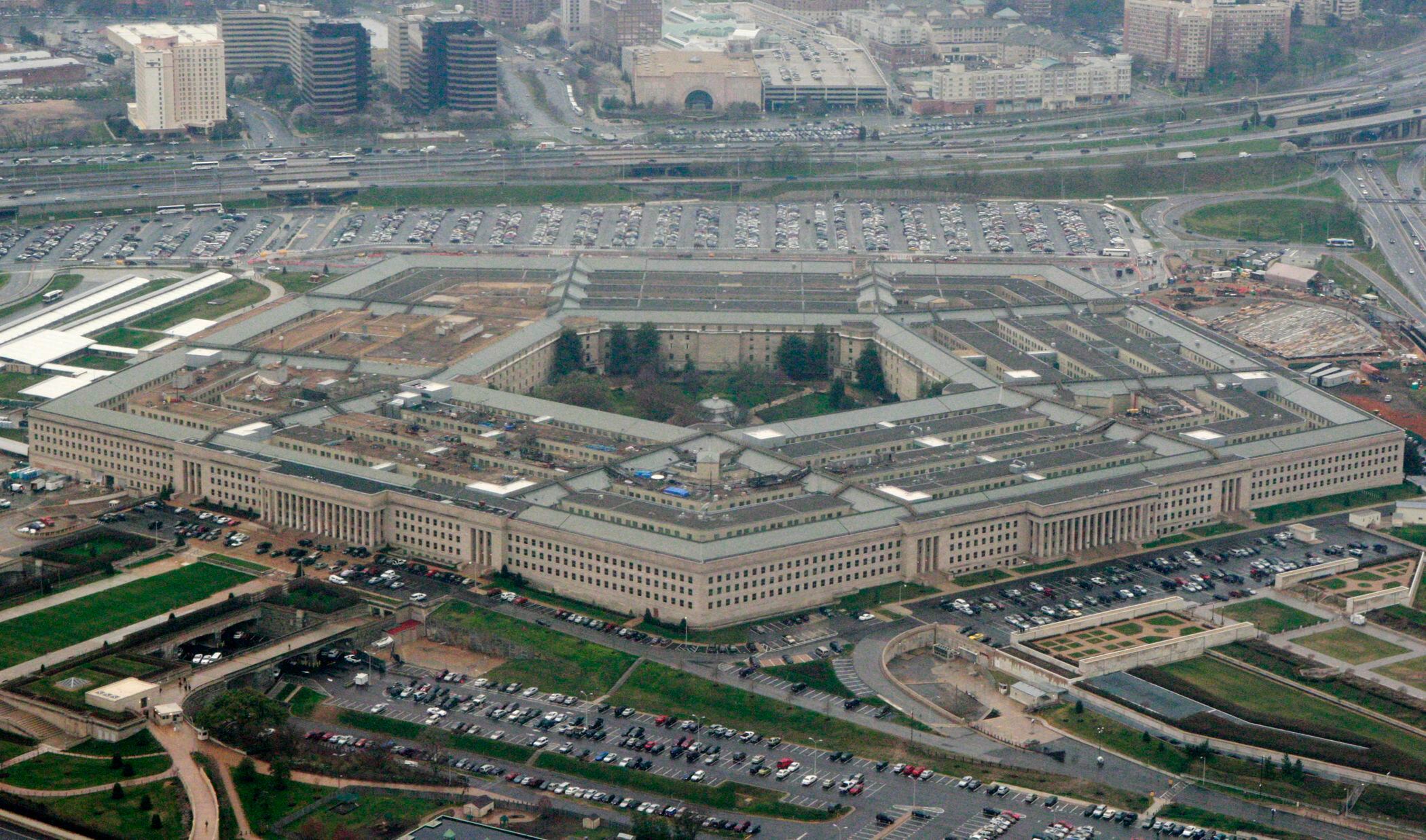
The Pentagon said it has canceled a cloud-computing contract with Microsoft that could eventually have been worth $10 billion and will instead pursue a deal with both Microsoft and Amazon.
Amazon founder Jeff Bezos has officially stepped down as CEO of the company he started out of his Seattle garage in 1995.
Software company Kaseya says the cyberattack it experienced over the July 4th holiday weekend but that it was never a threat and had no impact on critical infrastructure.
From Wall Street to Silicon Valley, these are the top stories that moved markets and had investors, business leaders, and entrepreneurs talking this week on Cheddar.
The race for an exchange-traded fund (ETF) based on bitcoin is heating up despite multiple delays from federal regulators.
A federal judge has dismissed antitrust lawsuits brought against Facebook by the Federal Trade Commission and a coalition of state attorneys general, dealing a significant blow to attempts by regulators to rein in tech giants.