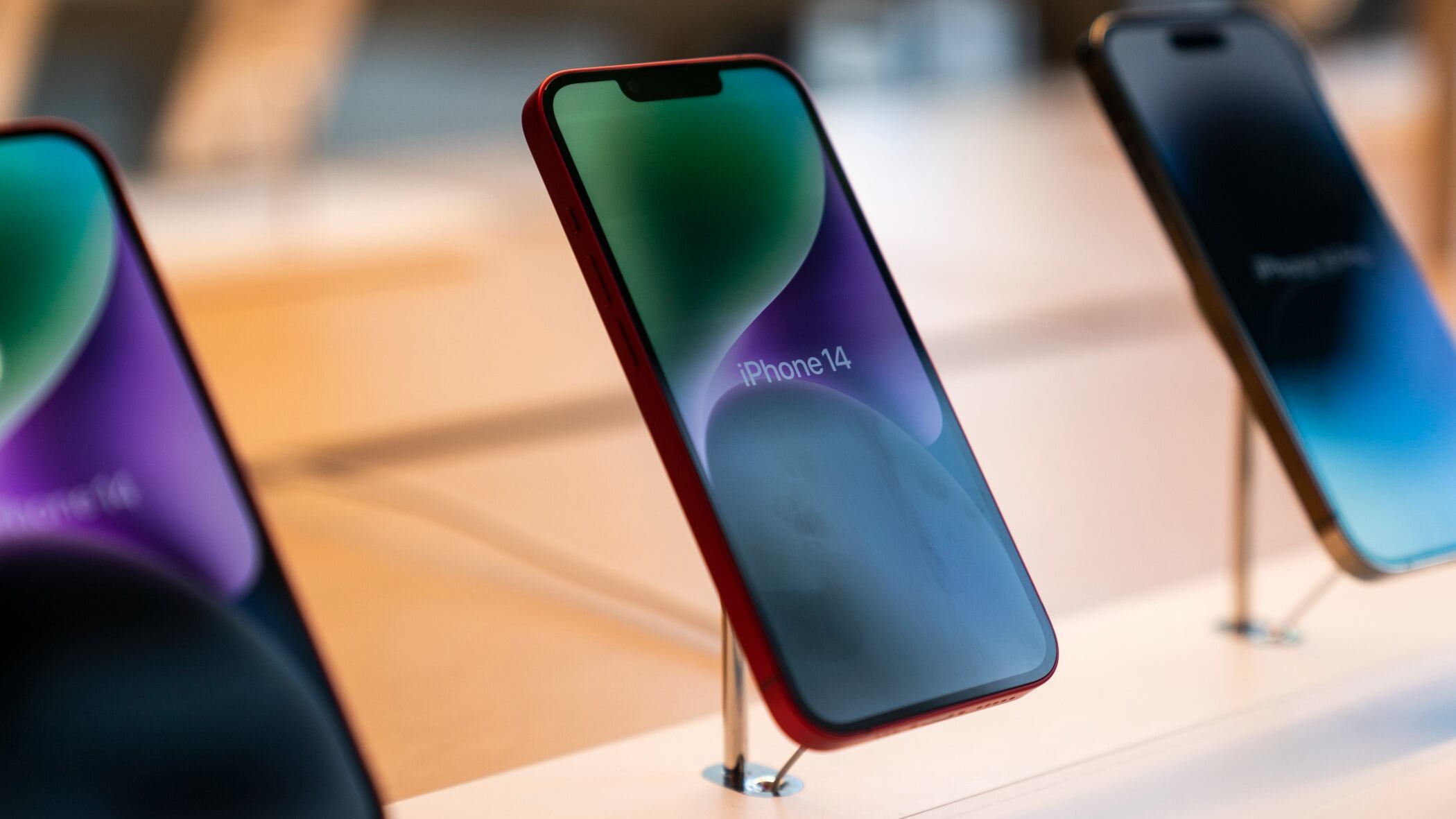
On March 1, Apple will start charging an extra $20 for battery replacements on out-of-warranty iPhones, according to an update on the AppleCare+ webpage.
The new price will be $99 for the iPhone 14, and while these models are currently under warranty, they won't be after the one-year anniversary of their release in September 2023.
At that point, the higher price point could encourage customers with broken batteries to simply buy a new phone rather than shell out nearly $100 for a replacement part.
Apple has adjusted prices multiple times in recent years, as supply chain issues have raised production costs. Just last month, labor unrest at an iPhone supplier in China led to a production shortfall. The company struggled with similar disruptions throughout the pandemic.
There is also a history of consumers pushing back against Apple's practices around batteries. The company in 2020 was forced to pay $113 million in fines to settle consumer fraud lawsuits around a controversy known as "batterygate," in which iPhone users discovered that Apple installed new software that made devices with older batteries operate slower.
In addition, CEO Tim Cook in 2019 wrote in a letter to investors that "some customers taking advantage of significantly reduced pricing for iPhone battery replacements" was partly behind a lower-than-expected iPhone sales.
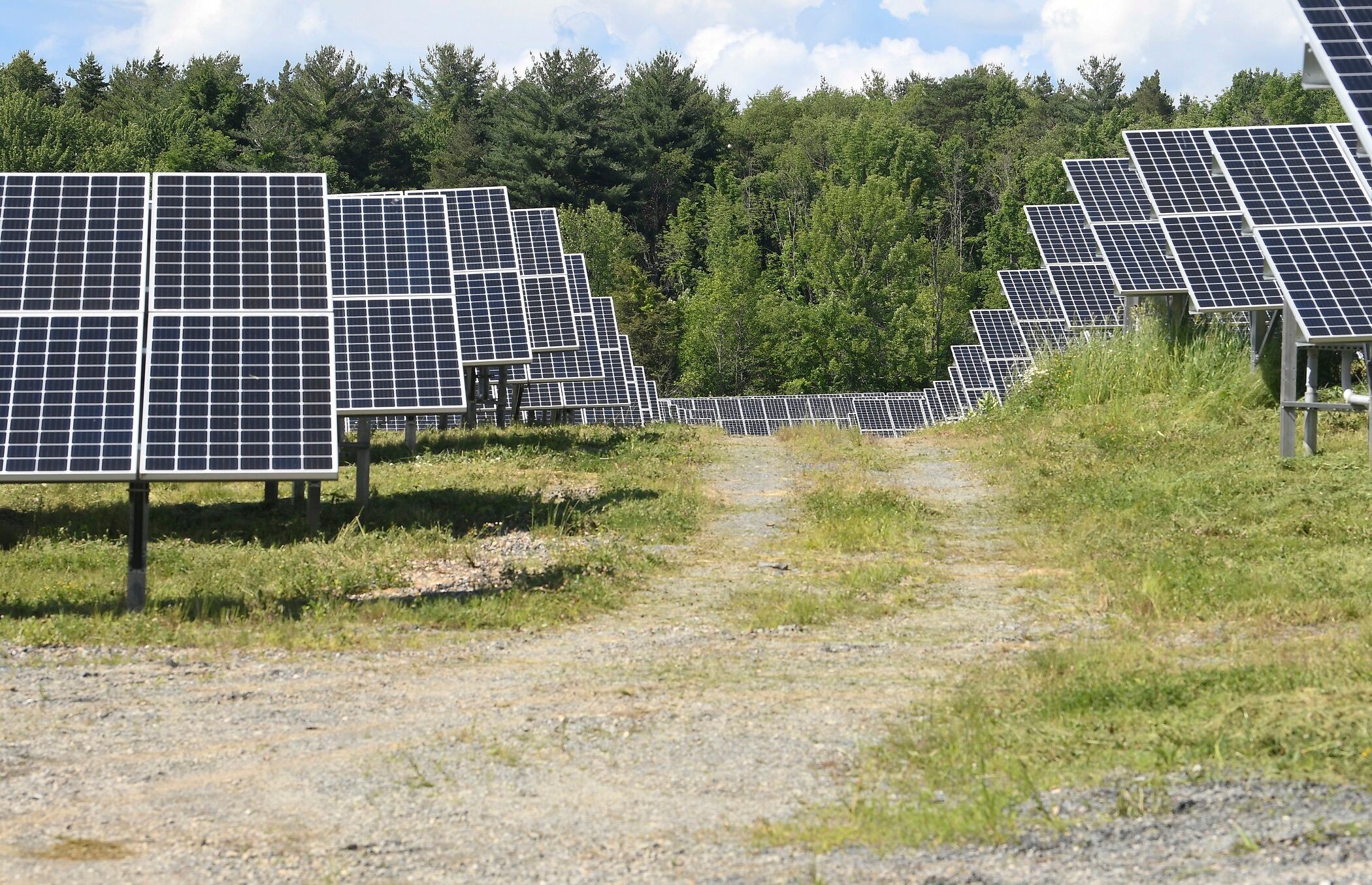
The shift from China to the U.S. has convinced some long-time bitcoin miners that renewable energy and crypto mining may actually be a better match for each other than expected.
Hollywood’s Captain Kirk, 90-year-old William Shatner, has blasted into space in a convergence of science fiction and science reality.
Facebook will be introducing several features including prompting teens using its photo-sharing app Instagram to take a break and nudging them if they repeatedly look at the same content that's not conducive to their well-being.
Topps unveiled an expansion of its Godzilla NFT collections while New York Comic Con held a panel on the crypto collectibles showing the surging interest in the space.
From Wall Street to Silicon Valley, these are the top stories that moved markets and had investors, business leaders, and entrepreneurs talking this week on Cheddar.
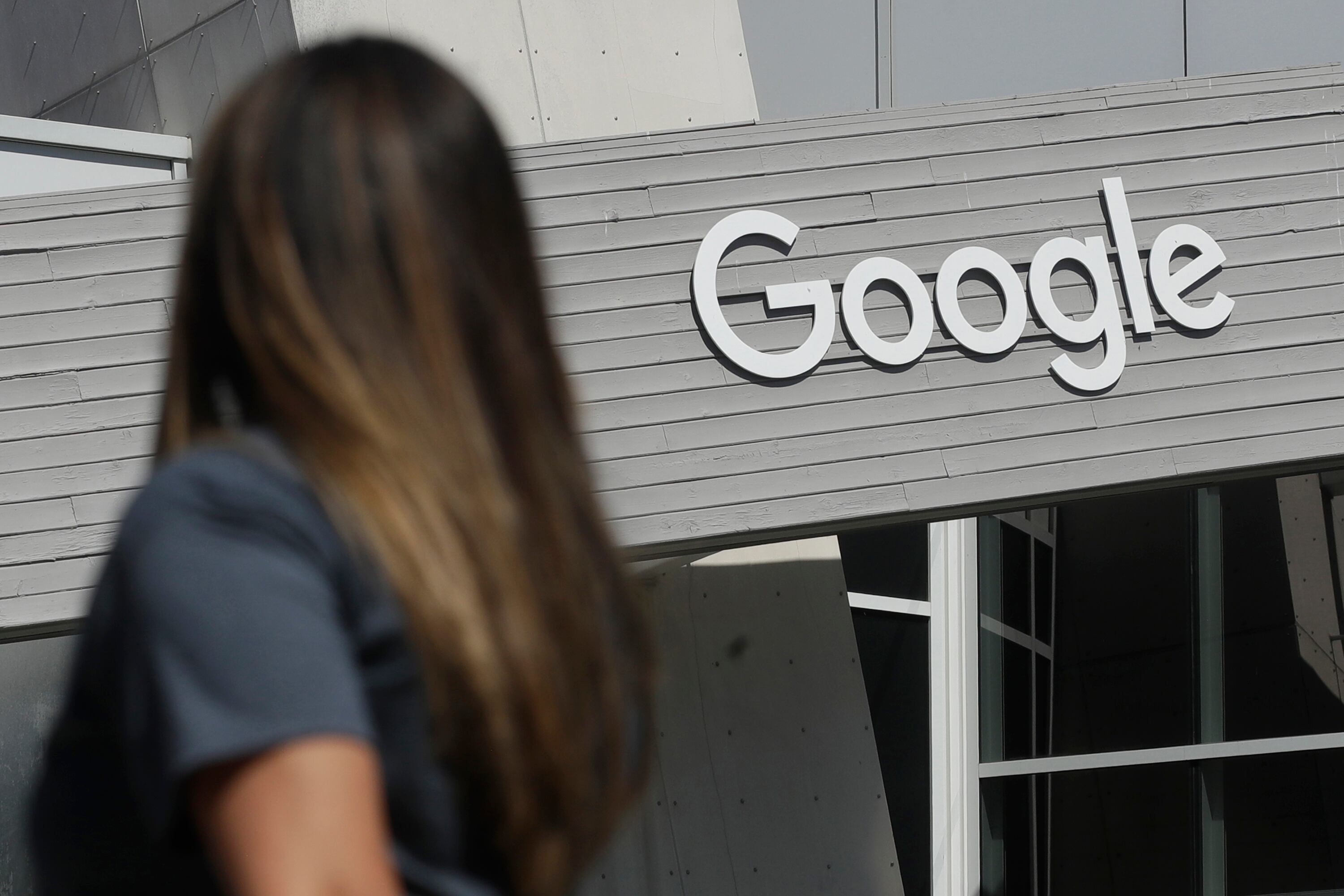
Google is cracking down on digital ads promoting false climate change claims or being used to make money from such content, hoping to limit revenue for climate change deniers and stop the spread of misinformation on its platforms.
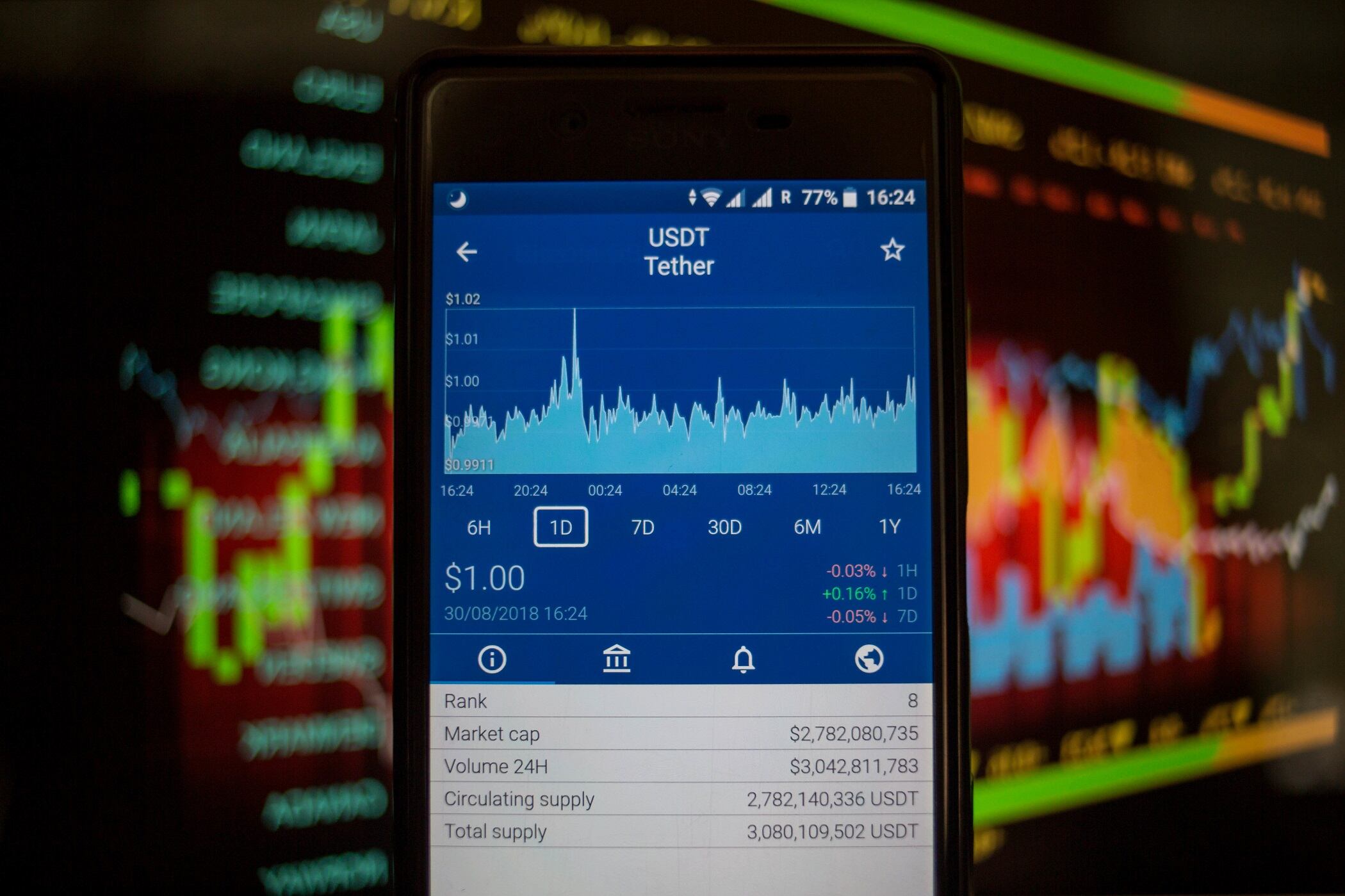
With the Biden administration reportedly looking into regulating stablecoins like Tether and Circle, just what might those rules look like going forward?
General Motors plans to cash in as the world switches from combustion engines to battery power, promising to double its annual revenue by 2030.
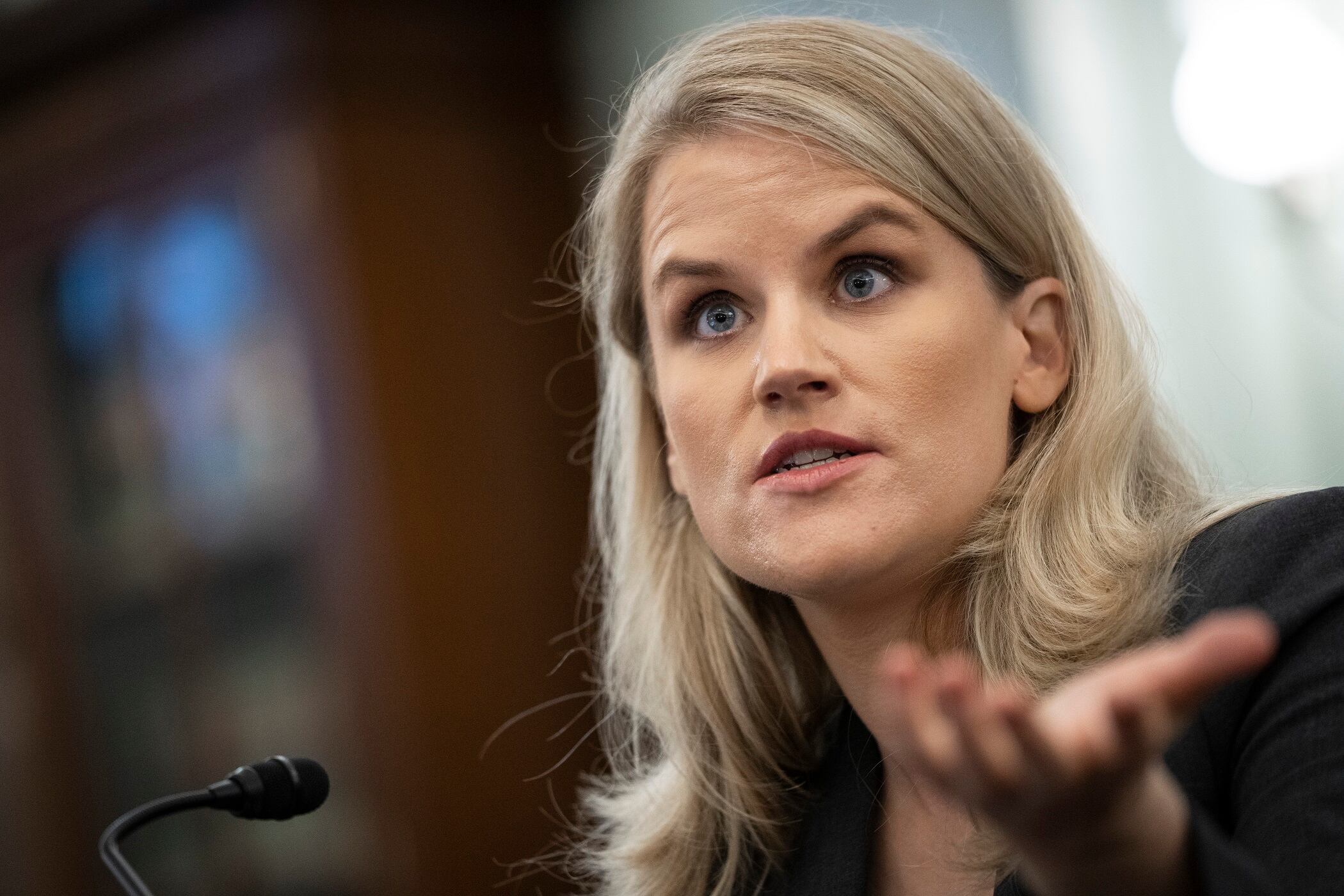
A former Facebook data scientist has told Congress that the social network giant’s products harm children and fuel polarization in the U.S. while its executives refuse to change because they elevate profits over safety.
A Russian actor and a film director have rocketed into space to make the world’s first movie in orbit.