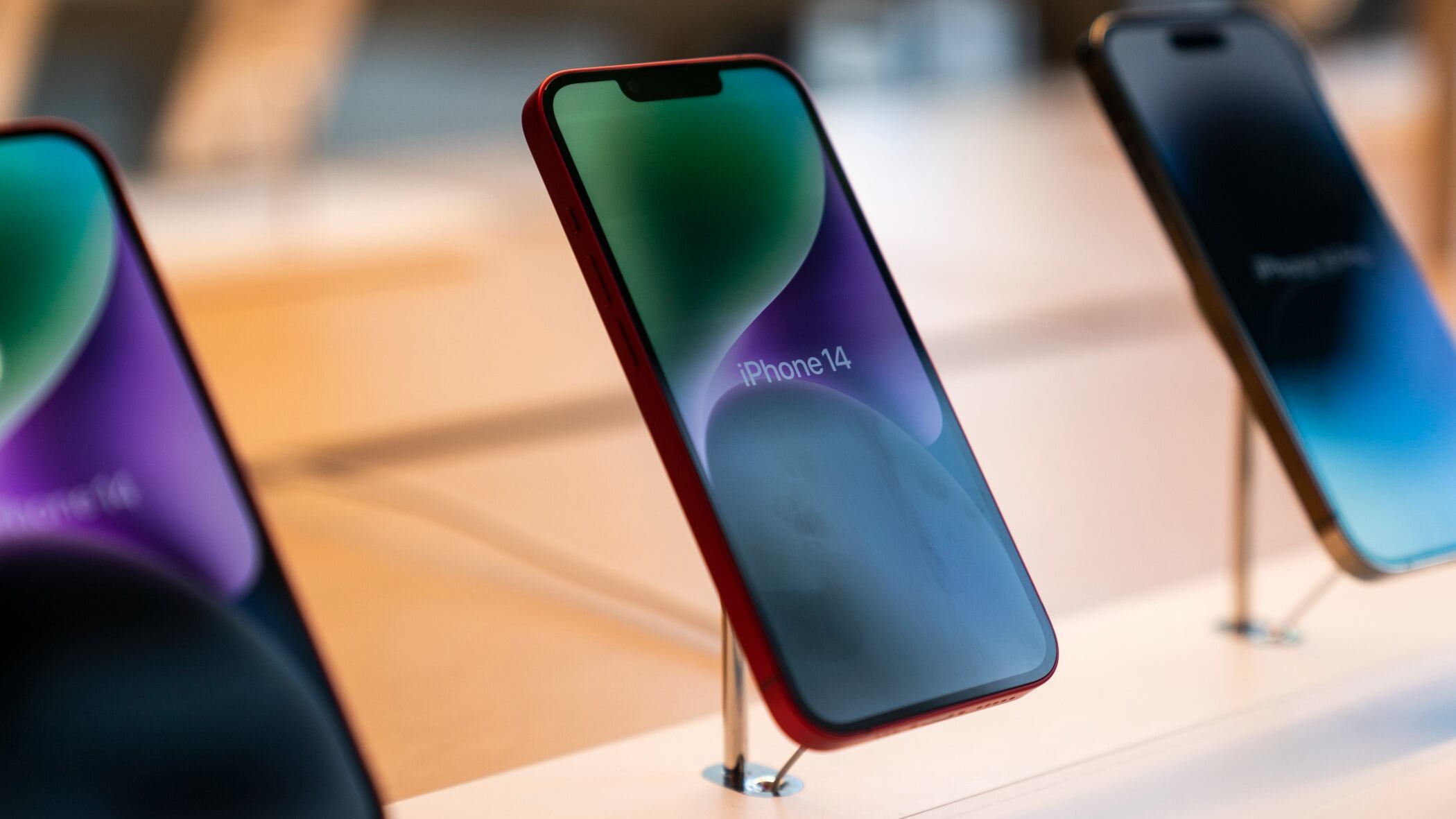
The new iPhone 14 smartphones are on display at an Apple Store at The Grove in Los Angeles, Friday, Sept. 16, 2022. (AP Photo/Jae C. Hong)
On March 1, Apple will start charging an extra $20 for battery replacements on out-of-warranty iPhones, according to an update on the AppleCare+ webpage.
The new price will be $99 for the iPhone 14, and while these models are currently under warranty, they won't be after the one-year anniversary of their release in September 2023.
At that point, the higher price point could encourage customers with broken batteries to simply buy a new phone rather than shell out nearly $100 for a replacement part.
Apple has adjusted prices multiple times in recent years, as supply chain issues have raised production costs. Just last month, labor unrest at an iPhone supplier in China led to a production shortfall. The company struggled with similar disruptions throughout the pandemic.
There is also a history of consumers pushing back against Apple's practices around batteries. The company in 2020 was forced to pay $113 million in fines to settle consumer fraud lawsuits around a controversy known as "batterygate," in which iPhone users discovered that Apple installed new software that made devices with older batteries operate slower.
In addition, CEO Tim Cook in 2019 wrote in a letter to investors that "some customers taking advantage of significantly reduced pricing for iPhone battery replacements" was partly behind a lower-than-expected iPhone sales.
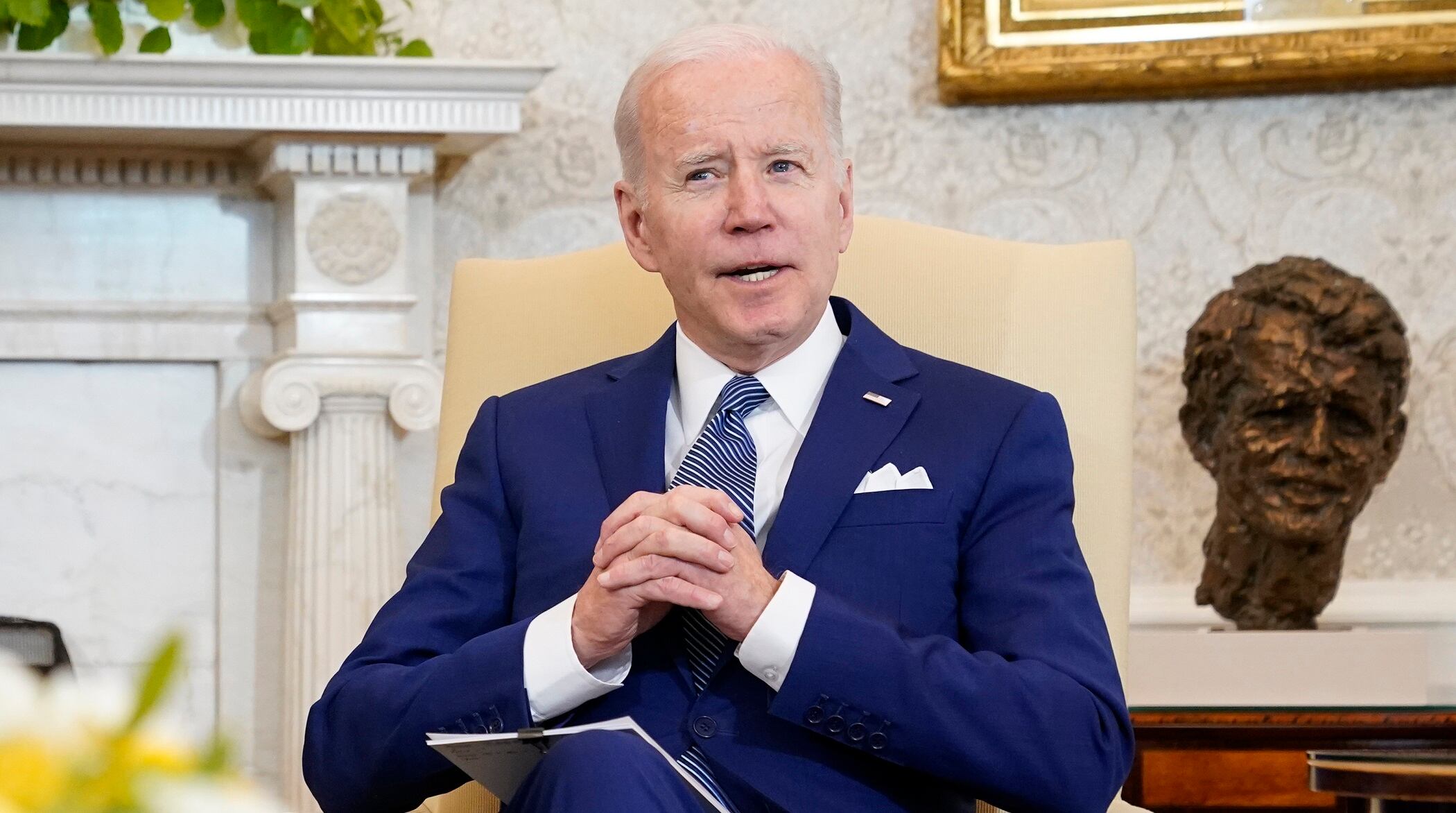
President Joe Biden on Wednesday signed a long-awaited executive order on cryptocurrencies, striking a careful balance between highlighting the risks of digital assets and touting their potential benefits.
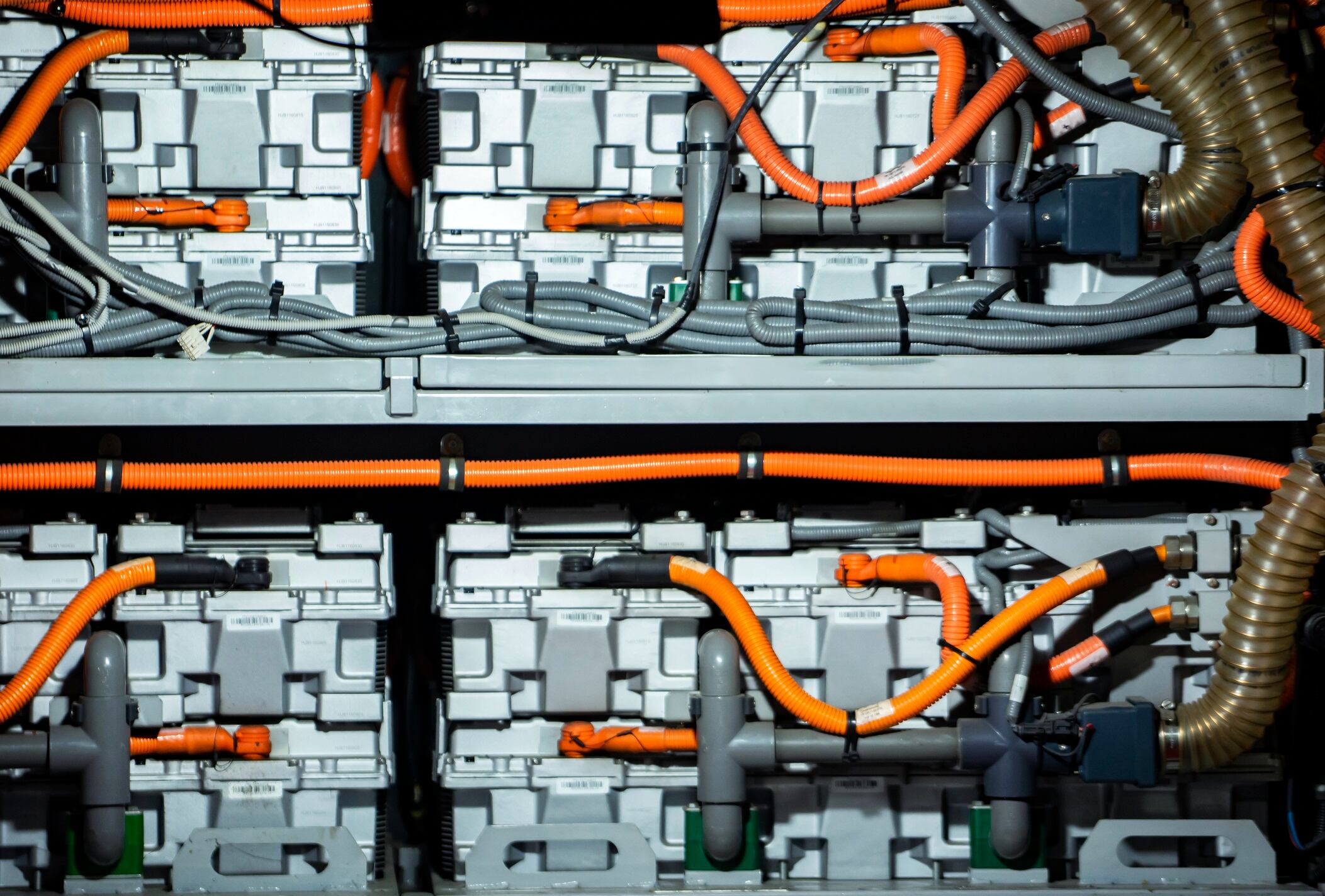
The price of nickel, one of the key minerals needed to produce stainless steel and lithium-ion batteries, saw an unprecedented surge Tuesday amid fears that Western sanctions could cut off Russian supplies of the crucial commodity.
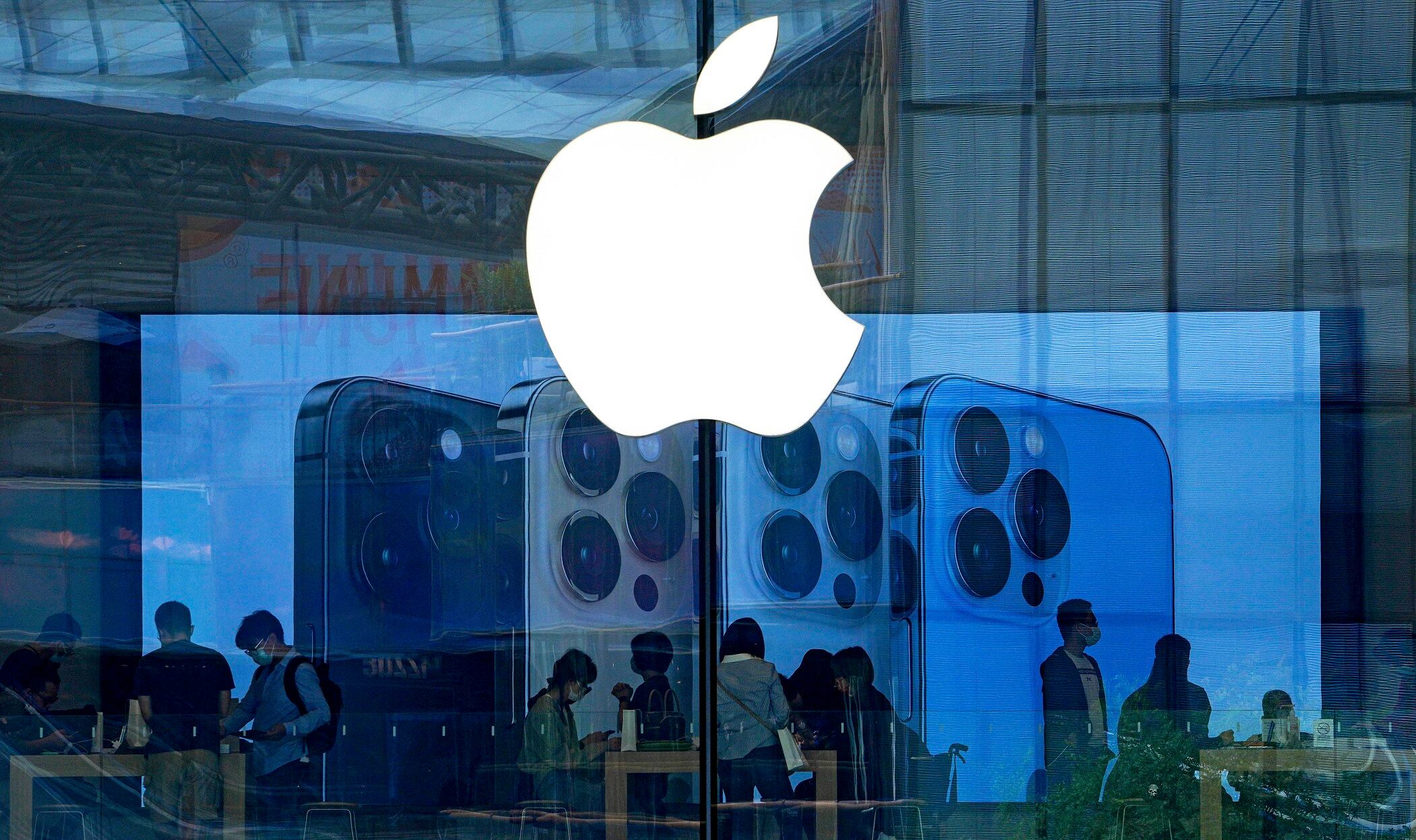
Apple on Tuesday unveiled a new version of its budget-priced iPhone that’s capable of connecting to ultrafast 5G wireless networks, an upgrade that has been available on the company’s upscale models for more than a year.
For Fadia Kader, the global head of strategic and media partnerships at social audio app Clubhouse, it's about pushing culture forward and connecting people with the biggest and brightest stars in music and entertainment.
Lie detectors don't work. In fact, the science behind them has been increasingly scrutinized since their inception. But they’re still being used in high-stakes scenarios with real consequences.
So, if lie detectors don’t actually work, why do we still use them?
Country music fans watching the Academy of Country Music Awards tonight will be doing so in a different way than years past. The ceremony will not be broadcast on network TV and will air exclusively on Amazon Prime Video. This will be the first time a major awards show will be live-streamed exclusively on a subscription video-on-demand platform. Shelly Kramer, co-founder and lead analyst of Futurum Research, joins Cheddar News' Closing Bell to discuss.
The Russia-Ukraine crisis is doing more than just sending the price of oil skyrocketing — it's also impacting the electric vehicle sector thanks to rising prices of key metals and materials necessary for battery and EV production. How can the relatively new industry steel itself as prices rise and consumers potentially lose what little interest they had in making the switch to an electric car? John Loehr, managing director of AlixPartners Automotive and Industrial Practice, joins Closing Bell to discuss.