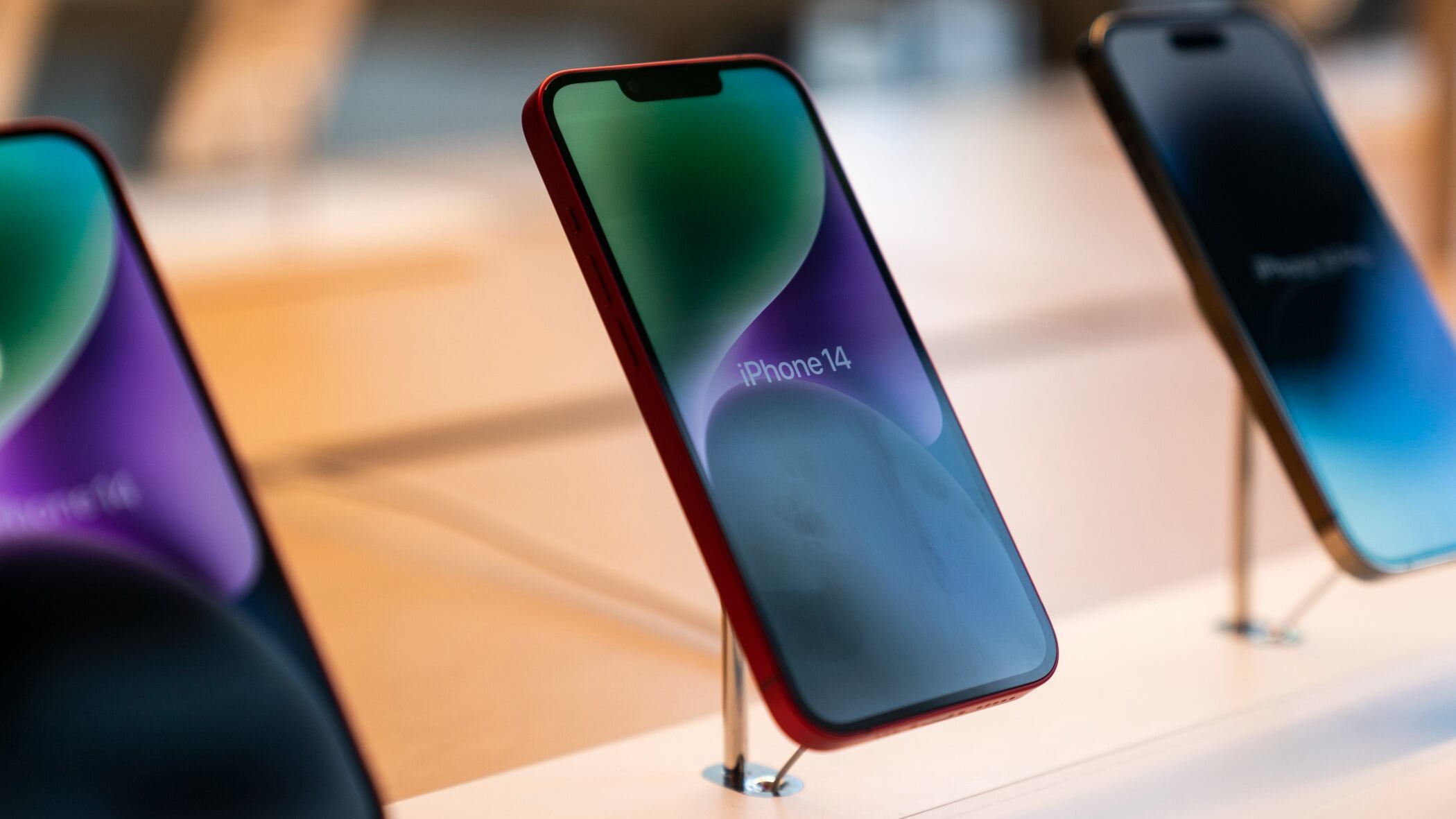
The new iPhone 14 smartphones are on display at an Apple Store at The Grove in Los Angeles, Friday, Sept. 16, 2022. (AP Photo/Jae C. Hong)
On March 1, Apple will start charging an extra $20 for battery replacements on out-of-warranty iPhones, according to an update on the AppleCare+ webpage.
The new price will be $99 for the iPhone 14, and while these models are currently under warranty, they won't be after the one-year anniversary of their release in September 2023.
At that point, the higher price point could encourage customers with broken batteries to simply buy a new phone rather than shell out nearly $100 for a replacement part.
Apple has adjusted prices multiple times in recent years, as supply chain issues have raised production costs. Just last month, labor unrest at an iPhone supplier in China led to a production shortfall. The company struggled with similar disruptions throughout the pandemic.
There is also a history of consumers pushing back against Apple's practices around batteries. The company in 2020 was forced to pay $113 million in fines to settle consumer fraud lawsuits around a controversy known as "batterygate," in which iPhone users discovered that Apple installed new software that made devices with older batteries operate slower.
In addition, CEO Tim Cook in 2019 wrote in a letter to investors that "some customers taking advantage of significantly reduced pricing for iPhone battery replacements" was partly behind a lower-than-expected iPhone sales.
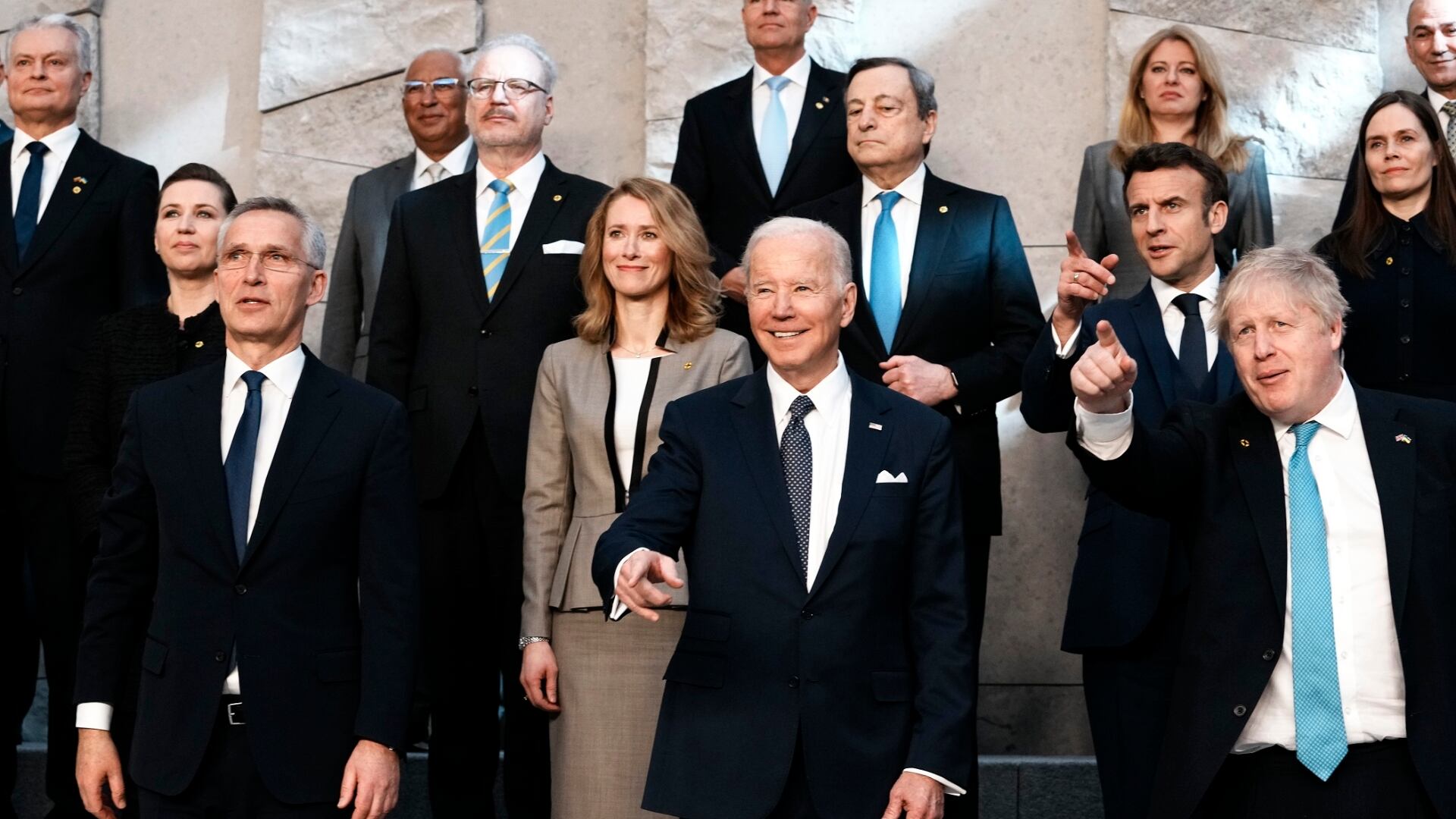
Catching you up on what you need to know Mar 24, 2022, with NATO meeting updates, Ukraine retaking suburbs around Kyiv, the spread of omicron subvariant BA.2 in China, Google Pay launching a third-party billing option, and a 16-year-old is suspected of being the Lapsus$ mastermind behind hacks of Microsoft and others.
Uber has reached a deal to include New York City taxi cabs on its app, a move that will help to boost driver availability for passengers and open up a new set of customers for cab drivers.
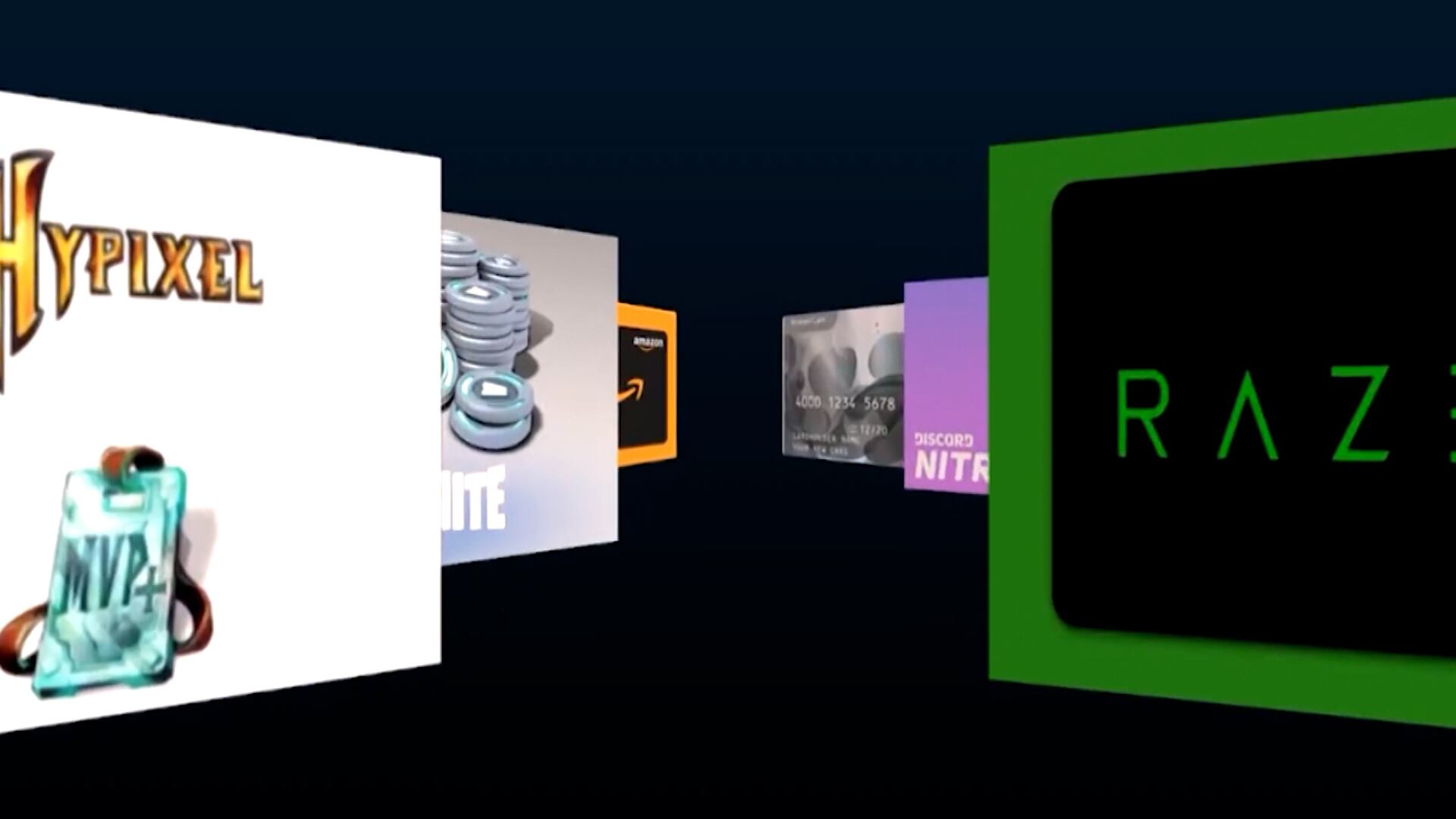
Computer-sharing network Salad is announcing a $17 million Series A round. Salad offers an open-source desktop application that invites gamers to share storage, bandwidth, and other resources from their idle PCs in exchange for rewards. Salad says users have earned what is equivalent to more than $5 million in rewards, and that its platform has quickly become the world's most distributed super-computer. Bob Miles, founder and CEO of Salad, joins Cheddar News' Closing Bell to discuss.
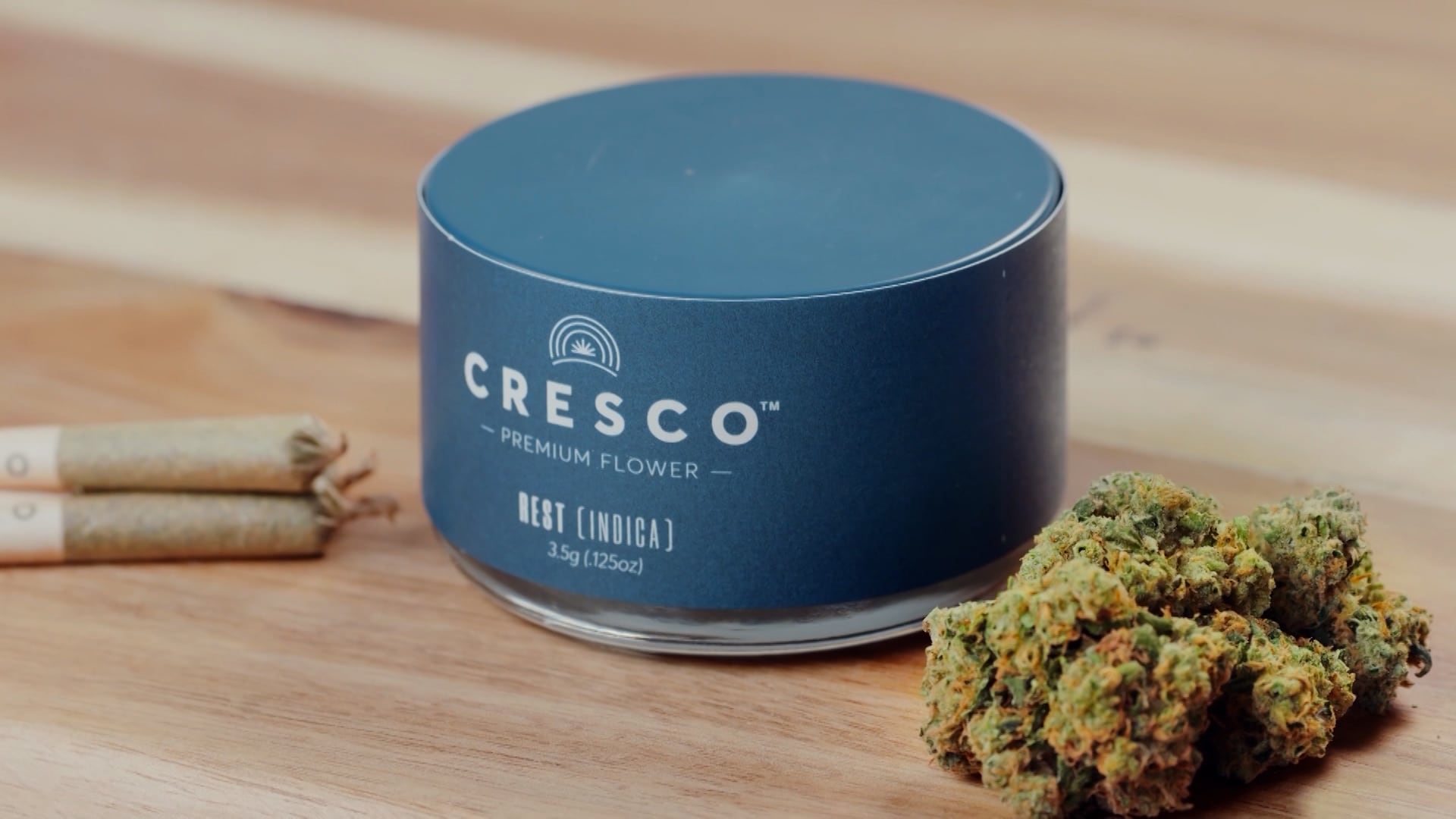
Cannabis producer Cresco Labs is acquiring rival Columbia Care in a $2 billion all-stock deal, creating the largest U.S. cannabis company by sales. The deal, which is expected to close in the fourth quarter of 2022, is one of the biggest in the industry's history and would make Cresco the dominant player in a market projected to reach $46 billion in revenue by 2026. Charlie Bachtell, CEO of Cresco Labs, joins Cheddar News' Closing Bell to discuss.
Sports betting has boomed over the past year; but at the same time, sports betting stocks have not been so hot. Now, some sports betting brands are starting to rethink how to spend their money, especially when it comes to ads. It will come after online sports betting brands spent more than $320 million on advertising in 2021, up 38% from 2020, per MediaRadar. Brendan Coffey, sports finance reporter for Sportico, joins Cheddar News' Closing Bell to discuss.
Rowing-machine maker, Hydrow, raised $55 million in Series D funding round, led by Constitution Capital. Hyrdow offers a connected rowing machine that costs $2,495. The company's funding round comes as the at-home fitness industry is facing some challenges, due to many consumers returning to gyms after working out at home during the pandemic. Bruce Smith, founder & CEO of Hydrow, joined Cheddar News' Closing Bell to discuss.