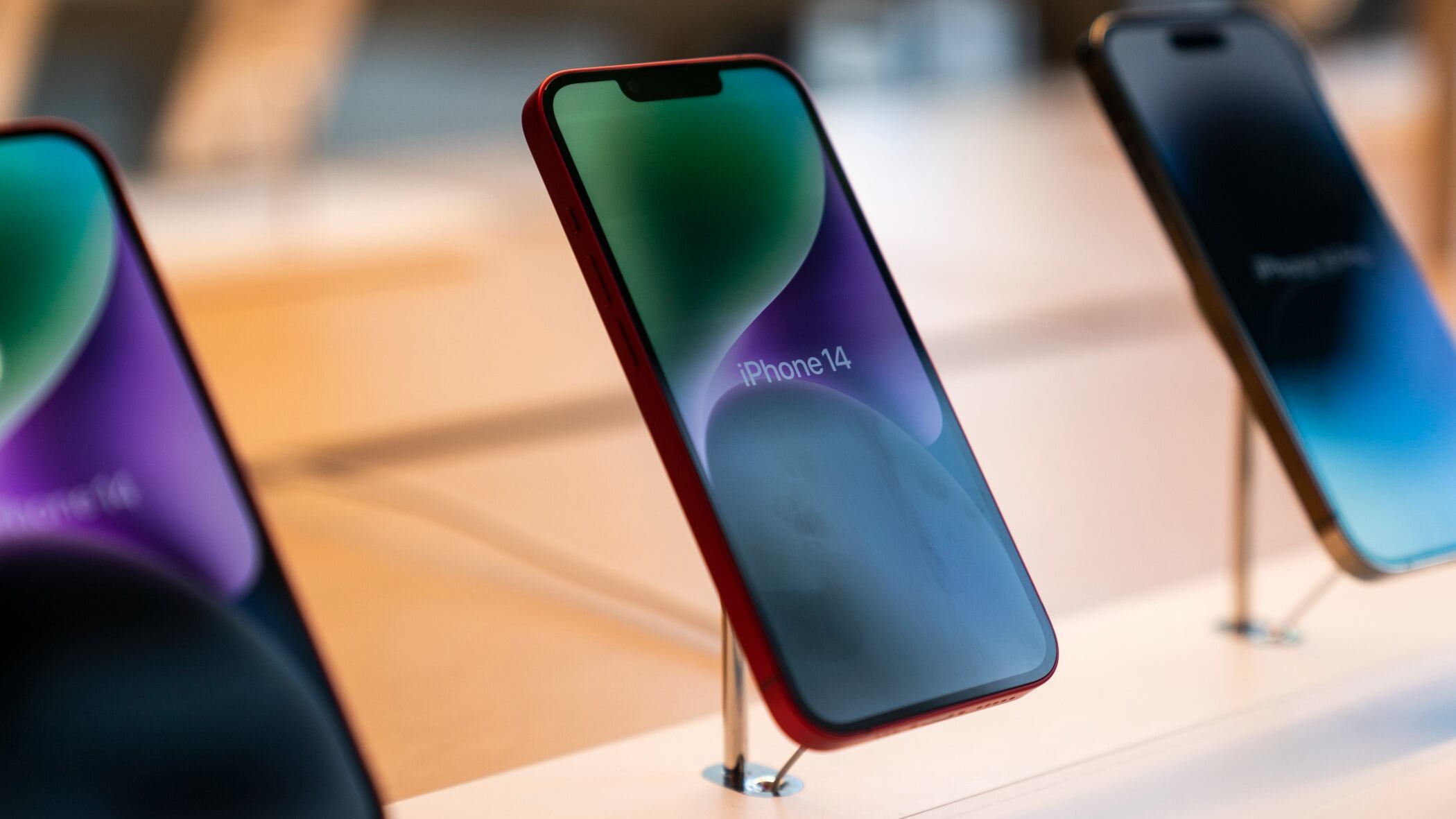
The new iPhone 14 smartphones are on display at an Apple Store at The Grove in Los Angeles, Friday, Sept. 16, 2022. (AP Photo/Jae C. Hong)
On March 1, Apple will start charging an extra $20 for battery replacements on out-of-warranty iPhones, according to an update on the AppleCare+ webpage.
The new price will be $99 for the iPhone 14, and while these models are currently under warranty, they won't be after the one-year anniversary of their release in September 2023.
At that point, the higher price point could encourage customers with broken batteries to simply buy a new phone rather than shell out nearly $100 for a replacement part.
Apple has adjusted prices multiple times in recent years, as supply chain issues have raised production costs. Just last month, labor unrest at an iPhone supplier in China led to a production shortfall. The company struggled with similar disruptions throughout the pandemic.
There is also a history of consumers pushing back against Apple's practices around batteries. The company in 2020 was forced to pay $113 million in fines to settle consumer fraud lawsuits around a controversy known as "batterygate," in which iPhone users discovered that Apple installed new software that made devices with older batteries operate slower.
In addition, CEO Tim Cook in 2019 wrote in a letter to investors that "some customers taking advantage of significantly reduced pricing for iPhone battery replacements" was partly behind a lower-than-expected iPhone sales.
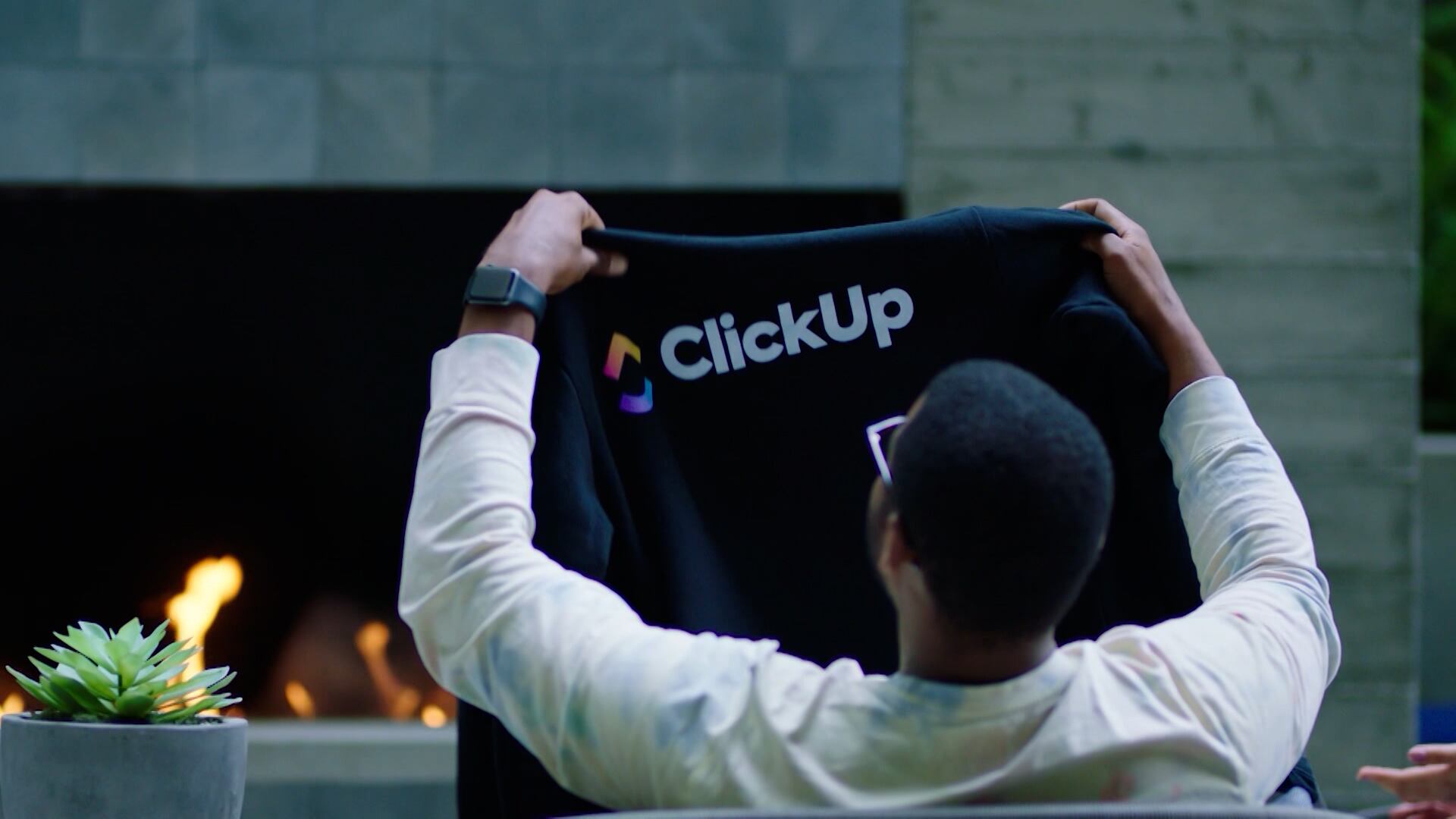
Project management platform ClickUp raised $400 million in Series C funding this week, and founder and CEO Zeb Evans joined Cheddar's "Closing Bell" to talk about taking the added funds to help make the workplace more efficient by being a one-stop-shop for office needs. He also discussed a growing demand for his company's services during the pandemic as companies seek solutions to keep their employees on the same page.
How much real money would you pay for a virtual plot of land? Developing technology is introducing everyone in the real world to new, virtual worlds, like Decentraland. In this metaverse economy, users are buying virtual real estate at high value – and it’s not just the average Joe that’s looking to invest. Company's like Facebook are betting big.
The dating app Hinge says it's taking online dating to the next level by introducing a voice prompt feature for profiles. Michelle Parsons, chief product officer, joined Cheddar to talk about providing the question prompts for users to make accounts more personable in their own voice. She also went into how much the pandemic has had an impact on engagement.
TikTok is testing out a new program that would allow creators to receive tips for their posted content. The video-sharing platform also said it will allow creators to retain 100 percent of their tipped revenue.
Tonya Evans, professor at Penn State Dickinson Law, joined Cheddar to talk about the meme coin war flaring up between the Shiba Inu and Dogecoin tokens. She noted that one of the most fascinating takeaways from the crypto craze is the "power of community" being able to manipulate market prices. Evans also talked about the rising number of coins coming to market and how to assess if they are worth investing in.
Nicole Lambert, President at Myriad Genetics joins ChedHER to discuss how to expand access to genetic testing for all women, and how her experience as a 'pre-vivor' motivates her role in the industry.
Social media giant 'Facebook' has rebranded itself as 'Meta' in a move that has many talking about the motive behind the timing of the announcement as the company finds itself getting negative press almost daily. Editor In Chief of Investopedia Caleb Silver breaks down the change and how the vision of Meta and the Metaverse could change the future.
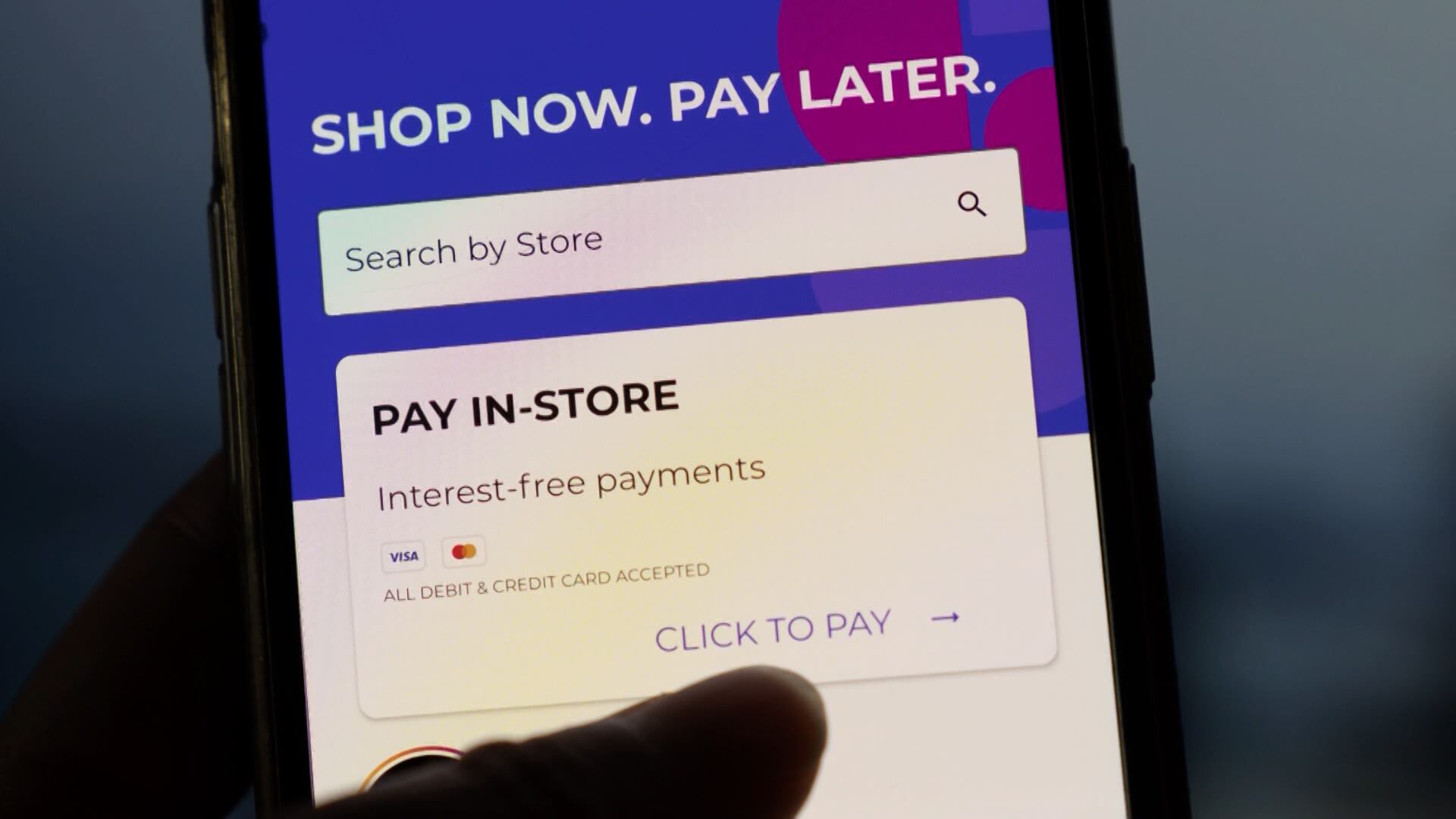
Third quarter Shopify earnings fell below expectations in both revenue and earnings per share. Though the e-commerce retailer has seen growth in partnerships with Target and Spotify, as well as adoption of a buy now, pay later payment option, Hatem Dhiab, Managing Partner at Gerber Kawasaki explains the impact that ongoing supply chain issues have had on Shopify's bottom line.