As industries begin to shift away from fossil fuels, Ampaire is banking on its line of hybrid-electric airplanes to revolutionize air travel. The company recently announced its historic first flight of an existing airline route in Hawaii.
Kevin Noertker, Ampaire CEO, said not only would the environment reap the biggest benefits from a reduction of emissions, but the airline industry could also soar to new heights.
"For the airlines, the biggest impact is reduced cost of operation. Airlines care about the total cost of ownership and operation for their planes. By switching to a hybrid plane, you could reduce that fuel burn by up to 50 percent," Noertker told Cheddar.
The CEO also noted that a fully electric plane would reduce emissions by more than 90 percent.
After launching in 2016 and constructing an aircraft for the last two years, paid flights for the company are on the horizon. "We're looking at about a three-year timeline before we get certification to deploy these planes in that commercial operation," Noertker said.
While the company gears up for commercial flights, it has already been conducting demonstrations under the FAA's experimental market survey, which allows passengers and potential Ampaire customers to fly.
Last month, the company became the first to ever demonstrate a hybrid-electric flight in Maui, which went from Kahului to Hana in about 20 minutes. Like other industries, Ampaire's ability to continue developing and moving forward with test flights, particularly in Hawaii, was impacted by pandemic-related restrictions.
The hybrid-electric planes, according to Noertker, while capable of long-distance flights, are optimal for relatively short-distances. Over the next five to 10 years, however, there are plans to produce an aircraft that can hold up to 20 passengers and will fly "routes between 50 and 500 miles."
"The reality is most routes that airlines like to fly are about 100 miles," Noertker said.
On December 25, 2021, NASA got into the holiday spirit by launching the James Webb Space Telescope, the largest and most powerful space science observatory in history.
It is intended to succeed the Hubble Space Telescope as NASA's flagship mission in astrophysics and is able to view objects too old and distant for Hubble. Gregory Robinson, director of NASA's James Webb Space Telescope program, joins Cheddar News' Closing Bell to discuss the mission. "I think a lot of what we don't know today is what I'm expecting to find and certainly really understand what took place more than 13.5 billion years ago and see the formation of some of the first galaxies in our universe," said Robinson.
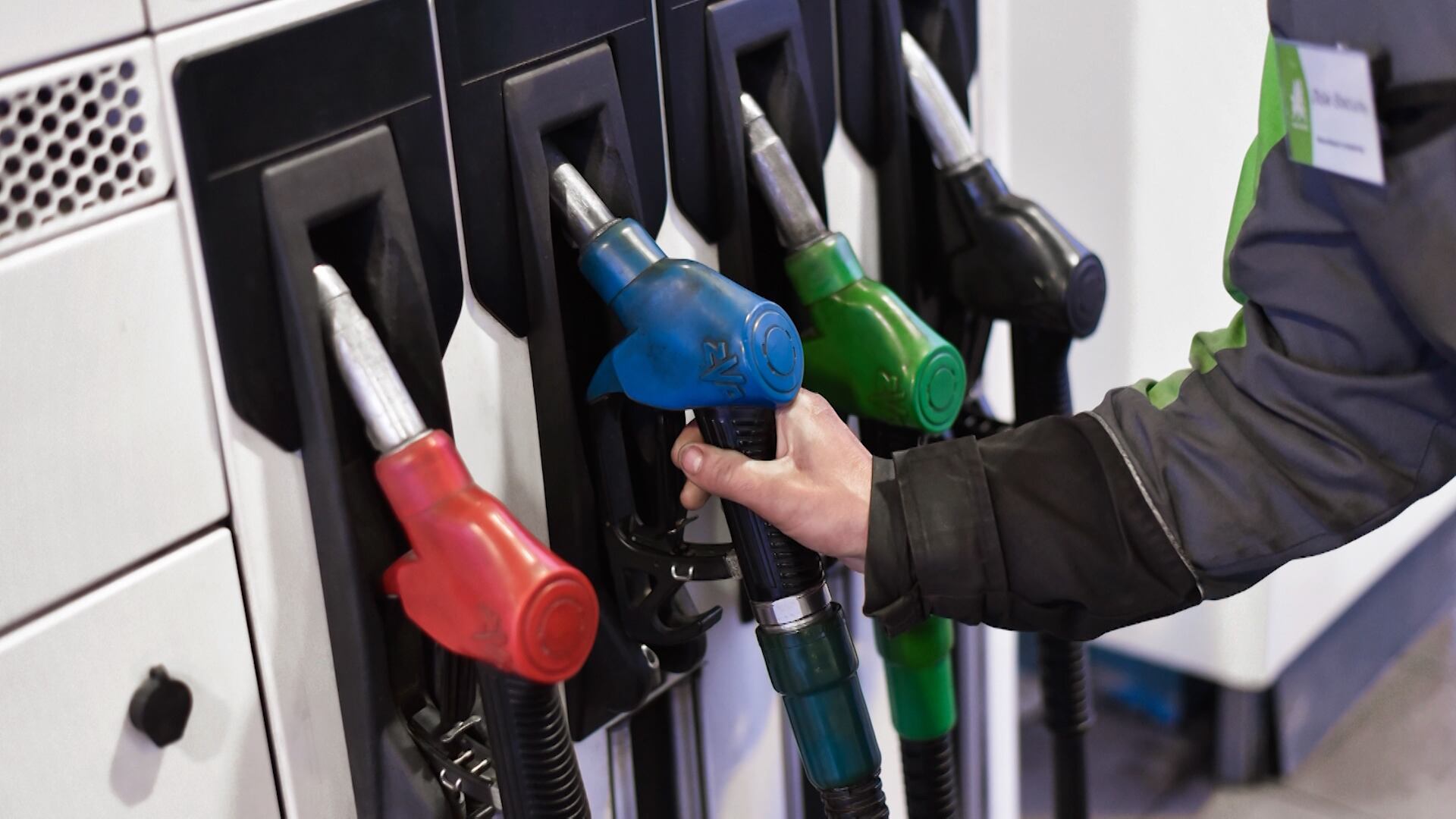
Prices at the pump have escalated severely during the Russian invasion of Ukraine. Paul Christopher, head of global market strategy, Wells Fargo Investment Institute, joined Cheddar News to explain how he sees the gas prices continuing to spiral despite the International Energy Agency announcing the release of 60 million barrels of oil from the strategic reserves of 31 countries. "We think you could see oil and gas prices continue to rise. Oil prices maybe could hit $140 a barrel. That's possible. And that would add another 50-60 cents on top of the gasoline prices you already have," he said.
YouTube creator platform Spotter recently announced $200 million in Series D financing at a valuation of $1.7 billion, led by SoftBank Vision Fund 2. Spotter allows YouTubers to license the rights to their video catalogs in exchange for large sums of cash paid upfront. The company's clients include some of YouTube's most popular personalities, with a combined total of more than 1.2 billion subscribers. Aaron Debevoise, founder and CEO of Spotter, joins Cheddar News' Closing Bell to discuss.
President Joe Biden is set to give his first State of the Union address amid both international and domestic crises: the Russia-Ukraine conflict and continued rising inflation and economic worries at home. He's expected to focus on a four-point plan to reduce everyday costs, and promote economic competition, among other key tenets. But will it be enough to persuade Americans that his administration will be able to get rising prices and foreign policy moves under control? Eugene Scott, national politics reporter at The Washington Post, joins Closing Bell to discuss Biden's expected focus, how he will aim to ease Americans' concerns, and more.
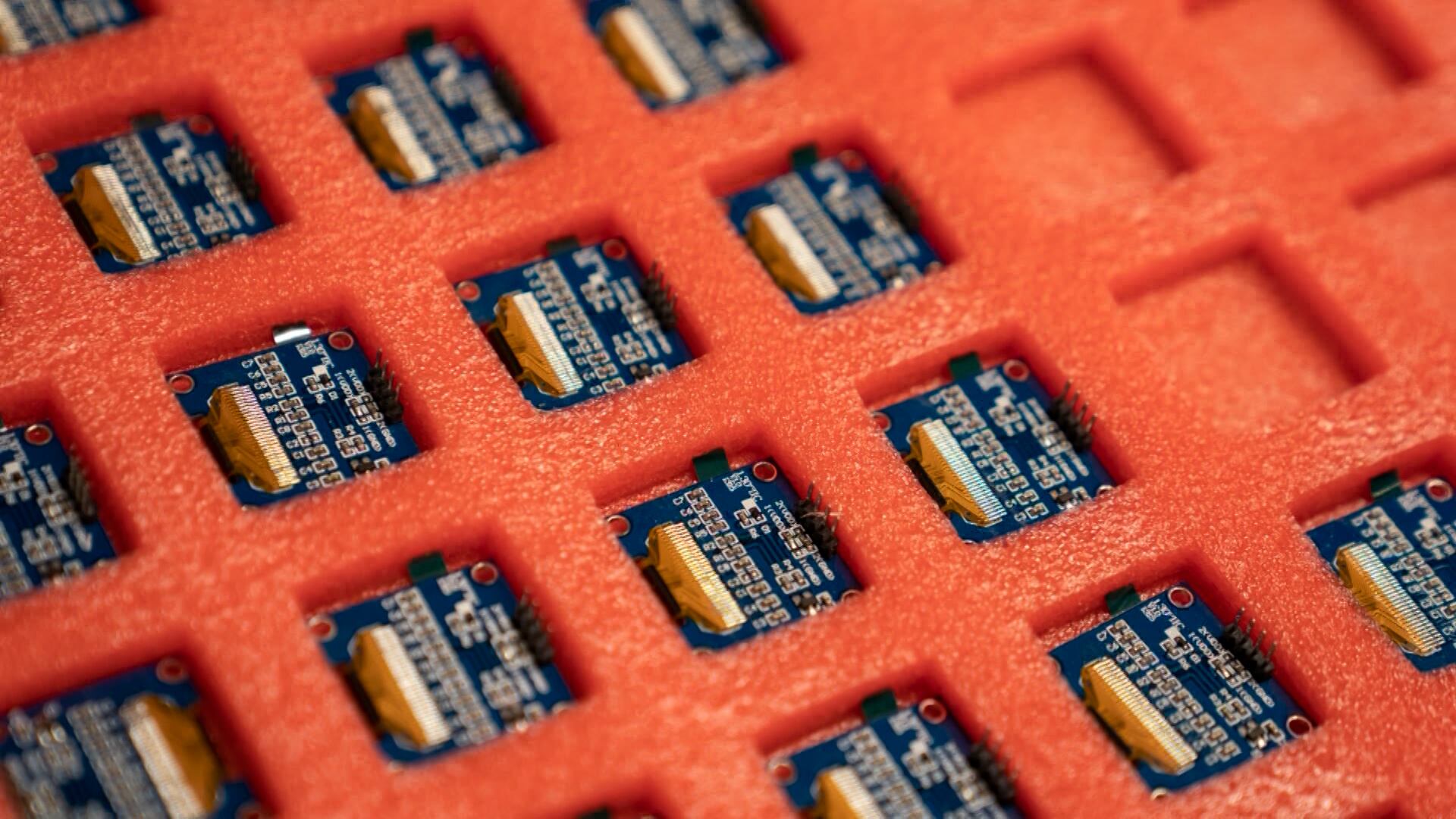
The Russia-Ukraine conflict drags on — and global economies could see pandemic-era prices and supply chain issues come back full force. Both countries supply key commodities and materials, including semiconductor production. That sector, in particular, was hit hard by the pandemic and was just beginning to see a recovery when the invasion began. What happens next? Do companies have enough to fall back on and can they rely on pandemic-era measures to stay afloat? Everett Millman, Chief Market Analyst at Gainesville Coins, joins Closing Bell to discuss which sectors are being hit the hardest, rising prices, how consumers could feel the impact, and more.
Jamie Hemmings and Jilea Hemmings, owners and founders of Nourish + Bloom Market, join Cheddar News to talk about the inspiration behind creating their cashierless grocery store.
Bartholomew Jones and Renata Henderson, co-owners of Cxffeeblack, join Cheddar News to discuss how they are merging Black culture with coffee in Memphis.
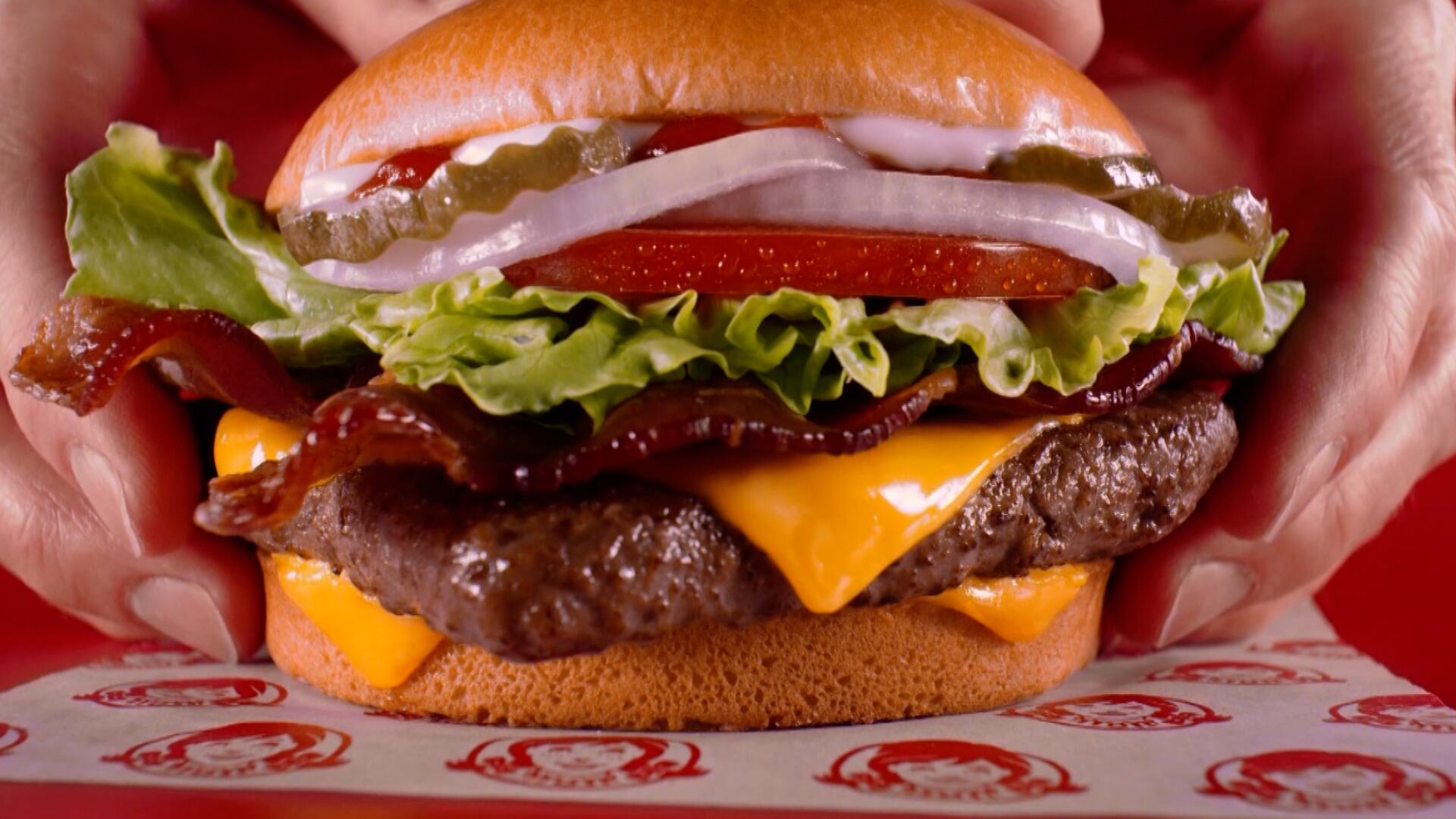
Abigail Pringle serves as president, international and chief development officer at Wendy’s. She joins Cheddar News to discuss the company's Q4 earnings and its diversity initiative for franchise owners.
While crypto exchanges have been used to aid Ukraine amid the Russian invasion, critics point to possible sanction evasion on the Russian side using the same technology. Cheddar's Alex Vuocolo takes a closer look.