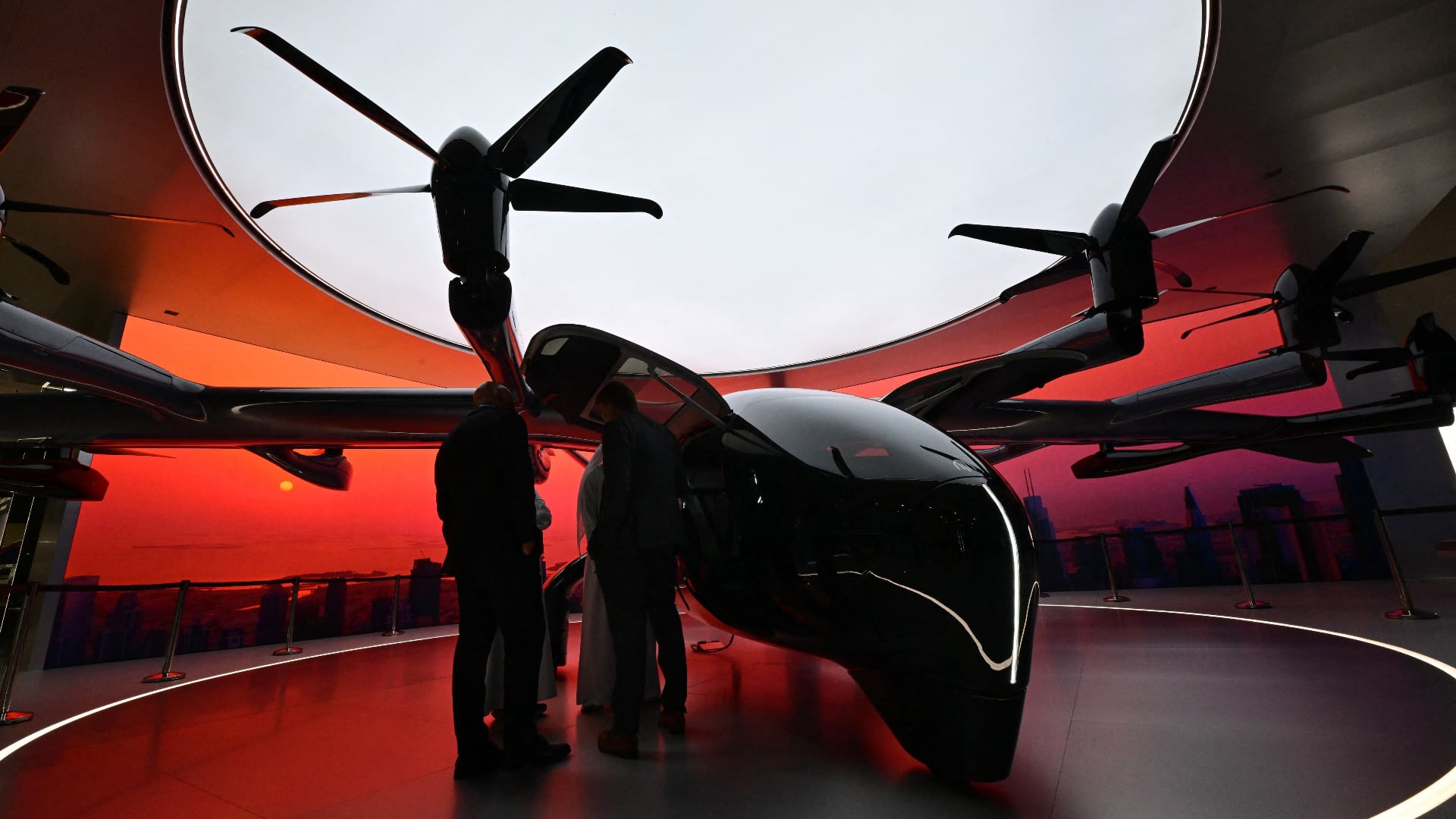
As industries begin to shift away from fossil fuels, Ampaire is banking on its line of hybrid-electric airplanes to revolutionize air travel. The company recently announced its historic first flight of an existing airline route in Hawaii.
Kevin Noertker, Ampaire CEO, said not only would the environment reap the biggest benefits from a reduction of emissions, but the airline industry could also soar to new heights.
"For the airlines, the biggest impact is reduced cost of operation. Airlines care about the total cost of ownership and operation for their planes. By switching to a hybrid plane, you could reduce that fuel burn by up to 50 percent," Noertker told Cheddar.
The CEO also noted that a fully electric plane would reduce emissions by more than 90 percent.
After launching in 2016 and constructing an aircraft for the last two years, paid flights for the company are on the horizon. "We're looking at about a three-year timeline before we get certification to deploy these planes in that commercial operation," Noertker said.
While the company gears up for commercial flights, it has already been conducting demonstrations under the FAA's experimental market survey, which allows passengers and potential Ampaire customers to fly.
Last month, the company became the first to ever demonstrate a hybrid-electric flight in Maui, which went from Kahului to Hana in about 20 minutes. Like other industries, Ampaire's ability to continue developing and moving forward with test flights, particularly in Hawaii, was impacted by pandemic-related restrictions.
The hybrid-electric planes, according to Noertker, while capable of long-distance flights, are optimal for relatively short-distances. Over the next five to 10 years, however, there are plans to produce an aircraft that can hold up to 20 passengers and will fly "routes between 50 and 500 miles."
"The reality is most routes that airlines like to fly are about 100 miles," Noertker said.
As Russia continues to invade Ukraine, its tech outsourcing sector is at risk. Over the past few years, the country has become a popular outsourcing destination for American and European tech companies, but now the future of that industry is uncertain. Isabelle Bousquette, enterprise technology reporter, for The Wall Street Journal, discusses what repercussions the crisis might have on the industry, and what companies are doing to mitigate possible disruptions.
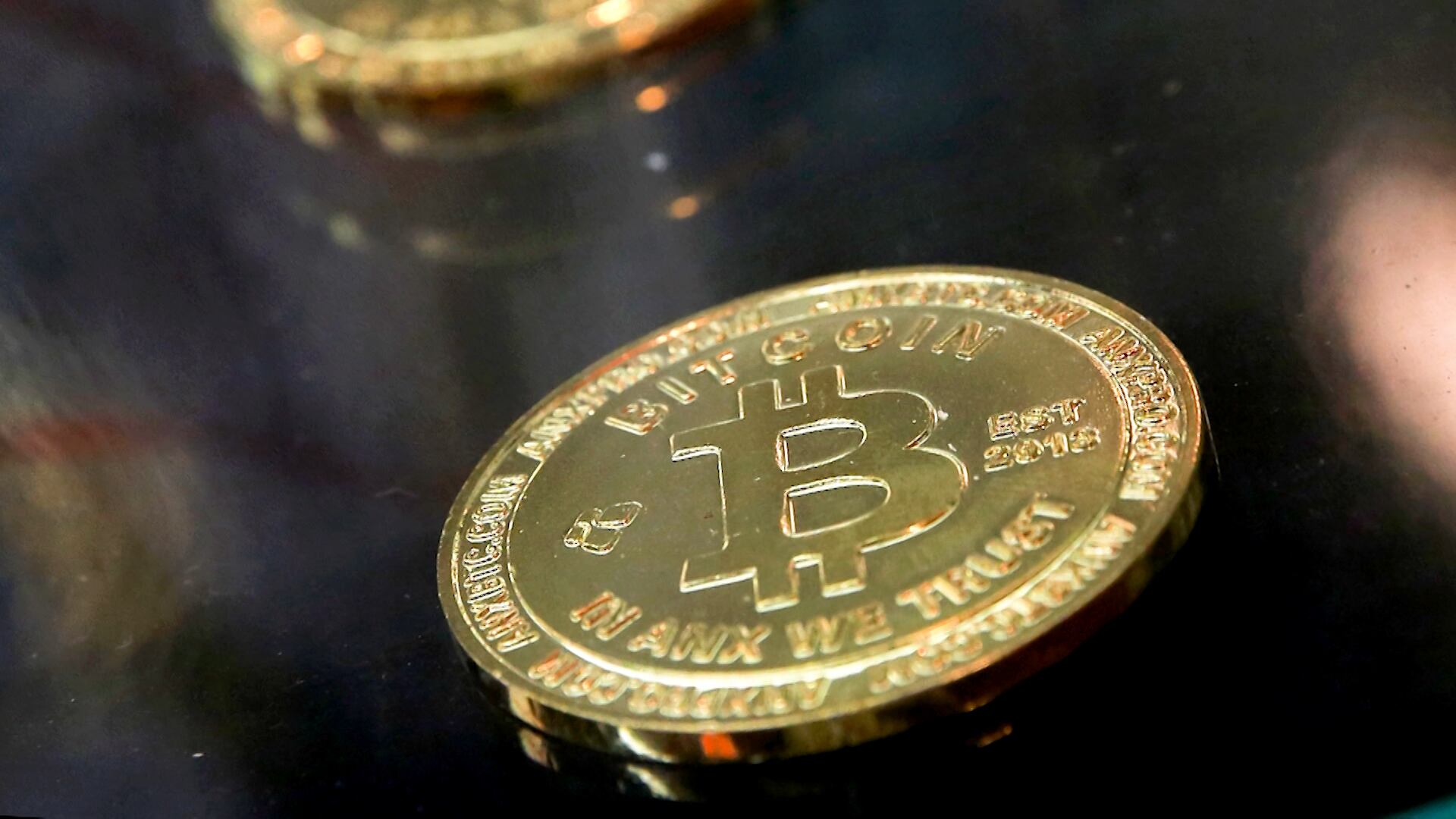
Steve Ehrlich, Co-Founder & CEO of Voyager Digital, breaks down the economic factors impacting Bitcoins performance and outlines ways to hedge against rising inflation.
The Mobile World Congress is underway in Barcelona this week. The annual global trade show is showcasing the latest advancements in mobile and other progressive technologies.
Katie Collins, Senior European Correspondent, CNET joined Cheddar's Opening Bell to break down the latest announcements.
Rolf Illenberger, Founder & CEO of VRdirect, discusses how businesses are using virtual reality and talks about the importance of VR training in a remote work environment.
NerdWallet reported strong fiscal Q4 results in its first earnings report as a publicly traded company. The personal finance company saw revenue increase 75 percent year-over-year as the company witnessed a rebound in consumer demand as the pandemic wanes. Tim Chen, Founder & CEO, NerdWallet joined Cheddar's Opening Bell to discuss.
Kraft Heinz is launching a new joint venture with NotCo, a Chilean startup that creates plant-based substitutes using artificial intelligence. The goal is to reimagine global food production and bring plant-based versions of Kraft Heinz products to market at a faster speed, all while driving sustainability. Matias Muchnik, CEO and Co-Founder of NotCo, joined Cheddar's Opening Bell to discuss the partnership, NotCo's technology, and his response to the backlash against the ingredients in meatless meat.
Ross Mayfield, Investment Strategy Analyst at Baird, discusses how companies with international exposure are impacting U.S. investors and highlights which industries are navigating geopolitical conflict.
Jim Bruderman, Vice Chairman of 1879 Advisors, discusses how markets are navigating the Russia-Ukraine conflict and spotlights areas within tech that could rebound.
Christian Ledoux, Director of Investment Research at CAPTRUST, talks about the ripple effect Russia's invasion of Ukraine is having on U.S. markets and outlines ways investors are navigating volatility.