As industries begin to shift away from fossil fuels, Ampaire is banking on its line of hybrid-electric airplanes to revolutionize air travel. The company recently announced its historic first flight of an existing airline route in Hawaii.
Kevin Noertker, Ampaire CEO, said not only would the environment reap the biggest benefits from a reduction of emissions, but the airline industry could also soar to new heights.
"For the airlines, the biggest impact is reduced cost of operation. Airlines care about the total cost of ownership and operation for their planes. By switching to a hybrid plane, you could reduce that fuel burn by up to 50 percent," Noertker told Cheddar.
The CEO also noted that a fully electric plane would reduce emissions by more than 90 percent.
After launching in 2016 and constructing an aircraft for the last two years, paid flights for the company are on the horizon. "We're looking at about a three-year timeline before we get certification to deploy these planes in that commercial operation," Noertker said.
While the company gears up for commercial flights, it has already been conducting demonstrations under the FAA's experimental market survey, which allows passengers and potential Ampaire customers to fly.
Last month, the company became the first to ever demonstrate a hybrid-electric flight in Maui, which went from Kahului to Hana in about 20 minutes. Like other industries, Ampaire's ability to continue developing and moving forward with test flights, particularly in Hawaii, was impacted by pandemic-related restrictions.
The hybrid-electric planes, according to Noertker, while capable of long-distance flights, are optimal for relatively short-distances. Over the next five to 10 years, however, there are plans to produce an aircraft that can hold up to 20 passengers and will fly "routes between 50 and 500 miles."
"The reality is most routes that airlines like to fly are about 100 miles," Noertker said.
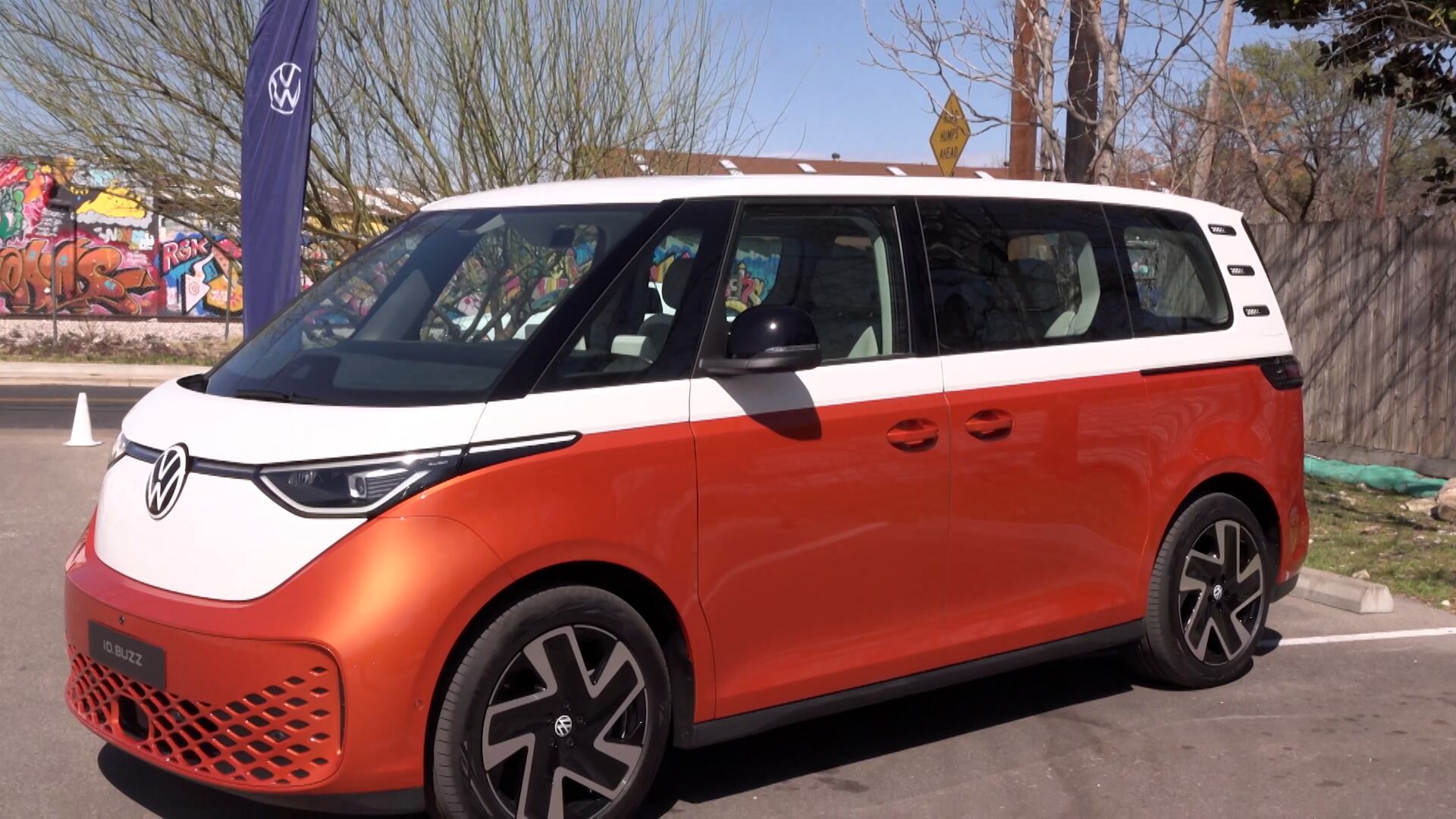
Cheddar News senior reporter, Michelle Castillo joined Scott Keogh, CEO of Volkswagen Group of America, for a ride in the new ID.Buzz electric van at South by Southwest. Keogh touched on issues from the auto giant's commitment to electrification and achieving carbon neutrality to the need for more charging infrastructure to support the electric vehicle wave. "We made a commitment to be CO2 neutral, and I think the reason it is, simplistically is, we're the world's largest car company. We're responsible for 1 percent of global CO2 emissions, and frankly, leaders have to lead and so that's what we want to do," he said.
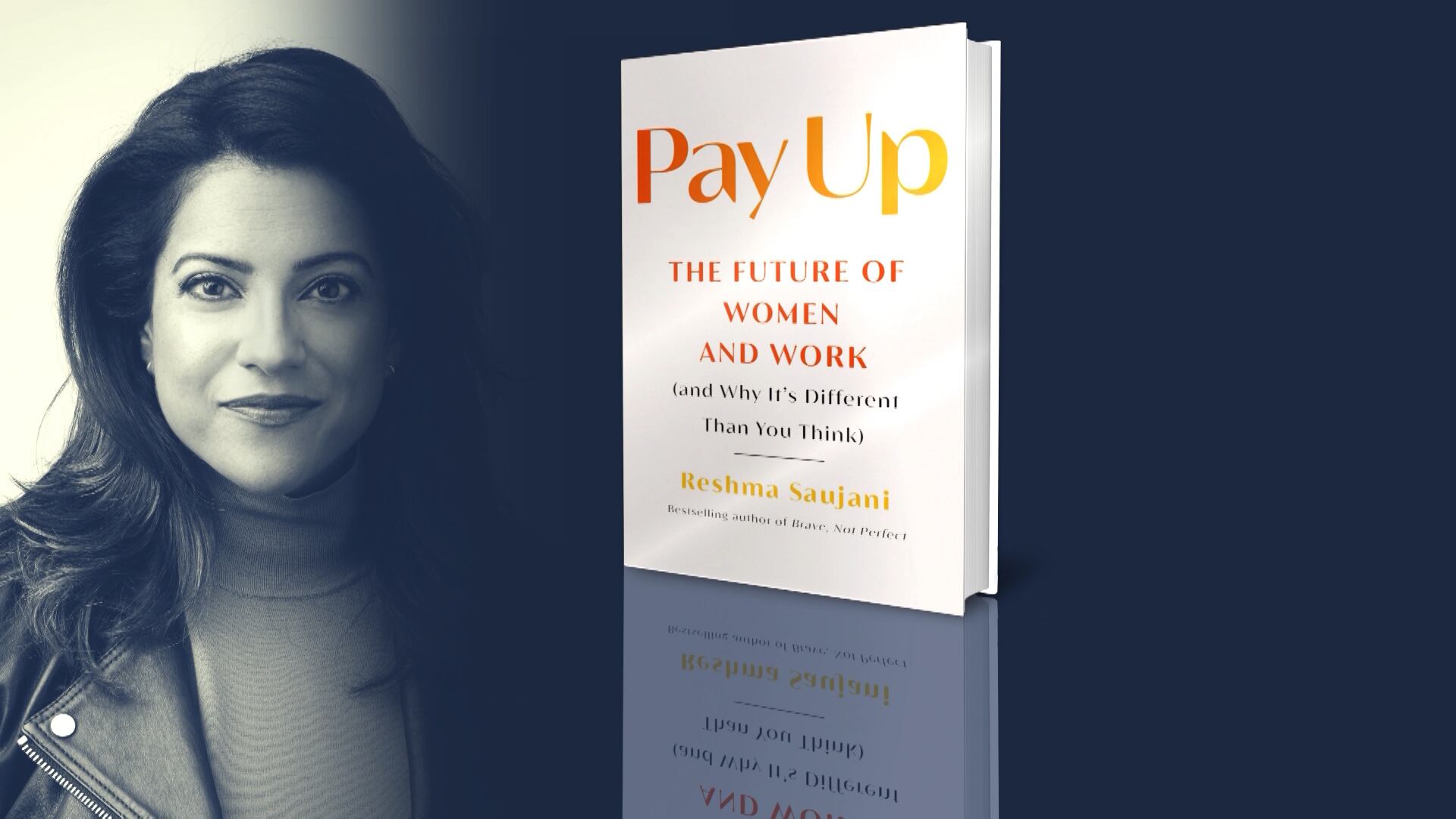
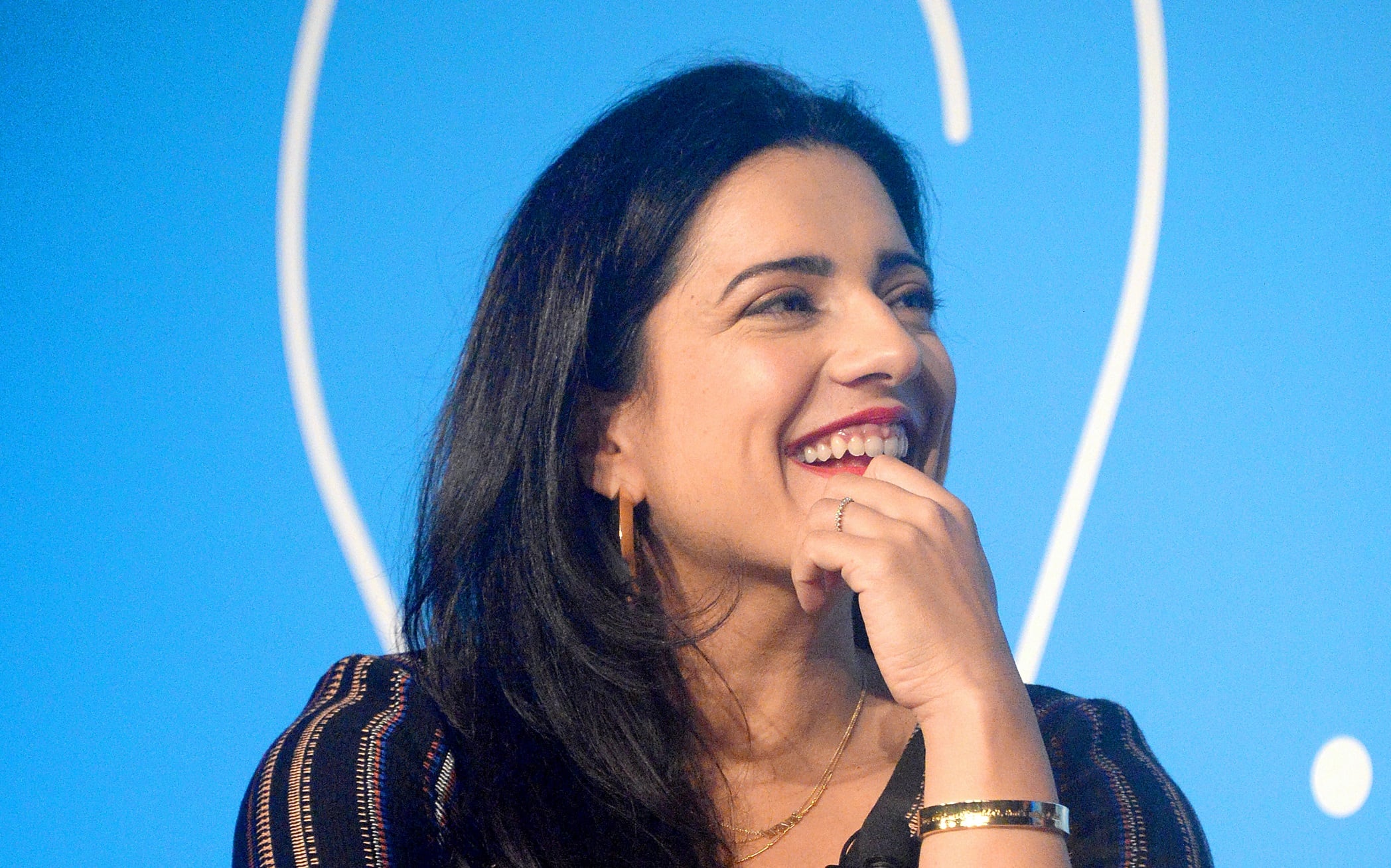
Reshma Saujani, the founder of Girls Who Code and author of "Pay Up: The Future of Women and Work (and Why It's Different Than You Think), joined Cheddar to discuss the many challenges for women in the workplace after the upheaval caused by the pandemic and the solutions she presents.
Companies are leaning towards hybrid workforces due to the pandemic as a means of bringing back workers to the office — especially women employees. Head of HR technology at Capital One, Maureen Jules-Perez, joined Cheddar News to talk about initiatives and technology that the bank is taking to set up a successful hybrid workplace. "Do we have the experiences or the spaces for everyone to feel belonging or included? Do we feel heard? And of course, when it comes to building products, we have all the different, diverse perspectives and thoughts and ideas being incorporated to have the optimal solution or delivery," she said.
The U.S. Securities and Exchange Commission Monday laid out a proposal that would require businesses to disclose the emissions they produce. Kathleen Rogers, CEO & President at EARTHDAY.ORG, joined Cheddar News to break down the implications of this historic step.
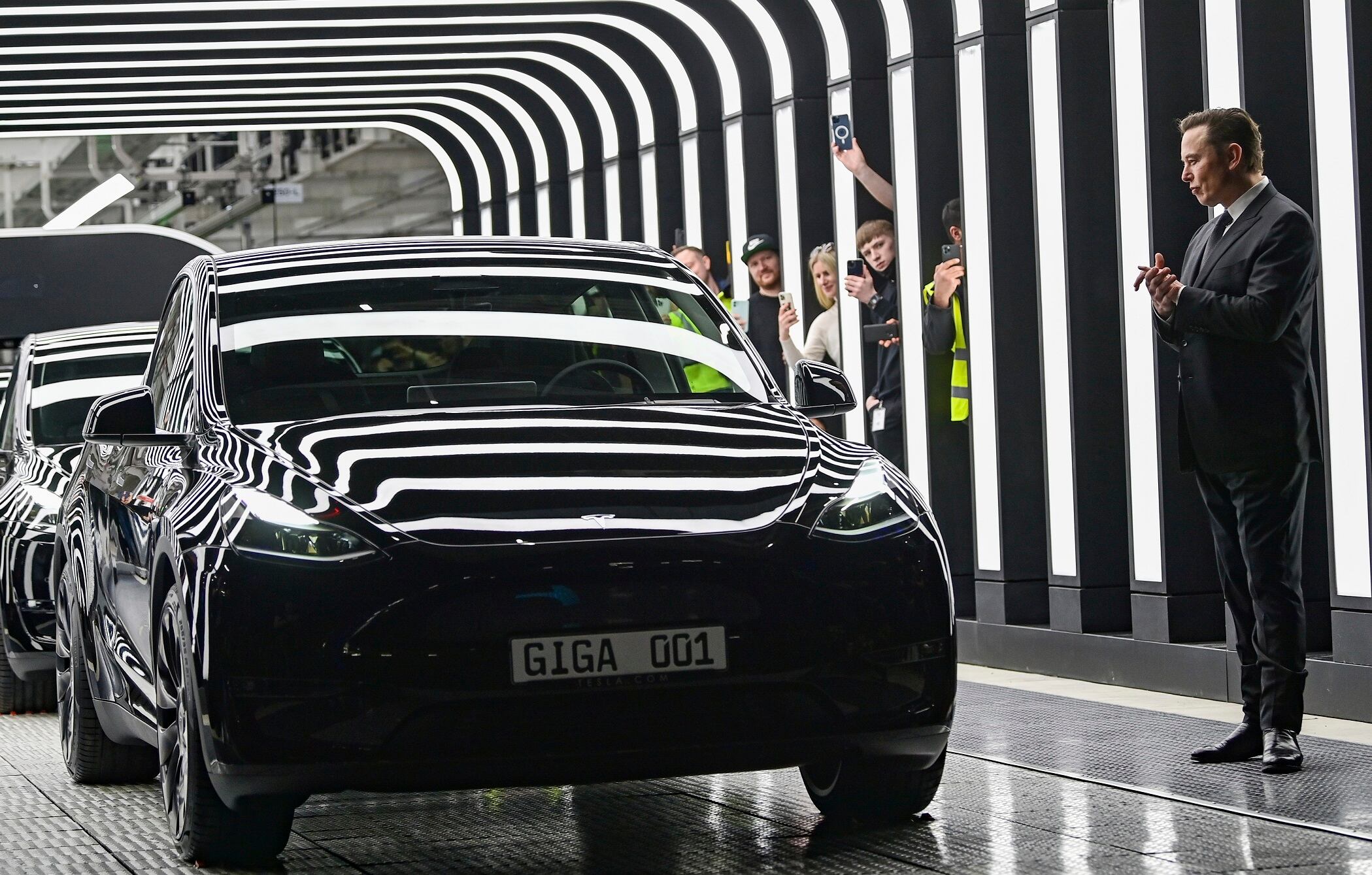
Electric car manufacturer Tesla opened its first European factory on the outskirts of Berlin in an effort to challenge German automakers on their home turf.
Reshma Saujani, the founder of the nonprofit Girls Who Code, discusses the workplace inequities further exposed by the pandemic and her latest book, "Pay Up: The Future of Women and Work (and Why It's Different Than You Think).