As industries begin to shift away from fossil fuels, Ampaire is banking on its line of hybrid-electric airplanes to revolutionize air travel. The company recently announced its historic first flight of an existing airline route in Hawaii.
Kevin Noertker, Ampaire CEO, said not only would the environment reap the biggest benefits from a reduction of emissions, but the airline industry could also soar to new heights.
"For the airlines, the biggest impact is reduced cost of operation. Airlines care about the total cost of ownership and operation for their planes. By switching to a hybrid plane, you could reduce that fuel burn by up to 50 percent," Noertker told Cheddar.
The CEO also noted that a fully electric plane would reduce emissions by more than 90 percent.
After launching in 2016 and constructing an aircraft for the last two years, paid flights for the company are on the horizon. "We're looking at about a three-year timeline before we get certification to deploy these planes in that commercial operation," Noertker said.
While the company gears up for commercial flights, it has already been conducting demonstrations under the FAA's experimental market survey, which allows passengers and potential Ampaire customers to fly.
Last month, the company became the first to ever demonstrate a hybrid-electric flight in Maui, which went from Kahului to Hana in about 20 minutes. Like other industries, Ampaire's ability to continue developing and moving forward with test flights, particularly in Hawaii, was impacted by pandemic-related restrictions.
The hybrid-electric planes, according to Noertker, while capable of long-distance flights, are optimal for relatively short-distances. Over the next five to 10 years, however, there are plans to produce an aircraft that can hold up to 20 passengers and will fly "routes between 50 and 500 miles."
"The reality is most routes that airlines like to fly are about 100 miles," Noertker said.
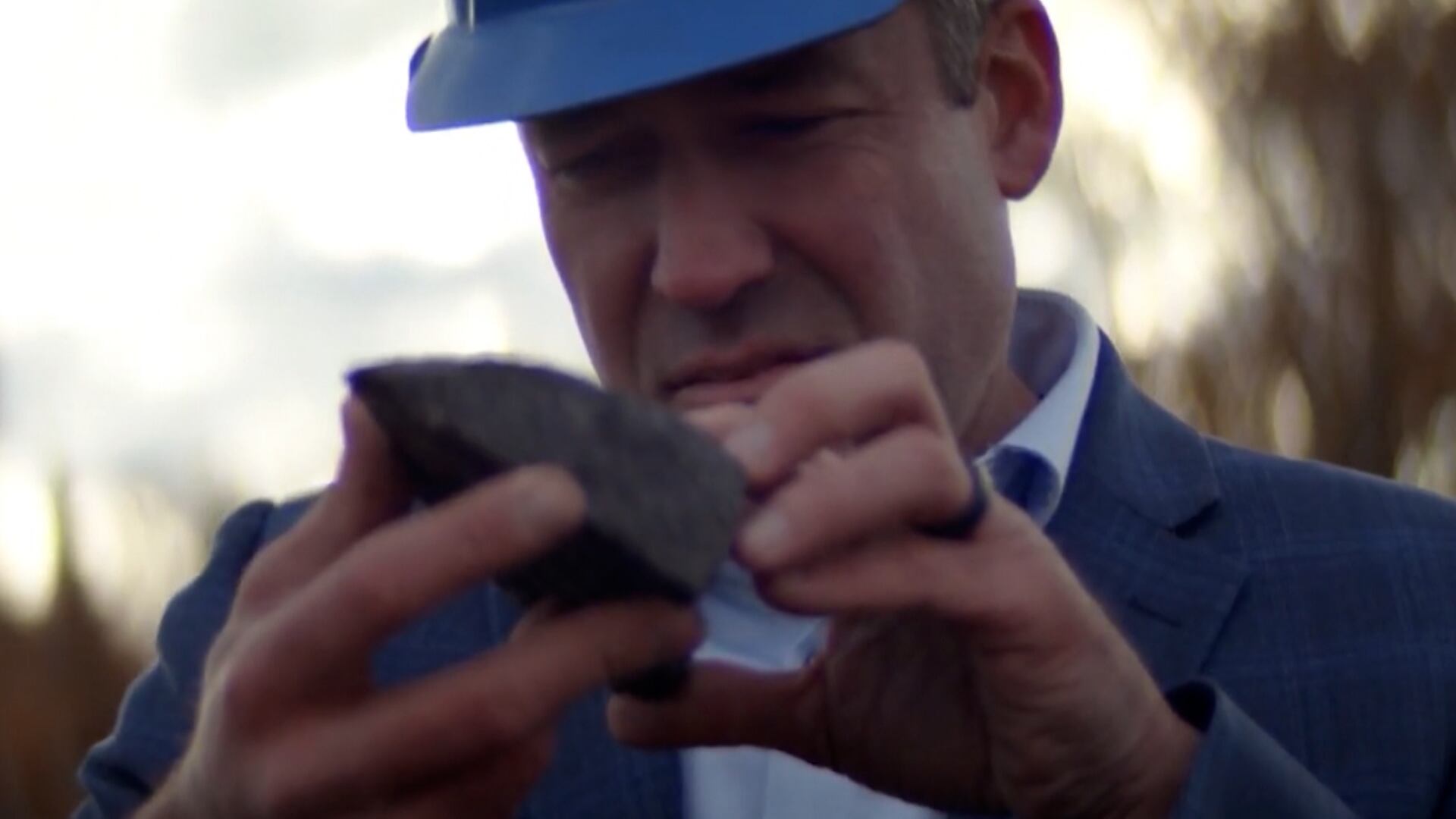
Nouveau Monde Graphite says it wants to power the sustainable energy revolution. The Canadian company is developing carbon-neutral battery materials to serve the growing EV and cleantech markets and is doing so via a mining and manufacturing operation in Quebec. Eric Desaulniers, founder, president & CEO of Nouveau Monde Graphite, joins Cheddar News' Closing Bell to discuss.
Stocks closed near session lows Wednesday as investors showed concerns about rising oil prices, supply shortages, and renewed risk of inflation. While investors began the week on a confident note, today's jump in oil prices has them once again worried that inflation will not go away any time soon. John Traynor, Chief Investment Officer at People's United Advisors, joins Closing Bell to discuss today's market close, the Federal Reserve's comments and actions taken to combat inflation, and more.
John Logan, Director of Labor and Employment Studies at San Francisco State University, joined Cheddar News to discuss the growing unionization push by employees at Starbucks and Amazon, and the wider implications of employee organization at these big companies.
Adidas is now the first major sports brand to create a program for paying college athletes. The new "name, image and likeness" network will allow more than 50,000 students across NCAA Division 1 schools to become paid spokespeople for the brand. Thilo Kunkel, Associate Professor and Director of Sport Industry Research Center at Temple University, tells us why this new program is only the beginning of an exciting time for student athletes.
The U.S. is bracing for a potential cyberattack as both the FBI and President Biden warn that Russia is 'exploring' a hack. This comes amid a recent rise in hacks on U.S. companies including Microsoft, Okta, and Nestle. Chris Pierson, founder & CEO, BlackCloak joined Cheddar's Opening Bell to discuss.
The co-owner and managing partner at Key Advisors Group Eddie Ghabour joined Cheddar News to break down the many factors impacting the market today, including the war in Ukraine, Fed rate hikes, inflation, and job numbers. Ghabour explained that he sees a bear market bounce currently leading to a downturn as the Federal Reserve is forced to be hawkish — even hinting at a recession. "I can't stress enough, you have a Fed that's telling us they're going to raise rates by 50 basis points in May during this type of environment," he said. "That's gonna be the knockout punch for this market and this economy in the short term and worst case for the consumer, unfortunately, in our opinion."
Michele Schneider, Partner and Director of Trading Research & Education at MarketGauge, talks about the challenges the Fed has in avoiding rising inflation and how the commodity shock is impacting long-term growth.
Craig Erlam, Senior Market Analyst at OANDA, breaks down the geopolitical risks impacting U.S. investors and how one can position their portfolio in a down-trending market.