As industries begin to shift away from fossil fuels, Ampaire is banking on its line of hybrid-electric airplanes to revolutionize air travel. The company recently announced its historic first flight of an existing airline route in Hawaii.
Kevin Noertker, Ampaire CEO, said not only would the environment reap the biggest benefits from a reduction of emissions, but the airline industry could also soar to new heights.
"For the airlines, the biggest impact is reduced cost of operation. Airlines care about the total cost of ownership and operation for their planes. By switching to a hybrid plane, you could reduce that fuel burn by up to 50 percent," Noertker told Cheddar.
The CEO also noted that a fully electric plane would reduce emissions by more than 90 percent.
After launching in 2016 and constructing an aircraft for the last two years, paid flights for the company are on the horizon. "We're looking at about a three-year timeline before we get certification to deploy these planes in that commercial operation," Noertker said.
While the company gears up for commercial flights, it has already been conducting demonstrations under the FAA's experimental market survey, which allows passengers and potential Ampaire customers to fly.
Last month, the company became the first to ever demonstrate a hybrid-electric flight in Maui, which went from Kahului to Hana in about 20 minutes. Like other industries, Ampaire's ability to continue developing and moving forward with test flights, particularly in Hawaii, was impacted by pandemic-related restrictions.
The hybrid-electric planes, according to Noertker, while capable of long-distance flights, are optimal for relatively short-distances. Over the next five to 10 years, however, there are plans to produce an aircraft that can hold up to 20 passengers and will fly "routes between 50 and 500 miles."
"The reality is most routes that airlines like to fly are about 100 miles," Noertker said.
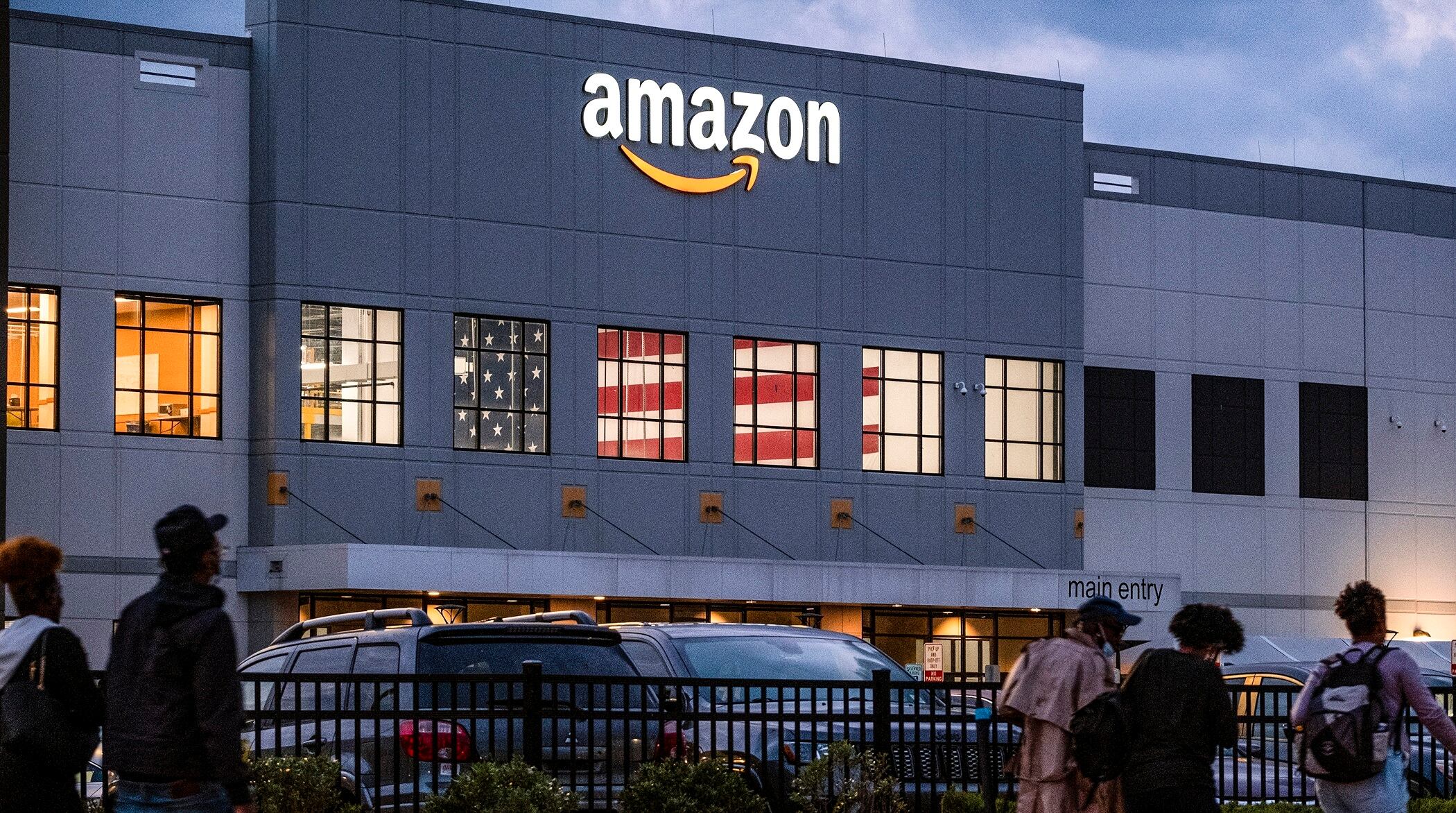
As the newly formed Amazon Labor Union gets ready to come to terms with the e-commerce giant, the issue of workplace safety and pace-of-work issues remains contentious and complex. Cheddar's Alex Vuocolo reports.
Catching you up on what you need to know on April 22, 2022, with updates on a new Ukraine aid package, a new missile test by Russia, DOJ announcement of $150 Million in COVID-related fraud, the Florida senate supports Gov. DeSantis in stripping Disney of its special tax district, and more.
Stocks tumbled on Wall Street Friday, leaving the S&P 500 with its biggest one-day loss in almost seven weeks, as worries deepen about a surge in interest rates and the U.S. central bank’s efforts to fight inflation.
Cheddar's Lawrence Banton speaks with entrepreneurs leading the way on textile and clothing recycling in an effort to help stem waste in fashion amid the climate crisis.
Enterprise blockchain provider, BlockApps, recently raised $41 million in a new funding round led by Liberty City Ventures. BlockApps builds products and applications for other companies on its own blockchain platform called STRATO. The company says its blockchain technology can help businesses increase the value of their assets, streamline their supply chains, and help them meet their sustainability goals. Kieren James-Lubin, President & CEO of BlockApps, joins Cheddar News' Closing Bell to discuss.
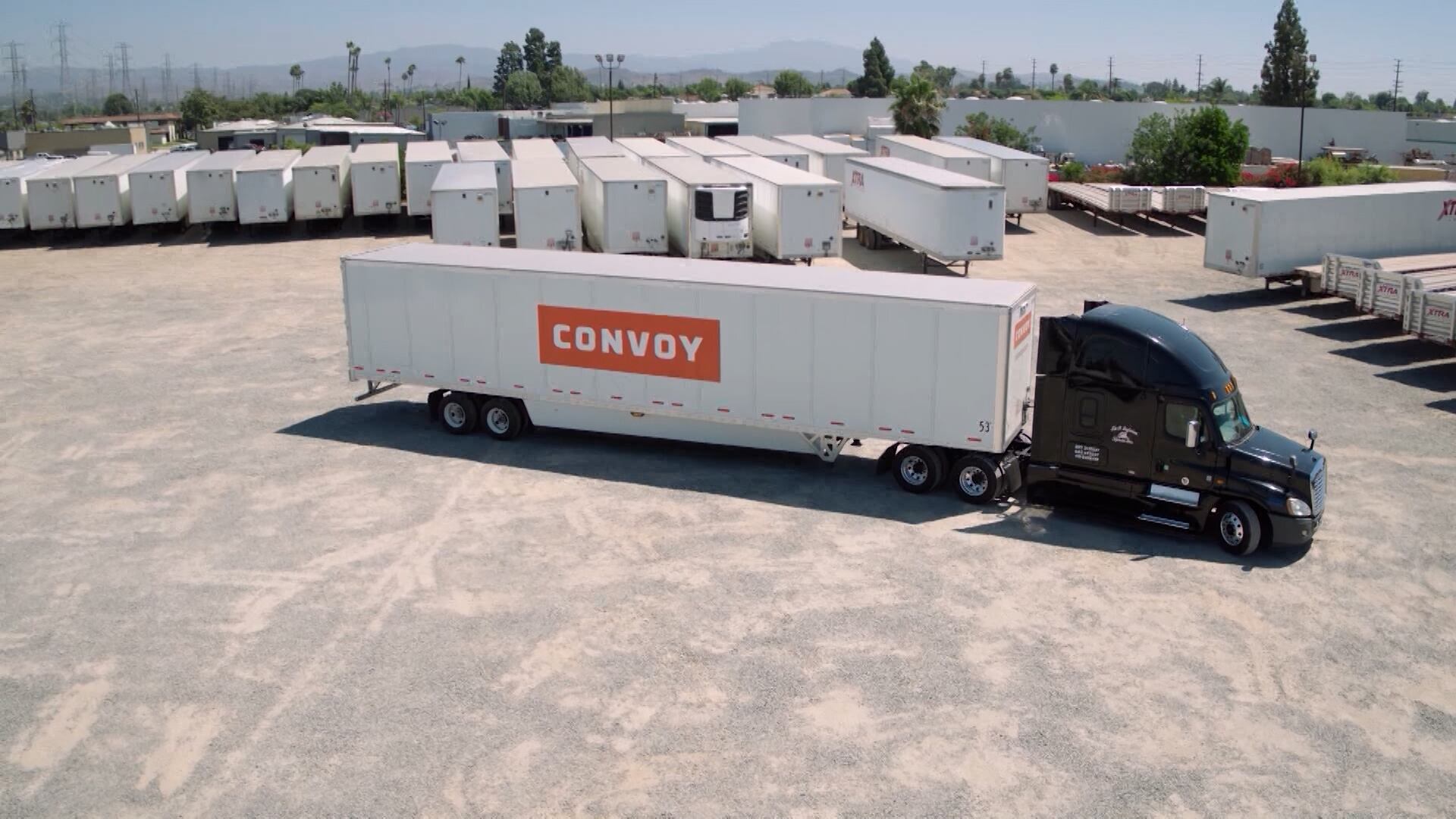
Dan Lewis, CEO of Convoy, says business luminaries like Bill Gates and Jeff Bezos are investing in his company because they're betting on Convoy and its business model to emerge as a winner in a crowded marketplace.
Anthony Bartolacci, VP of Financial Institutions at Sensor Tower, breaks down the reasons investors remain concerned about Netflix after the streaming giant said it lost subscribers last quarter.