As industries begin to shift away from fossil fuels, Ampaire is banking on its line of hybrid-electric airplanes to revolutionize air travel. The company recently announced its historic first flight of an existing airline route in Hawaii.
Kevin Noertker, Ampaire CEO, said not only would the environment reap the biggest benefits from a reduction of emissions, but the airline industry could also soar to new heights.
"For the airlines, the biggest impact is reduced cost of operation. Airlines care about the total cost of ownership and operation for their planes. By switching to a hybrid plane, you could reduce that fuel burn by up to 50 percent," Noertker told Cheddar.
The CEO also noted that a fully electric plane would reduce emissions by more than 90 percent.
After launching in 2016 and constructing an aircraft for the last two years, paid flights for the company are on the horizon. "We're looking at about a three-year timeline before we get certification to deploy these planes in that commercial operation," Noertker said.
While the company gears up for commercial flights, it has already been conducting demonstrations under the FAA's experimental market survey, which allows passengers and potential Ampaire customers to fly.
Last month, the company became the first to ever demonstrate a hybrid-electric flight in Maui, which went from Kahului to Hana in about 20 minutes. Like other industries, Ampaire's ability to continue developing and moving forward with test flights, particularly in Hawaii, was impacted by pandemic-related restrictions.
The hybrid-electric planes, according to Noertker, while capable of long-distance flights, are optimal for relatively short-distances. Over the next five to 10 years, however, there are plans to produce an aircraft that can hold up to 20 passengers and will fly "routes between 50 and 500 miles."
"The reality is most routes that airlines like to fly are about 100 miles," Noertker said.
Ryan Glasspiegel, sports and entertainment reporter for the New York Post, explains why we're seeing teams and leagues gravitate towards Las Vegas, and sheds light on the recent report that Amazon is pushing for a Black Friday NFL game.
With Netflix losing 200,000 subscribers in one quarter, and CNN+ shutting down just weeks after launch, the streaming industry is in a place of uncertainty. Hundreds of people who once thought they had steady jobs now face potential unemployment as streamers figure out how to navigate the constantly changing landscape. Greg Martin, co-founder of Rainmaker Securities, joined Cheddar's Opening Bell to discuss the state of streaming, its troubles, and how its impacting hundreds of workers.
Lance Ippolito, Head Trader at the Future Of Wealth, breaks down the most significant headwinds facing big tech and highlights how companies will fair amid high inflation.
In honor of Earth Day, Peter Krull, Founder and CEO of Earth Equity Advisors, joined Cheddar's Opening Bell to discuss how we can keep corporations accountable to their climate change promises. He argued the recent focus on ESGs and sustainable investing in some ways "has made it easier and more accessible to folks, but it's also made it easier for companies to be misleading in how they portray themselves."
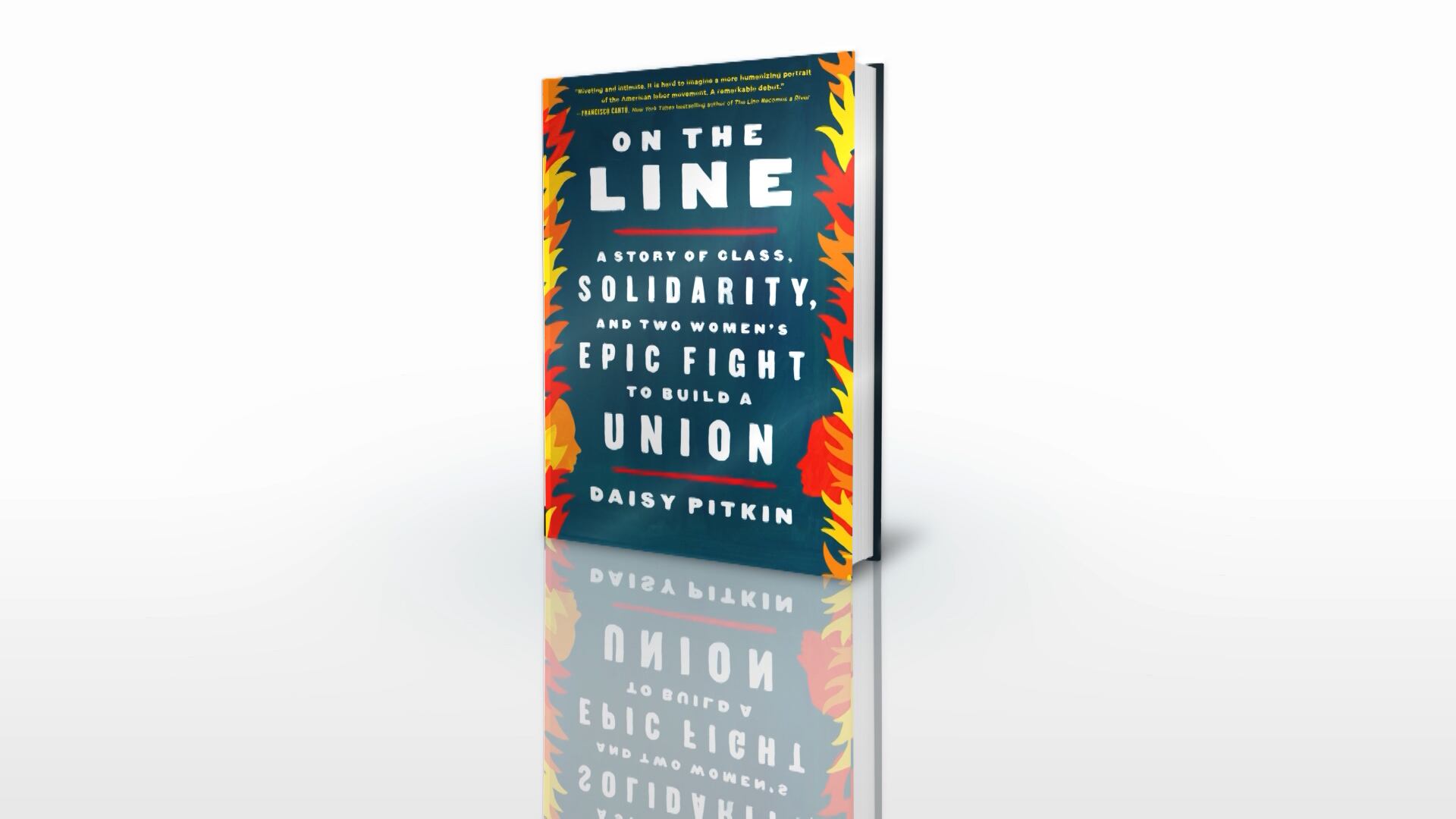
Daisy Pitkin, author of "On The Line: A Story of Class, Solidarity, and Two Women's Epic Fight to Build a Union," joined Cheddar's Opening Bell to discuss her work as a union organizer at Workers United, helping Starbucks workers to organize. Pitkin expressed her enthusiasm for the recent labor push across the country, and explained how the movement can gain even more momentum in the future.
Lance Ippolito, Head Trader at the Future of Wealth, talks about the investor concerns leading to Big Tech earnings and how the shift in consumer buying habits may signal weakness for the overall market.
Brian Shepardson, VP & Senior Portfolio Manager at James Investments, discusses the takeaways from this week's earnings and forecasts market reaction as Fed Chair Powell signals a 50-basis point hike in May.