As industries begin to shift away from fossil fuels, Ampaire is banking on its line of hybrid-electric airplanes to revolutionize air travel. The company recently announced its historic first flight of an existing airline route in Hawaii.
Kevin Noertker, Ampaire CEO, said not only would the environment reap the biggest benefits from a reduction of emissions, but the airline industry could also soar to new heights.
"For the airlines, the biggest impact is reduced cost of operation. Airlines care about the total cost of ownership and operation for their planes. By switching to a hybrid plane, you could reduce that fuel burn by up to 50 percent," Noertker told Cheddar.
The CEO also noted that a fully electric plane would reduce emissions by more than 90 percent.
After launching in 2016 and constructing an aircraft for the last two years, paid flights for the company are on the horizon. "We're looking at about a three-year timeline before we get certification to deploy these planes in that commercial operation," Noertker said.
While the company gears up for commercial flights, it has already been conducting demonstrations under the FAA's experimental market survey, which allows passengers and potential Ampaire customers to fly.
Last month, the company became the first to ever demonstrate a hybrid-electric flight in Maui, which went from Kahului to Hana in about 20 minutes. Like other industries, Ampaire's ability to continue developing and moving forward with test flights, particularly in Hawaii, was impacted by pandemic-related restrictions.
The hybrid-electric planes, according to Noertker, while capable of long-distance flights, are optimal for relatively short-distances. Over the next five to 10 years, however, there are plans to produce an aircraft that can hold up to 20 passengers and will fly "routes between 50 and 500 miles."
"The reality is most routes that airlines like to fly are about 100 miles," Noertker said.
Jill and Carlo cover the news out of Facebook's latest earnings, Tesla's monumental day, Dave Chappelle addresses controversy and the tragedy of the climate emergency.
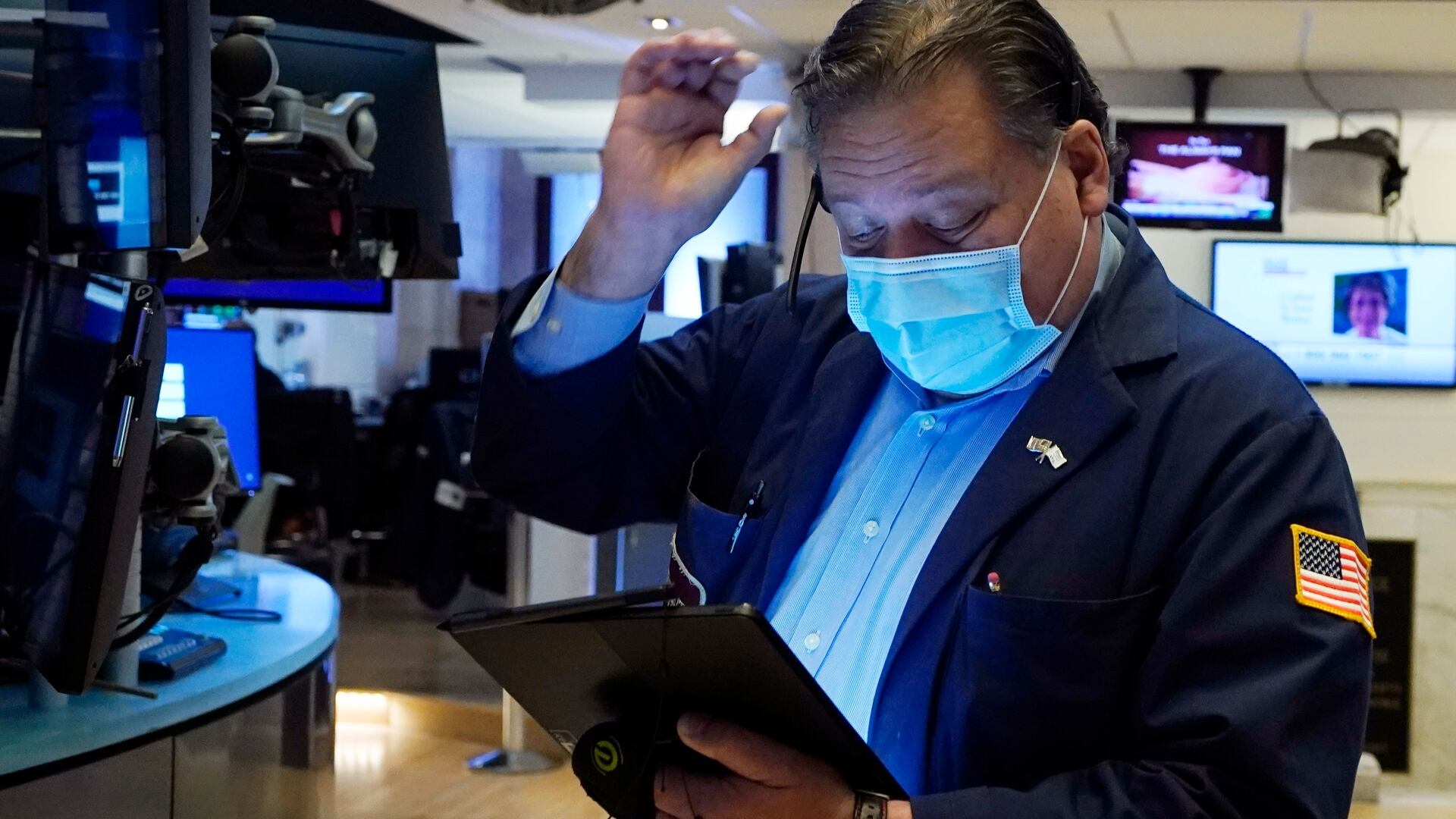
Stocks began the week on a high note, with two indexes - the Dow and the S&P 500 - each closing at a record high. Brian Levitt, Global Market Strategist at Invesco, joins Cheddar News' Closing Bell, where he explains why the conditions were in place for a jump during the session and provides insight on inflation concerns in the United States.
The price of Bitcoin hit a new all-time high last week following the Wall Street debut of ProShares Bitcoin Strategy ETF. Todd Cipperman, Founding Principal for Cipperman Compliance Services, joins Cheddar News' Closing Bell, where he explains why ProShares' ETF got off to a hot start while Valkyrie's Bitcoin Strategy ETF, which debuted just days later, did not.
Edtech startup ENTITY Academy raised $100 million in its latest round of funding. The company's platform offers tech training to women via online courses, in areas like data science and software development. The courses include mentoring and career coaching from people working in the tech industry. ENTITY Academy's founder and CEO Jennifer Schwab joined Cheddar News' Closing Bell to talk more about the company and the funding.
On Monday Microsoft reported that the same Russia-backed hackers behind the 2020 SolarWinds attack have been assailing the global technology supply chain and cloud services. The former White House CIO under President George W. Bush and CEO of the security consulting company Fortalice Solutions, Theresa Payton, joined Cheddar to discuss why cyberattackers are relentlessly focused on infiltrating tech companies and what the future holds in terms of combating them. "This will be an ever-present danger and a journey," she said. "Locking down your systems is not going to be something you do once, and then you set it and forget it. It's going to be an ongoing journey that we're all going to be on together."
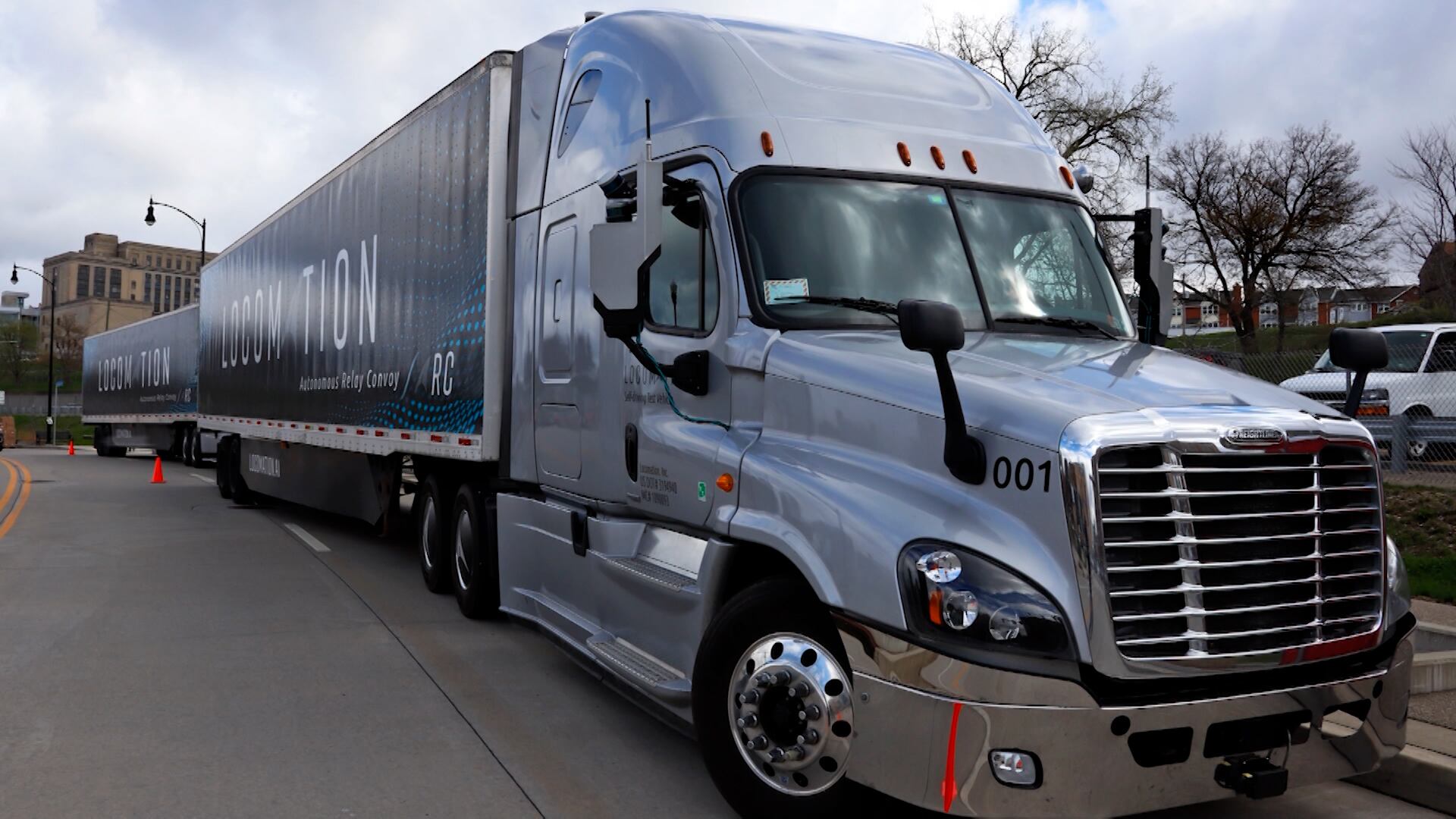
Ariel Wolf, general counsel for the Self-Driving Coalition, an industry group promoting autonomous vehicles, joined Cheddar to discuss the ongoing supply chain woes partially attributed to a lack of truck drivers. "Autonomous vehicle technology has the ability to partner with that ecosystem and help alleviate this immediate problem we have and solve the problem going forward," Wolf said. As for safety, Wolf sees a future where self-driving trucks could potentially be safer than human drivers.
Rishi Bharwani, the director of partnerships and policy for nonprofit Accountable Tech, joined Cheddar to discuss the hot button topic of regulatory oversight of social media giant Facebook. Bharwani discussed the bipartisan pieces of legislation already making their way through Congress and said the body should pass stronger data privacy laws, ban surveillance advertising, and require meaningful accountability and transparency from the company. "Now I think we've reached a boiling point where congressional action is needed and inaction is no longer acceptable," he said. Bharwani also called for a concurrent investigation into Mark Zuckerberg's company.