As industries begin to shift away from fossil fuels, Ampaire is banking on its line of hybrid-electric airplanes to revolutionize air travel. The company recently announced its historic first flight of an existing airline route in Hawaii.
Kevin Noertker, Ampaire CEO, said not only would the environment reap the biggest benefits from a reduction of emissions, but the airline industry could also soar to new heights.
"For the airlines, the biggest impact is reduced cost of operation. Airlines care about the total cost of ownership and operation for their planes. By switching to a hybrid plane, you could reduce that fuel burn by up to 50 percent," Noertker told Cheddar.
The CEO also noted that a fully electric plane would reduce emissions by more than 90 percent.
After launching in 2016 and constructing an aircraft for the last two years, paid flights for the company are on the horizon. "We're looking at about a three-year timeline before we get certification to deploy these planes in that commercial operation," Noertker said.
While the company gears up for commercial flights, it has already been conducting demonstrations under the FAA's experimental market survey, which allows passengers and potential Ampaire customers to fly.
Last month, the company became the first to ever demonstrate a hybrid-electric flight in Maui, which went from Kahului to Hana in about 20 minutes. Like other industries, Ampaire's ability to continue developing and moving forward with test flights, particularly in Hawaii, was impacted by pandemic-related restrictions.
The hybrid-electric planes, according to Noertker, while capable of long-distance flights, are optimal for relatively short-distances. Over the next five to 10 years, however, there are plans to produce an aircraft that can hold up to 20 passengers and will fly "routes between 50 and 500 miles."
"The reality is most routes that airlines like to fly are about 100 miles," Noertker said.
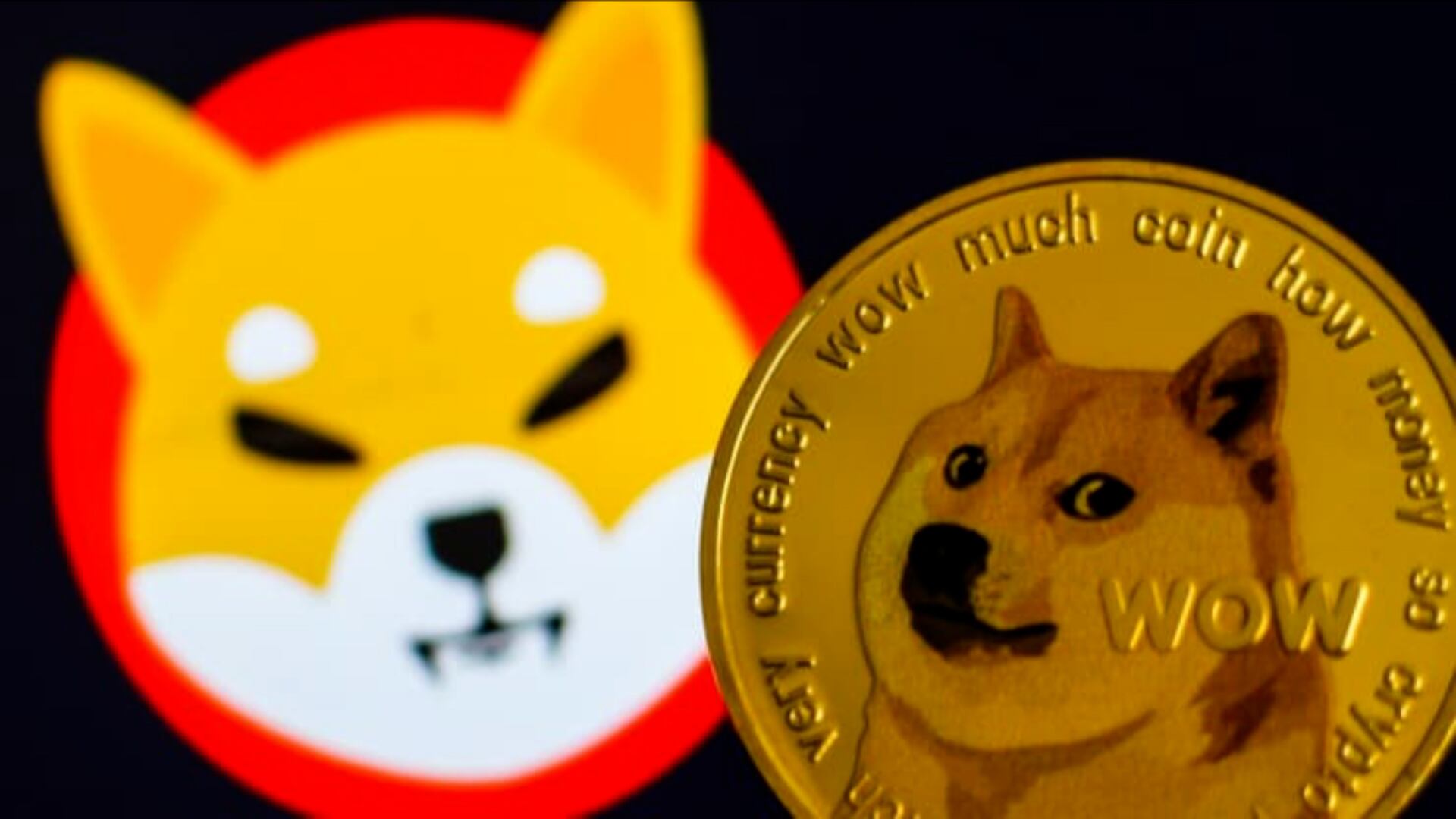
Tonya Evans, professor at Penn State Dickinson Law, joined Cheddar to talk about the meme coin war flaring up between the Shiba Inu and Dogecoin tokens. She noted that one of the most fascinating takeaways from the crypto craze is the "power of community" being able to manipulate market prices. Evans also talked about the rising number of coins coming to market and how to assess if they are worth investing in.
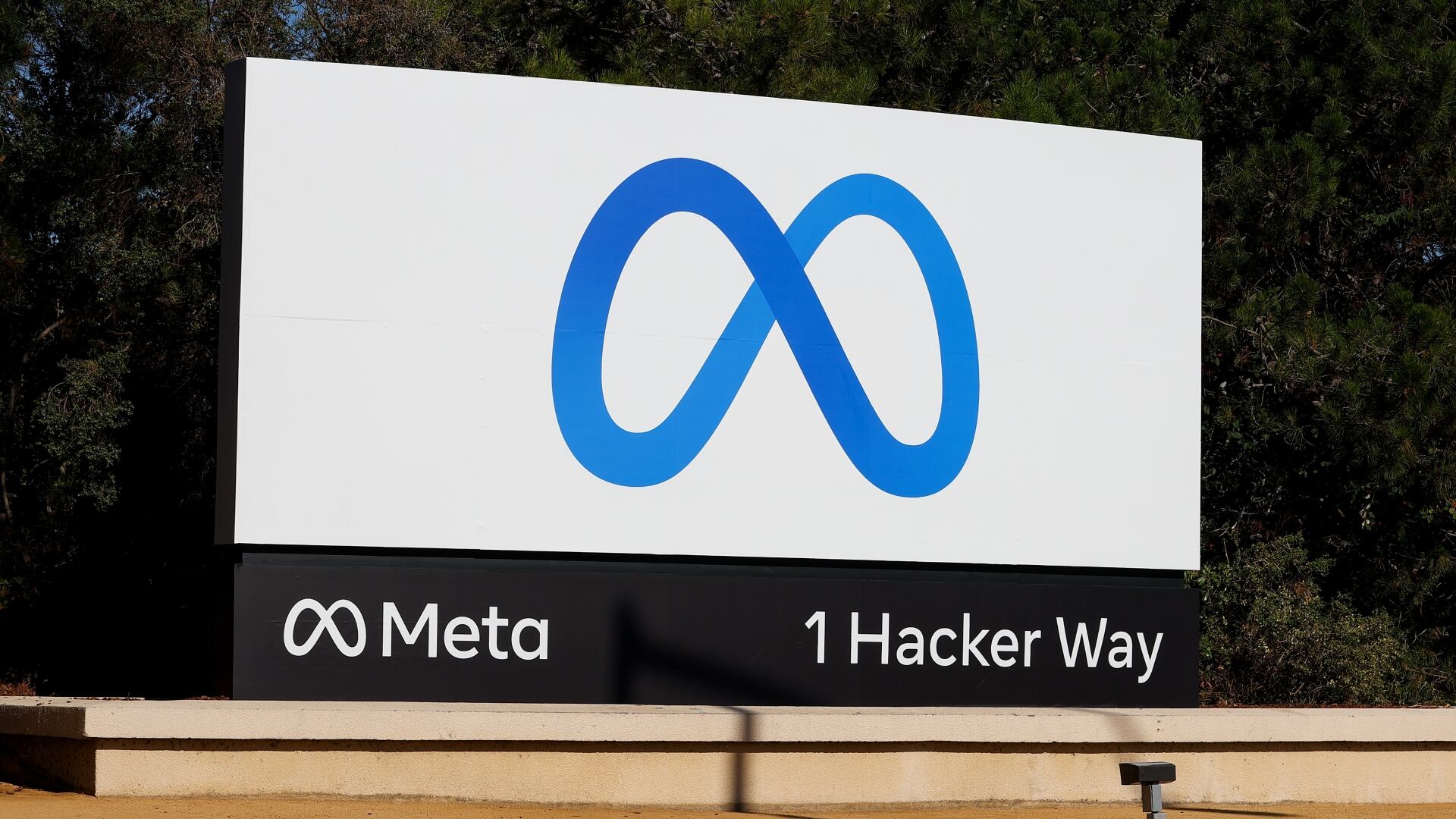
Social media giant 'Facebook' has rebranded itself as 'Meta' in a move that has many talking about the motive behind the timing of the announcement as the company finds itself getting negative press almost daily. Editor In Chief of Investopedia Caleb Silver breaks down the change and how the vision of Meta and the Metaverse could change the future.
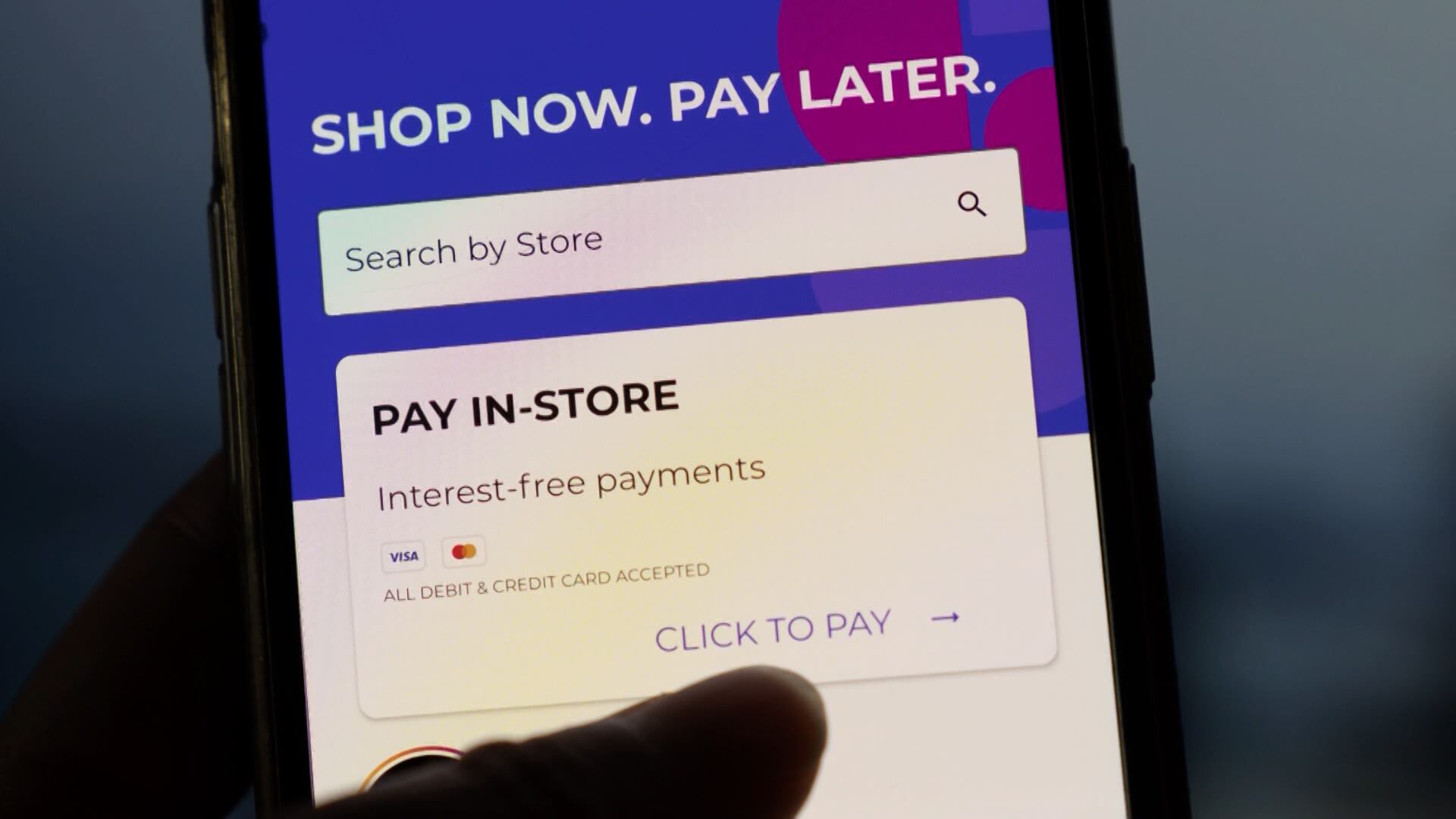
Third quarter Shopify earnings fell below expectations in both revenue and earnings per share. Though the e-commerce retailer has seen growth in partnerships with Target and Spotify, as well as adoption of a buy now, pay later payment option, Hatem Dhiab, Managing Partner at Gerber Kawasaki explains the impact that ongoing supply chain issues have had on Shopify's bottom line.
Alphabet reported an earnings beat on the top and bottom lines, proving to be immune to Apple's privacy policy changes and the supply chain shortages. Cheddar News was joined by Martin Garner, COO of CCS Insight to dive into the numbers and the future of Google.
Carlo and Baker cover Facebook's big rebrand, the latest on Biden's economic agenda and more. Plus, ranking the best Halloween candy and the worst couple's costumes.
Nicola Mendelsohn, vice president of the global business group at the newly-christened Meta, joined Cheddar to discuss what went into the re-branding of Facebook's parent company. Regarding criticism that the name change might be a way for the company to deflect from news of its role in allegedly undermining child safety, growing political strife, and spreading vaccine disinformation, she noted that the process began even earlier. "Something like this takes a long time to pull together," Mendelsohn said.