As industries begin to shift away from fossil fuels, Ampaire is banking on its line of hybrid-electric airplanes to revolutionize air travel. The company recently announced its historic first flight of an existing airline route in Hawaii.
Kevin Noertker, Ampaire CEO, said not only would the environment reap the biggest benefits from a reduction of emissions, but the airline industry could also soar to new heights.
"For the airlines, the biggest impact is reduced cost of operation. Airlines care about the total cost of ownership and operation for their planes. By switching to a hybrid plane, you could reduce that fuel burn by up to 50 percent," Noertker told Cheddar.
The CEO also noted that a fully electric plane would reduce emissions by more than 90 percent.
After launching in 2016 and constructing an aircraft for the last two years, paid flights for the company are on the horizon. "We're looking at about a three-year timeline before we get certification to deploy these planes in that commercial operation," Noertker said.
While the company gears up for commercial flights, it has already been conducting demonstrations under the FAA's experimental market survey, which allows passengers and potential Ampaire customers to fly.
Last month, the company became the first to ever demonstrate a hybrid-electric flight in Maui, which went from Kahului to Hana in about 20 minutes. Like other industries, Ampaire's ability to continue developing and moving forward with test flights, particularly in Hawaii, was impacted by pandemic-related restrictions.
The hybrid-electric planes, according to Noertker, while capable of long-distance flights, are optimal for relatively short-distances. Over the next five to 10 years, however, there are plans to produce an aircraft that can hold up to 20 passengers and will fly "routes between 50 and 500 miles."
"The reality is most routes that airlines like to fly are about 100 miles," Noertker said.
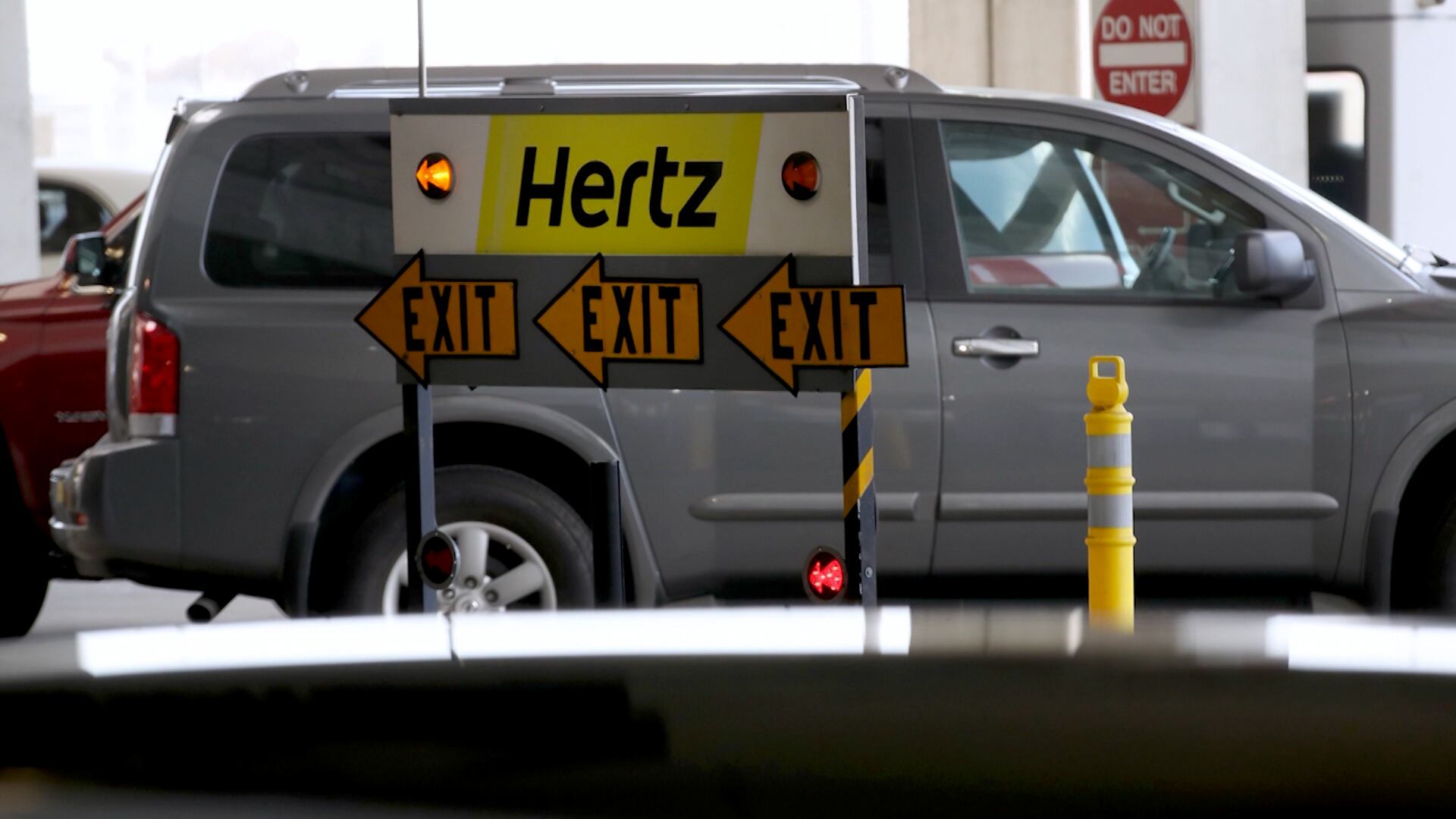
Rental car company Hertz is jumping up from OTC trading to the Nasdaq after being delisted from the NYSE and undergoing bankruptcy in 2020. Interim CEO Mark Fields and Tom Wagner, co-founder and managing member at Knighthead Capital Management, joined Cheddar's "Opening Bell" to talk about reviving the business and how it plans to navigate issues like the ongoing car shortages. Regarding the electrification of the rental fleet, Fields noted that the company is looking to partner across the EV industry outside of the announced relationship with Tesla. The company is now trading under the ticker symbol HTZ.
The U.S. economy added 531,000 jobs in the month of October, painting a better picture of the economy that analysts had expected. Jared Bernstein, Council of Economic Advisers Member for President Biden joined Cheddar's Opening Bell to discuss.
Facebook officially announced that it is shutting down its facial recognition software which identifies users in photos and videos. The decision comes during growing societal concerns over the use of the technology. Cathy Hackl, Tech futurist and CEO of the Futures Intelligence Group joined Cheddar's Opening Bell.
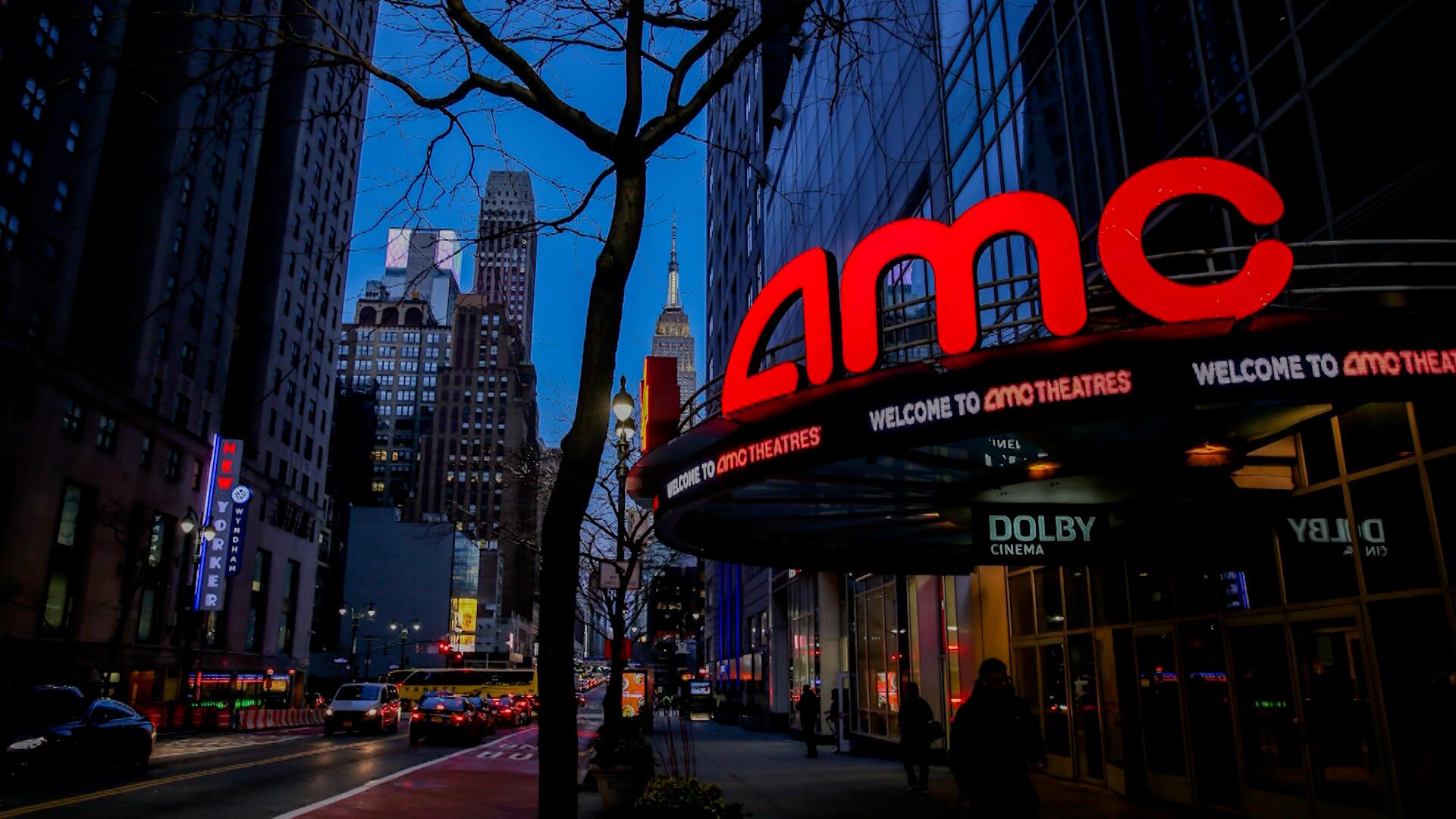
Christine Short, VP of Research at Wall Street Horizon, discusses revenue growth of the theater chain given the uptick in ticket sales and what to expect ahead of the company's Q3 earnings.
AMC entertainment has third quarter earnings after the bell November 8. The movie theater chain is expected to post a quarterly loss of $0.53 per share, with revenue at just over $717 million. This quarter last year, AMC lost $5.70 per share, after reporting revenue of $119 million. Claire Atkinson, chief media correspondent at Insider, tells Cheddar what to expect from AMC earnings and what it says about the movie theater industry's recovery from the pandemic.
Markets opened higher to kick off the week as investors continue to digest the better-than-expected jobs report, which showed 531,000 new jobs created in October. Ken Johnson, CFA, Investment Strategy Analyst joined Cheddar's Opening Bell to break down his early market insights.
Sean Kinghorn, Global Sustainability Leader at Intuit, talks about the new marketplace and the importance of the private sector spearheading world climate initiatives.
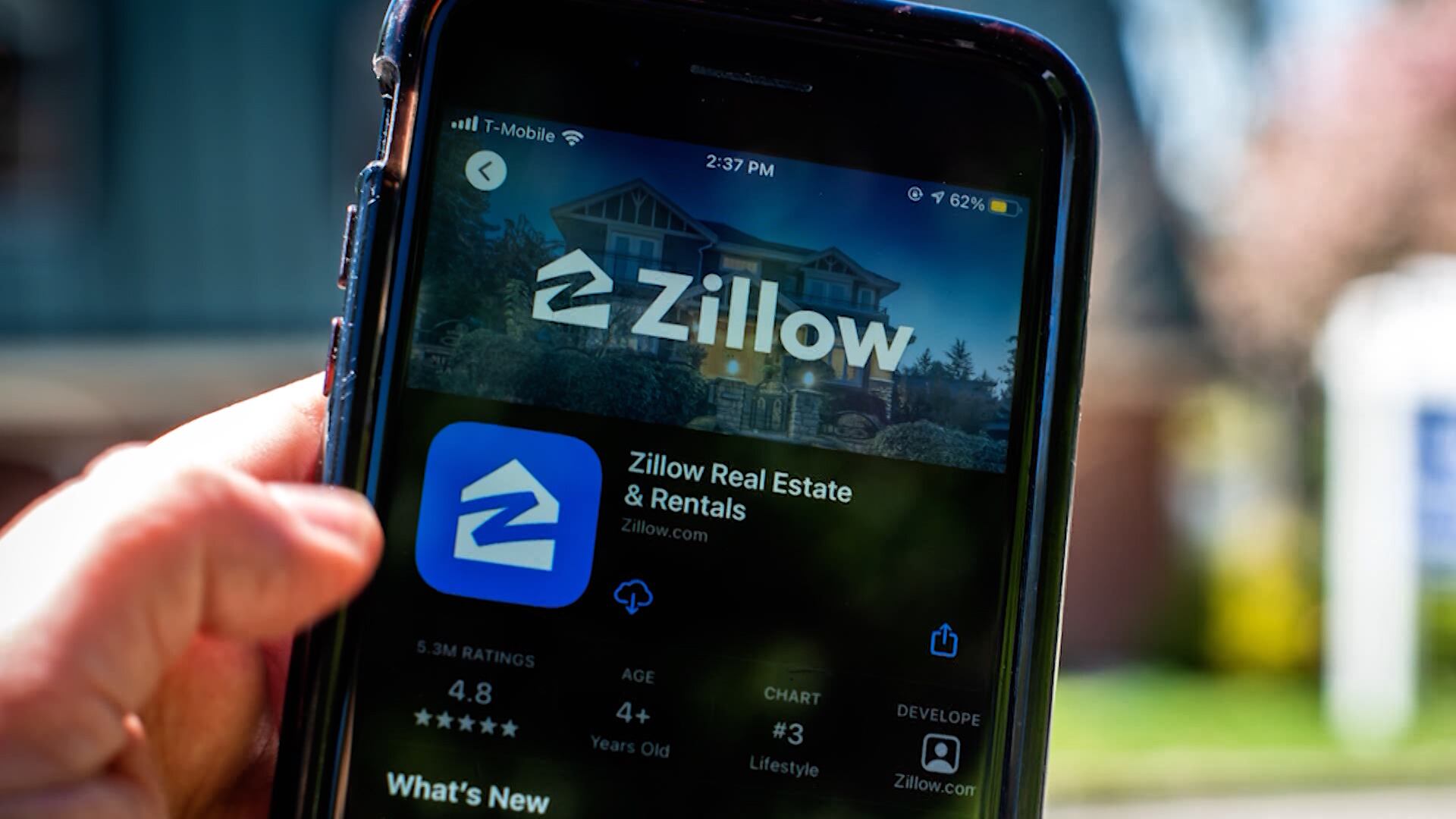
Josh Stech, Co-Founder & CEO of Sundae, discusses why Zillow would have difficulty being profitable in the home-flipping business and discusses how demand is changing within the housing market.