As industries begin to shift away from fossil fuels, Ampaire is banking on its line of hybrid-electric airplanes to revolutionize air travel. The company recently announced its historic first flight of an existing airline route in Hawaii.
Kevin Noertker, Ampaire CEO, said not only would the environment reap the biggest benefits from a reduction of emissions, but the airline industry could also soar to new heights.
"For the airlines, the biggest impact is reduced cost of operation. Airlines care about the total cost of ownership and operation for their planes. By switching to a hybrid plane, you could reduce that fuel burn by up to 50 percent," Noertker told Cheddar.
The CEO also noted that a fully electric plane would reduce emissions by more than 90 percent.
After launching in 2016 and constructing an aircraft for the last two years, paid flights for the company are on the horizon. "We're looking at about a three-year timeline before we get certification to deploy these planes in that commercial operation," Noertker said.
While the company gears up for commercial flights, it has already been conducting demonstrations under the FAA's experimental market survey, which allows passengers and potential Ampaire customers to fly.
Last month, the company became the first to ever demonstrate a hybrid-electric flight in Maui, which went from Kahului to Hana in about 20 minutes. Like other industries, Ampaire's ability to continue developing and moving forward with test flights, particularly in Hawaii, was impacted by pandemic-related restrictions.
The hybrid-electric planes, according to Noertker, while capable of long-distance flights, are optimal for relatively short-distances. Over the next five to 10 years, however, there are plans to produce an aircraft that can hold up to 20 passengers and will fly "routes between 50 and 500 miles."
"The reality is most routes that airlines like to fly are about 100 miles," Noertker said.
Stocks closed mixed today, with the S&P 500 and the Nasdaq both notching record closing highs. Veronica Willis, investment strategy analyst at the Wells Fargo Investment Institute, joins Cheddar News' Closing Bell to discuss today's close, recent inflation data, rising oil prices, and more.
Jean-Denis Mariani, the chief digital officer at COTY, the parent company for major brands like Bottega Veneta, Burberry, and Kylie Skin, joined Cheddar to talk about the impact of the pandemic on the beauty industry and the rapid shift to e-commerce sales. "There is no digital strategy anymore, only strategy in a digital world," he said. Mariani also talked about personalized makeup selection for consumers as the beauty sector begins to incorporate technology like artificial intelligence.
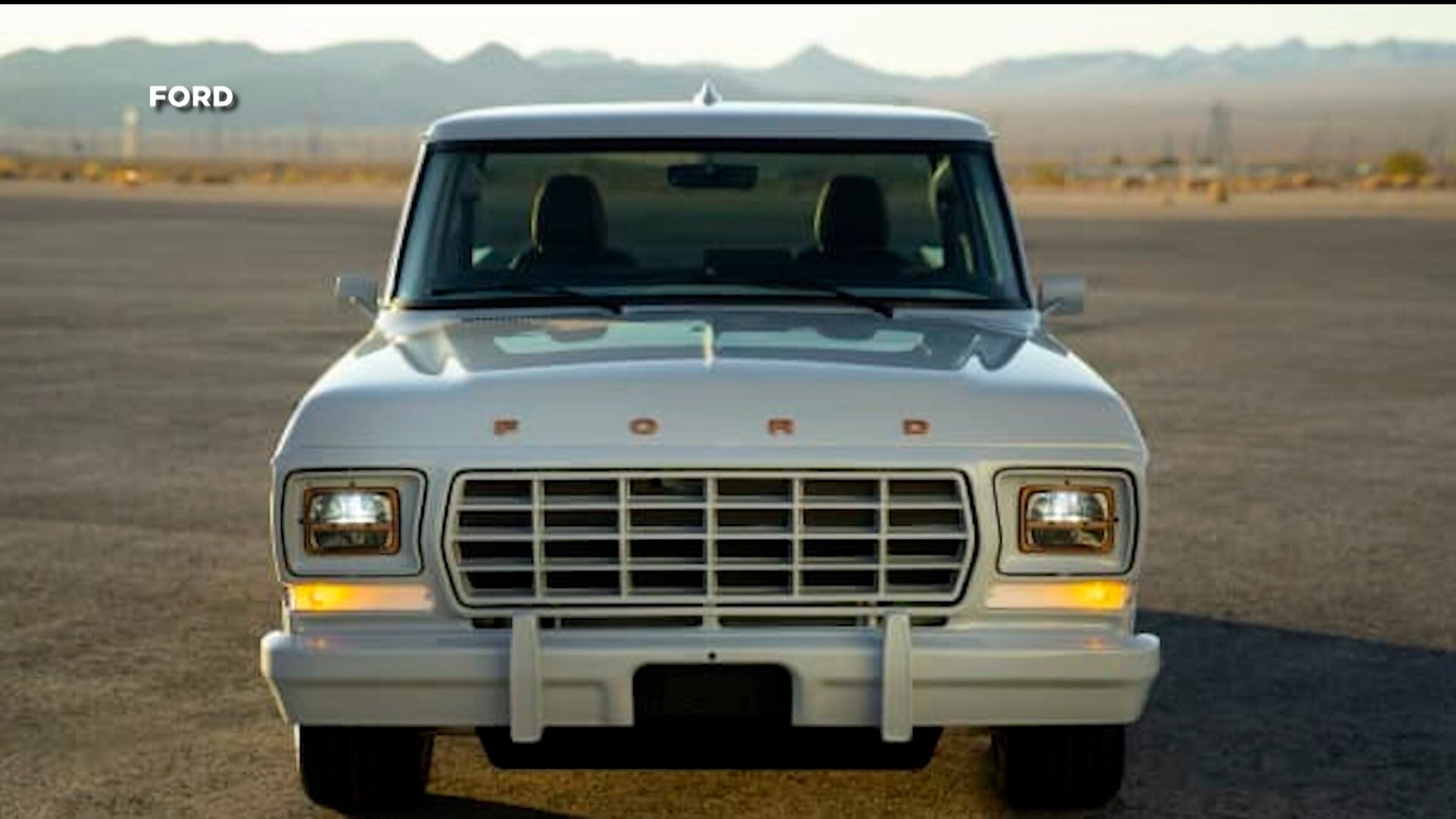
Amid an ongoing global semiconductor chip shortage, American automaker Ford has decided to open up supply chains of its own. Karl Brauer, an executive analyst at iSeeCars.com, joined Cheddar to discuss Ford's new partnership with multinational semiconductor maker GlobalFoundries to build those chips domestically. Brauer praised Ford for the move both for ongoing supply woes and the future of automobile manufacturing. "It's not just the supply chain," he said. "It's not just about getting chips, but maybe getting chips that are more customized and specific to your needs."
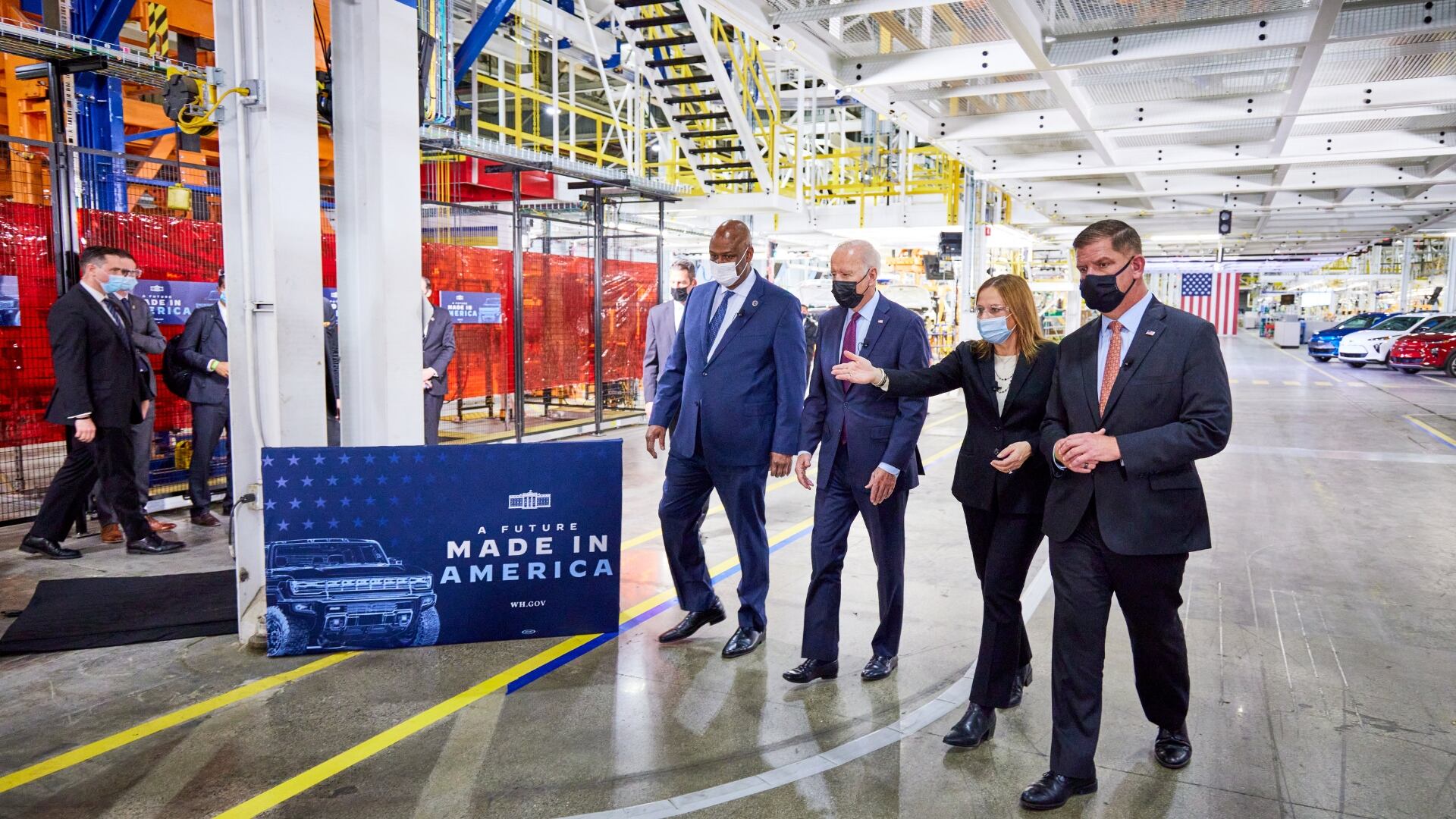
Gerald Johnson, Executive VP, Global Manufacturing and Sustainability at General Motors, joins Cheddar News to break down what Factory ZERO signifies for GM's all-electric future and why the auto manufacturer will be a leader in the growing EV industry.
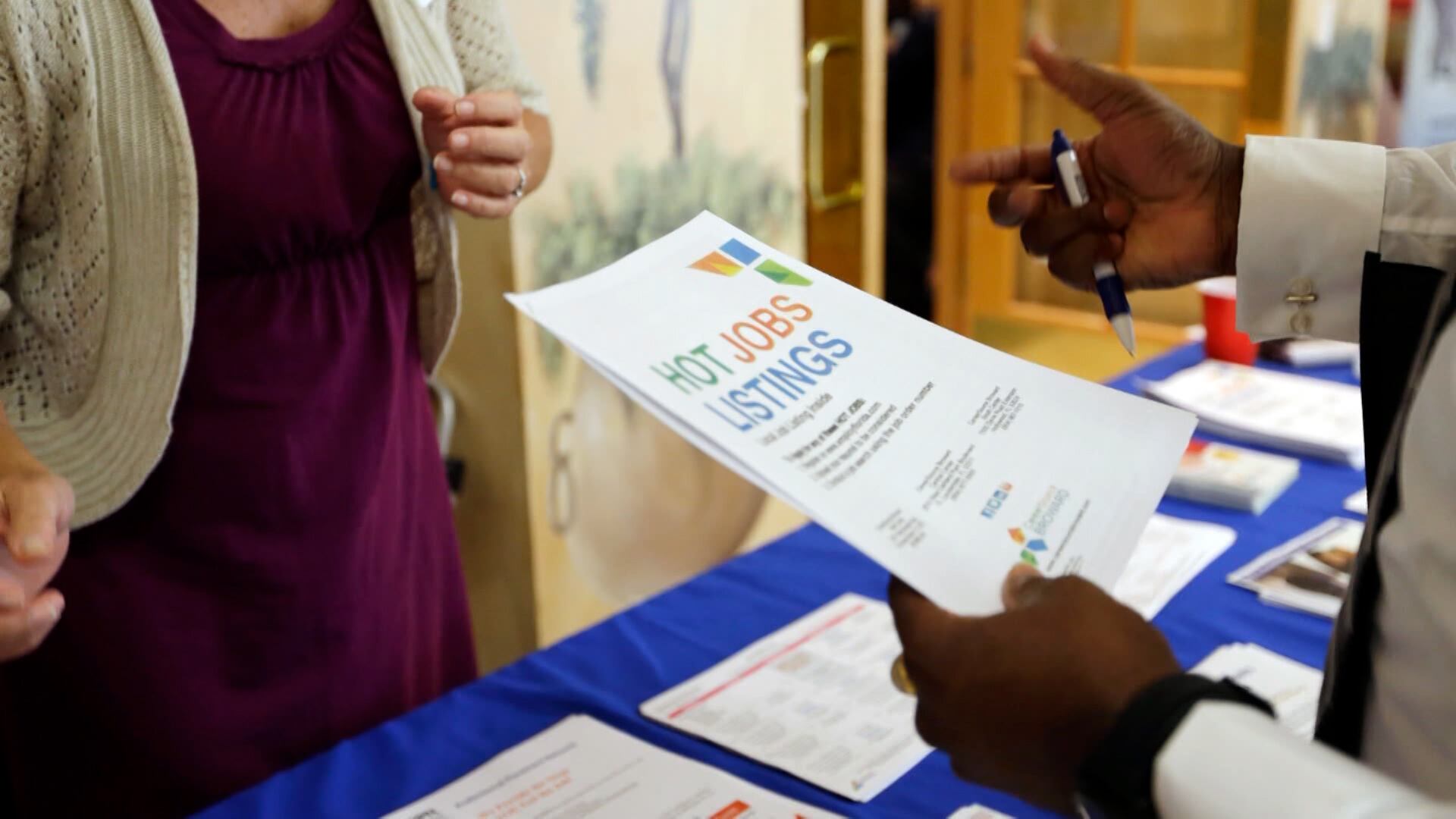
According to the U.S. Labor Department, a record 4.4-million people quit their job in September, with data showing there are seven unemployed workers for every ten job openings.
However, Americans aren't just quitting their jobs for more suitable ones, many are embracing their entrepreneurial side, leaving to start their own business. Dick Schulze, founder of Best Buy joined Cheddar's Opening Bell to discuss.
Airlines are gearing up for a busy winter season as they continue to rebound from the pandemic. But jet fuel prices combined with the ongoing labor shortage could put a damper on those holiday gains. Christian Vernet, president of La Compagnie, the only all business class airline in the world, joined Cheddar for an update on the state of the airline industry and how it's dealing with the surge in demand after the U.S. reopened its border to international visitors.
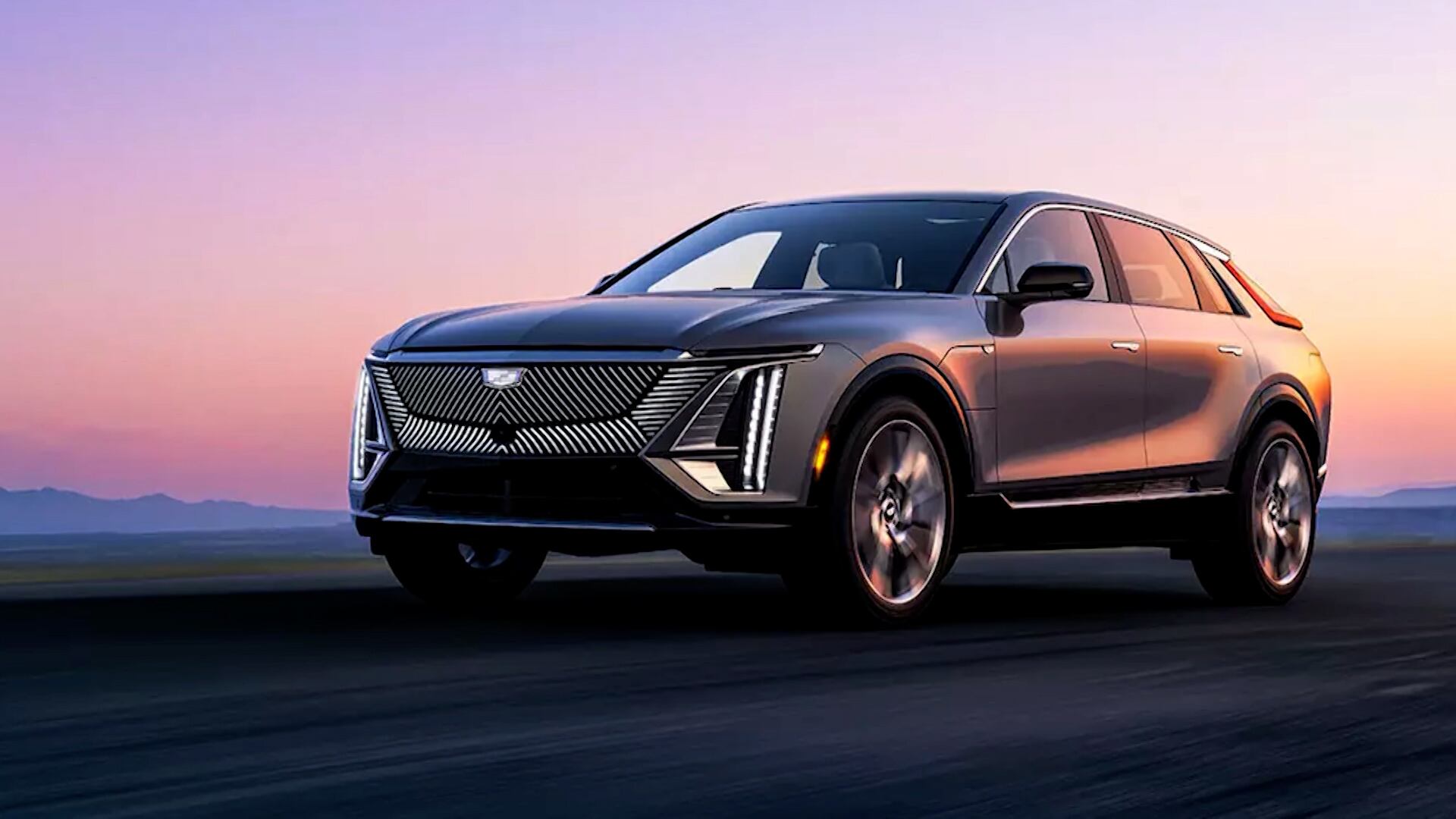
Cadillac is launching its first ever all-electric vehicle. The 2023 Lyriq boasts an estimated 300 mile range, $60,000 dollar starting price, a 33-inch advanced LED display, among many other features. The rollout comes as Cadillac has posted record third quarter global sales and plans to become all-electric by 2030. Rory Harvey, vice president of Cadillac, joined Cheddar to discuss what drivers can expect from the Lyriq, and how the brand has been able to deal with the ongoing chip shortage.
Octavio Marenzi, Founder & CEO of Opimas, discusses how labor participation is directly correlated with wage pressures and why supply chain issues are having little effect on earnings from the retail sector.
Philip Palumbo, Founder, CEO & Chief Investment Officer of Palumbo Wealth Management, discusses why wage pressure could impact earnings going forward and talks about the valuation mismatch within the tech sector.
Adam Coons, Portfolio Manager at Winthrop Capital Management, explains why supply chain constraints are the biggest risk to markets and which sectors are poised to outperform if interest rates rise.