As industries begin to shift away from fossil fuels, Ampaire is banking on its line of hybrid-electric airplanes to revolutionize air travel. The company recently announced its historic first flight of an existing airline route in Hawaii.
Kevin Noertker, Ampaire CEO, said not only would the environment reap the biggest benefits from a reduction of emissions, but the airline industry could also soar to new heights.
"For the airlines, the biggest impact is reduced cost of operation. Airlines care about the total cost of ownership and operation for their planes. By switching to a hybrid plane, you could reduce that fuel burn by up to 50 percent," Noertker told Cheddar.
The CEO also noted that a fully electric plane would reduce emissions by more than 90 percent.
After launching in 2016 and constructing an aircraft for the last two years, paid flights for the company are on the horizon. "We're looking at about a three-year timeline before we get certification to deploy these planes in that commercial operation," Noertker said.
While the company gears up for commercial flights, it has already been conducting demonstrations under the FAA's experimental market survey, which allows passengers and potential Ampaire customers to fly.
Last month, the company became the first to ever demonstrate a hybrid-electric flight in Maui, which went from Kahului to Hana in about 20 minutes. Like other industries, Ampaire's ability to continue developing and moving forward with test flights, particularly in Hawaii, was impacted by pandemic-related restrictions.
The hybrid-electric planes, according to Noertker, while capable of long-distance flights, are optimal for relatively short-distances. Over the next five to 10 years, however, there are plans to produce an aircraft that can hold up to 20 passengers and will fly "routes between 50 and 500 miles."
"The reality is most routes that airlines like to fly are about 100 miles," Noertker said.
Anthony Martini, Chief Music Officer of Slip.stream, and Jesse Korwin, CMO of Slip.stream, talk about the challenges creators have uploading music on Twitch and how 'Slip.stream' prioritizes artists by streamlining the licensing process.
Cheddar is looking back at the 12 biggest buzzwords of the year leading up to Christmas. The seventh term in the countdown is Transitory. Definition: (adjective) of brief gratification, not permanent.
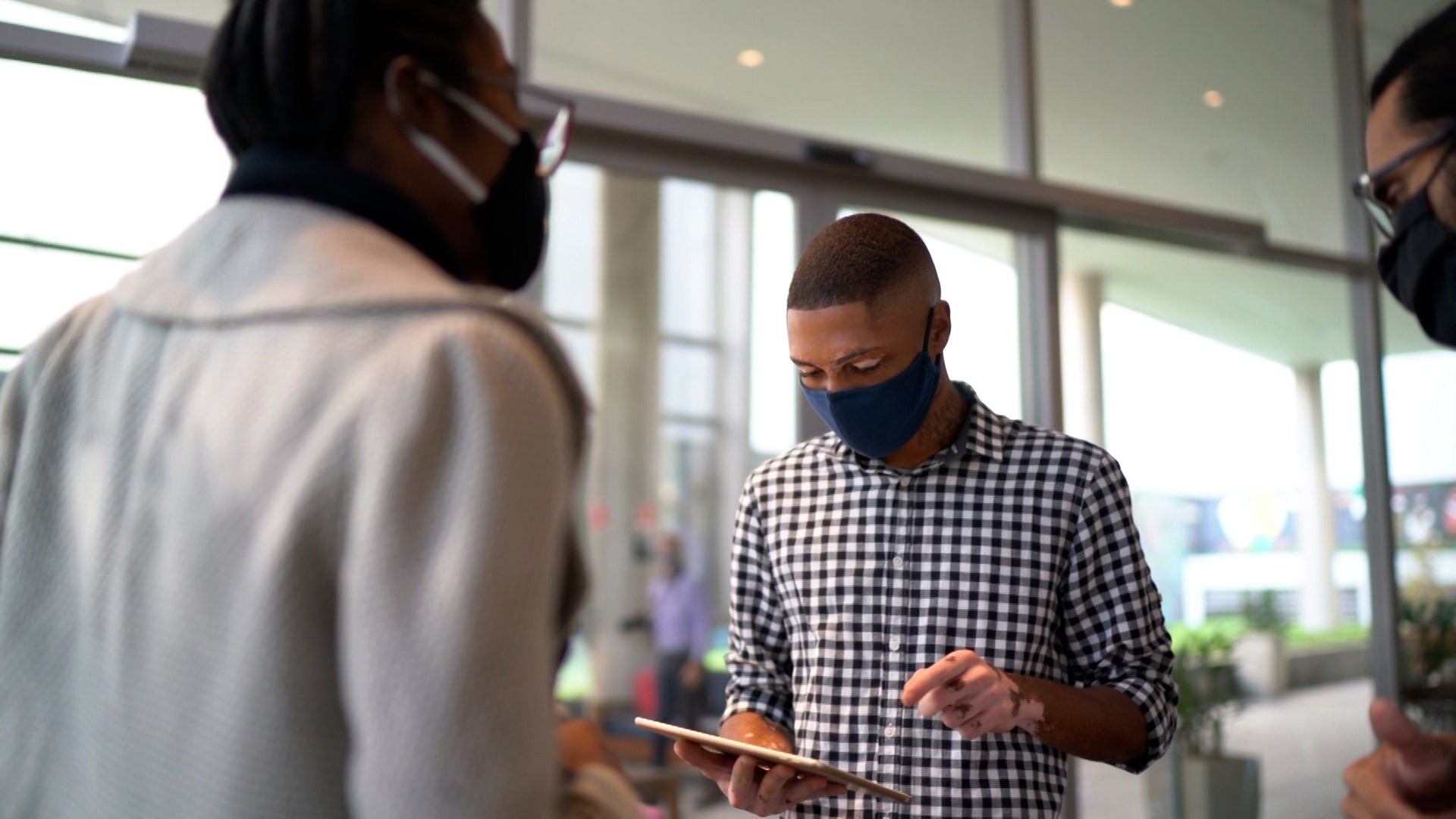
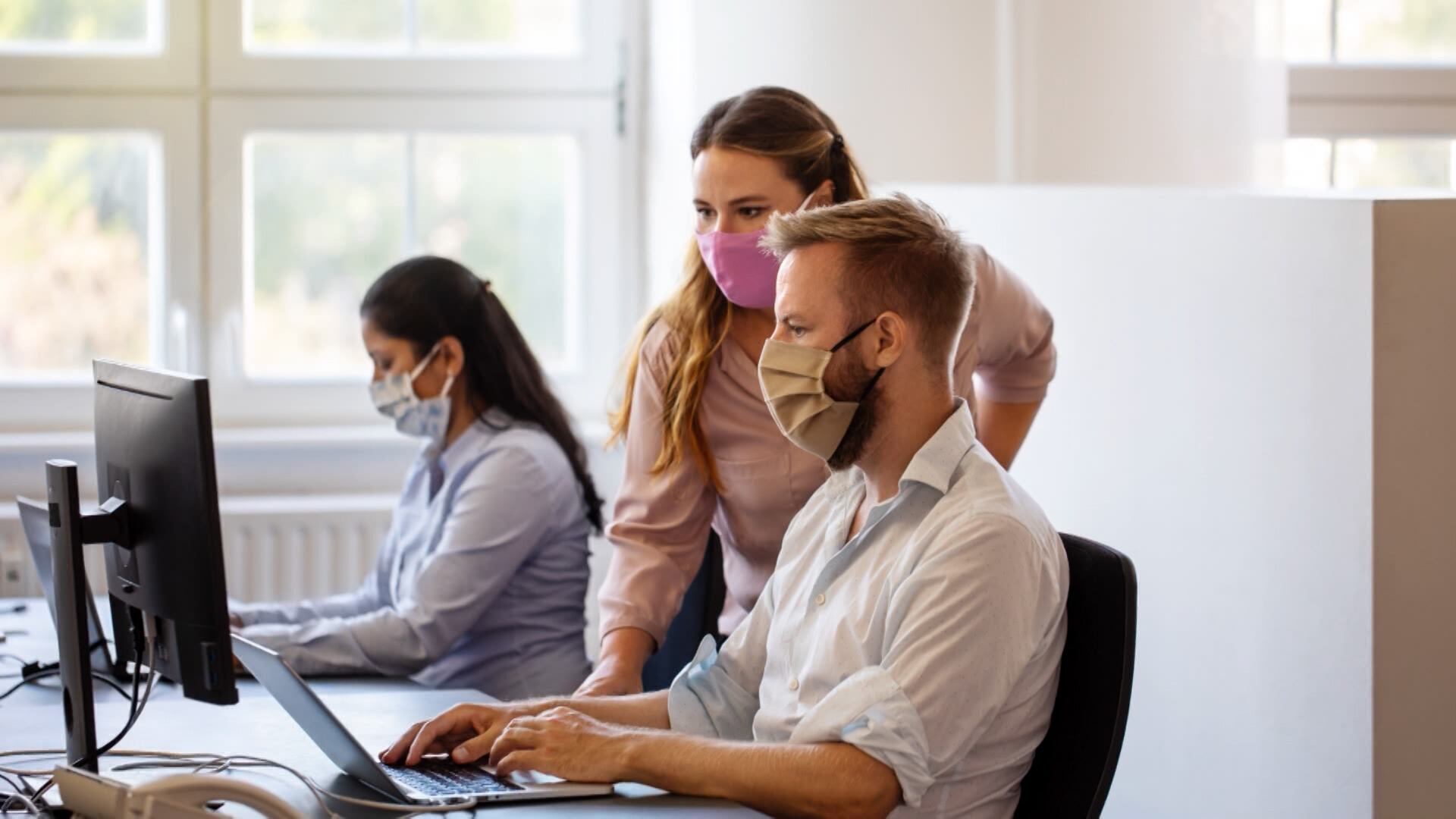
More businesses are requiring workers to return to the office, but there is concern that many employees in the middle class, especially women and people of color, need remote work options for reasons including childcare and financial security. Joan Williams, director of the Center for WorkLife Law at the University of California, joined Cheddar to discuss why office mandates could be detrimental to the middle class. She noted that while companies claim a return to offices would help foster more collaboration and efficiency, reports show that they are successfully able to do their jobs from home.
Fresh Vine Wine, a maker of low-carb, low-calorie, and gluten-free wines, made its public debut on the NYSE. Celeb do-owners Nina Dobrev and Julianne Hough, alongside CEO Janelle Anderson, joined Cheddar's Azia Celestino to talk about their partnership, the decision to launch an IPO, and tout the healthy lifestyle market their product is going for.
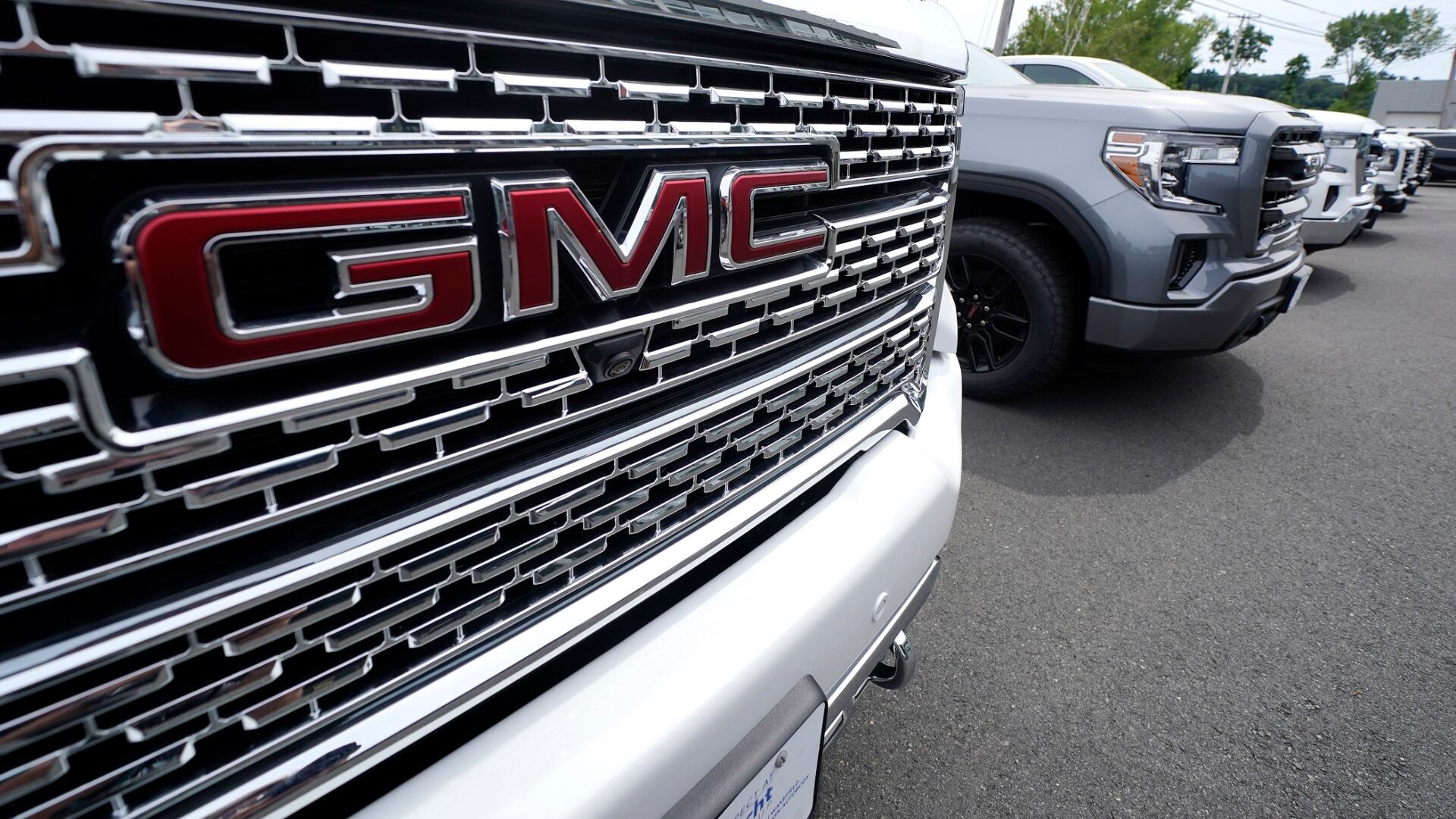
The automotive industry continues to reel as the ongoing global semiconductor chip shortage continues to cause prices to rise. Ben Preston, autos reporter for Consumer Reports, joined Cheddar to discuss the state of the car industry. "I think that right now is a terrible time to buy a new car because dealership lots are looking a bit thin," Preston said. He noted that once manufacturers had initially halted production due to the pandemic, chip companies shifted toward providing service to tech companies, leading to supply constraints as every new car built needs about 30 to 100 chips in its construction.
Erica Pandey, business reporter at Axios joins Cheddar News to discuss if companies should give up on trying to bring employees back to work in-person.