*By: Madison Alworth*
AMC Theaters rolled out its MoviePass competitor Tuesday, dealing another blow to a company that's been hemorrhaging money and trying one strategy after another to stay afloat.
"MoviePass's business model is fundamentally an unprofitable one," said Rob Marvin, associate features editor of PCMag.com, in an interview with Cheddar last week. "They are subsidizing movie tickets for millions of people."
[The company, owned by data firm Helios & Matheson, charges customers $10 a month and allows them to see, essentially, a movie a day.](https://cheddar.com/videos/amcs-latest-blow-to-moviepass-goes-live) AMC's Stubs A-List, by contrast, charges twice as much per month and lets users see up to 3 movies a week. MoviePass's model has been criticized as unsustainable and the business lost $150 million last year.
To reverse those fortunes, the service has made various changes. Earlier this year it faced backlash for seeming to end its unlimited movie offer and last week announced that it will introduce a kind of surge pricing, charging users more to see popular movies at high-demand times.
In an attempt to sweeten the bad news, MoviePass said members will be able to "Bring-A-Guest" and buy one extra ticket directly on the MoviePass app. And members will be able to see IMAX and 3D movies for an additional fee.
The struggles highlight the fear among many users that MoviePass's offer may be too good to be true.
"As a MoviePass user myself, it's been great," Marvin said. "I hope I'm wrong, but I don't think this is going to last forever. We're just riding this out for as long as we can go."
For the full segment, [click here.](https://cheddar.com/videos/moviepass-will-cost-you-more)
Guitarist Ian Neville and Martin Shore, director of 'Take Me to the River: New Orleans,' join Cheddar News to discuss their new film and the importance of New Orleans music.
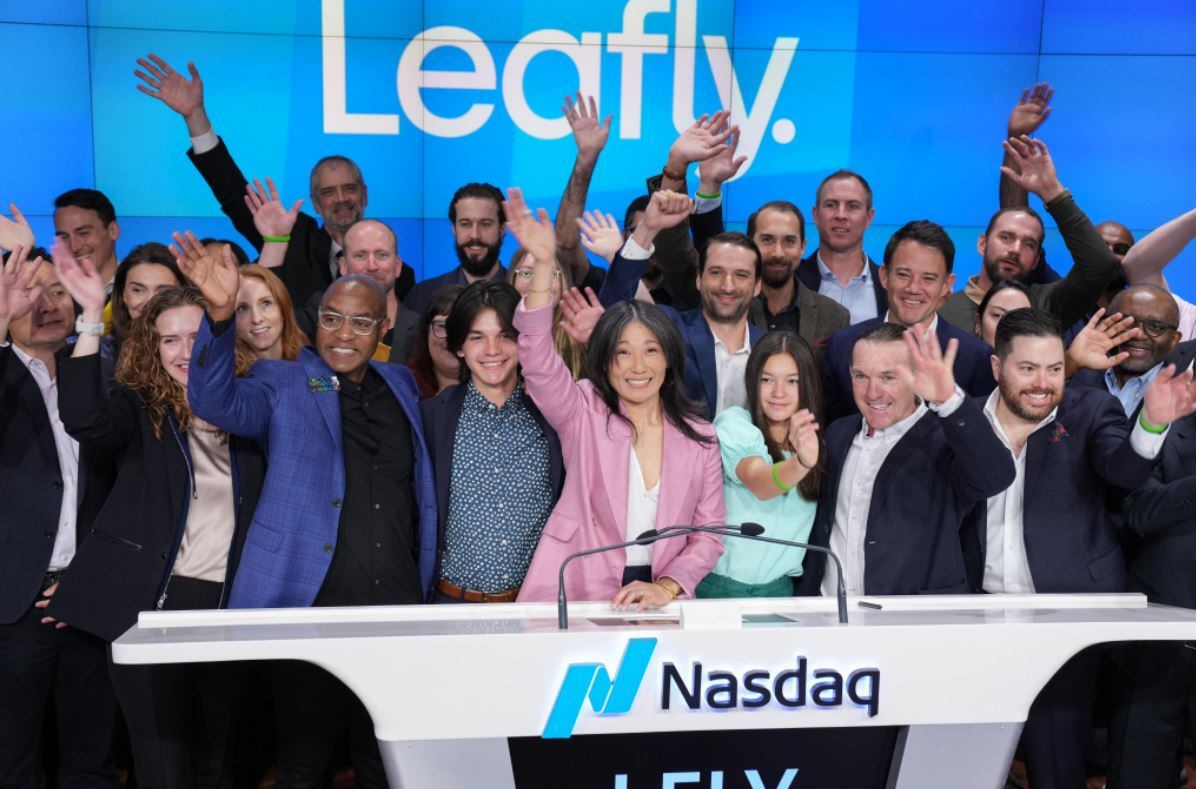
Fresh off of ringing the opening bell on the Nasdaq on the marijuana holiday, 4/20, Yoko Miyashita, CEO of cannabis website Leafly, joined Cheddar News to discuss the future of cannabis in the U.S. and the growth of her company going forward. "I think this is a new a new high, pardon the pun, but really elevating 4/20 from what used to be sort of an insider cultural moment to something that we're recognizing across the industry, really memorials the impact that this industry has," she said.
Model, actor, and deaf activist Nyle DiMarco, along with interpreter Greyson Van Pelt, joined Cheddar News to talk about his new book "Deaf Utopia" and deaf representation in Hollywood. DiMarco gave a glimpse into what his book focuses on. "I've always felt like audiences think that they know me well, but there are so many other stories that really make me who I am. And I'm excited to share those," he said. DiMarco also hoped he was able to capture in its pages the centuries of oppression that have been faced by the deaf community.
Marijuana legalization has spread across the country in recent years, and the number of Americans in support of legalization is at an all-time high. Andrew Bowden, CEO of the premium cannabis brand Item 9 Labs, joined Cheddar to break down the inner workings of the industry and how the industry can grow from here.
Home builder confidence has fallen to a seven-month low as surging mortgage rates and supply chain issues boost housing costs. At the same time, demand for homes is strong, with homebuilding unexpectedly rising in March, despite rising mortgage rates. But, as the Fed raises interest rates, some analysts are pointing to signs of cooling in the housing market. Tim Rood, Managing Director of SitusAMC, breaks down the latest data and what it signals about the housing market.
While rising wages might be positively impacting workers, inflation continues to rear its ugly head. Will pay increases be able to keep up with the costs of living? Mark Hamrick, a senior economic analyst at Bankrate.com, joined Cheddar News to talk about how the American worker is contending with inflation. "I'm a little skeptical whether wages are going to keep that pace that some are fearful about," he said. "We don't have a historical record that makes that case, and we think about how through the last economic recovery that we had before the pandemic really began to take hold in March and April of 2020 wage growth was really sort of the last part of that chapter."