Amazon said Tuesday that it will stop testing jobseekers for marijuana.
The company, the second-largest private employer in the U.S. behind Walmart, is making the change as states legalize cannabis or introduce laws banning employers from testing for it.
In March, a New York man sued Amazon, saying the company rescinded his job offer at an Amazon warehouse because he tested positive for marijuana, even though the city banned employers from testing job applicants for cannabis in 2020.
Amazon said in a blog post that it will still test workers for other drugs and conduct “impairment checks” on the job. And the company said some roles may still require a cannabis test in line with Department of Transportation regulations.
Seattle-based Amazon also said Tuesday that it will support the federal legalization of marijuana by pushing lawmakers to pass the Marijuana Opportunity Reinvestment and Expungement Act of 2021.
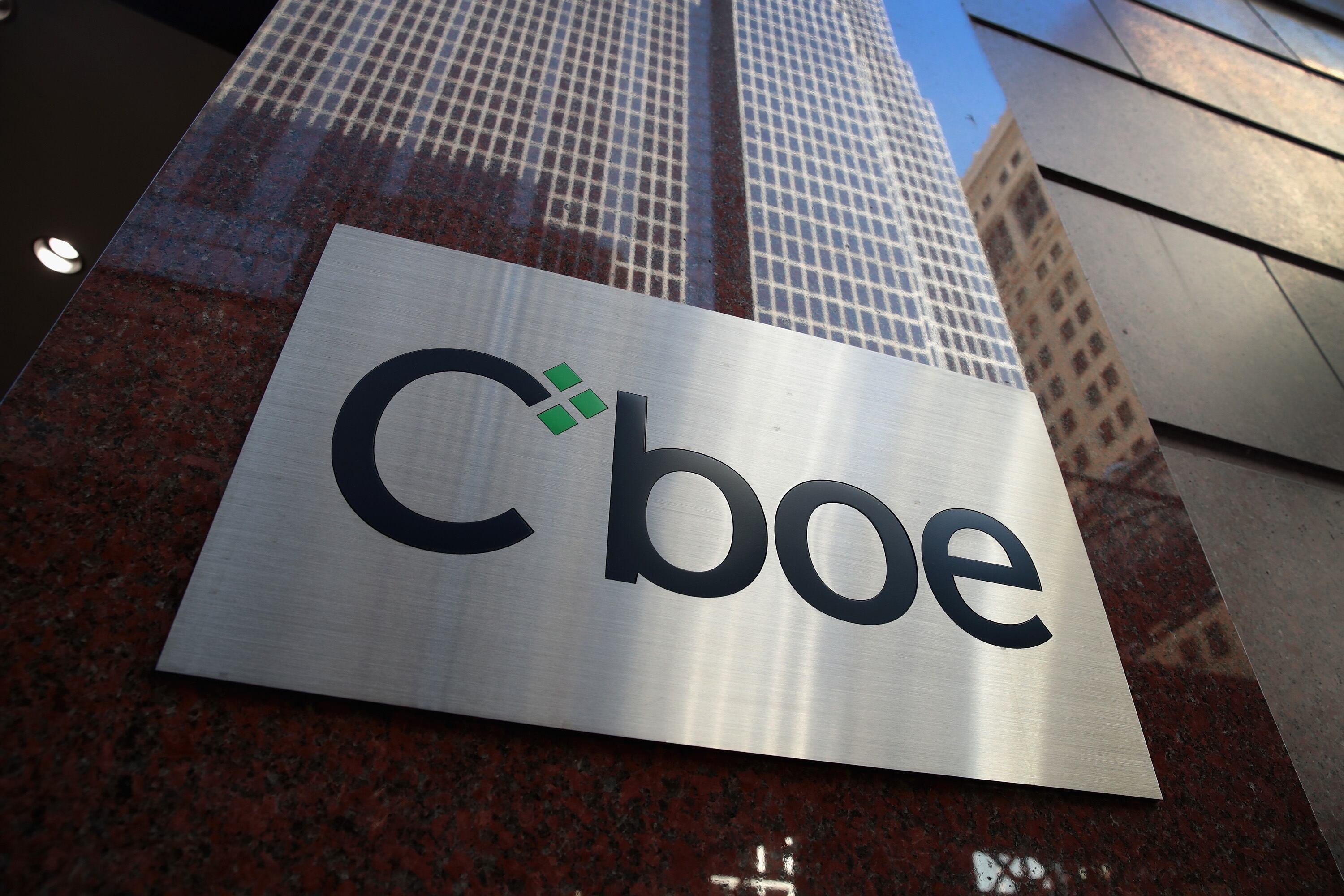
Cheddar News' Courtney Sturgeon reports live from the options trading floor on the 50th annivesrary of Cboe to break down the global impact of the U.S. options industry, and an outlook on the options market.
A new survey from the National Council for Mental Wellbeing shows that four in five behavioral health workers were concerned that labor shortages in their field “negatively impact society as a whole.”
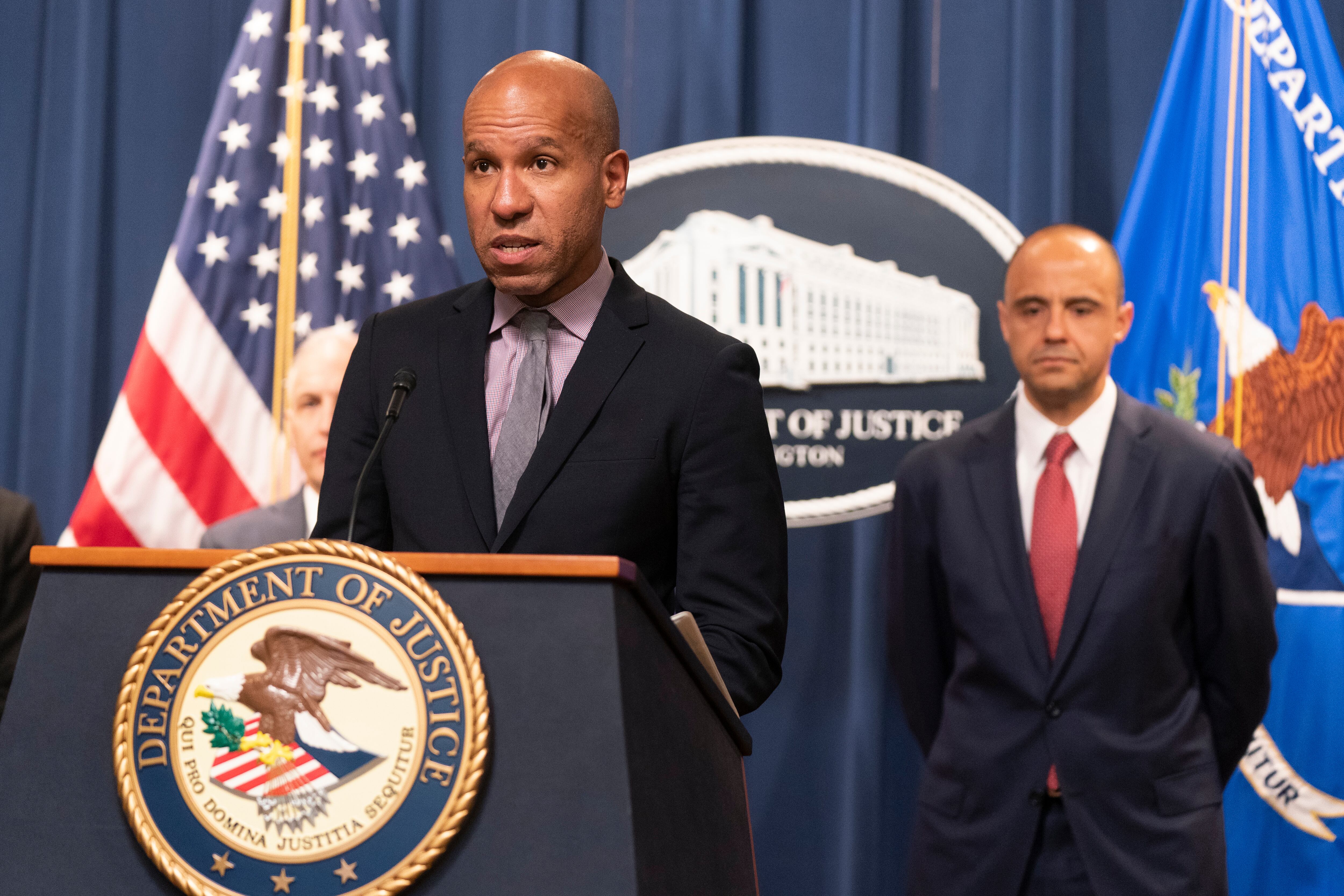
A British tobacco company has agreed to pay more than $629 million to settle allegations that it did illegal business with North Korea in violation of U.S. sanctions, the Justice Department said Tuesday.
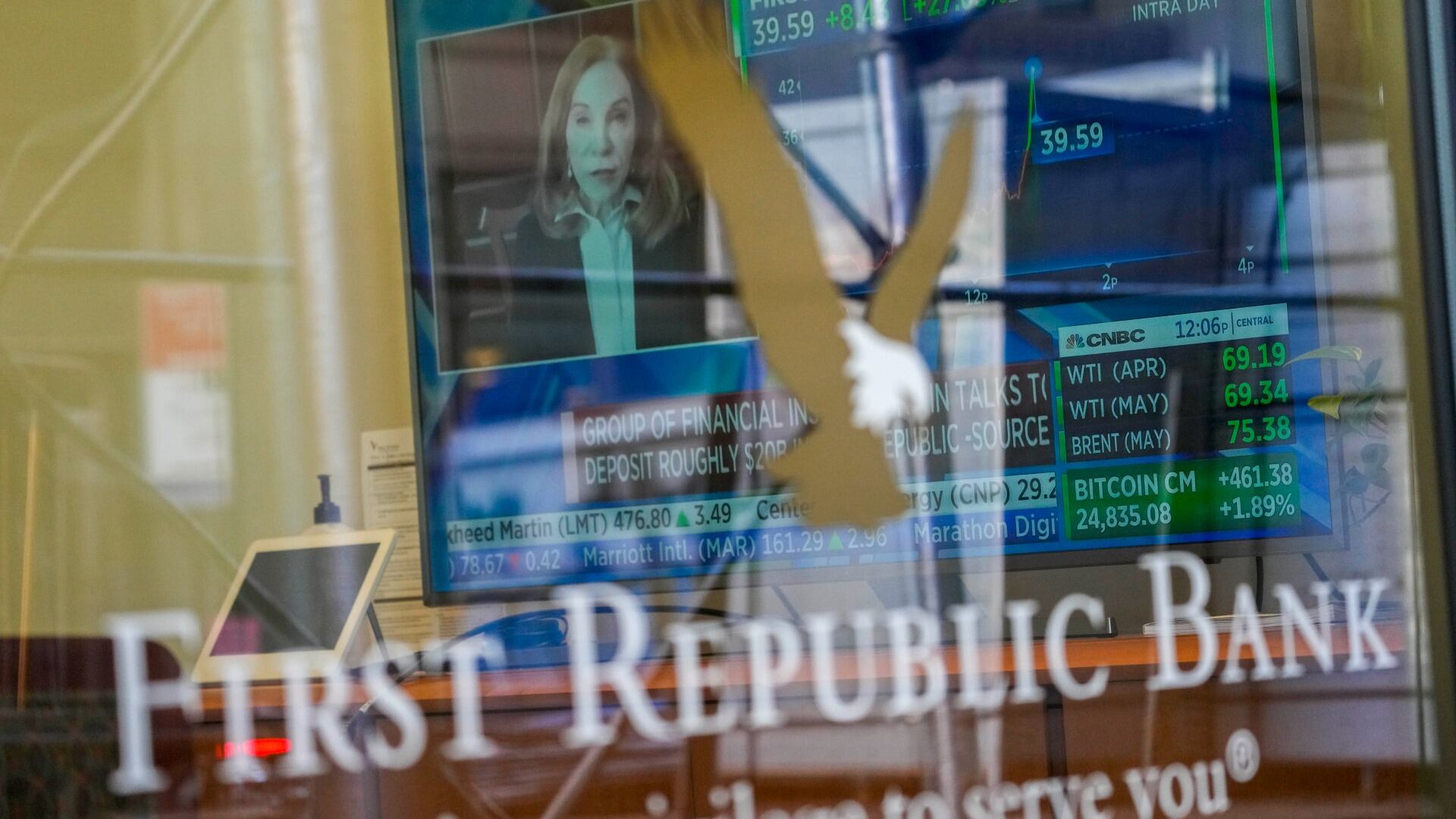
First Republic Bank's stock plunged Tuesday after it said depositors withdrew more than $100 billion during last month’s crisis, with fears swirling that it could be the third bank to fail after the collapse of Silicon Valley Bank and Signature Bank.
Strong U.S. sales helped General Motors increase its first-quarter net profit 19% over a year ago, leading the company to raise its full-year earnings guidance on expectations that people will keep buying new vehicles.
British regulators have blocked Microsoft’s $69 billion deal to buy video game maker Activision Blizzard over worries that it would stifle competition in the cloud gaming market.