Amazon said Tuesday that it will stop testing jobseekers for marijuana.
The company, the second-largest private employer in the U.S. behind Walmart, is making the change as states legalize cannabis or introduce laws banning employers from testing for it.
In March, a New York man sued Amazon, saying the company rescinded his job offer at an Amazon warehouse because he tested positive for marijuana, even though the city banned employers from testing job applicants for cannabis in 2020.
Amazon said in a blog post that it will still test workers for other drugs and conduct “impairment checks” on the job. And the company said some roles may still require a cannabis test in line with Department of Transportation regulations.
Seattle-based Amazon also said Tuesday that it will support the federal legalization of marijuana by pushing lawmakers to pass the Marijuana Opportunity Reinvestment and Expungement Act of 2021.
If you're shopping on Amazon and want to save even more money after Prime Day, Cheddar News has got you covered. Senior reporter Michelle Castillo talked to the experts at the company to find out how you can keep an eye on deals and even get cash back on your household purchases.
Did you happen to watch the series The Bear? The show follows a struggling small business owner in Chicago who is trying to save his business. It's a story a lot of small business owners in the U.S. can relate to. To help out these struggling entrepreneurs, Cheddar News brought on an expert here to help take your company from stressful to successful.
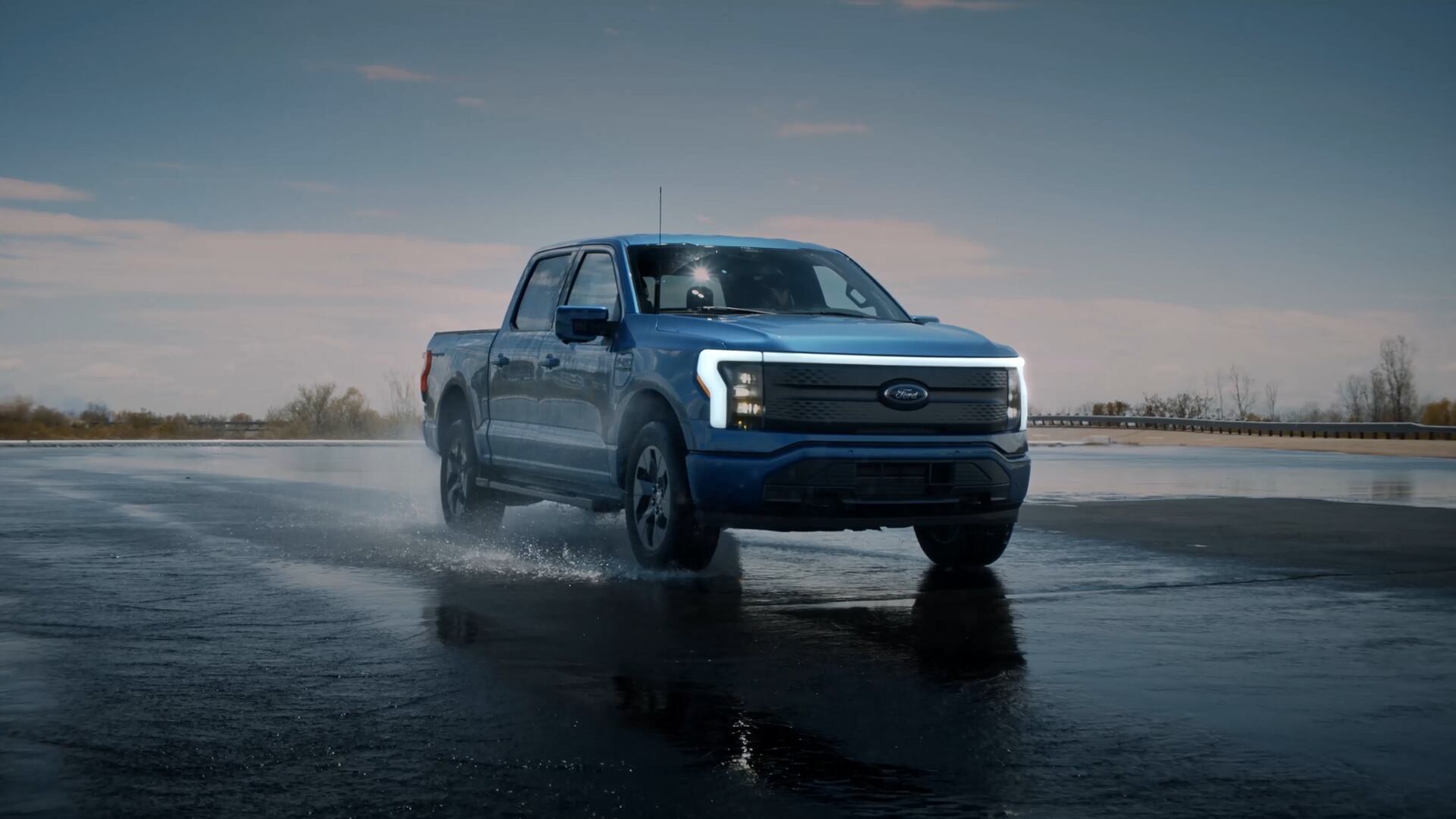
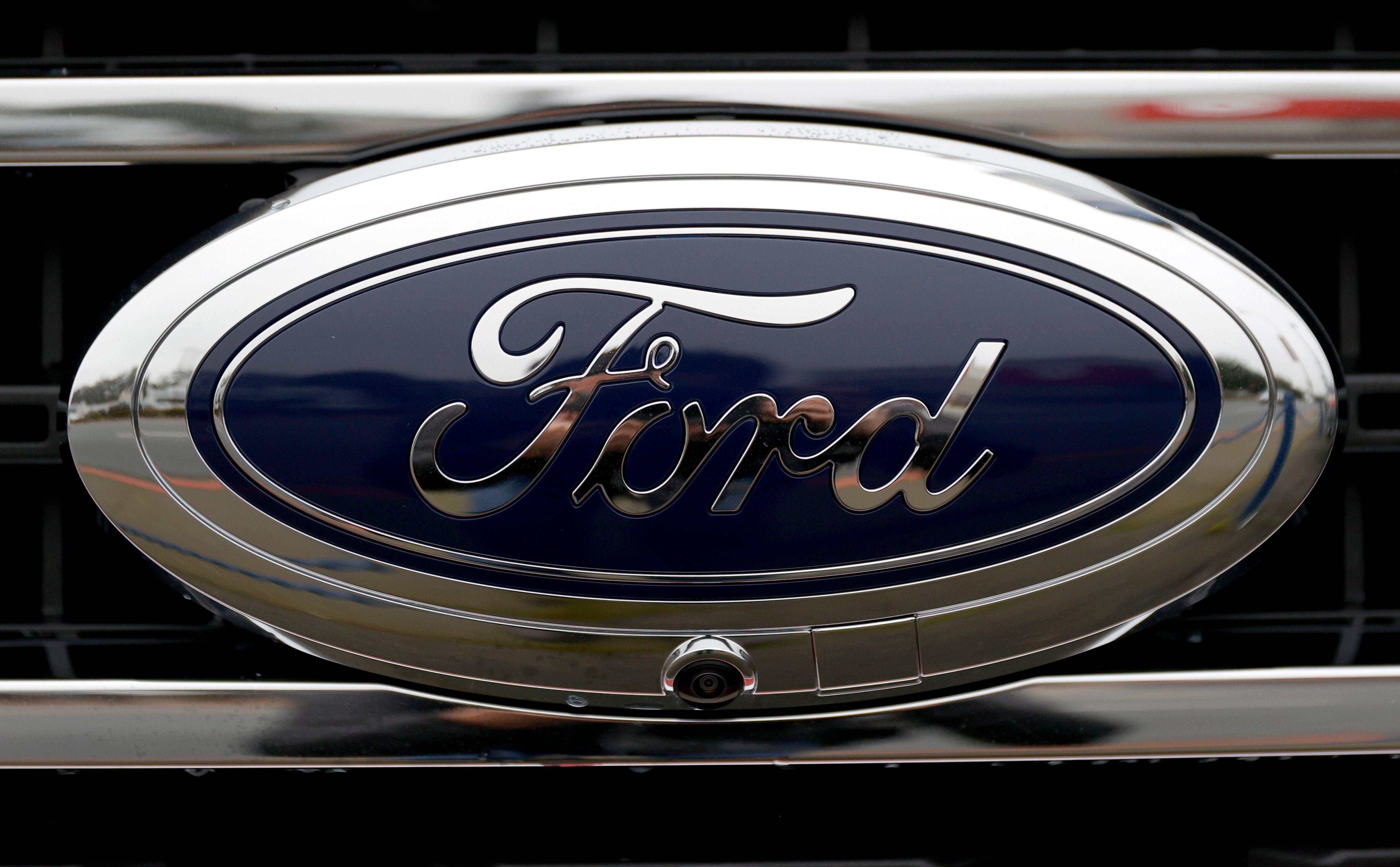
The sticker prices for Ford's F-150 Lightning electric pickup trucks are being lowered by thousands of dollars across the board, the company said Monday, due to increased plant capacity, falling costs for battery raw materials and internal efforts to scale production by the Detroit automaker.
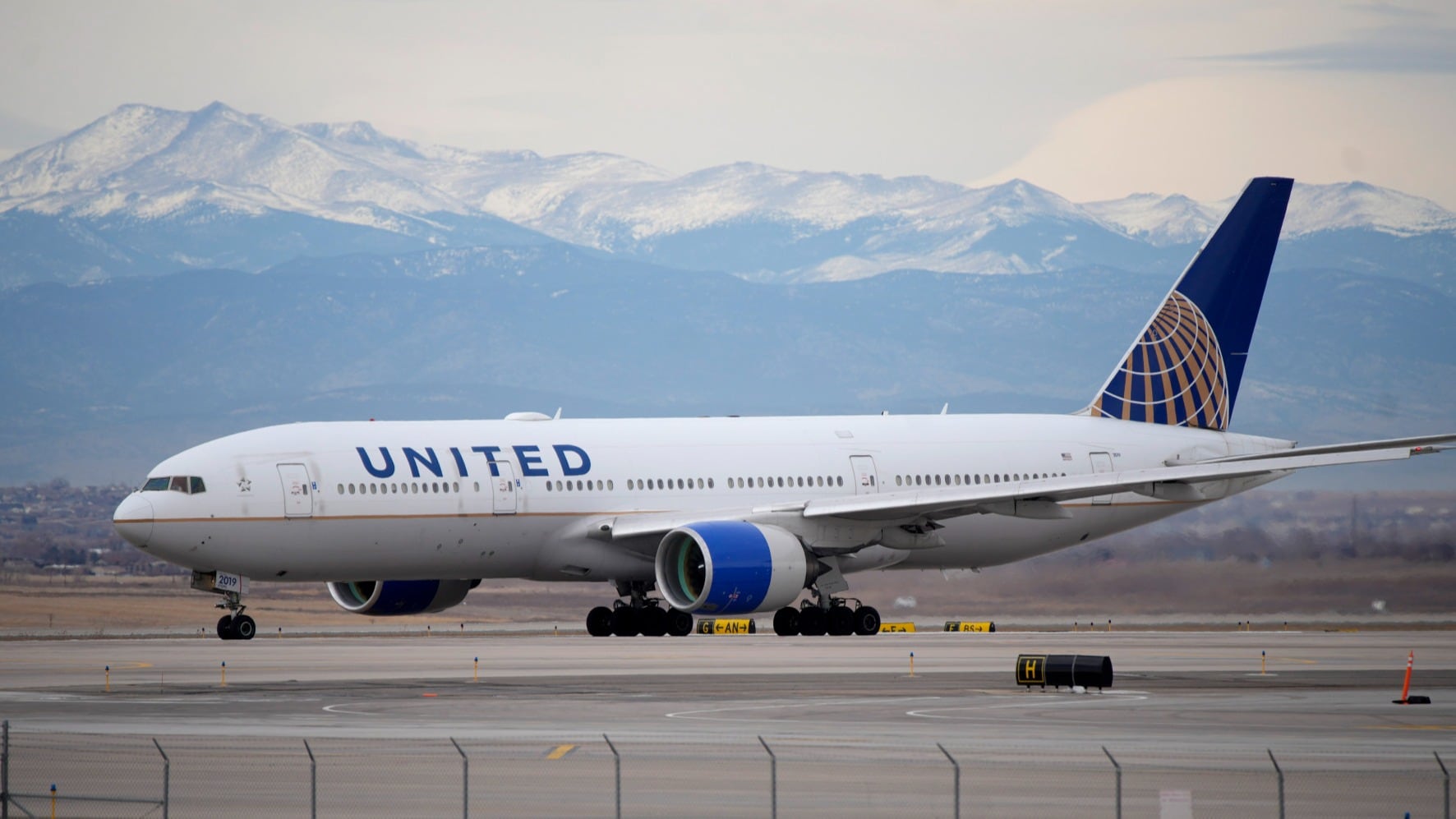
United Airlines and the union representing its pilots said Saturday they reached agreement on a contract that will raise pilot pay by up to 40% over four years.
The court’s ruling applies to higher education institutions and other entities that receive federal funding and doesn’t directly change private employer obligations, but business leaders might pull back diversity, equity and inclusion programs to avoid lawsuits.