NEW YORK (AP) — There will be something missing at two Whole Foods stores opening next year: the rows of cashiers.
Amazon, which owns the grocery chain, said Wednesday that it will bring its cashier-less technology to two Whole Foods stores for the first time, letting shoppers grab what they need and leave without having to open their wallets. Cameras and sensors track what’s taken off shelves. Items are charged to an Amazon account after customers leave the store with them.
But there will be an option for those who want to shop the old-fashioned way: Self-checkout lanes will be available that take cash, gift cards and other types of payment.
Amazon first unveiled the cashier-less technology in 2018 at an Amazon Go convenience store and has expanded it to larger Amazon supermarkets. But it will be the first time it has appeared at Whole Foods, a chain of more than 500 grocery stores Amazon bought four years ago.
One of the new stores will be in Washington, D.C.; the other in Sherman Oaks, California. They will be stocked with the typical Whole Foods fare, including seafood, fresh-squeezed orange juice and organic vegetables.
Even with the technology, Amazon said it will still hire about the same number of workers for the stores that it normally would, except they will have different roles, helping shoppers in the aisles or at counters instead of standing behind a register. The company declined to say how many people it will hire.
The company also declined to say if it plans to bring the technology to more Whole Foods locations.
As commercial options tighten, more travelers are turning to private aviation. Wheels Up CEO George Mattson breaks down capacity and demand challenges.
Layoffs, hiring slowdowns, and shifting skill demands dominate this year’s job talk. LinkedIn’s Kory Kantenga explains what workers should watch for next.
Retailers face tariffs and cost challenges this holiday season. Wells Fargo's Lauren Murphy shares insights on pricing, promotions, and shopping trends.
Dateability, founded by sisters Jacqueline and Alexa Child, is the only dating app for disabled and chronically ill communities, fostering love without limits.
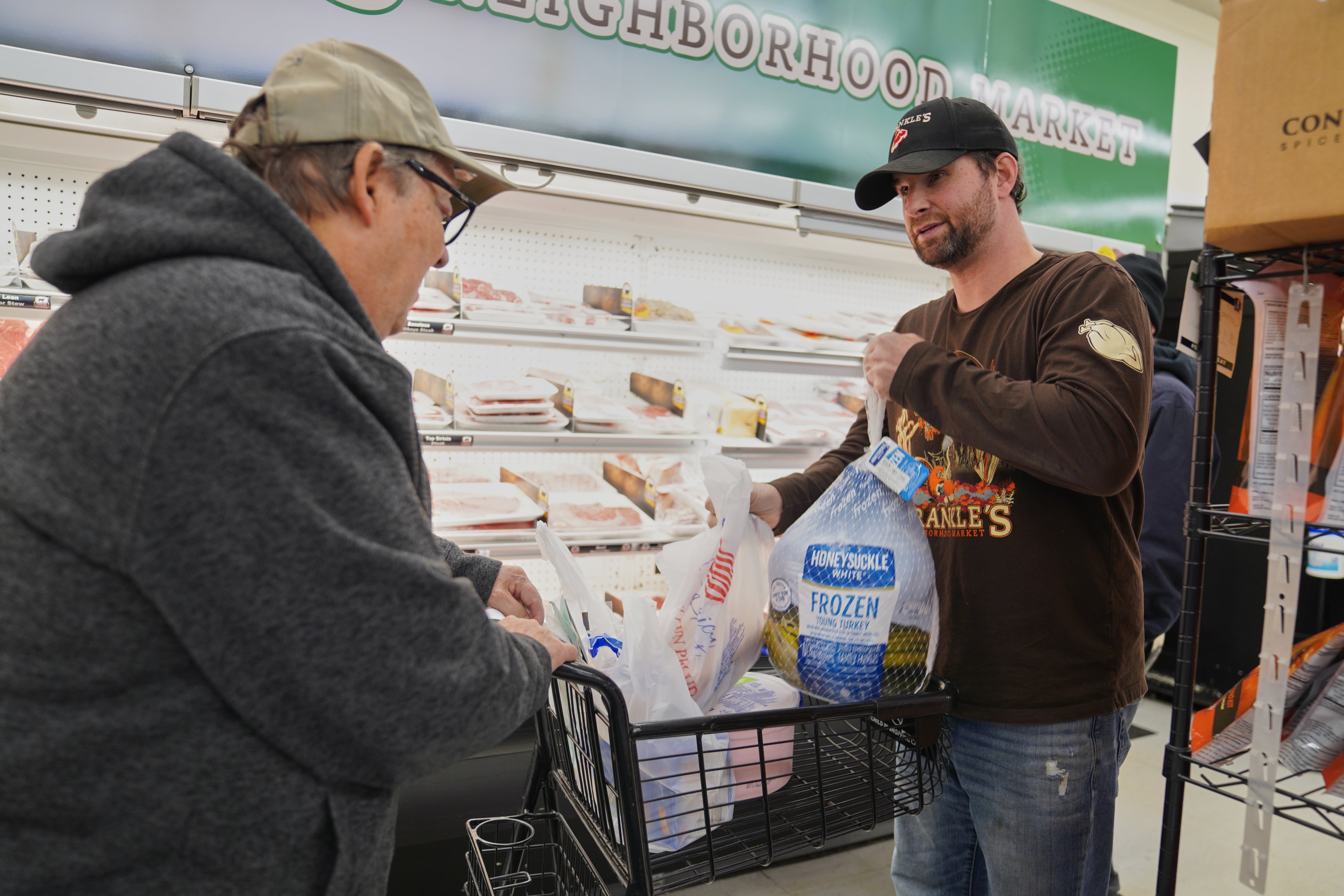
Some small grocery stores and neighborhood convenience stores are eager for the U.S. government shutdown to end and for their customers to start receiving federal food aid again. Late last month, the Trump administration froze funding for the SNAP benefits that about 42 million Americans use to buy groceries. The U.S. Department of Agriculture says about 74% of the assistance was spent last year at superstores like Walmart and supermarkets like Kroger. Around 14% went to smaller stores that are more accessible to SNAP beneficiaries. A former director of the United Nations World Food Program says SNAP is not only a social safety net for families but a local economic engine that supports neighborhood businesses.
Andy Baehr, Head of Product at CoinDesk Indices, breaks down crypto’s Black Friday crash, Bitcoin dipping under $100K, and what’s driving the market rout.