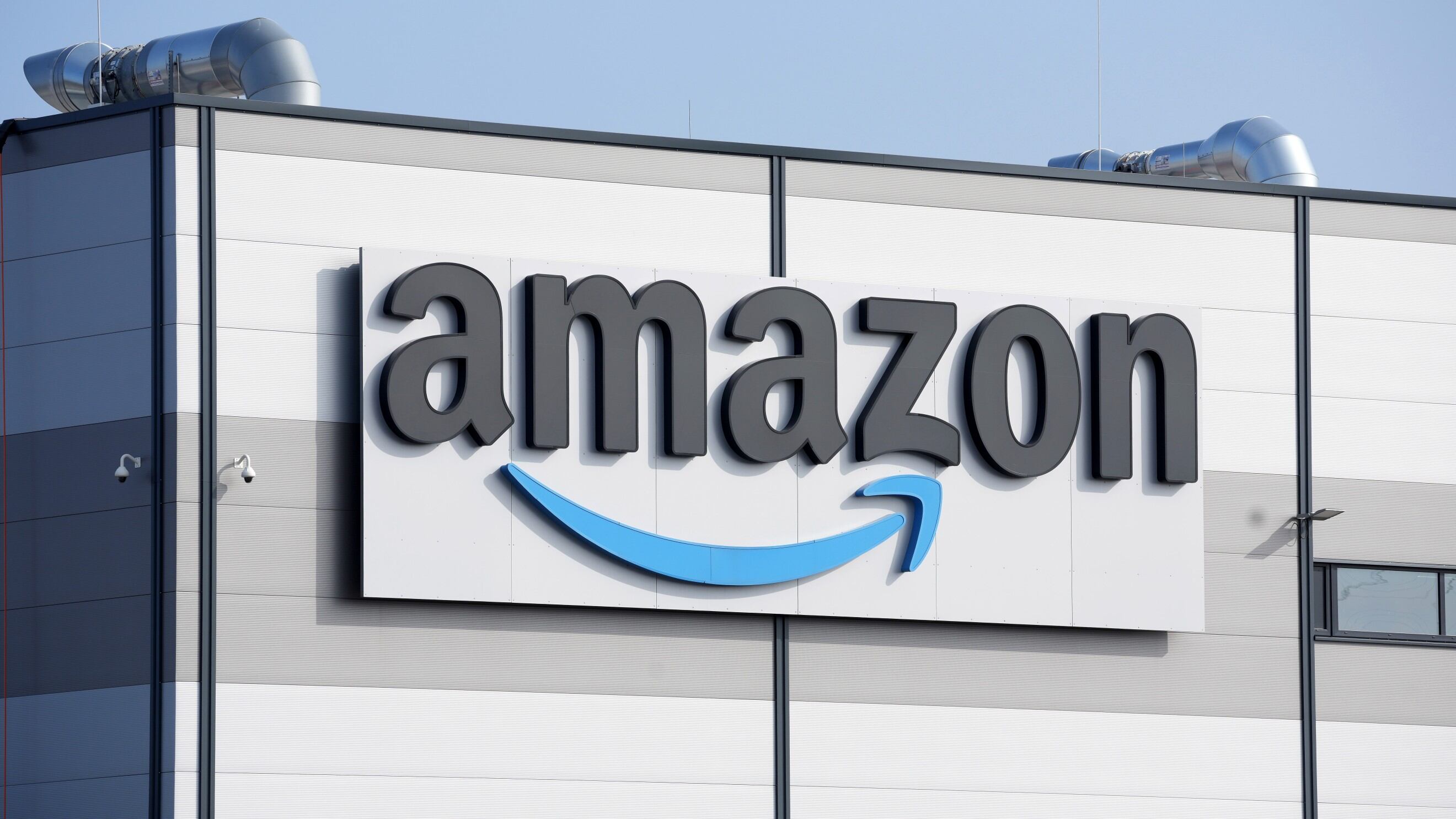
An Amazon company logo marks the facade of a building in Schoenefeld near Berlin, March 18, 2022. (AP Photo/Michael Sohn, File)
Amazon is taking another shot at becoming a regular health care source for customers with the launch of a service centered on virtual care.
The e-commerce giant says its Prime customers can now get quick access to a health care provider through a program that costs $9 a month or $99 annually.
The company has made a number of attempts to incorporate healthcare into its platform and has started building momentum after some initial setbacks.
The company announced in August that it was adding video telemedicine visits in all 50 states to a virtual clinic it launched last year.
Yet Amazon shut down a virtual health care service last year that it spent years developing, and it was part of a high-profile but failed push to address health care costs in a partnership with two other major companies, Berkshire Hathaway and JPMorgan.
Through the new service, patients will be able to connect virtually around the clock with care providers through its Prime One Medical membership program. The service includes video chats and an option to make in-person visits if there are One Medical locations near by.
The company said Wednesday that its membership fee covers the cost for the virtual visits. But customers would have to pay for any visits they make to the company’s One Medical primary care offices. They can use insurance for that.
Virtual care grew popular during the COVID-19 pandemic, and many health care providers have since expanded their telemedicine offerings. It has remained popular as a convenient way to check in with a doctor or deal with relatively minor health issues like pink eye.
While virtual visits can improve access to help, some doctors worry that they also lead to care fragmentation and can make it harder to track a patient’s overall health. That could happen if a patient has a regular doctor who doesn’t learn about the virtual visit from another provider.
Updated November 9, 2023 at 4:46 p.m. ET to add missing word in the seventh paragraph and correct "last summer" to "last year" in sixth paragraph.
The February jobs report shows the U.S. added 678,000 jobs, much more than the expected 440,000. The unemployment rate dropped down to 3.8% as Covid cases have fallen sharply since their peak in mid-Janurary. William M. Rodgers III, Vice President & Director of the Institute for Economic Equity at the Federal Reserve Bank of St. Louis, joined Cheddar's Opening Bell to break down the report.
Major League Baseball has officially canceled opening day after no deal was reached between the league and its players before Tuesday's deadline. The first two series of the 2022 season were set to begin on March 31, but the players rejected the owners' 'best offer.' David Salituro, sports writer for Fansided, joins Cheddar News to discuss.
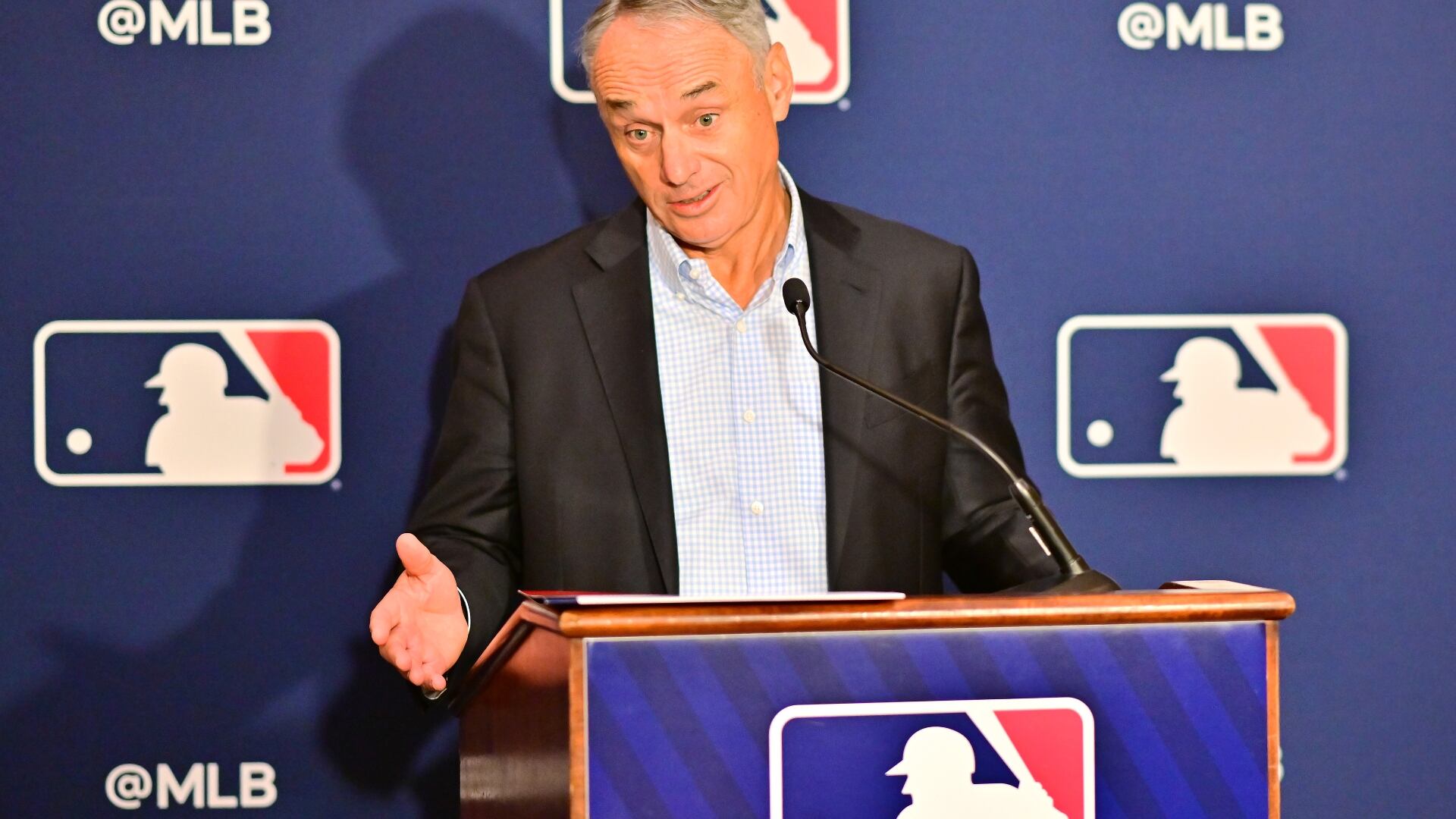
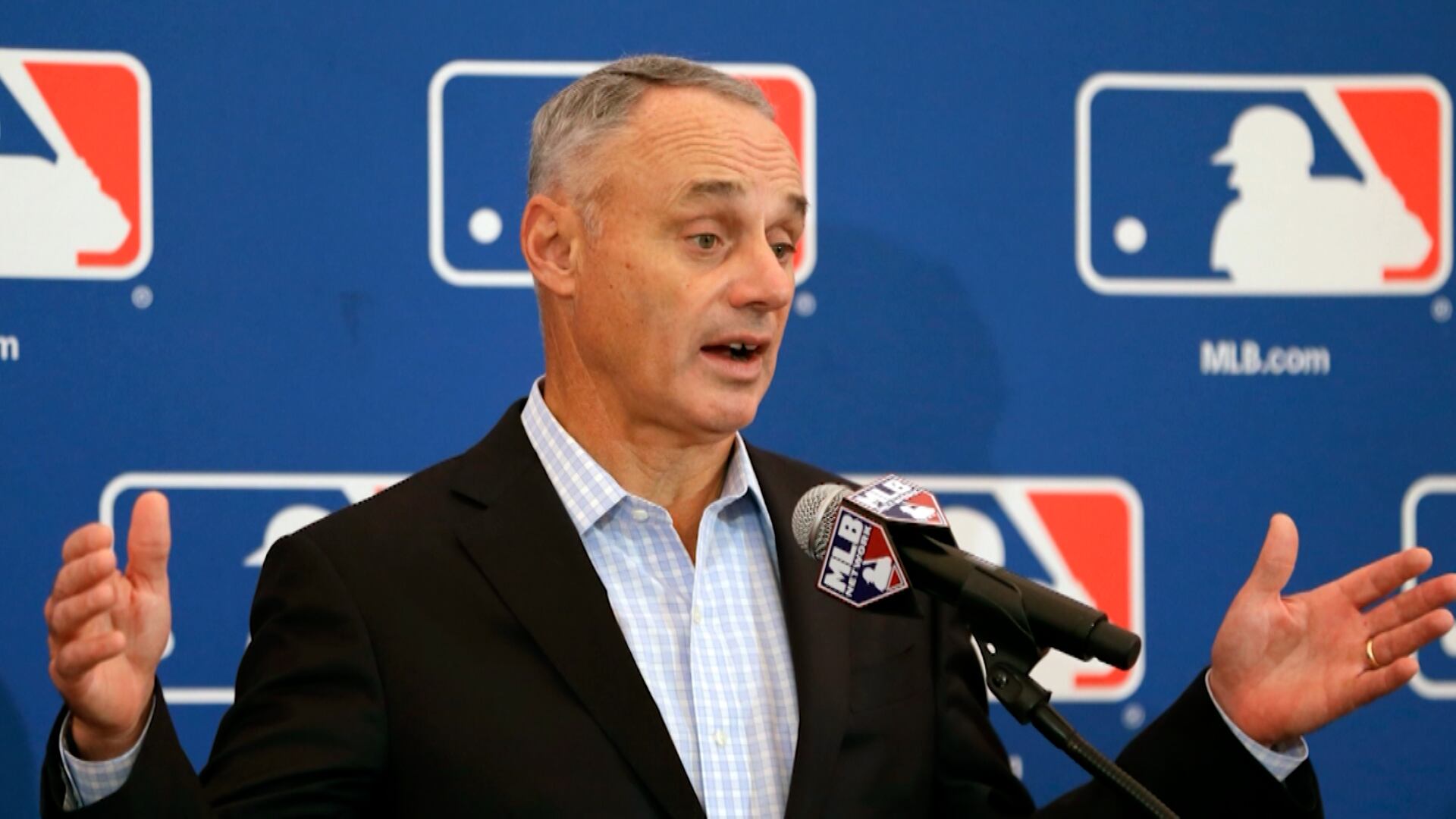
It has now been two days since Major League Baseball moved to cancel opening day games for the upcoming season. The announcement from MLB commissioner Rob Manfred came during the league's ongoing work stoppage, just the ninth in MLB history. Owners voted unanimously on December 2, 2021 to enact a lockout after the collective bargaining agreement between the league and players expired. On March 1, 2022, following over a week of daily negotiations between the two sides, and three months of on and off negotiations, the league officially canceled the first two series of the regular season. Gabe Lacques, MLB reporter and baseball editor for USA Today Sports, joins Cheddar News' Closing Bell to discuss.
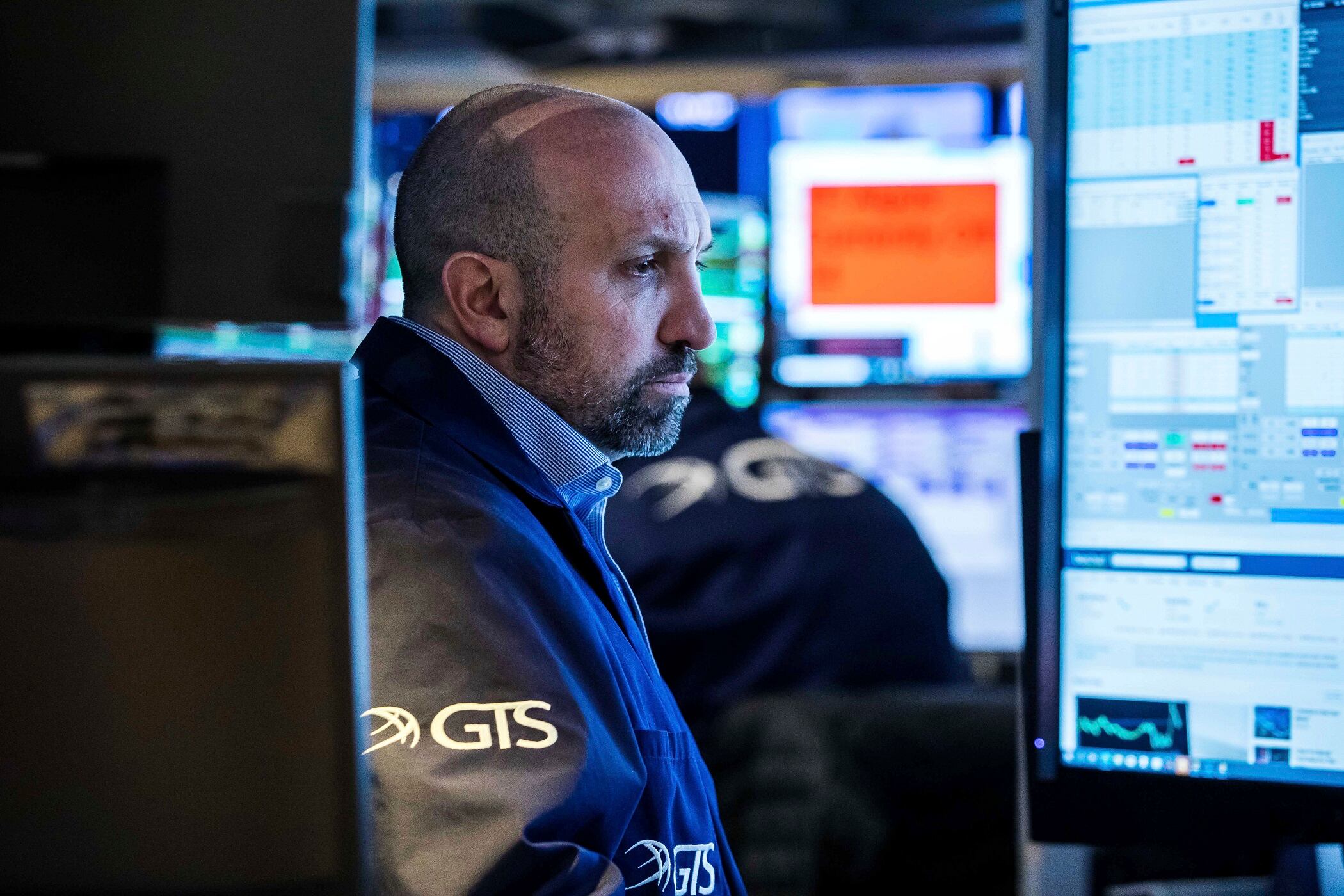
Stocks around the world tumbled Friday after even a gangbusters report on the U.S. jobs market wasn’t enough to pull Wall Street’s focus off its worries about the war in Ukraine.
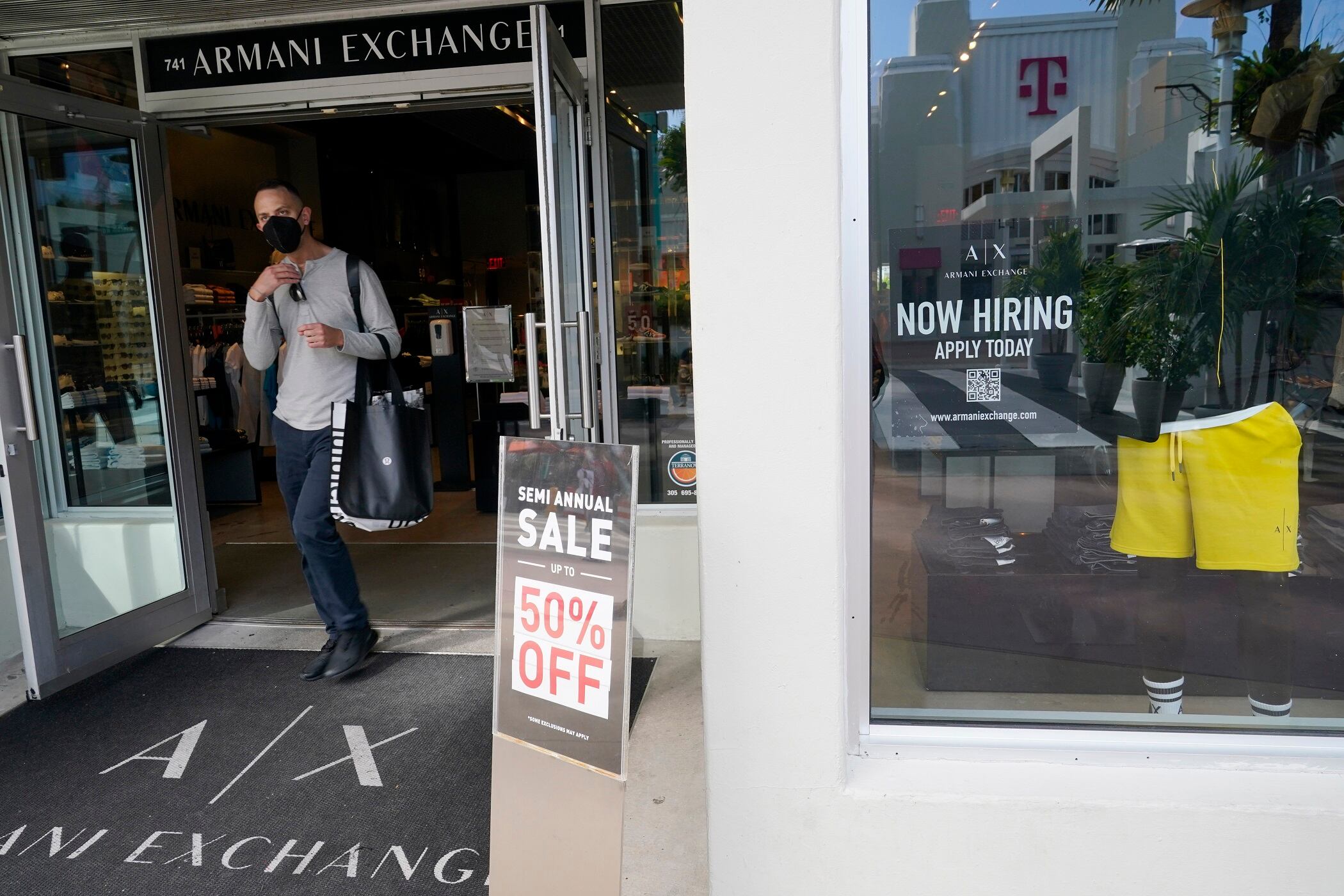
Employers added 678,000 jobs in February, another solid gain that underscored the economy’s robust health as the omicron wave fades and more Americans venture out to spend at restaurants, shops, and hotels despite surging inflation.
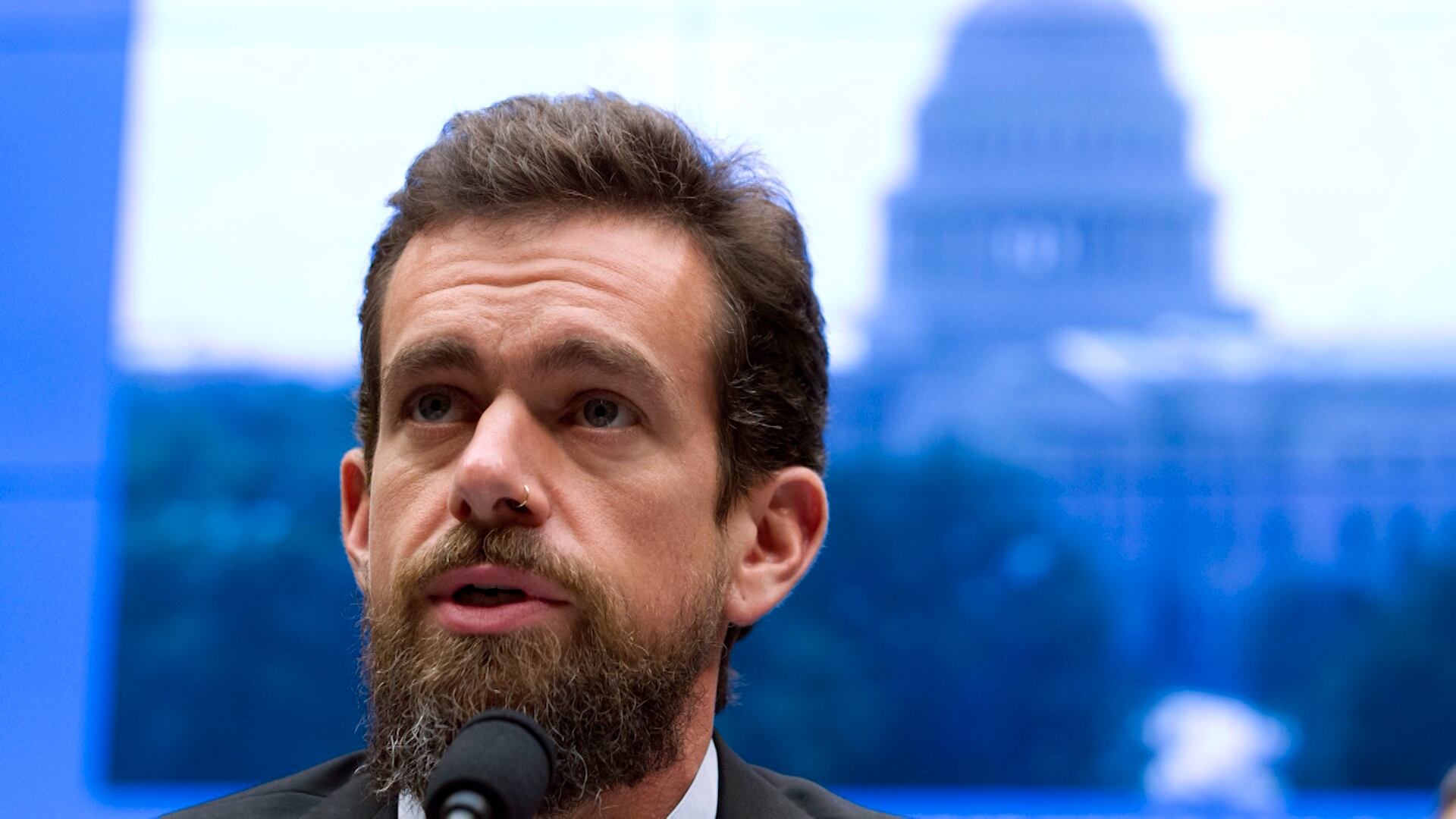
Mark Clerkin, Head of Trading at CoinList, joins Cheddar News' Closing Bell, where he elaborates on the range of features his platform offers, from investing in up-and-coming tokens to trading, and says his company is eager to partner with Block CEO Jack Dorsey on future projects.
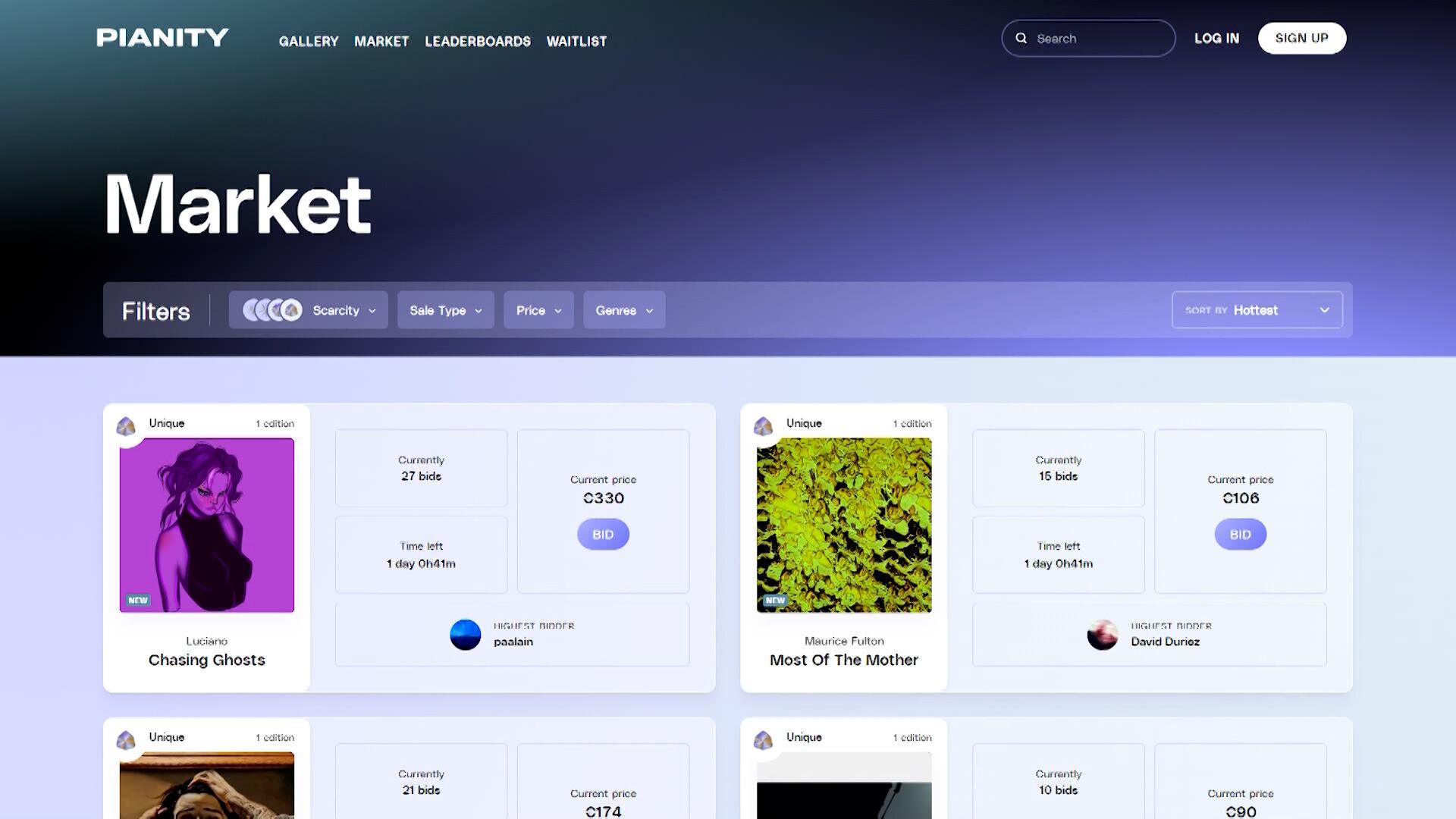
Music-focused NFT platform Pianity raising $6.5 million in a seed funding round. Pianity has developed a marketplace that allows musicians to sell their tracks as limited edition NFTs. Since its launch last year, the company says it has already sold 11,000 NFTs and artists have earned over $1.1 million from NFT sales. Kevin Primicerio, co-founder and CEO of Pianity, joins Cheddar News' Closing Bell to discuss.
Rance Masheck, Founder & CEO of iVest+, talks about the use of crypto to evade Russian sanctions and how crypto exchanges are responding to calls to block service.