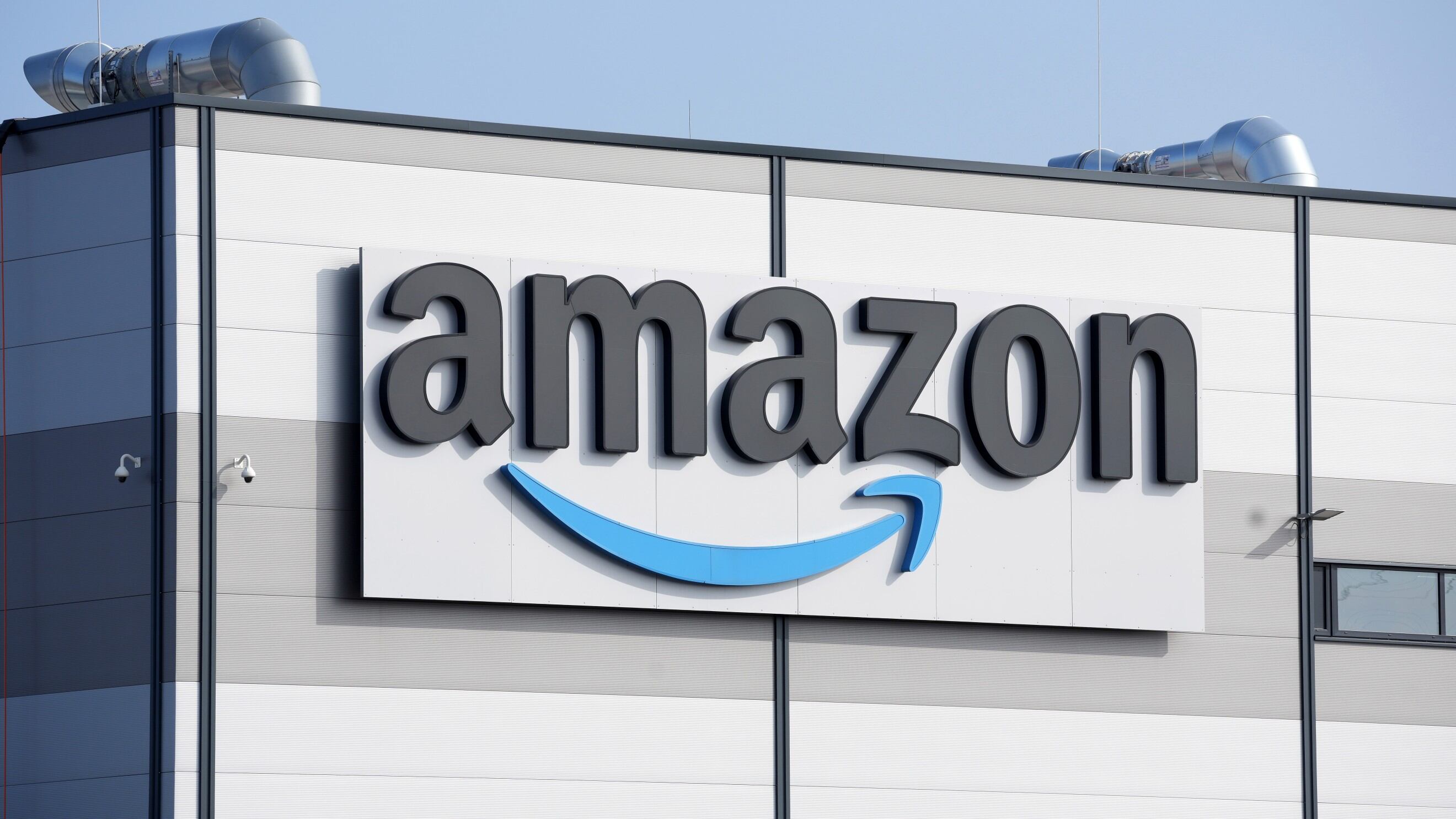
An Amazon company logo marks the facade of a building in Schoenefeld near Berlin, March 18, 2022. (AP Photo/Michael Sohn, File)
Amazon is taking another shot at becoming a regular health care source for customers with the launch of a service centered on virtual care.
The e-commerce giant says its Prime customers can now get quick access to a health care provider through a program that costs $9 a month or $99 annually.
The company has made a number of attempts to incorporate healthcare into its platform and has started building momentum after some initial setbacks.
The company announced in August that it was adding video telemedicine visits in all 50 states to a virtual clinic it launched last year.
Yet Amazon shut down a virtual health care service last year that it spent years developing, and it was part of a high-profile but failed push to address health care costs in a partnership with two other major companies, Berkshire Hathaway and JPMorgan.
Through the new service, patients will be able to connect virtually around the clock with care providers through its Prime One Medical membership program. The service includes video chats and an option to make in-person visits if there are One Medical locations near by.
The company said Wednesday that its membership fee covers the cost for the virtual visits. But customers would have to pay for any visits they make to the company’s One Medical primary care offices. They can use insurance for that.
Virtual care grew popular during the COVID-19 pandemic, and many health care providers have since expanded their telemedicine offerings. It has remained popular as a convenient way to check in with a doctor or deal with relatively minor health issues like pink eye.
While virtual visits can improve access to help, some doctors worry that they also lead to care fragmentation and can make it harder to track a patient’s overall health. That could happen if a patient has a regular doctor who doesn’t learn about the virtual visit from another provider.
Updated November 9, 2023 at 4:46 p.m. ET to add missing word in the seventh paragraph and correct "last summer" to "last year" in sixth paragraph.
Catching you up on what you Need to Know on Mar 23, 2022, as NATO meets in Brussels to discuss Ukraine, mortgage rates rise, Justin Trudeau is set to lead Canada until 2025, tornadoes sweep through Louisiana, California may do away with SATs, and a Starbucks in Seattle unionizes.
Cheddar News senior reporter, Michelle Castillo joined Scott Keogh, CEO of Volkswagen Group of America, for a ride in the new ID.Buzz electric van at South by Southwest. Keogh touched on issues from the auto giant's commitment to electrification and achieving carbon neutrality to the need for more charging infrastructure to support the electric vehicle wave. "We made a commitment to be CO2 neutral, and I think the reason it is, simplistically is, we're the world's largest car company. We're responsible for 1 percent of global CO2 emissions, and frankly, leaders have to lead and so that's what we want to do," he said.
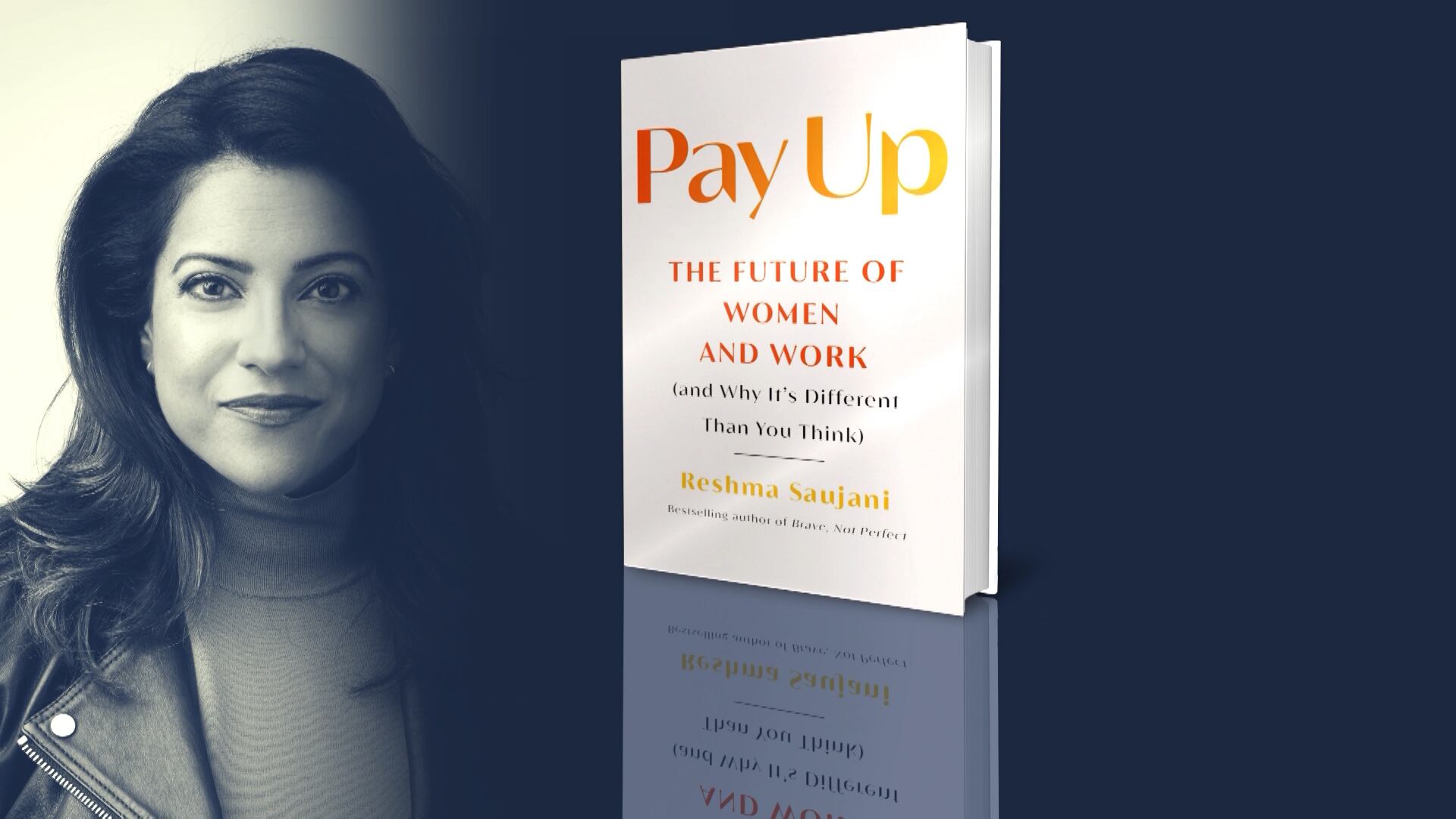
Reshma Saujani, the founder of Girls Who Code and author of "Pay Up: The Future of Women and Work (and Why It's Different Than You Think), joined Cheddar to discuss the many challenges for women in the workplace after the upheaval caused by the pandemic and the solutions she presents.
Companies are leaning towards hybrid workforces due to the pandemic as a means of bringing back workers to the office — especially women employees. Head of HR technology at Capital One, Maureen Jules-Perez, joined Cheddar News to talk about initiatives and technology that the bank is taking to set up a successful hybrid workplace. "Do we have the experiences or the spaces for everyone to feel belonging or included? Do we feel heard? And of course, when it comes to building products, we have all the different, diverse perspectives and thoughts and ideas being incorporated to have the optimal solution or delivery," she said.
The U.S. Securities and Exchange Commission Monday laid out a proposal that would require businesses to disclose the emissions they produce. Kathleen Rogers, CEO & President at EARTHDAY.ORG, joined Cheddar News to break down the implications of this historic step.