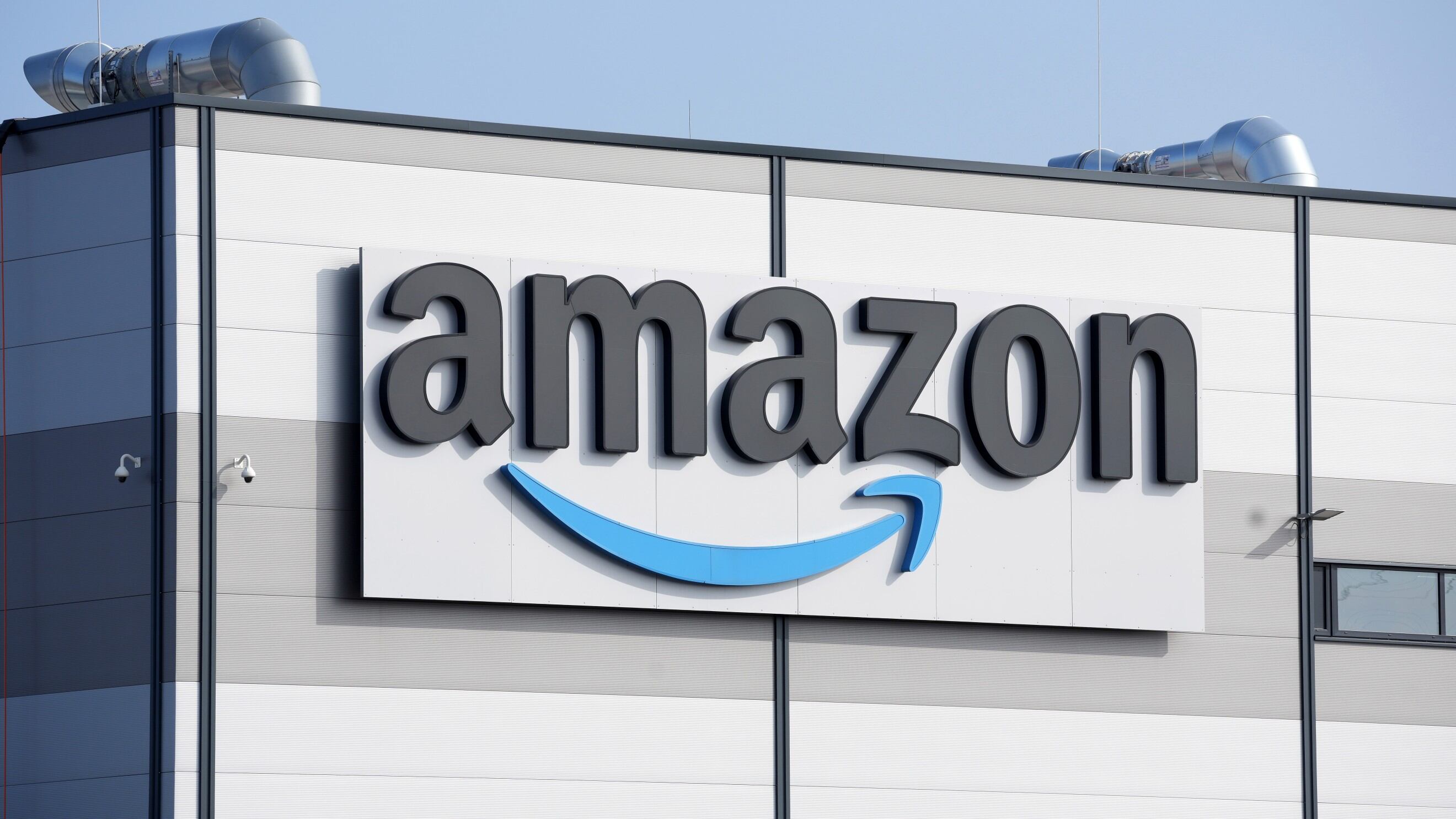
An Amazon company logo marks the facade of a building in Schoenefeld near Berlin, March 18, 2022. (AP Photo/Michael Sohn, File)
Amazon is taking another shot at becoming a regular health care source for customers with the launch of a service centered on virtual care.
The e-commerce giant says its Prime customers can now get quick access to a health care provider through a program that costs $9 a month or $99 annually.
The company has made a number of attempts to incorporate healthcare into its platform and has started building momentum after some initial setbacks.
The company announced in August that it was adding video telemedicine visits in all 50 states to a virtual clinic it launched last year.
Yet Amazon shut down a virtual health care service last year that it spent years developing, and it was part of a high-profile but failed push to address health care costs in a partnership with two other major companies, Berkshire Hathaway and JPMorgan.
Through the new service, patients will be able to connect virtually around the clock with care providers through its Prime One Medical membership program. The service includes video chats and an option to make in-person visits if there are One Medical locations near by.
The company said Wednesday that its membership fee covers the cost for the virtual visits. But customers would have to pay for any visits they make to the company’s One Medical primary care offices. They can use insurance for that.
Virtual care grew popular during the COVID-19 pandemic, and many health care providers have since expanded their telemedicine offerings. It has remained popular as a convenient way to check in with a doctor or deal with relatively minor health issues like pink eye.
While virtual visits can improve access to help, some doctors worry that they also lead to care fragmentation and can make it harder to track a patient’s overall health. That could happen if a patient has a regular doctor who doesn’t learn about the virtual visit from another provider.
Updated November 9, 2023 at 4:46 p.m. ET to add missing word in the seventh paragraph and correct "last summer" to "last year" in sixth paragraph.
Despite headwinds from COVID-19, Omni Hotels and Resorts has been able to stay on track, with many new properties in the works. The hotel and resorts chain has also seen a 50% uptick in revenue across all of its locations compared to its levels in 2019. Peter Strebel, President & CEO of Omni Hotels & Resorts, joined Cheddar to talk about how Omni was able to emerge from the pandemic stronger than ever, and give insight into the expected summer travel surge.
Keri Miller, HOA Treasurer at Mallard Creek, and Mike Hunter, Attorney at Offit Kurman, discuss how residents feel about the rise in corporate rentals and what is being done to curtail the short-term rentals trend.
Rick Tumlinson, Founding Partner of SpaceFund, discusses the industries driving the space economy and what should investors look for when investing in space companies.
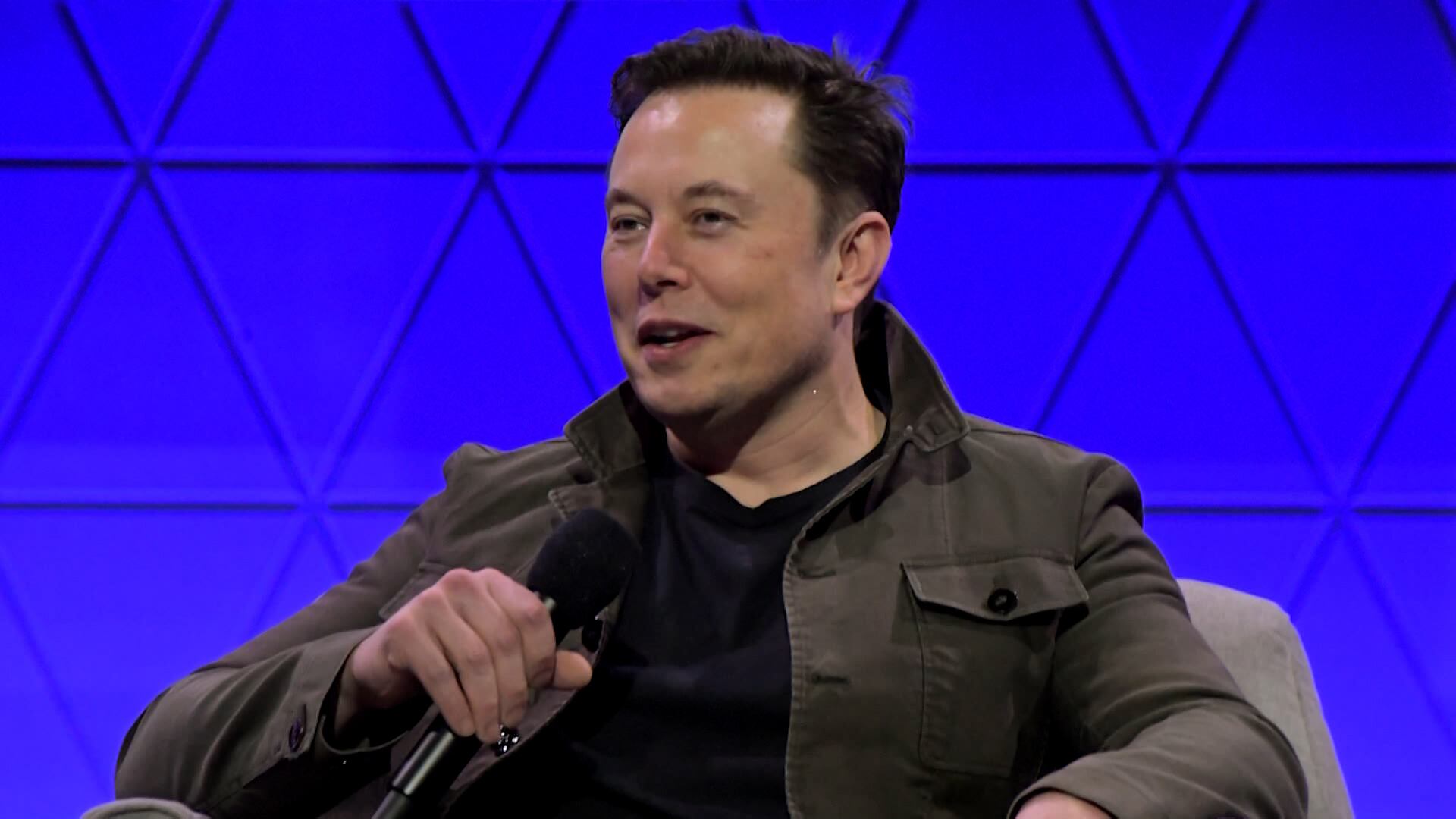
Elon Musk is set to join Twitter's board of directors. This comes shortly after the Tesla CEO purchased a 9.2% stake in Twitter, sending shares surging as much as 27% and making him the largest shareholder in the social media company. Angelo Zino, Senior Industry Analyst at CFRA Research, joined Cheddar's Opening Bell to gives his take on the social media saga.
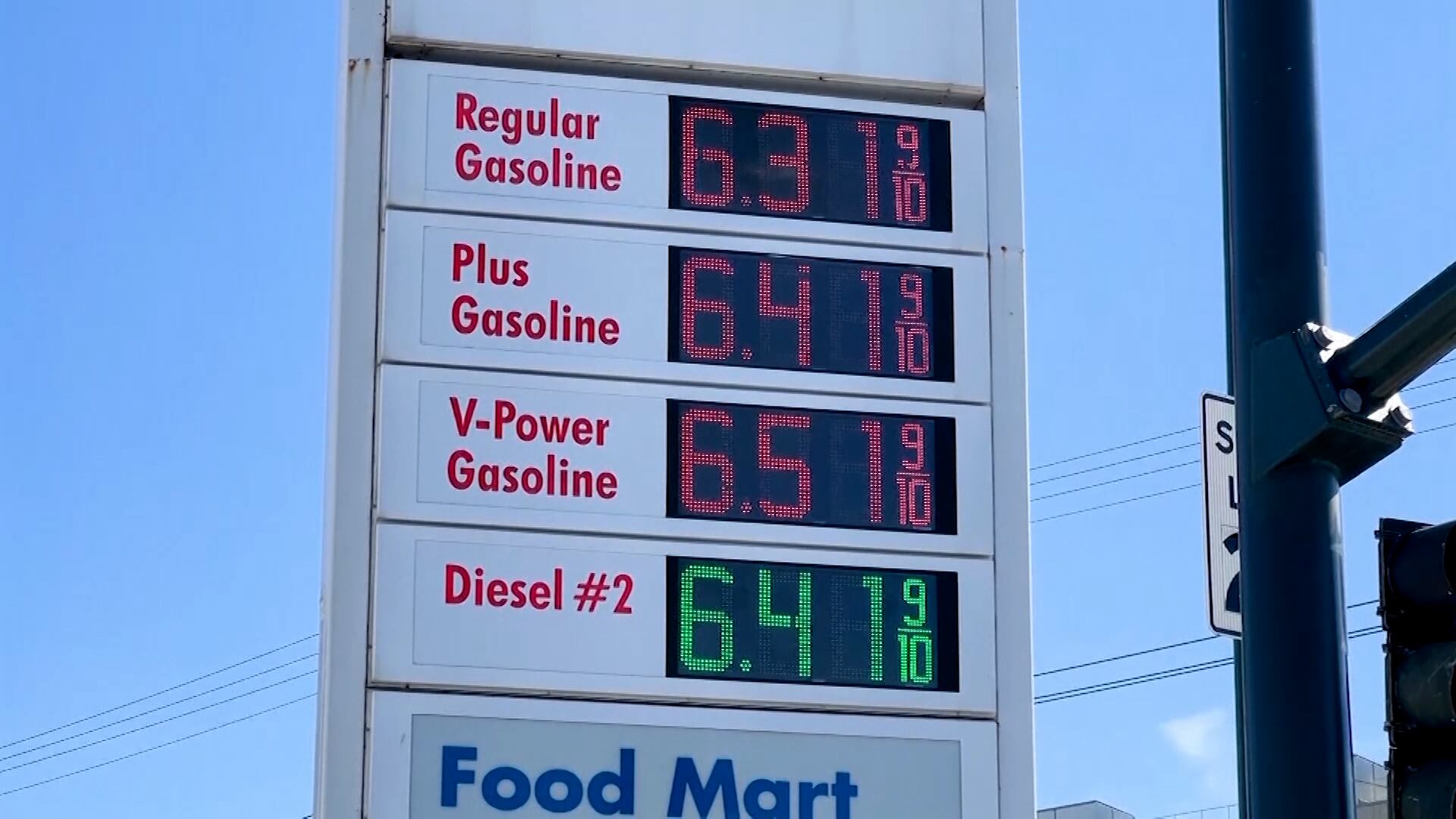
President Biden has announced a historic release of oil from the U.S. reserves in an attempt to cut down surging gas prices across the country. The administration will release 1 million barrels of oil per day for the next six months, marking the largest withdrawal in the nearly 50-year history of the country's emergency supply of oil. Patrick DeHaan, Head of Petroleum Analysis at GasBuddy, breaks down why the Biden administration is making this unprecedented move, and what impact it could have on prices at the pump.
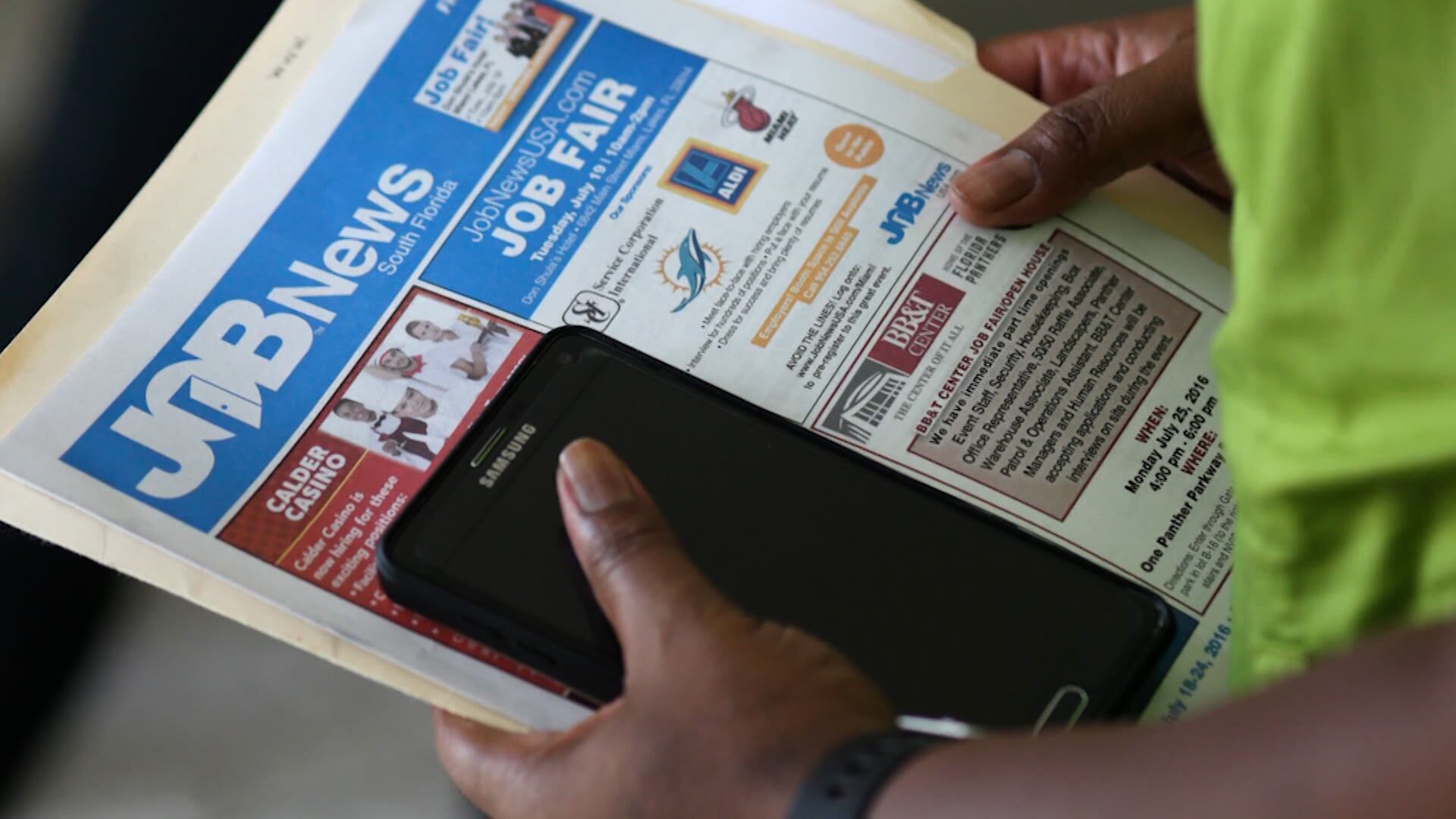
Rhea Thomas, Senior Economist at Wilmington Trust, breaks down the highlights from the latest jobs report and discusses how inflation could impact economic growth.
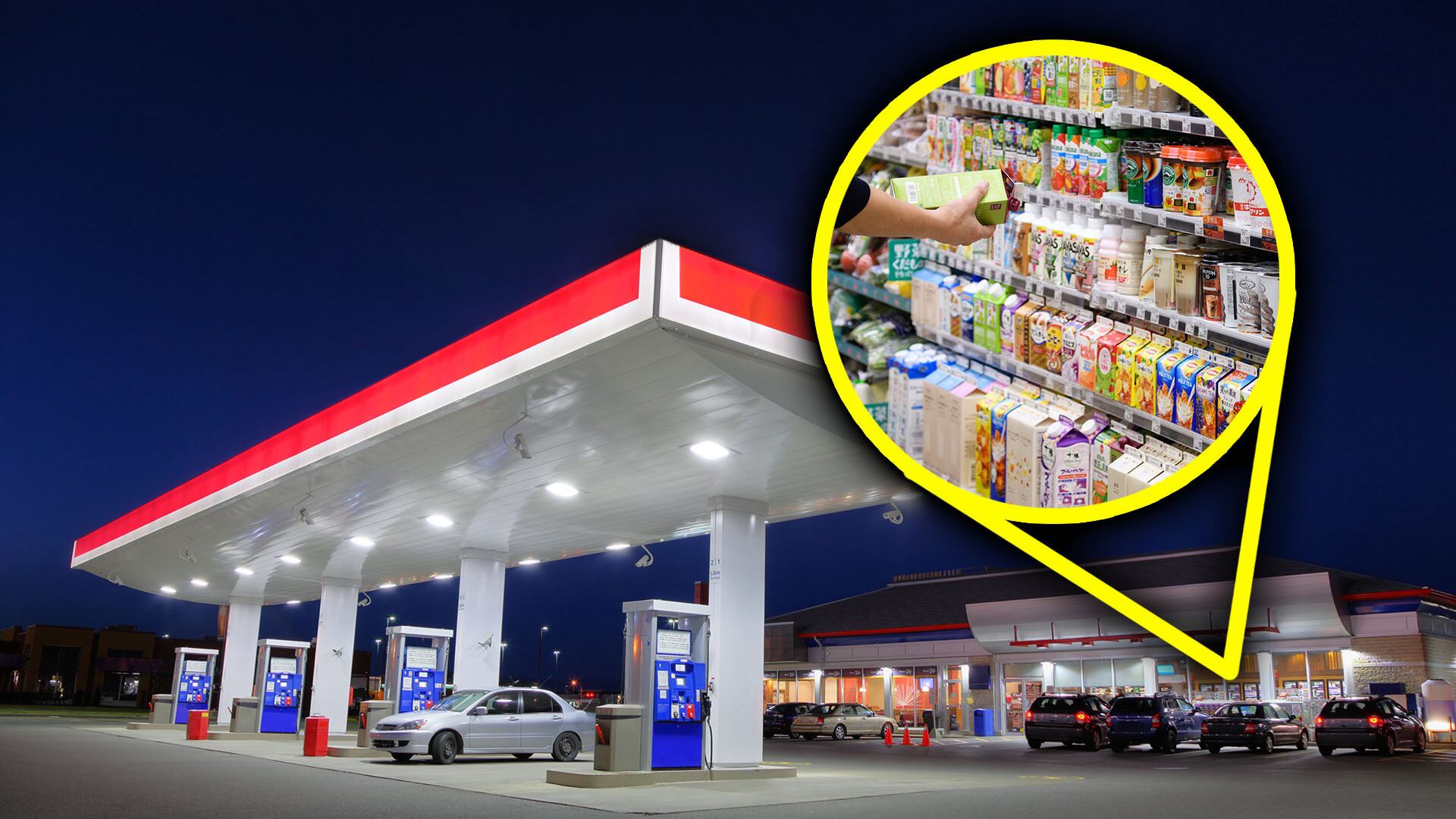
American gas stations are massive and only getting bigger. That's because most chains like Wawa, Sheetz, and Buc-ee's sell way more than just gas. So when and why did gas stations change from single-pump service garages to supersized, all-in-one travel hubs?