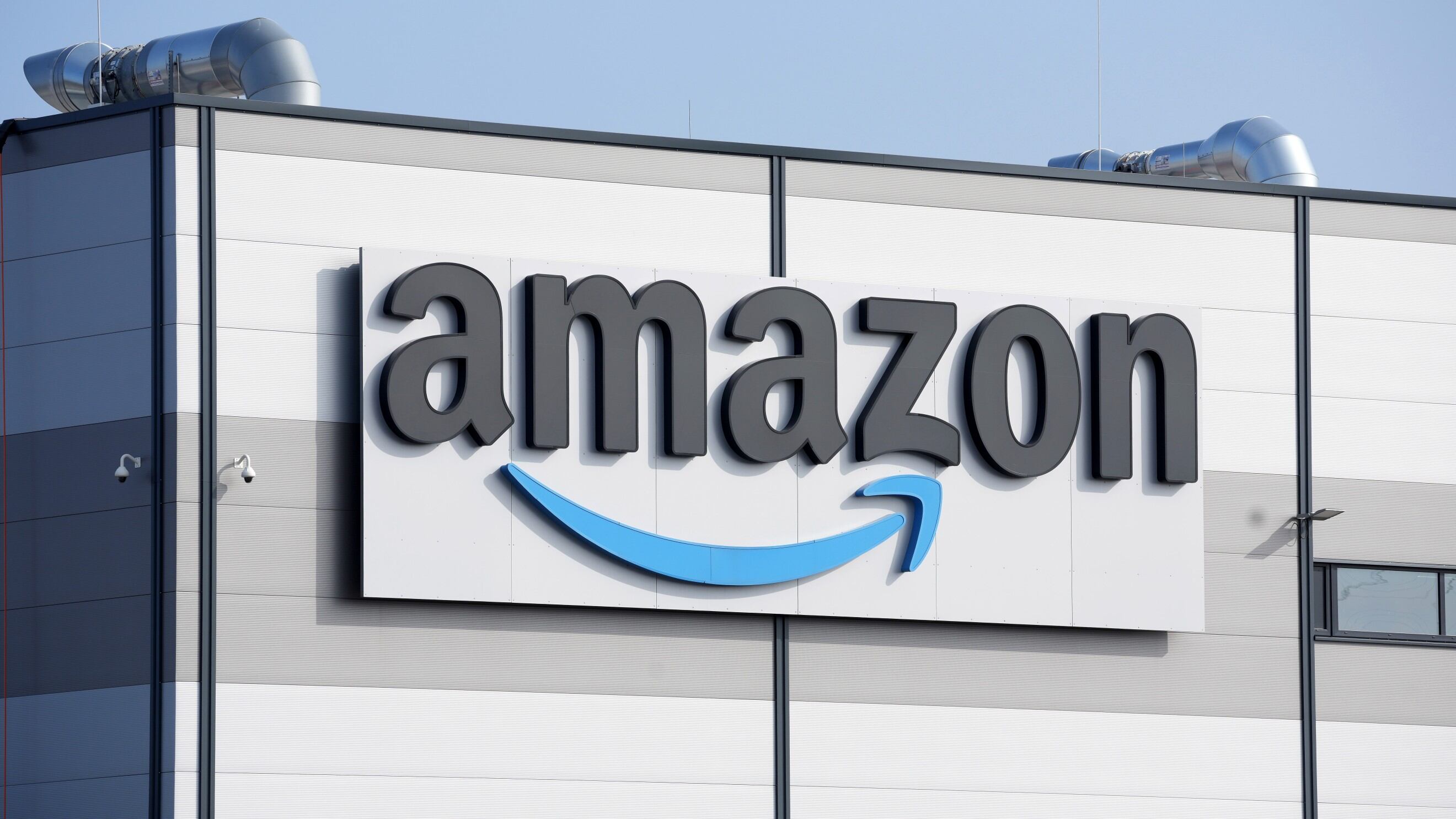
An Amazon company logo marks the facade of a building in Schoenefeld near Berlin, March 18, 2022. (AP Photo/Michael Sohn, File)
Amazon is taking another shot at becoming a regular health care source for customers with the launch of a service centered on virtual care.
The e-commerce giant says its Prime customers can now get quick access to a health care provider through a program that costs $9 a month or $99 annually.
The company has made a number of attempts to incorporate healthcare into its platform and has started building momentum after some initial setbacks.
The company announced in August that it was adding video telemedicine visits in all 50 states to a virtual clinic it launched last year.
Yet Amazon shut down a virtual health care service last year that it spent years developing, and it was part of a high-profile but failed push to address health care costs in a partnership with two other major companies, Berkshire Hathaway and JPMorgan.
Through the new service, patients will be able to connect virtually around the clock with care providers through its Prime One Medical membership program. The service includes video chats and an option to make in-person visits if there are One Medical locations near by.
The company said Wednesday that its membership fee covers the cost for the virtual visits. But customers would have to pay for any visits they make to the company’s One Medical primary care offices. They can use insurance for that.
Virtual care grew popular during the COVID-19 pandemic, and many health care providers have since expanded their telemedicine offerings. It has remained popular as a convenient way to check in with a doctor or deal with relatively minor health issues like pink eye.
While virtual visits can improve access to help, some doctors worry that they also lead to care fragmentation and can make it harder to track a patient’s overall health. That could happen if a patient has a regular doctor who doesn’t learn about the virtual visit from another provider.
Updated November 9, 2023 at 4:46 p.m. ET to add missing word in the seventh paragraph and correct "last summer" to "last year" in sixth paragraph.
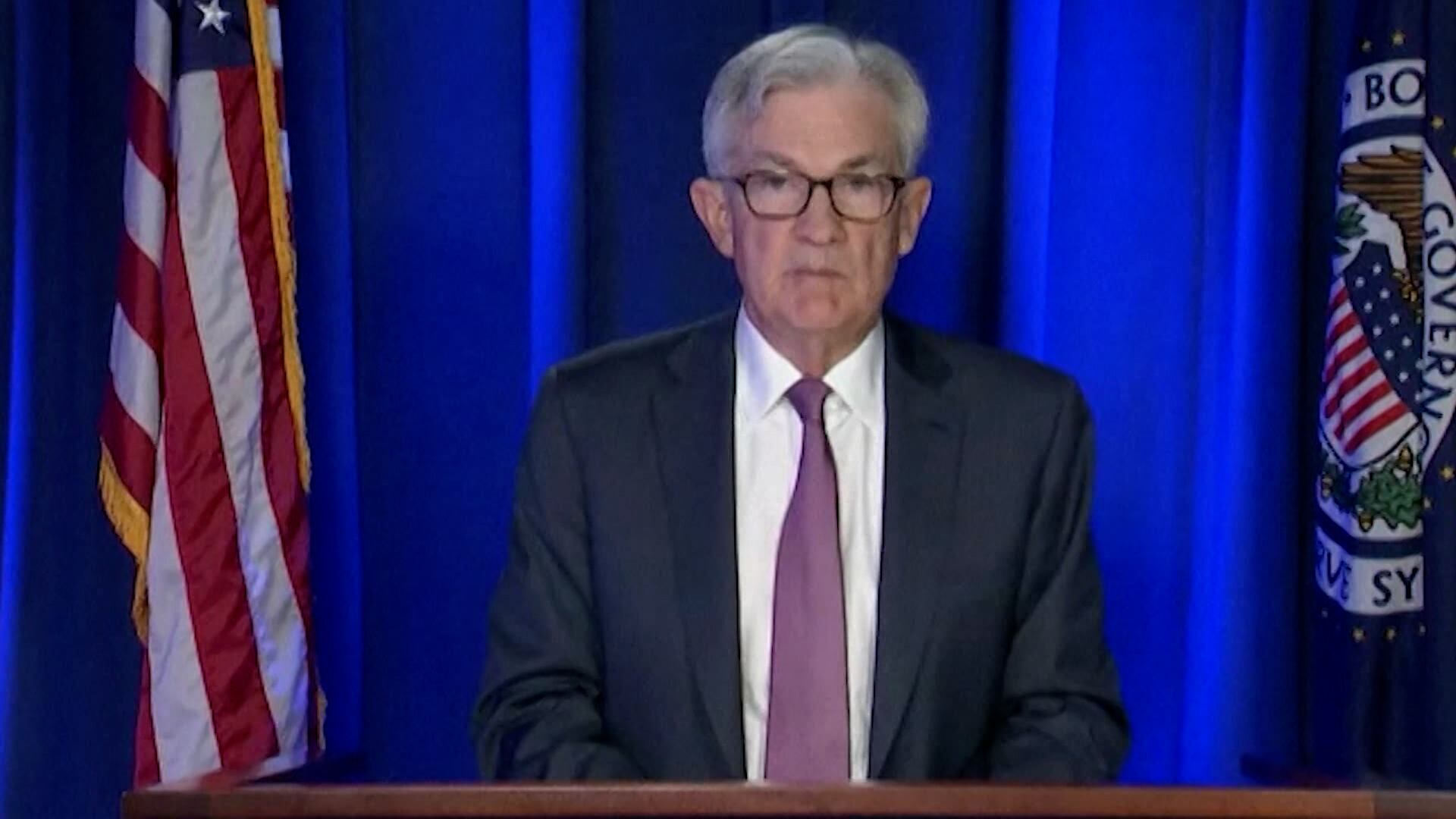
Brian Shepardson, VP & Senior Portfolio Manager at James Investments, discusses the takeaways from this week's earnings and forecasts market reaction as Fed Chair Powell signals a 50-basis point hike in May.
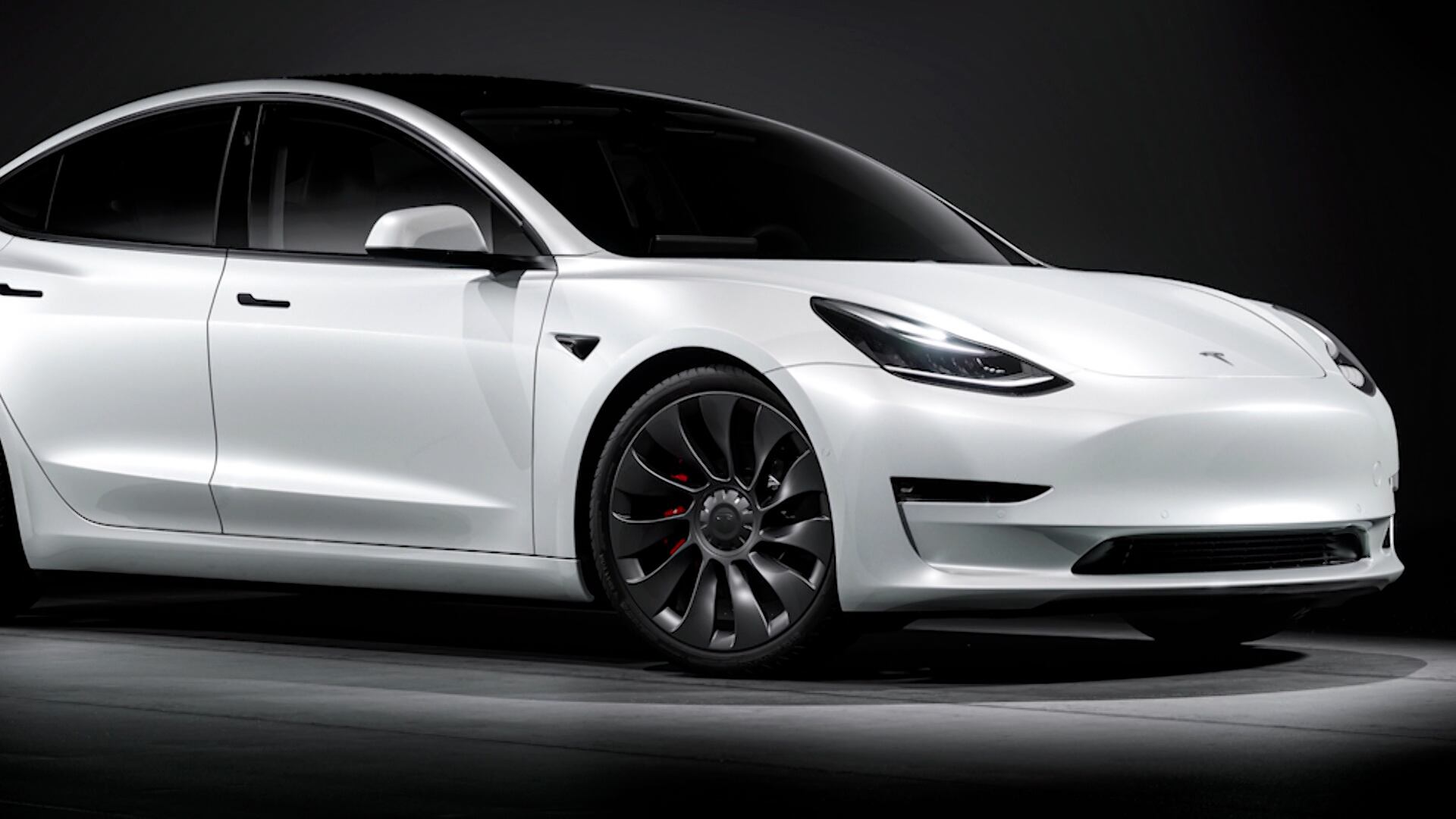
Patrick Healey, President & Chief Investment Officer at Caliber Financial Partners, breaks down Tesla's blowout earnings report and highlights the challenges the Fed will face if interest rate hikes are front-loaded.
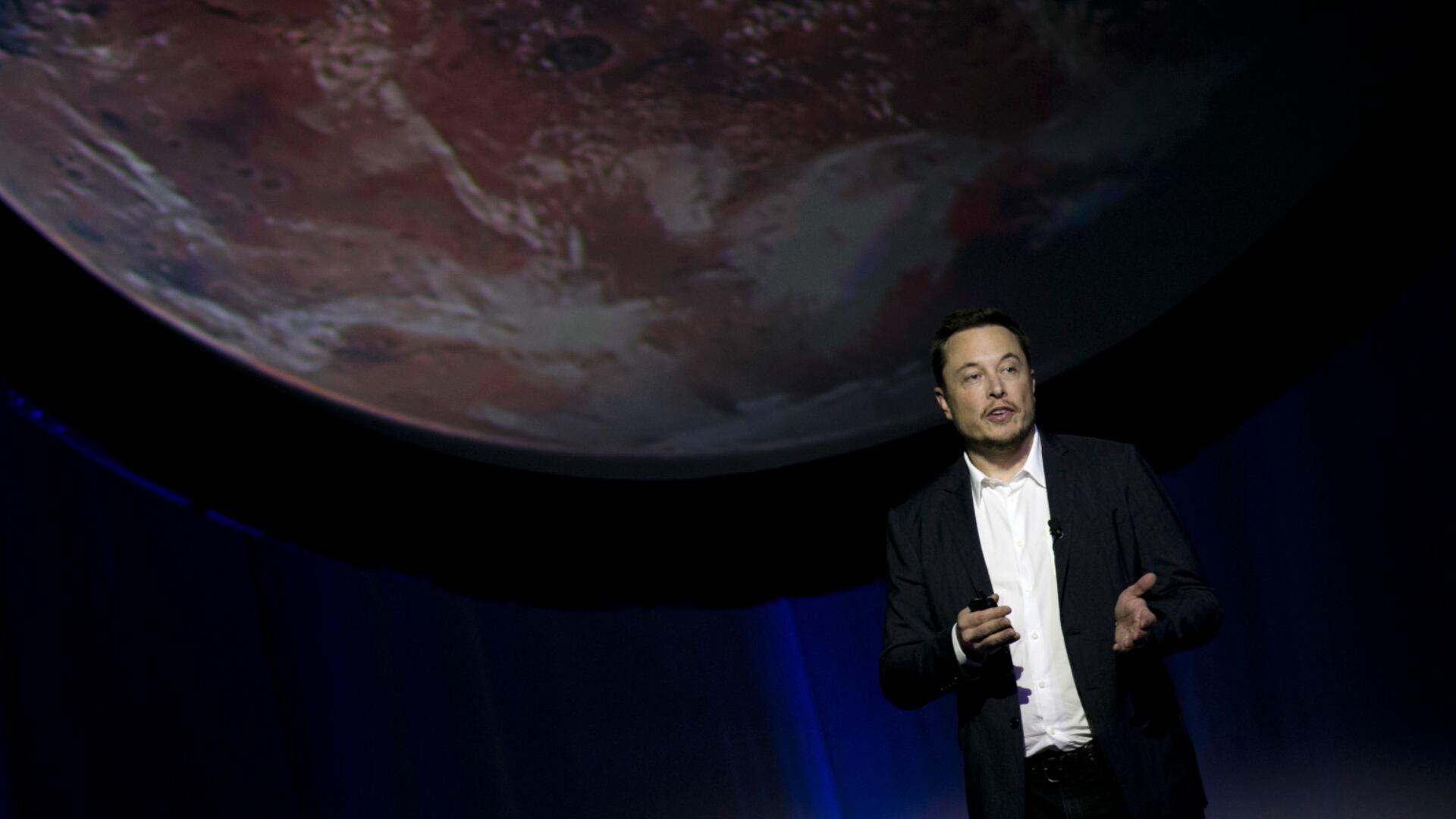
Debra Aho Williamson, Principal Analyst for Insider Intelligence, breaks down the details of Elon's Twitter buyout and highlights concerns over regulating Big tech.
Florida Governor Ron DeSantis has signed into law a bill that strips Disney World of its special self-governing status. This came after Disney spoke out against Florida's so-called “Don’t Say Gay” bill, some saying in retaliation of that. Ben Means, Professor of Law and the John T. Campbell Chair in Business and Professional Ethics at the University of South Carolina School of Law, breaks down how the new law might impact Disney’s business moving forward.
Catching you up on what you need to know on April 27, 2022, with Tesla stocks absorbing an initial hit following Elon Musk's purchase of Twitter, Russia pausing its natural gas supplies to Poland and Bulgaria, NASA's SpaceX Crew-4 mission taking off, and more.
General Motors reported a Q1 net income of $2.9 billion and a raise in their full-year guidance. This comes as the auto giant steps up production of its electric vehicles amid production headwinds. Paul Jacobson joined Cheddar News to talk about the earnings report and its ongoing electric vehicle strategy. "One of the things I'm most proud of is the fact that we're continuing to lean in and accelerate on our electric vehicle journey," he said. "When you think about it, we're going to produce 400,000 vehicles over the next two years by the end of 2023, and we'll have production capabilities up and will produce more than a million vehicles in North America alone in 2025."
Members-only home swapping network Kindred recently announced its launch alongside a $7.75 million seed round led by Andreessen Horowitz. Homeowners and renters can exchange homes on Kindred's platform, which the company says allows members to travel and take advantage of remote-work flexibility at the fraction of the cost of a hotel or rental home. Justin Palefsky and Tas Amina, co-founders of Kindred, join Cheddar News' Closing Bell to discuss.