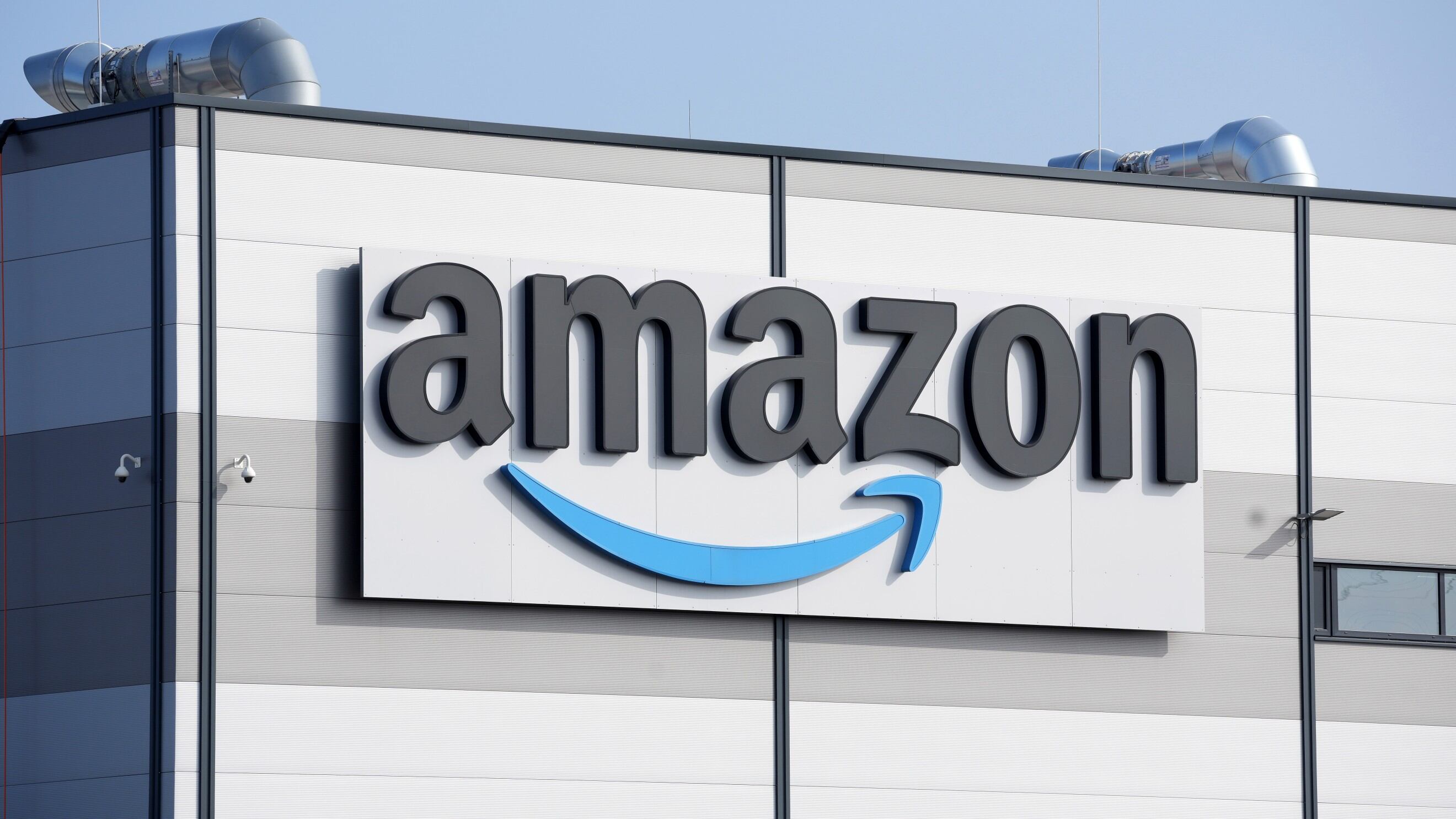
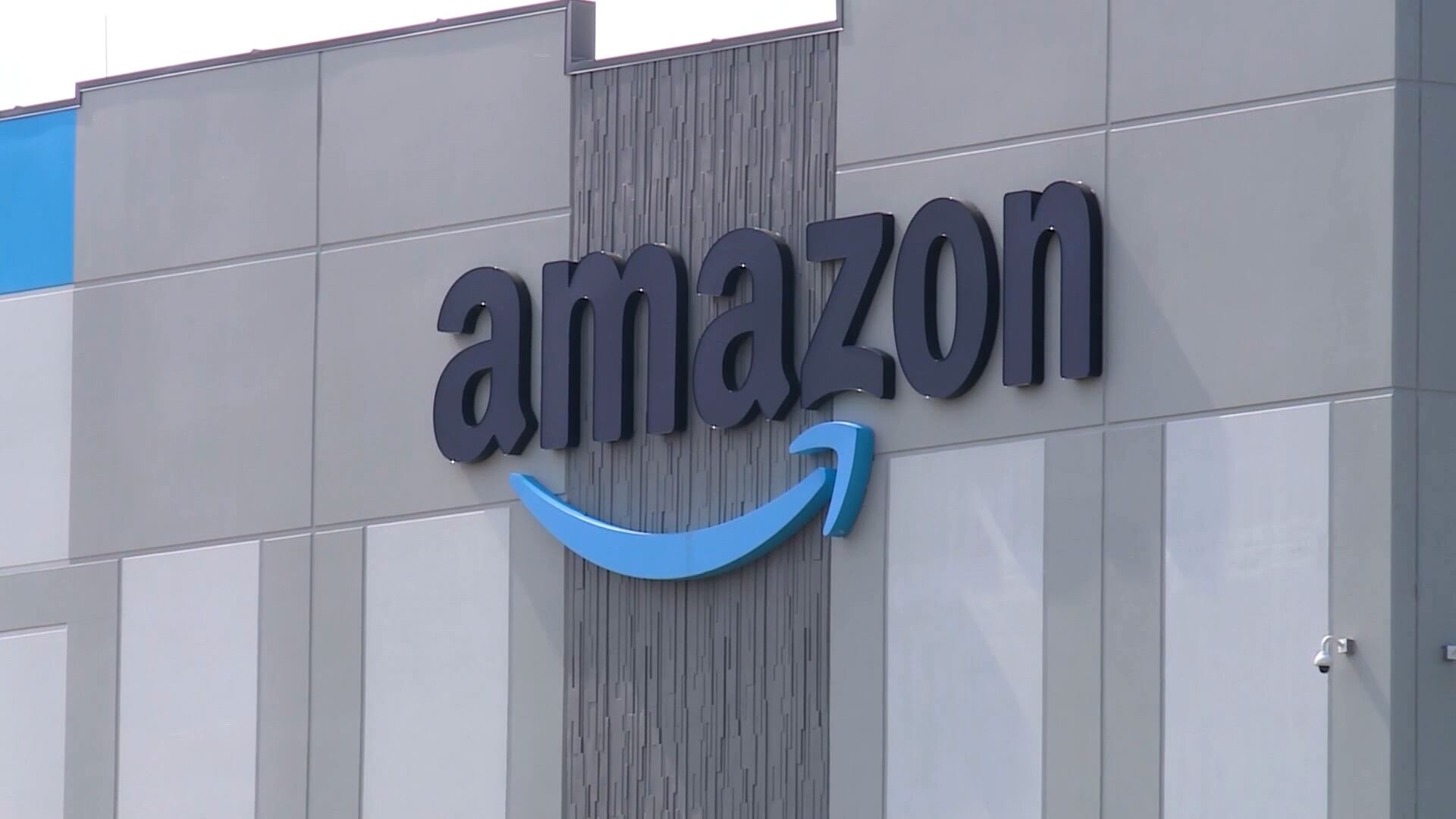
An Amazon company logo marks the facade of a building in Schoenefeld near Berlin, March 18, 2022. (AP Photo/Michael Sohn, File)
Amazon is taking another shot at becoming a regular health care source for customers with the launch of a service centered on virtual care.
The e-commerce giant says its Prime customers can now get quick access to a health care provider through a program that costs $9 a month or $99 annually.
The company has made a number of attempts to incorporate healthcare into its platform and has started building momentum after some initial setbacks.
The company announced in August that it was adding video telemedicine visits in all 50 states to a virtual clinic it launched last year.
Yet Amazon shut down a virtual health care service last year that it spent years developing, and it was part of a high-profile but failed push to address health care costs in a partnership with two other major companies, Berkshire Hathaway and JPMorgan.
Through the new service, patients will be able to connect virtually around the clock with care providers through its Prime One Medical membership program. The service includes video chats and an option to make in-person visits if there are One Medical locations near by.
The company said Wednesday that its membership fee covers the cost for the virtual visits. But customers would have to pay for any visits they make to the company’s One Medical primary care offices. They can use insurance for that.
Virtual care grew popular during the COVID-19 pandemic, and many health care providers have since expanded their telemedicine offerings. It has remained popular as a convenient way to check in with a doctor or deal with relatively minor health issues like pink eye.
While virtual visits can improve access to help, some doctors worry that they also lead to care fragmentation and can make it harder to track a patient’s overall health. That could happen if a patient has a regular doctor who doesn’t learn about the virtual visit from another provider.
Updated November 9, 2023 at 4:46 p.m. ET to add missing word in the seventh paragraph and correct "last summer" to "last year" in sixth paragraph.
U.S. stocks fell sharply to close Tuesday's session, with the Nasdaq dropping 3.95% and hitting a new one-year low. Frances Newton Stacy, Director of Strategy for Optimal Capital, joins Cheddar News to discuss her reaction to how markets closed the session, and to break down Q3 2022 earnings from Microsoft. "Netflix was sort of the big warning, and I think Big Tech was down today in anticipation of these earnings," she says.
Ryan Glasspiegel, sports and entertainment reporter for the New York Post, explains why we're seeing teams and leagues gravitate towards Las Vegas, and sheds light on the recent report that Amazon is pushing for a Black Friday NFL game.
With Netflix losing 200,000 subscribers in one quarter, and CNN+ shutting down just weeks after launch, the streaming industry is in a place of uncertainty. Hundreds of people who once thought they had steady jobs now face potential unemployment as streamers figure out how to navigate the constantly changing landscape. Greg Martin, co-founder of Rainmaker Securities, joined Cheddar's Opening Bell to discuss the state of streaming, its troubles, and how its impacting hundreds of workers.
Lance Ippolito, Head Trader at the Future Of Wealth, breaks down the most significant headwinds facing big tech and highlights how companies will fair amid high inflation.
In honor of Earth Day, Peter Krull, Founder and CEO of Earth Equity Advisors, joined Cheddar's Opening Bell to discuss how we can keep corporations accountable to their climate change promises. He argued the recent focus on ESGs and sustainable investing in some ways "has made it easier and more accessible to folks, but it's also made it easier for companies to be misleading in how they portray themselves."
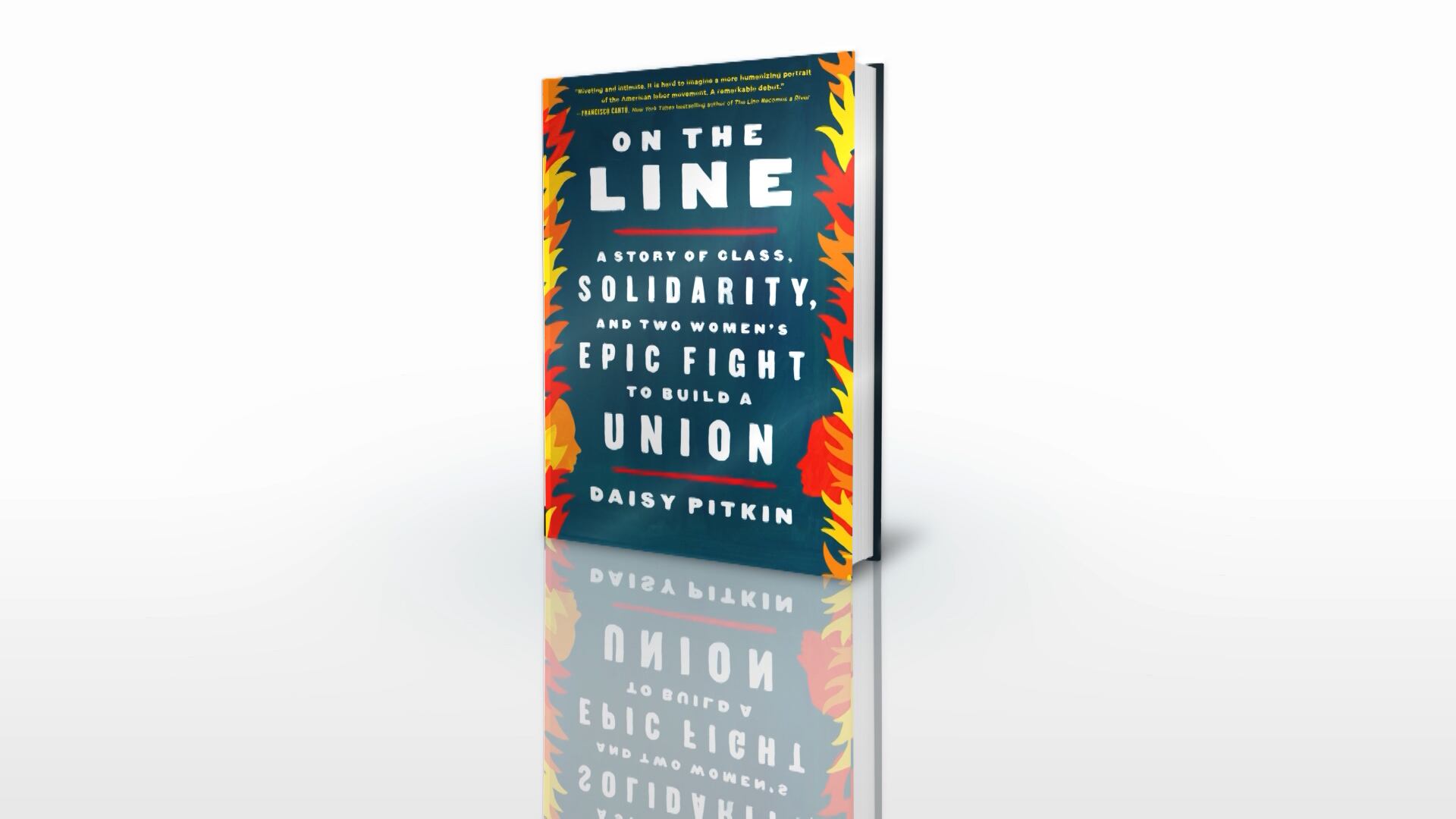
Daisy Pitkin, author of "On The Line: A Story of Class, Solidarity, and Two Women's Epic Fight to Build a Union," joined Cheddar's Opening Bell to discuss her work as a union organizer at Workers United, helping Starbucks workers to organize. Pitkin expressed her enthusiasm for the recent labor push across the country, and explained how the movement can gain even more momentum in the future.
Lance Ippolito, Head Trader at the Future of Wealth, talks about the investor concerns leading to Big Tech earnings and how the shift in consumer buying habits may signal weakness for the overall market.