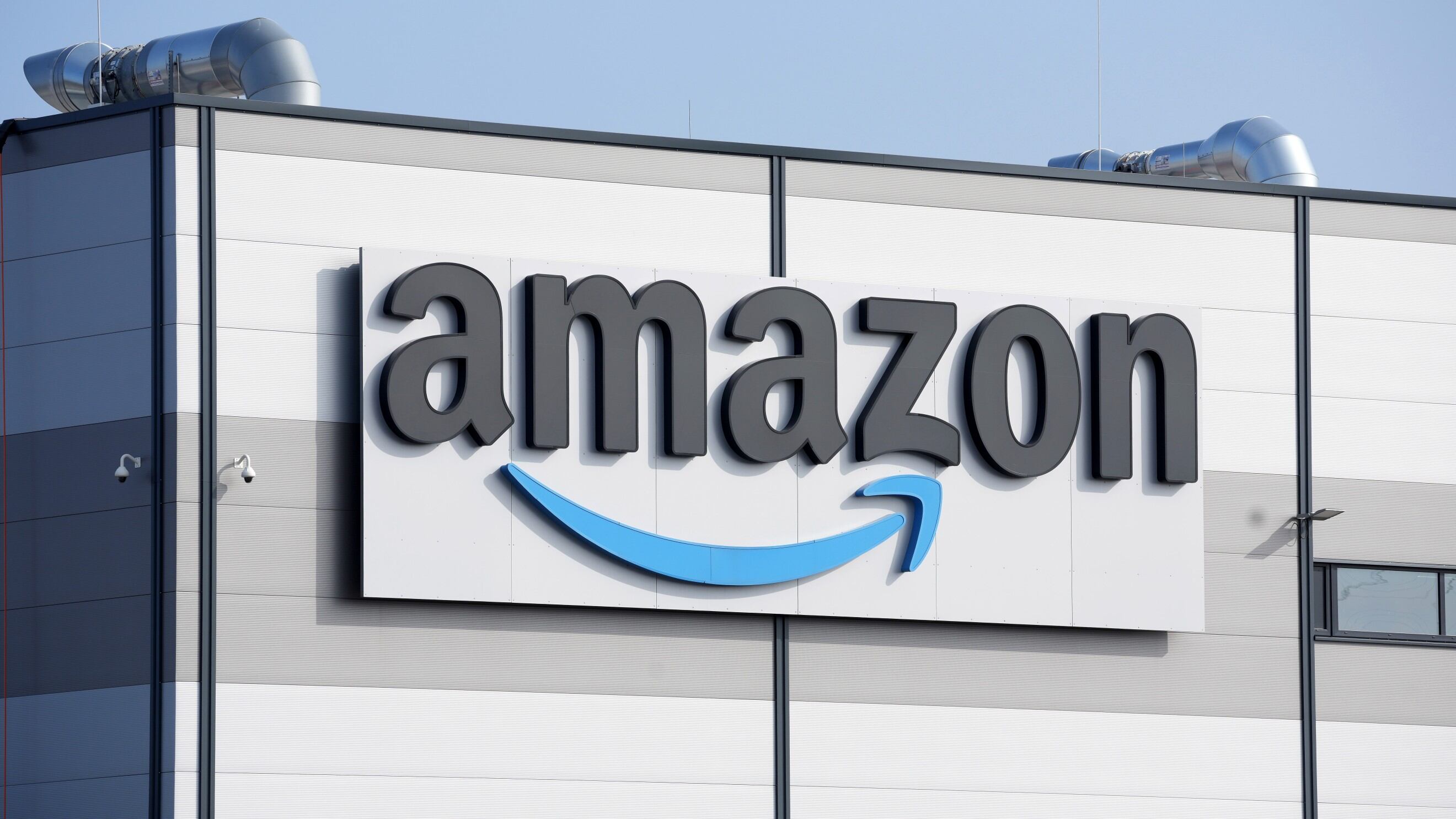
An Amazon company logo marks the facade of a building in Schoenefeld near Berlin, March 18, 2022. (AP Photo/Michael Sohn, File)
Amazon is taking another shot at becoming a regular health care source for customers with the launch of a service centered on virtual care.
The e-commerce giant says its Prime customers can now get quick access to a health care provider through a program that costs $9 a month or $99 annually.
The company has made a number of attempts to incorporate healthcare into its platform and has started building momentum after some initial setbacks.
The company announced in August that it was adding video telemedicine visits in all 50 states to a virtual clinic it launched last year.
Yet Amazon shut down a virtual health care service last year that it spent years developing, and it was part of a high-profile but failed push to address health care costs in a partnership with two other major companies, Berkshire Hathaway and JPMorgan.
Through the new service, patients will be able to connect virtually around the clock with care providers through its Prime One Medical membership program. The service includes video chats and an option to make in-person visits if there are One Medical locations near by.
The company said Wednesday that its membership fee covers the cost for the virtual visits. But customers would have to pay for any visits they make to the company’s One Medical primary care offices. They can use insurance for that.
Virtual care grew popular during the COVID-19 pandemic, and many health care providers have since expanded their telemedicine offerings. It has remained popular as a convenient way to check in with a doctor or deal with relatively minor health issues like pink eye.
While virtual visits can improve access to help, some doctors worry that they also lead to care fragmentation and can make it harder to track a patient’s overall health. That could happen if a patient has a regular doctor who doesn’t learn about the virtual visit from another provider.
Updated November 9, 2023 at 4:46 p.m. ET to add missing word in the seventh paragraph and correct "last summer" to "last year" in sixth paragraph.
The White House is earmarking $2.1 billion to help secure the nation's food supply, amid widespread shortages due to the pandemic, Russia's war in Ukraine, and rising inflation. The Biden administration's plans are expected to shore up food infrastructure and distribution while also aiding farmers. Bread for the World Senior International Policy Advisor Abiola Afolayan joined Cheddar News' Closing Bell to discuss.
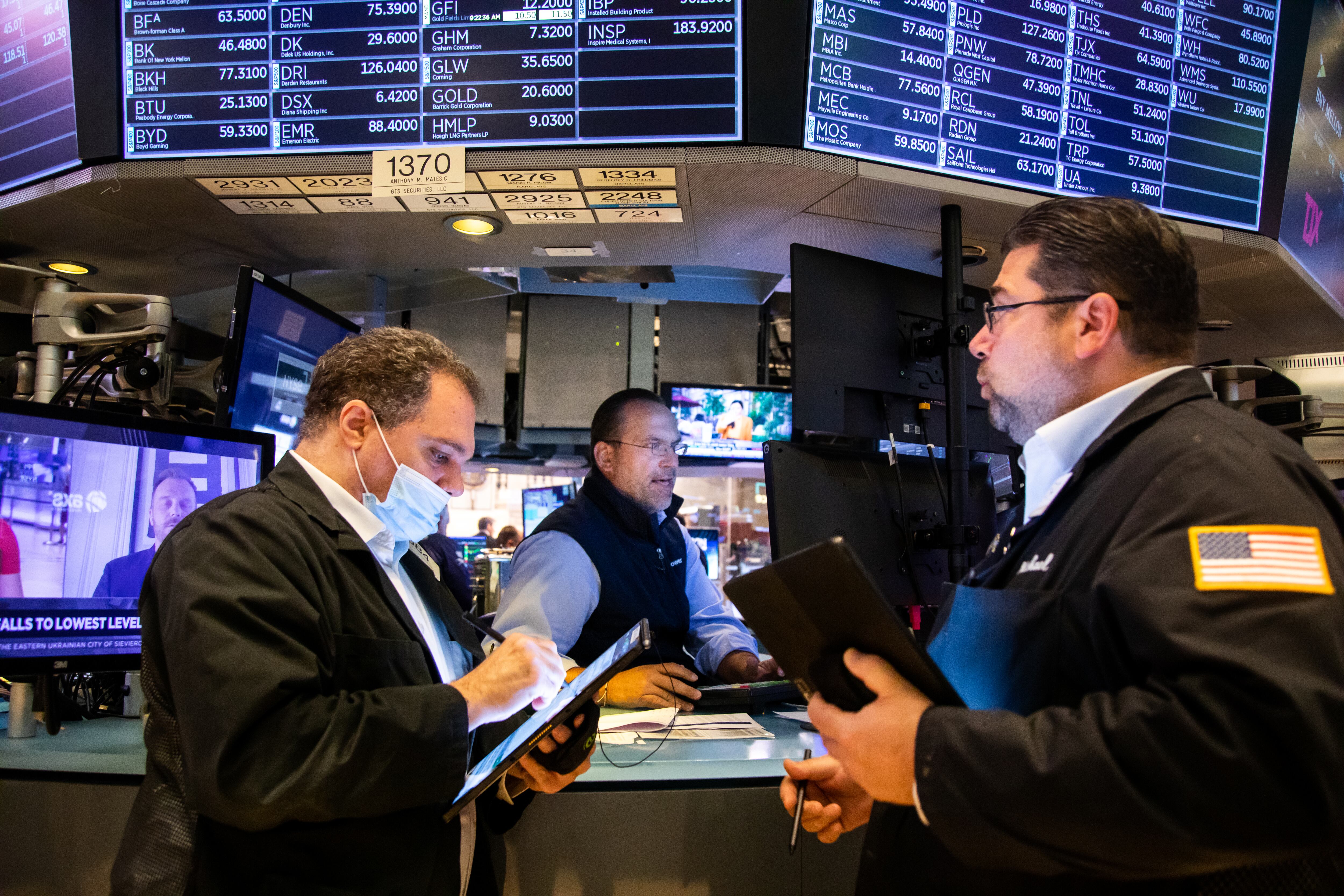
Concerns about economic growth are weighing down sentiment on Wall Street, as investors also monitor the uncertain impact of the Federal Reserve's quantitative tightening - the process of reducing its $9 trillion balance sheet it built up over the course of the pandemic. The Fed's QT is meant to normalize monetary policy while bringing down inflation, something the White House calls a 'top economic priority.' As Americans cope with higher prices for everyday essentials, Treasury Secretary Janet Yellen admitted that she was wrong about inflation being 'transitory,' as extenuating factors have caused inflation from the pandemic to worsen. JPMorgan CEO Jamie Dimon also weighed in on inflation and the state of the economy, warning investors to brace for a so-called economic 'hurricane' due to impacts from inflation and Russia's war in Ukraine. The still-tight job market is putting pressure on the economy as well, as the latest JOLTS report shows job openings in the U.S. are down from record highs but remain high.
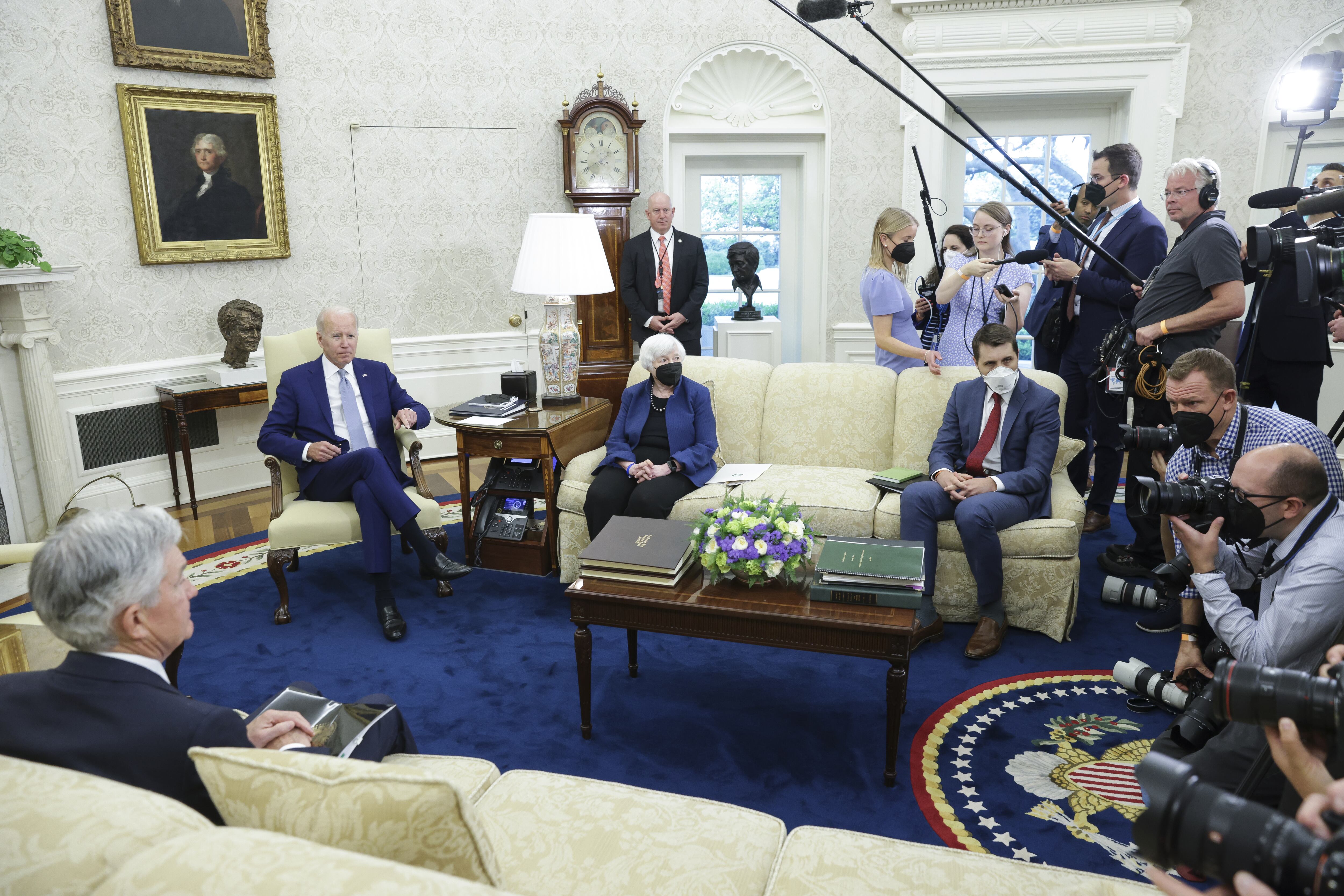
President Biden and Federal Reserve chair Jerome Powell meet at the White House today for the first time since Powell's renomination to the position. The President and the Fed Chair discussed the economy and historically high inflation, as new data shows inflation may be cooling slightly. Morning Consult economic analyst Jesse Wheeler joins Cheddar News' Closing Bell to discuss how the Biden administration at the U.S. central bank can work together to combat soaring prices for American consumers.
Gene Goldman, Chief Investment Officer at Cetera, joins Cheddar News' Closing Bell, where he breaks down the reasons behind Thursday's bounce-back performance on Wall Street. Goldman also provides a dose of investing advice, highlighting the sectors he's favoring right now.
David Scranton, CEO and Founder of Sound Income Strategies, joins Cheddar News' Closing Bell, where he provides his insight into why markets ended Wednesday's session lower and hones in on what he's looking for when it comes to the Fed combating inflation.
ADP's Chief Economist Nela Richardson joins Cheddar News' Closing Bell for a look at the job market in the United States. She breaks down the numbers behind her firm's latest findings and says her biggest concern lies in the continuing loss of jobs at small businesses, which shed 91,000 jobs during the month of May.
Tech-enabled residential hospitality company Mint House recently raised $35 million in a Series B round led by Mohari Hospitality. Mint House was described by one of its backers as 'the best of a hotel without the worst of a hotel, and the best of an Airbnb without the worst of an Airbnb.' Mint House offers apartment-style lodging across the country. The company claims its spaces combine the comfort of a home with the luxury of a hotel in order to give guests all of the perks and none of the tradeoffs. Will Lucas, Founder and CEO of Mint House, joins Cheddar News' Closing Bell to discuss.
As the broader tech sector faces continued headwinds, Microsoft in particular is slashing its fourth quarter outlook for another reason: the strength of the dollar. Why is it that a strong dollar is negatively impacting tech giants? And what should investors keep in mind? Tim Lesko, director and senior wealth advisor at Mariner Wealth Advisors, joins Closing Bell to discuss.